




Full Bed Sheets and Pillowcases for Comfortable Sleep
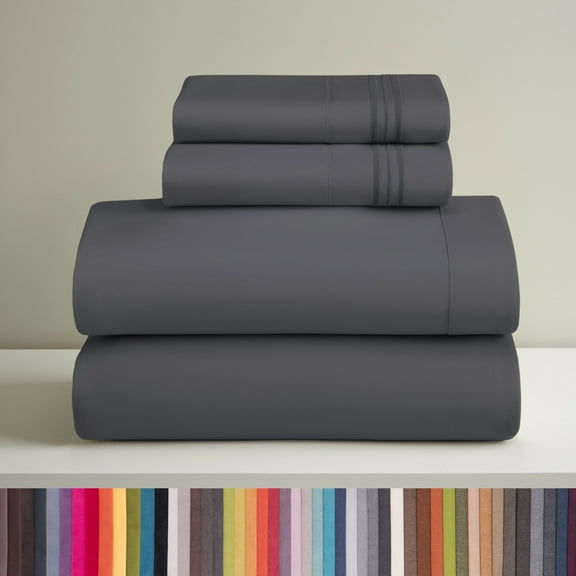


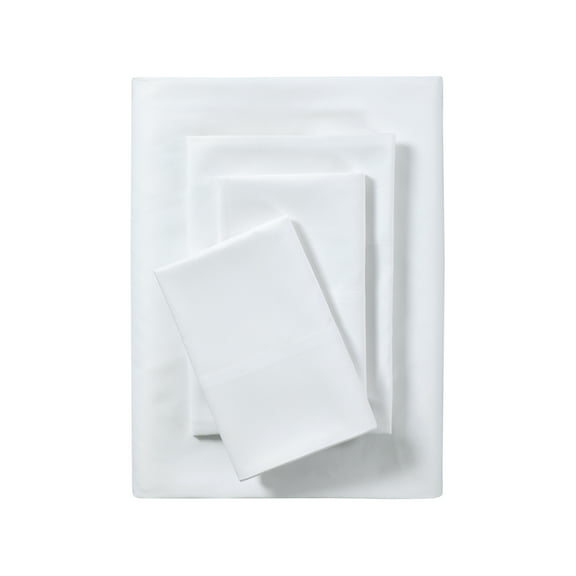


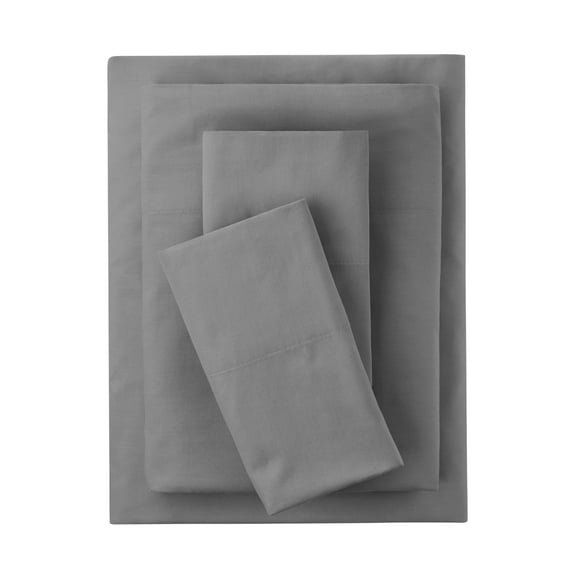


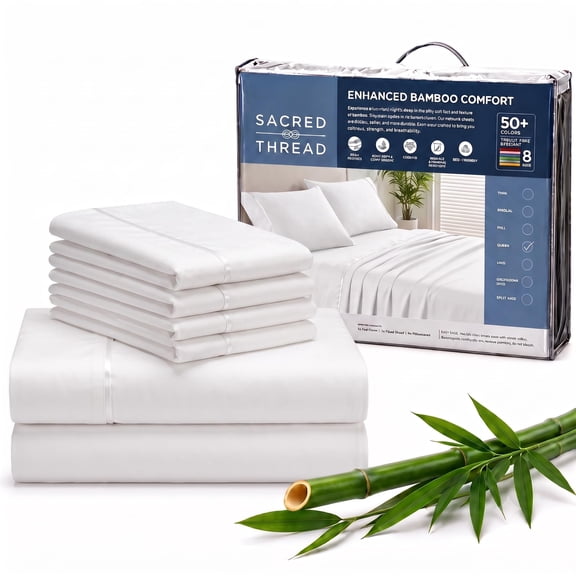
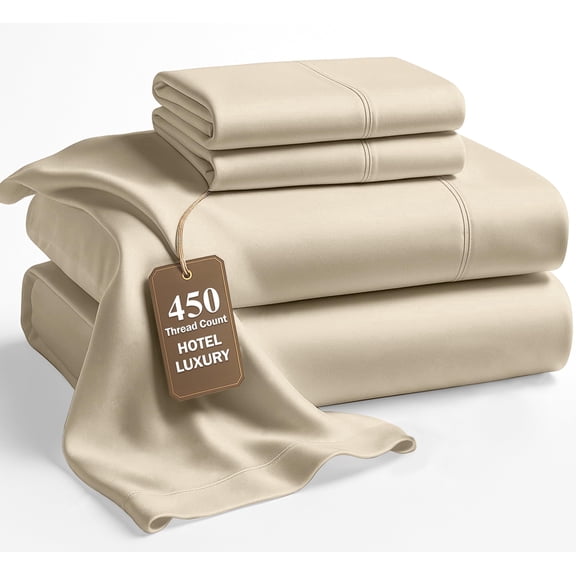
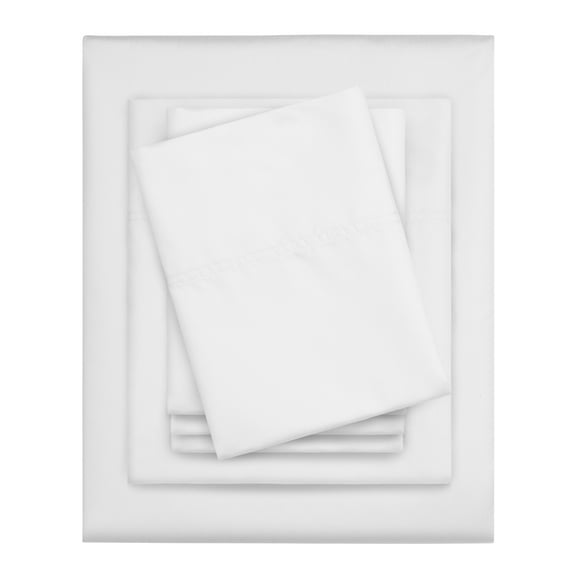






























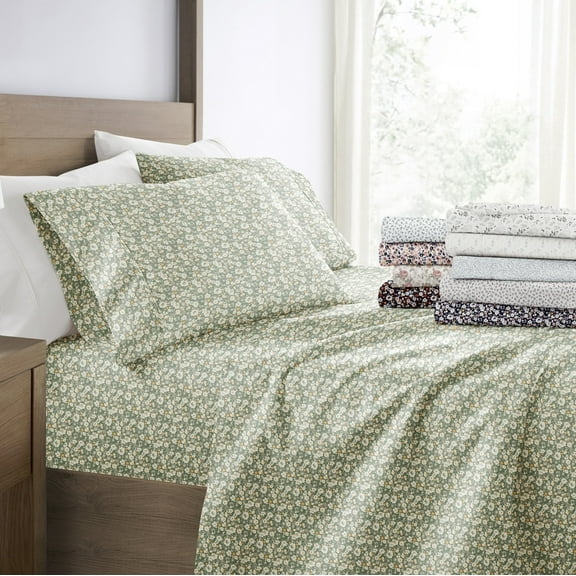


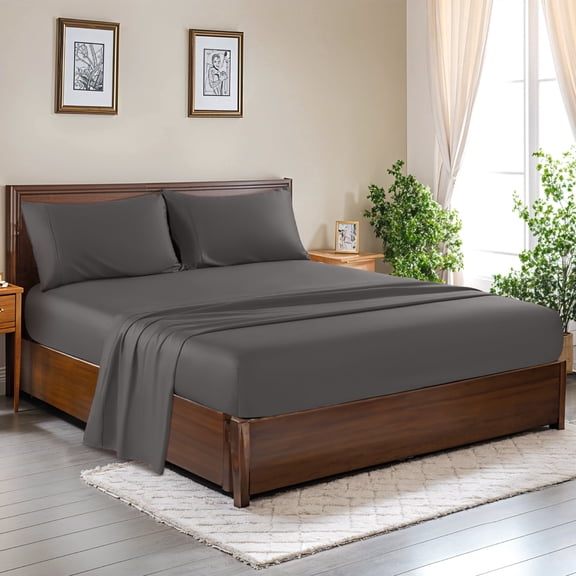


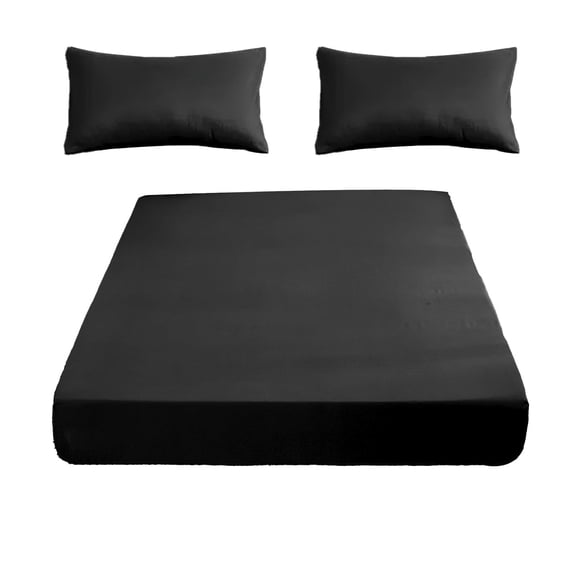


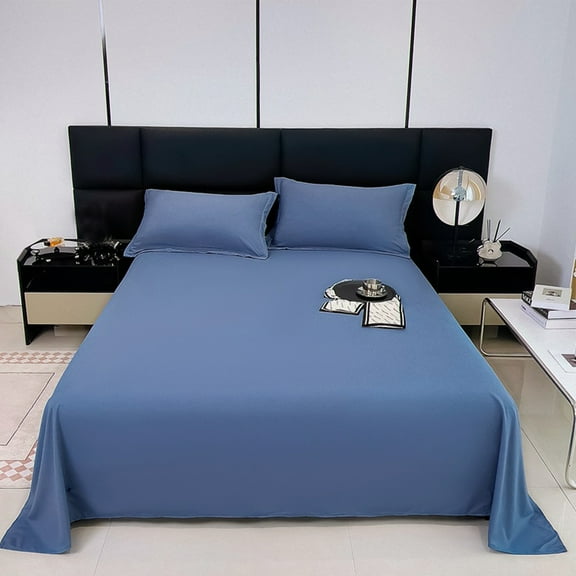
















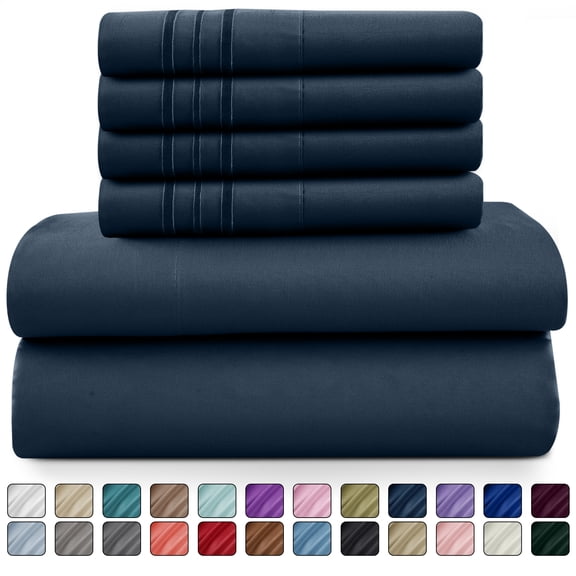


About Full Bed Sheets and Pillowcases for Comfortable Sleep - Walmart.com
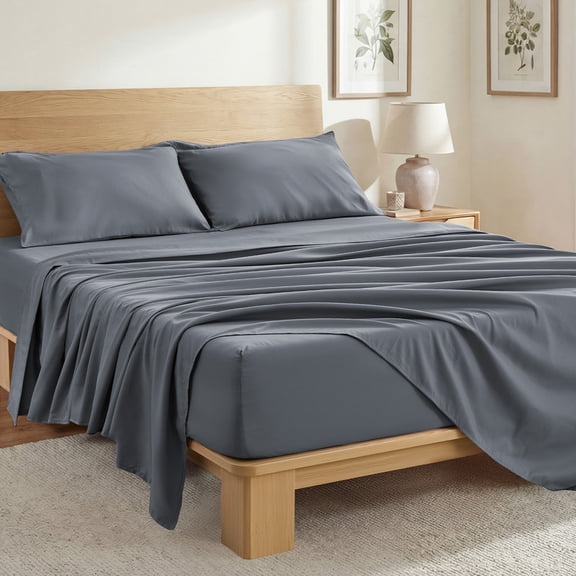
Full sheets help you outfit a full bed with the fit, feel, and fabric that match your sleep setup. You can compare materials, pocket depth, thread count, and set pieces, so your bedding feels tailored to your mattress and routine.
How to choose full sheets for your bed
You should start with size and mattress height before you compare colors or patterns. You’ll get a smoother fit when your sheets match both your bed size and your mattress depth.
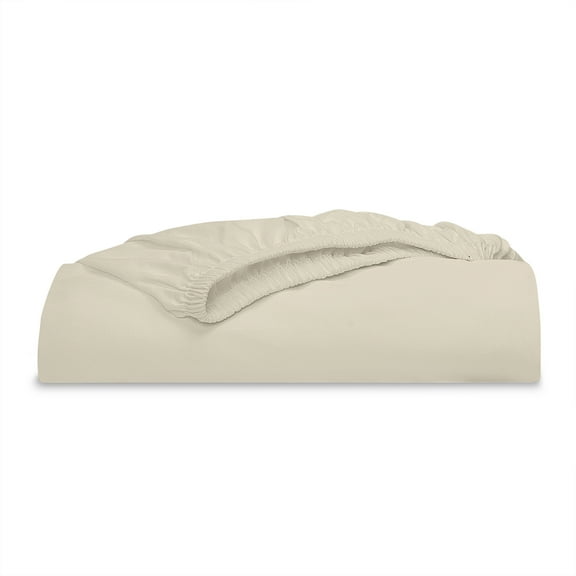
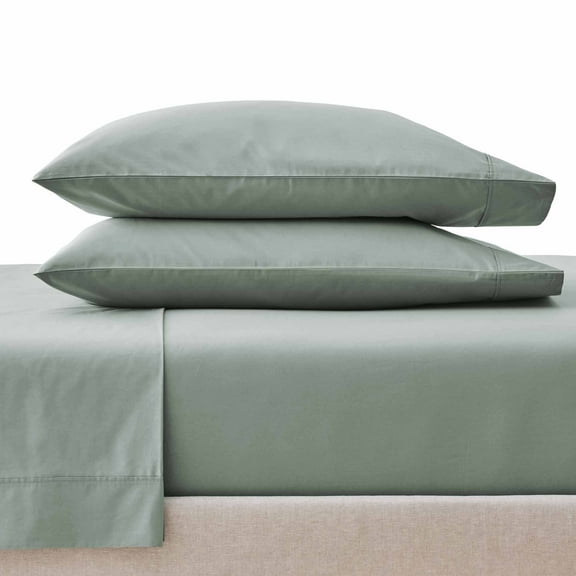
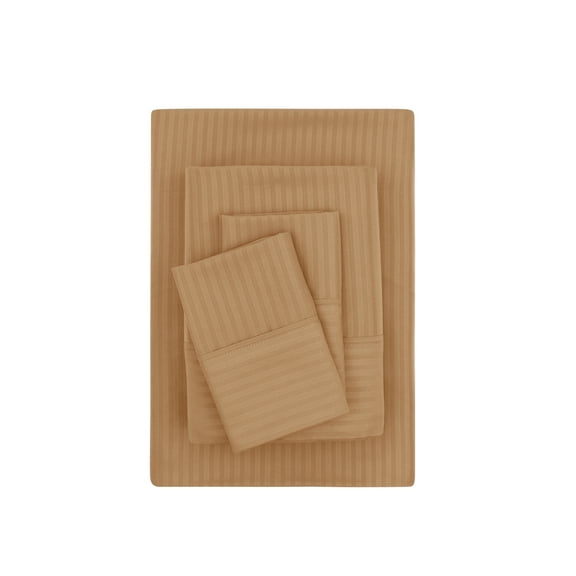
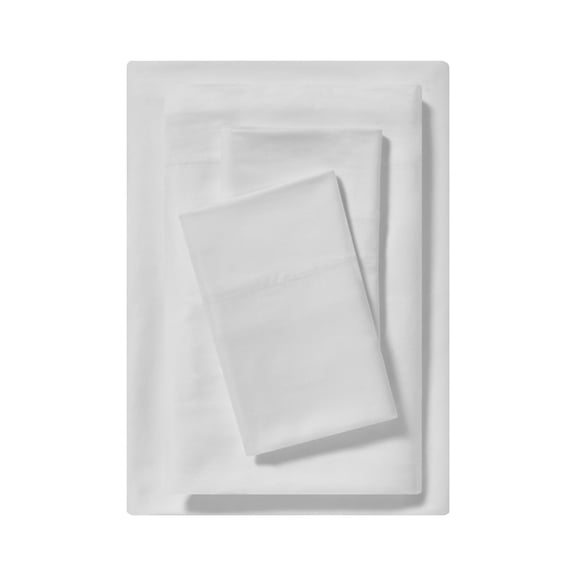
If you’re replacing only one piece, you can compare full size sheet sets with fitted sheets full or flat sheets full size. You can also pick pillowcase sets when you want to refresh the look without replacing every layer.
You may notice that full size bed sheets vary by fabric feel, weave, and care needs. You’ll make a clearer choice when you compare those details together instead of focusing on one label.
Choosing material and feel in full sheets
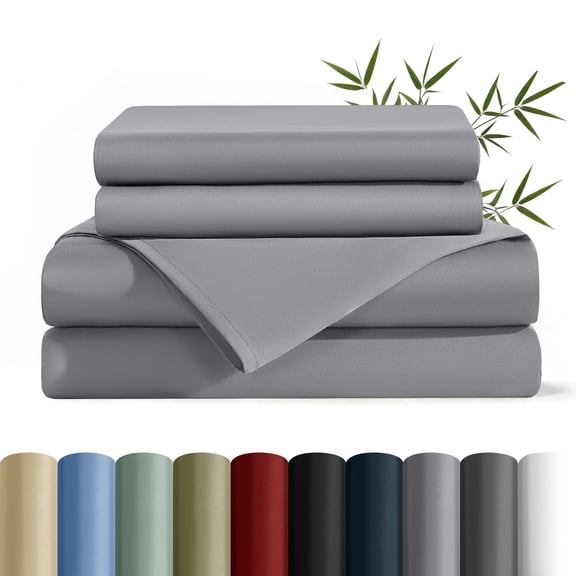
You can use material as your first comfort decision because it shapes softness, breathability, and daily care. You’ll often see cotton, microfiber, Egyptian cotton, and rayon from bamboo across full size sheet sets.
If you prefer a crisp feel, you can look for cotton in a percale weave. If you want a smoother finish, you can compare sateen, which usually feels silkier against your skin.
You may choose microfiber when you want easy care and a soft hand feel right out of the package. You can choose cotton full sheets when you want a natural feel and familiar breathability.
- You can choose percale when you like a cool, crisp sleep surface.
- You can choose sateen when you want a smoother, slightly lustrous finish.
- You can choose microfiber when you want simple care and wrinkle resistance.
- You can choose Egyptian cotton when you’re comparing fiber feel and fabric texture.
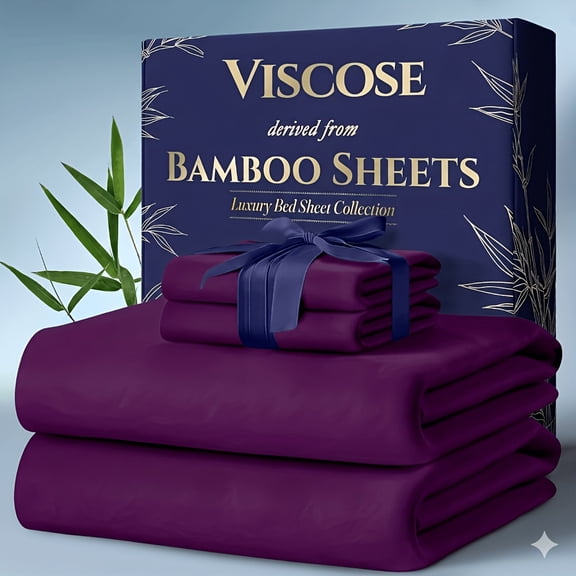
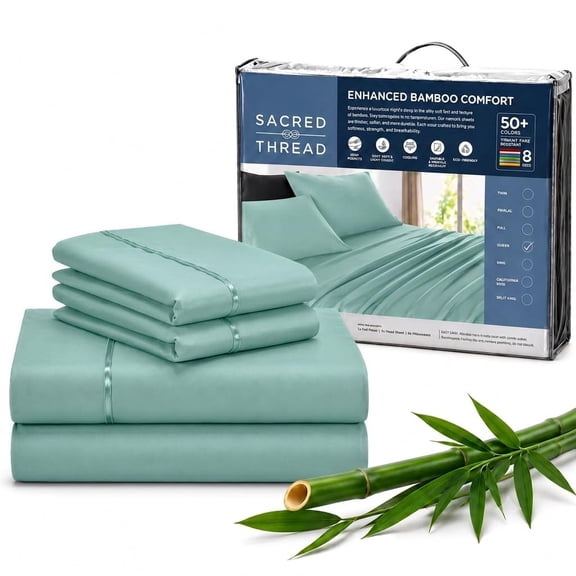
- You can choose rayon from bamboo blends when you want a silky hand and drape.
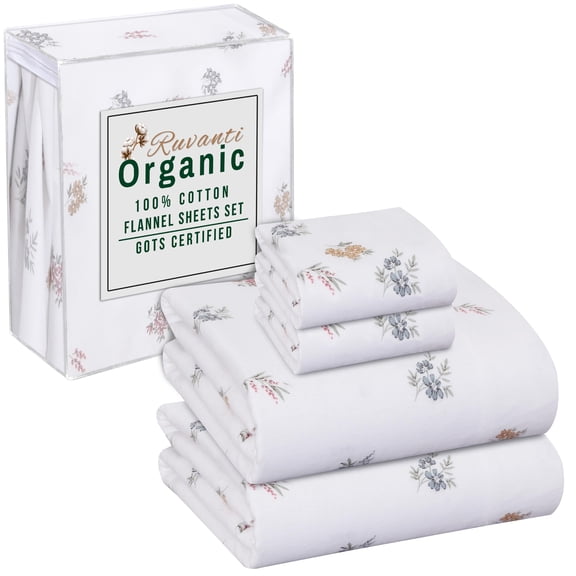
You may also see flannel full sheets during colder seasons when you want a cozier surface. You should compare fabric weight and finish, because warmth and texture can change a lot by material.
Checking pocket depth and set configuration
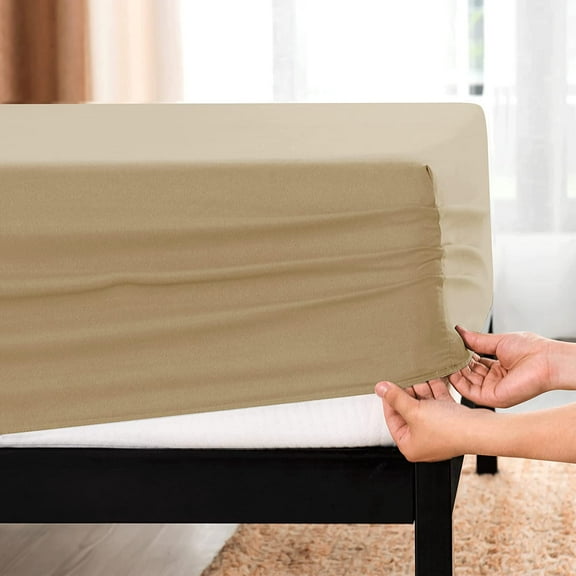
You should measure your mattress height first, especially if you use a topper or padded cover. You’ll avoid shifting corners when you match standard, deep pocket, or extra deep options correctly.
If your bed has extra height, you can compare deep pocket full sheets for a more secure fit. If your mattress profile is lower, you may find standard pocket sets easier to smooth and tuck.
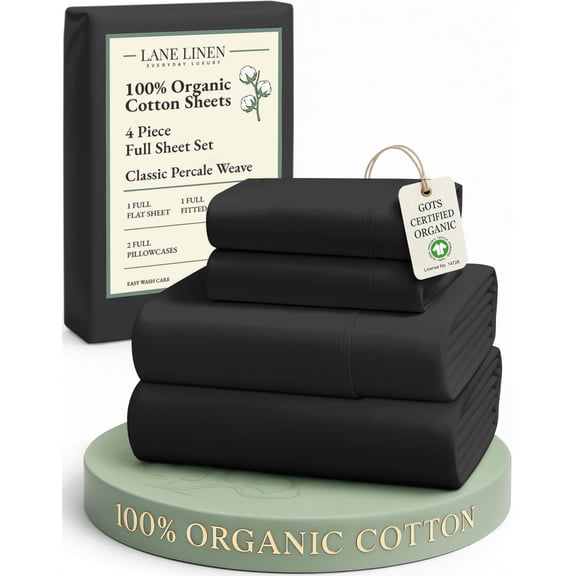
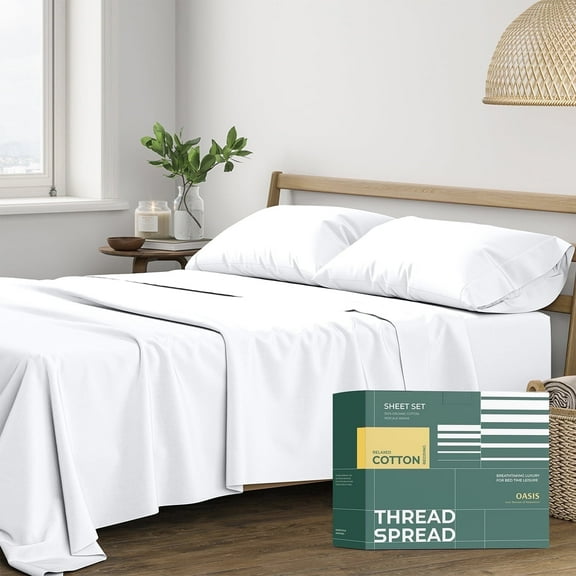
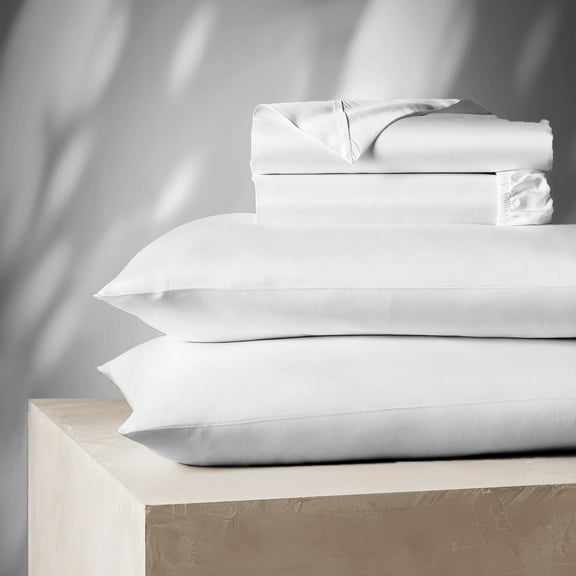
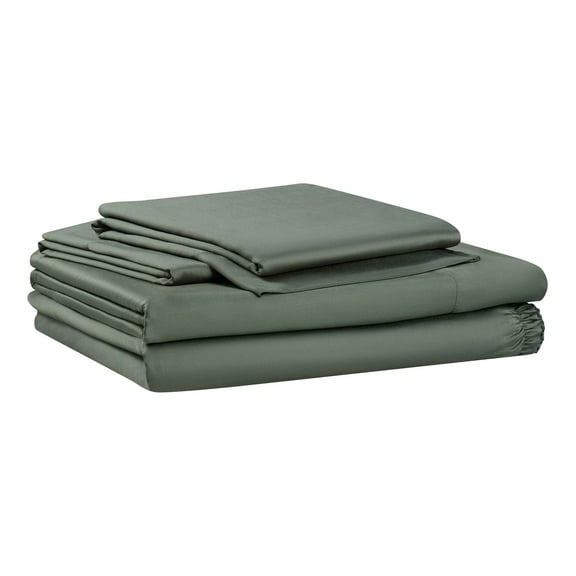
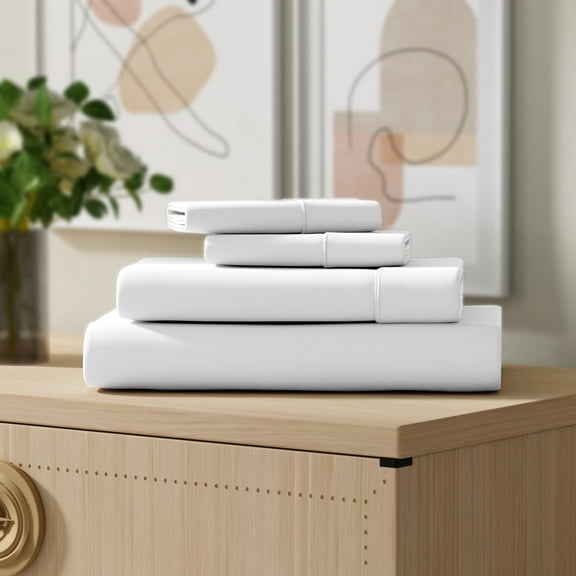
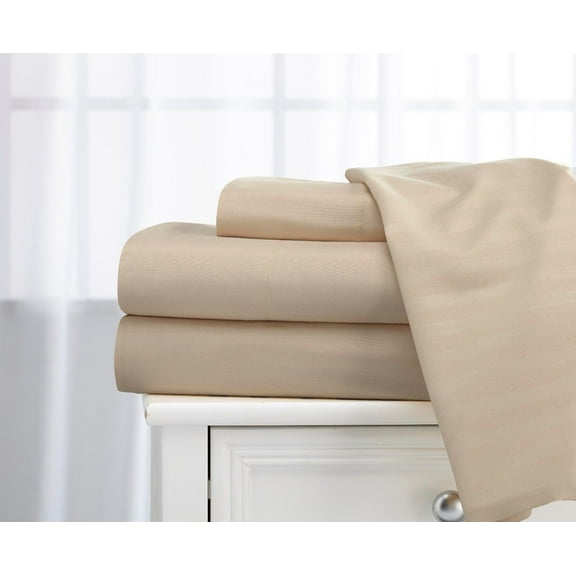
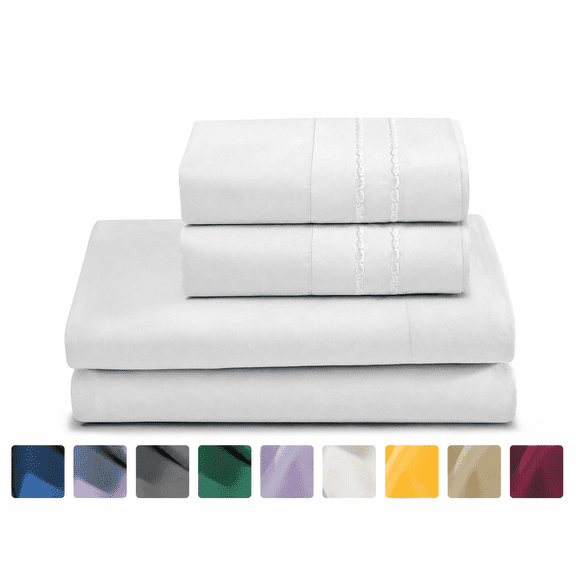
You can also compare what comes in each package before you choose. You’ll usually see four-piece sets, fitted-only options, flat-only options, or separate pillowcase packs.
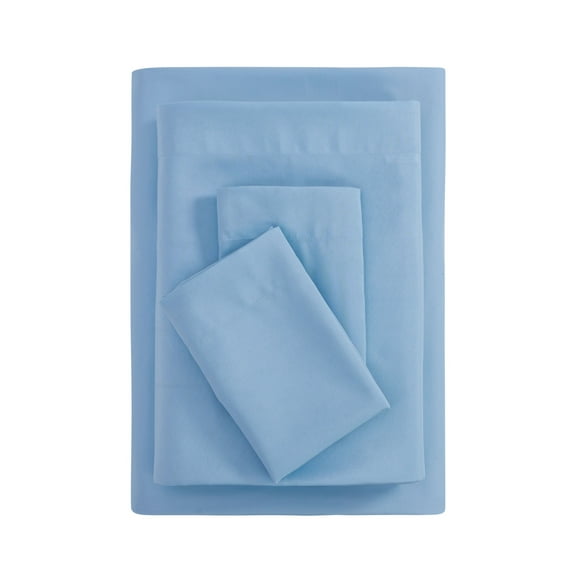
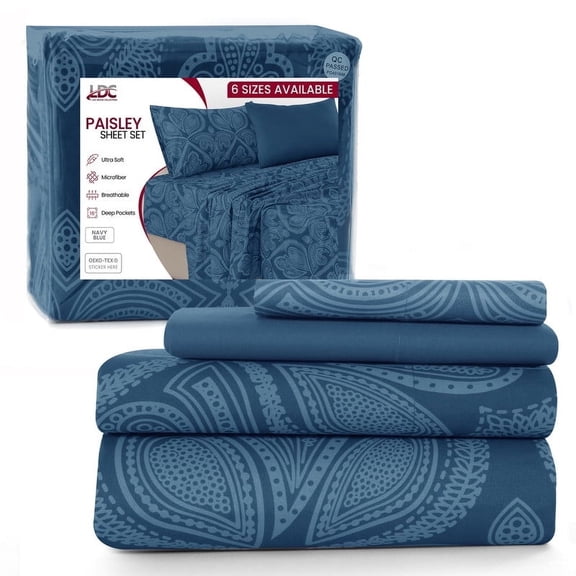
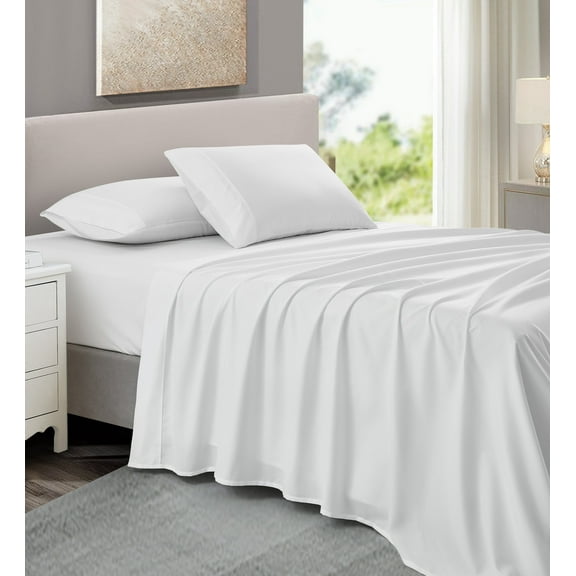
If you need a full refresh, you can choose full size sheet sets with a fitted sheet, flat sheet, and pillowcases. If you only need one replacement piece, you can narrow your search faster by configuration.
Understanding thread count, weave, and durability
You should treat thread count as one clue, not the whole story. You’ll often get more useful insight when you compare fiber type, weave, and finish alongside 200, 400, 600, or 800 thread count.
If you want balanced softness and breathability, you can start around 200 to 400 thread count. If you want a denser feel, you can compare higher counts with the weave details.
You may find that a lower thread count percale feels cooler than a higher thread count sateen. You should also check whether the fabric is brushed, wrinkle resistant, or designed for easy washing.
You can make care easier by checking wash instructions before you choose. You’ll appreciate sheets that fit your laundry routine, especially when you change bedding often in guest rooms or shared spaces.
Matching full size bed sheets to real-life use
You can match cotton or percale options to everyday bedrooms where you want breathable comfort and a crisp finish. You may prefer sateen or higher thread count styles when you want a smoother look on the bed.
If you’re furnishing a teen room, guest room, or apartment, you can compare microfiber for simple care and quick bed making. You’ll also find separate pillowcases useful when you like to mix colors or replace just one piece.
You should look at deep pocket sizing for taller mattresses, pillow tops, or added toppers. You can use extra deep styles when standard fitted corners don’t stay in place through the night.
If you rotate bedding by season, you can keep lighter sets for warmer months and flannel full sheets for cooler weather. You’ll get more flexibility when your linen closet includes more than one fabric type.
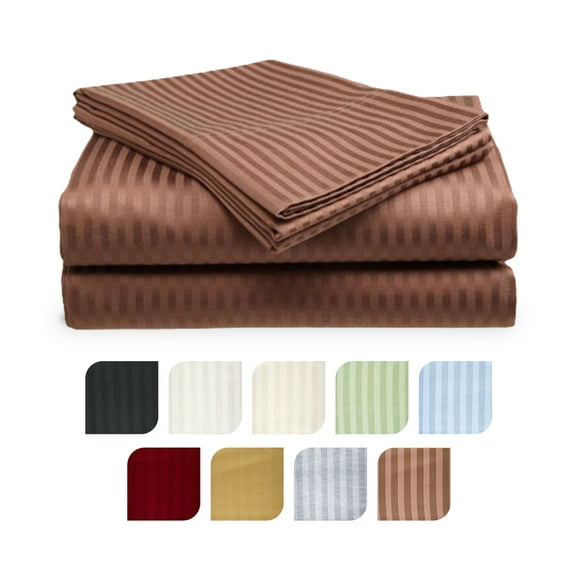
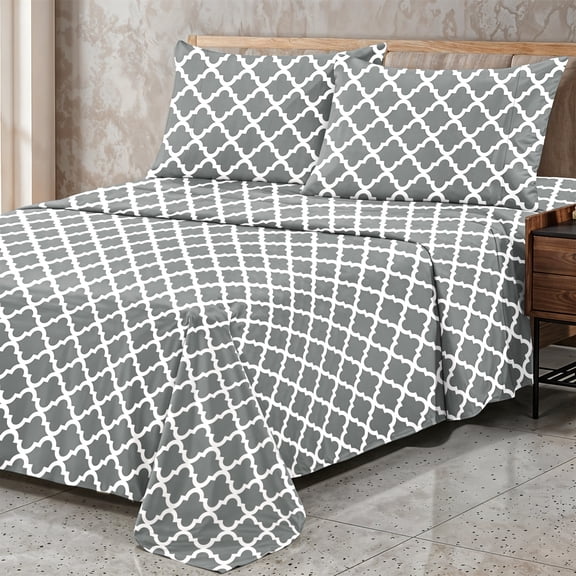
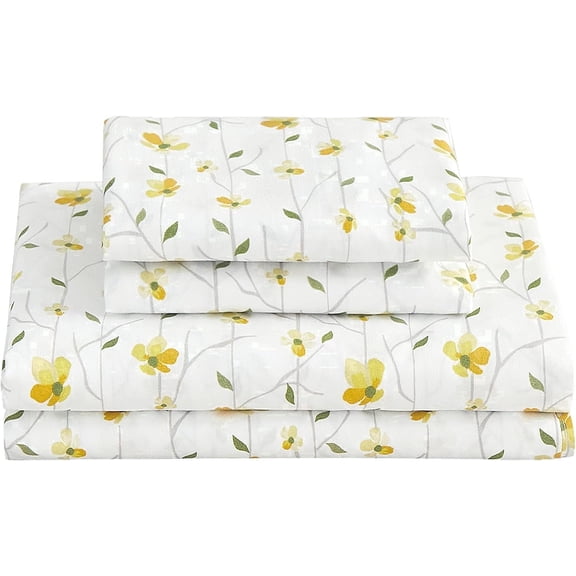
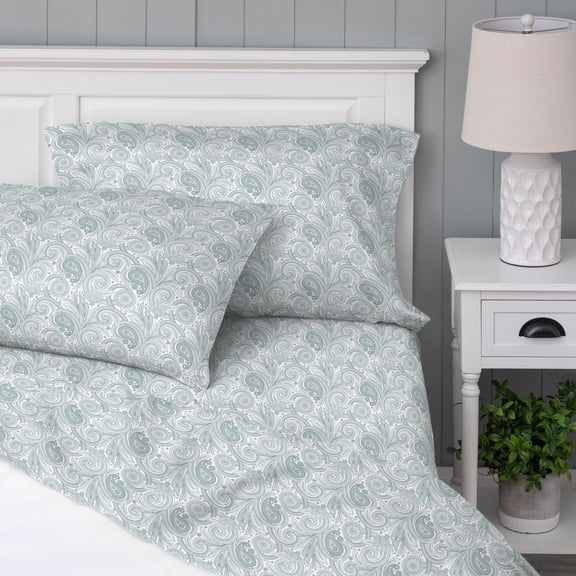
You can also coordinate your sheets with duvet covers, pillowcases, and other bedding layers for a more finished bed. You’ll create a cleaner match when you compare color families and fabric textures together.
When you compare full sheets by material, depth, thread count, and set pieces, you can narrow your options with less guesswork. You’ll end up with bedding that fits your mattress cleanly and feels right night after night.