


Fish Tanks













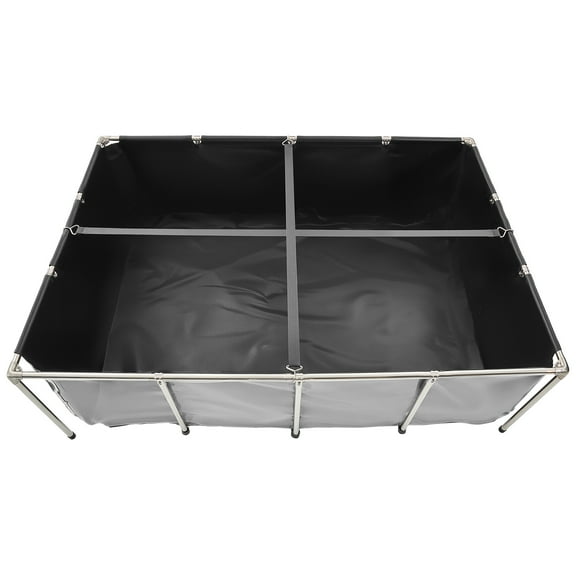


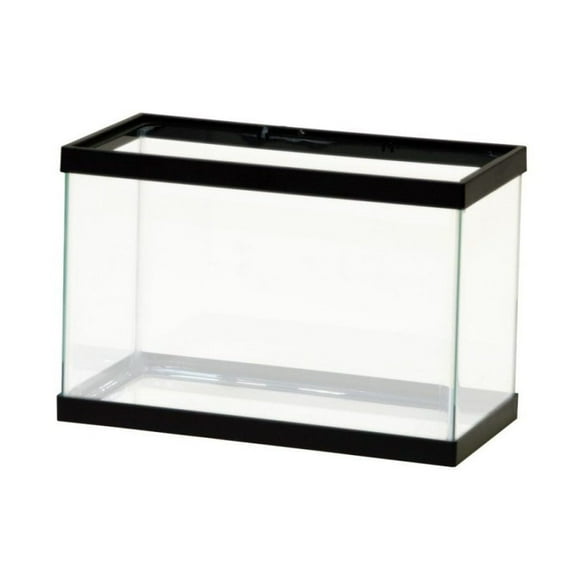


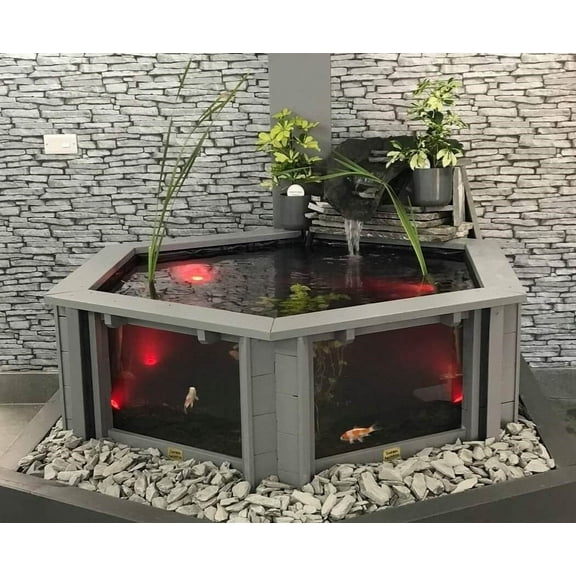
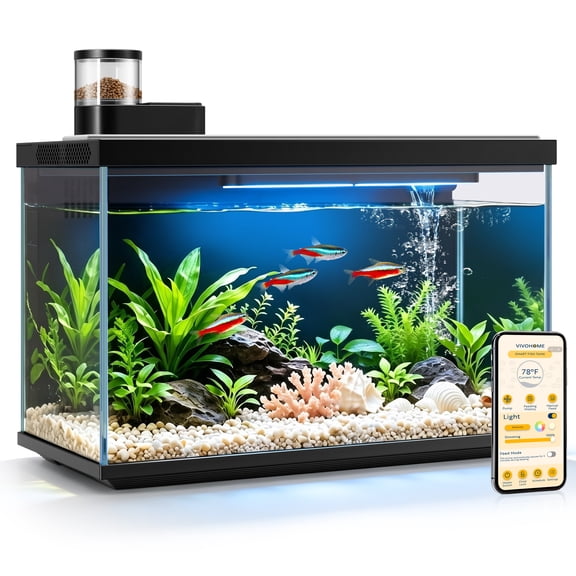






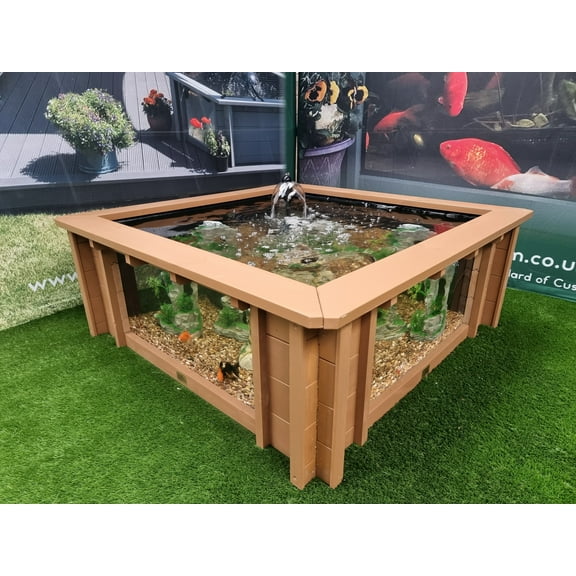
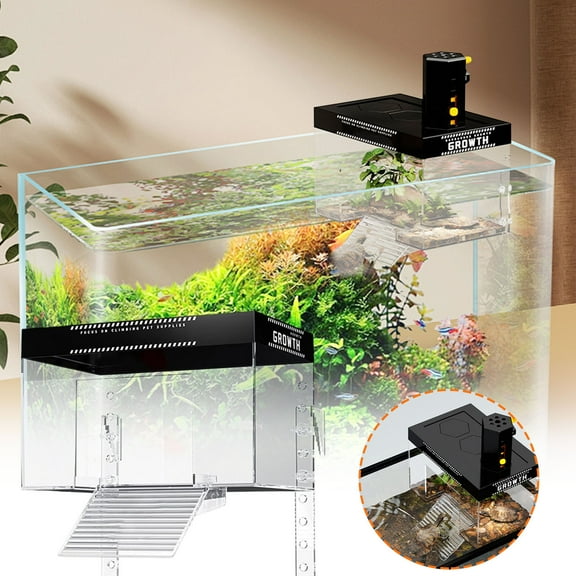


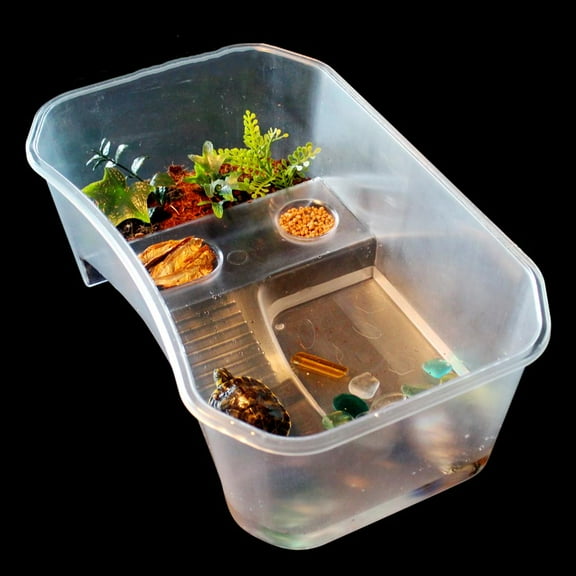


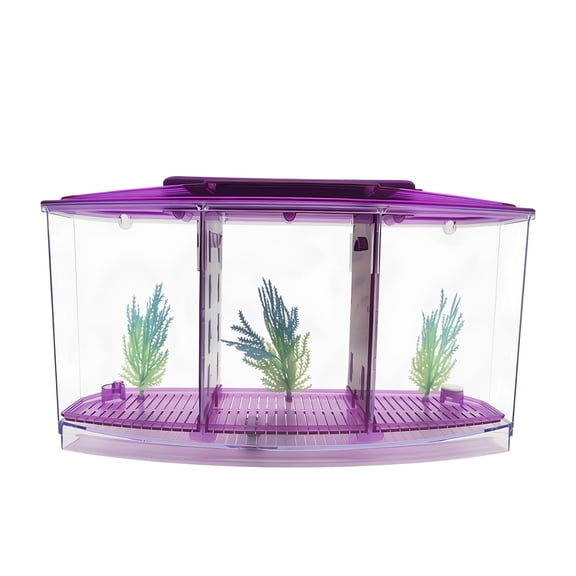
About Fish Tanks - Walmart.com
Fish tanks and aquariums help you build an aquatic setup that fits your fish, your room, and your daily routine. You can compare tank size, material, shape, and kit type with clearer decision support.
If you're planning a betta corner or a larger tropical display, you need practical guidance. You can use these key choices to narrow fish bowls, glass fish tanks, and aquarium starter kits.
Choosing fish tanks and aquariums by tank capacity
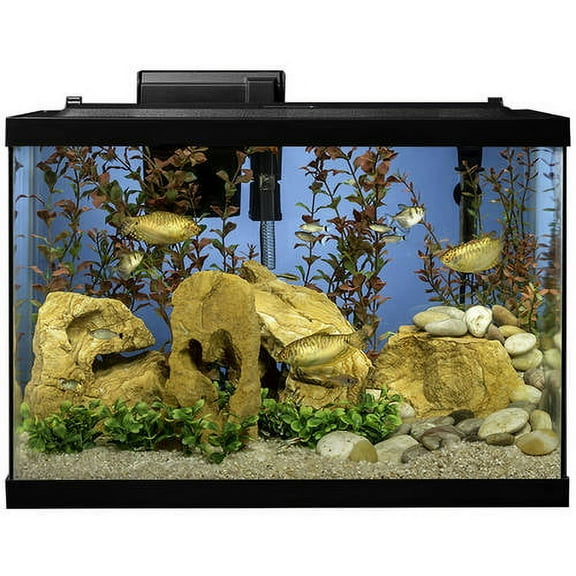
You should start with tank capacity because gallons shape your stocking plan and equipment needs. You can compare five gallon, 10 gallon, 20 gallon, and 55 gallon options by footprint and fish type.
When you check the gallons-per-inch rule, you get a simple planning tool for small community fish. You should still compare species habits because active swimmers need more open water.
A five gallon tank can suit a compact setup when your desk or counter space is limited. You may prefer 10 gallon tanks when you want steadier water conditions and more decorating room.
If you want added flexibility, 20 gallon tanks give you more planting space and broader stocking choices. You might choose 55 gallon tanks when your plan includes a larger centerpiece display.
- You can use smaller tanks for tight spaces and simple stocking plans.
- You can choose mid-size tanks when your layout needs easier equipment placement.
- You can move to larger aquariums when your fish need wider swimming space.
Choosing aquarium starter kits or tank-only setups
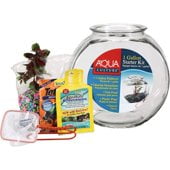
You should compare kit type early because it affects setup time and customization. You can pick aquarium starter kits, tank-only options, or setups with filter and light included.
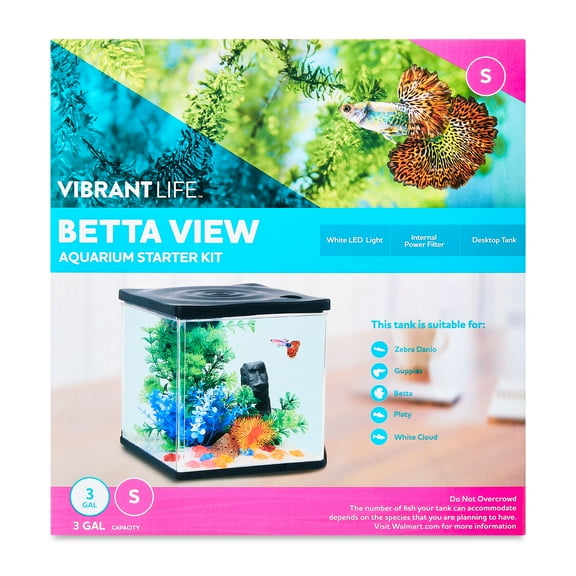
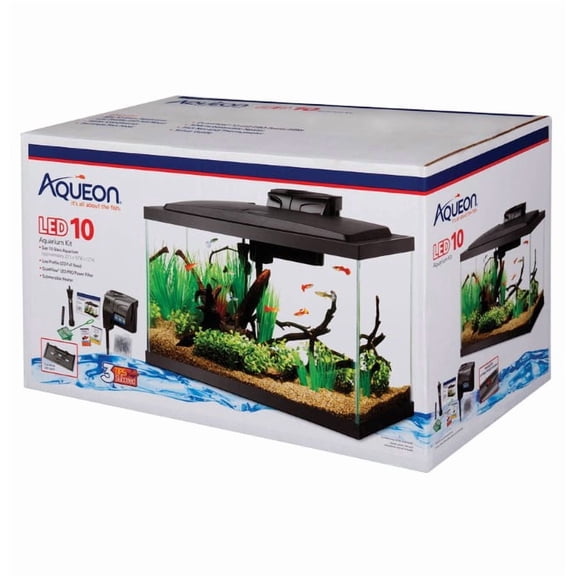
If you want fewer decisions, starter kits bundle core pieces in one package. You can move faster when your tank, hood, light, and filter fit together naturally.
Tank-only choices give you more control over each component and layout. You may prefer that route when you already know your heater size, filter style, or lighting goals.
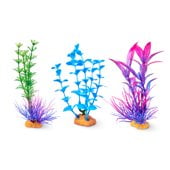
Setups with filter and light can simplify first purchases without limiting later changes. You can add gravel, water conditioners, fish food, and aquarium decor after you choose your core setup.
Choosing between glass fish tanks and acrylic aquariums
You should compare material next because weight, clarity, and surface care affect daily use. You can shop glass fish tanks, acrylic aquariums, and plastic fish bowls for different spaces.
Glass gives you a solid feel and strong scratch resistance during regular cleaning. You may like that stability when your tank stays in one place for years.
Acrylic weighs less, which can help when you need easier placement or movement. You should also check surface care because acrylic can show scratches from rough tools.
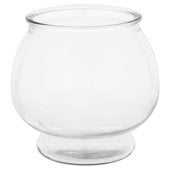
Plastic fish bowls can suit compact decorative setups when you want a smaller footprint. You should compare bowl size carefully because shape affects swimming room and accessory fit.
Choosing shape and style for your room
You can narrow shape and style by checking viewing angles, furniture depth, and decor plans. You may compare rectangular, bowfront, column, and hexagon designs before choosing a final look.
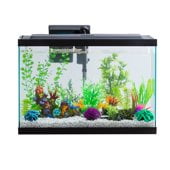
Rectangular tanks help you place equipment easily and give you broad front viewing. You might prefer bowfront styles when you want a curved profile in your room.
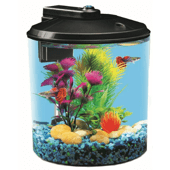
Column and hexagon tanks use vertical space differently and can fit smaller footprints. You should measure stand width, wall clearance, and reach height before picking taller designs.
If you're considering fish bowls, you should compare opening width and accessory fit. You can avoid setup frustration when your net, lid, and cleaning tools match the bowl shape.
Choosing filtration for tank volume
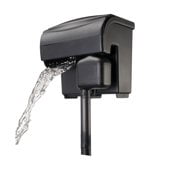
You should review filtration with the same care you give tank size. You can use GPH flow rate and filter media type to match your aquarium to its water volume.
For smaller tanks, you may want gentle flow so the current does not push your fish around the tank. You should still check enough circulation to move water through the filter consistently.
As your tank size increases, you usually need more filtration capacity and larger media chambers. You can compare mechanical, chemical, and biological media by your cleanup routine.
If you're choosing fish tanks and aquariums for a first setup, an included filter can reduce guesswork. You can pair that choice with water conditioners and replacement cartridges for a smoother start.
Matching your setup to fish types
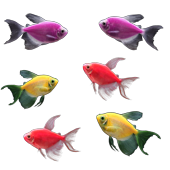
You can match tank choices to fish habits, not just to shelf space. You may look at betta fish tanks, goldfish setups, or tropical community layouts with different capacity needs.
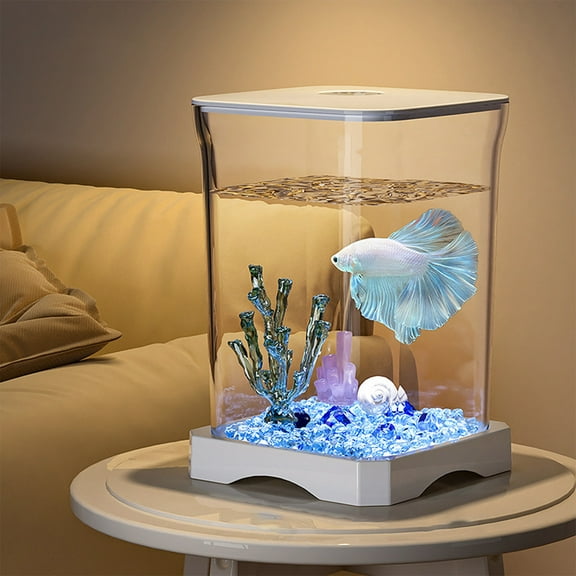
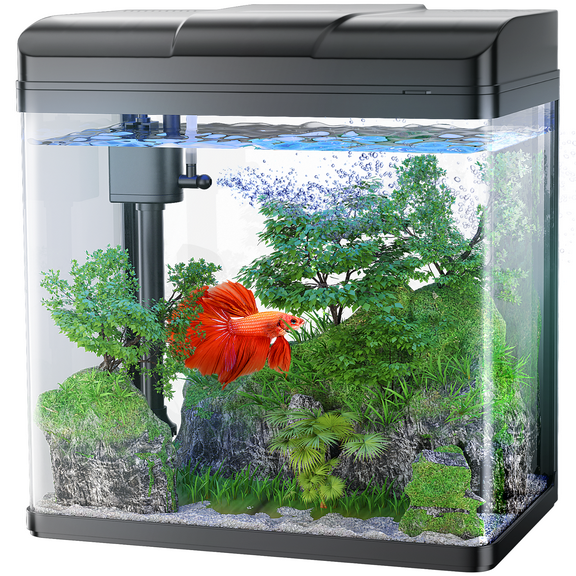
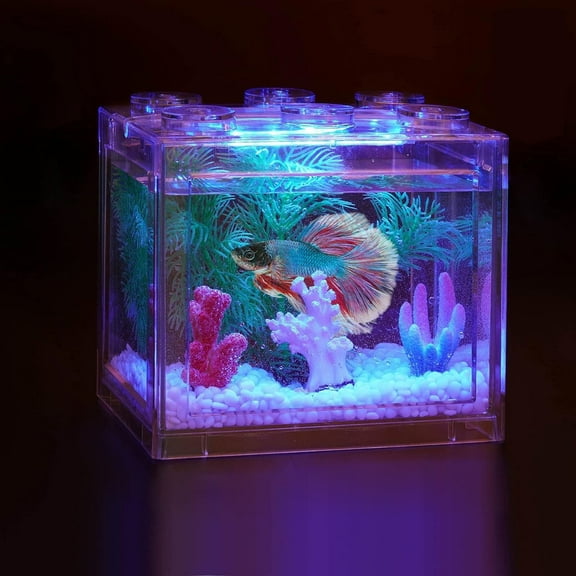
Betta fish tanks can work in smaller footprints when you want a focused single-fish display. You should still compare heater room, filter flow, and lid design for a complete setup.
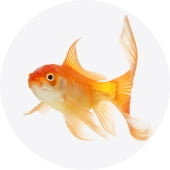
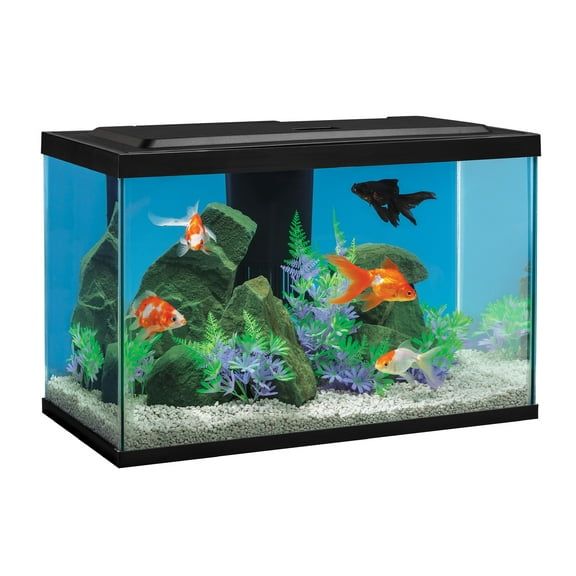
Goldfish and active tropical species often need broader swimming space and stronger filtration support. You can use 20 gallon or 55 gallon options when your plan calls for larger movement areas.
If you're building a planted display, you may want a shape that gives you room for substrate depth and lighting. You can also coordinate your aquarium with decor, gravel, and fish supplies for a finished look.
You can choose fish tanks and aquariums with more confidence when you compare size, shape, material, and kit type together. Your setup feels easier to manage when your tank and filtration match your fish from the start.