



Chef Knives at Walmart: Find Chef's Knives Near You




















About Chef Knives at Walmart: Find Chef's Knives Near You - Walmart.com
When you search where can i buy chef knives near me, you likely want local availability and clear details. You can compare blade materials, lengths, and handle designs that fit daily prep and pickup needs.
How to choose chef knives near me
You can start with blade material, because it shapes edge feel, upkeep, and long prep sessions. You’ll usually compare high-carbon stainless steel, Damascus steel, and ceramic before narrowing your options.
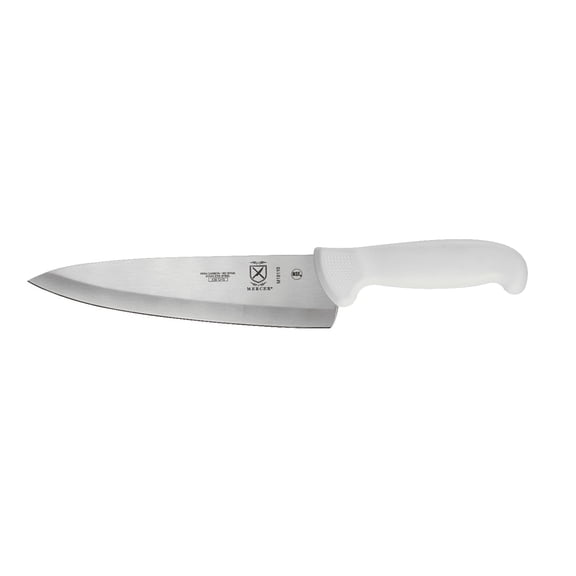
High-carbon stainless steel helps you balance sharp edge retention with easier everyday care. You can use it for frequent chopping, slicing, and dicing without adding much maintenance.
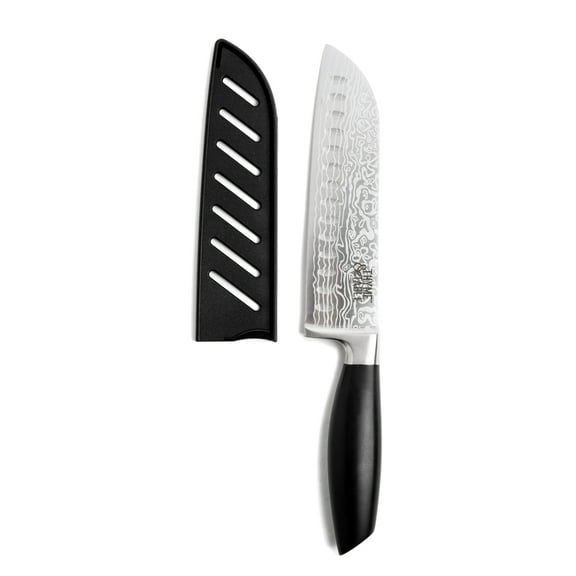
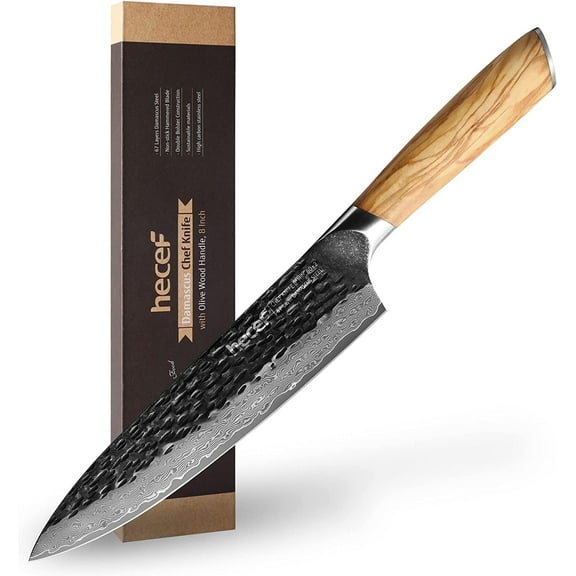
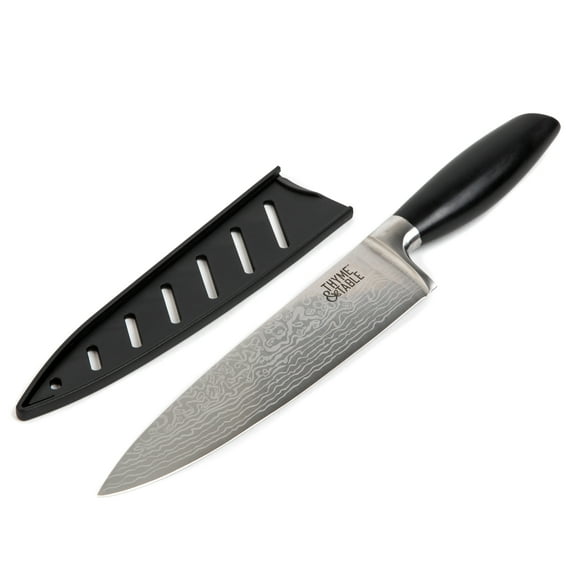
Damascus steel gives you layered construction and a distinct blade pattern you can spot quickly. You may choose it when you want refined cutting feel and a gift-worthy presentation.
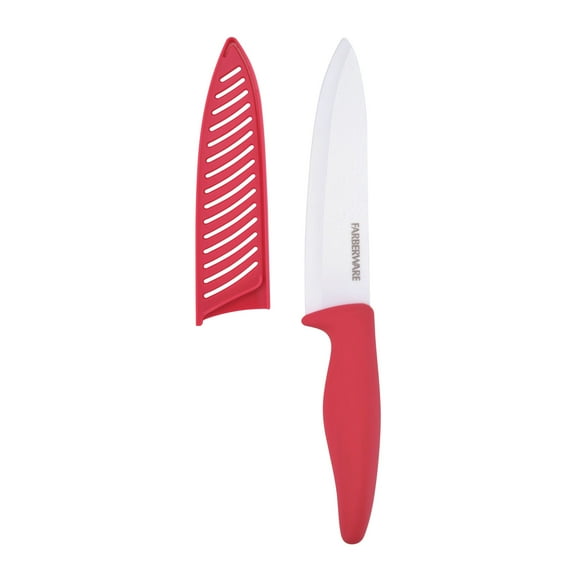
Ceramic gives you a lightweight option that feels nimble during precise prep. You can consider it for fruit, herbs, and boneless ingredients when you want easy handling.
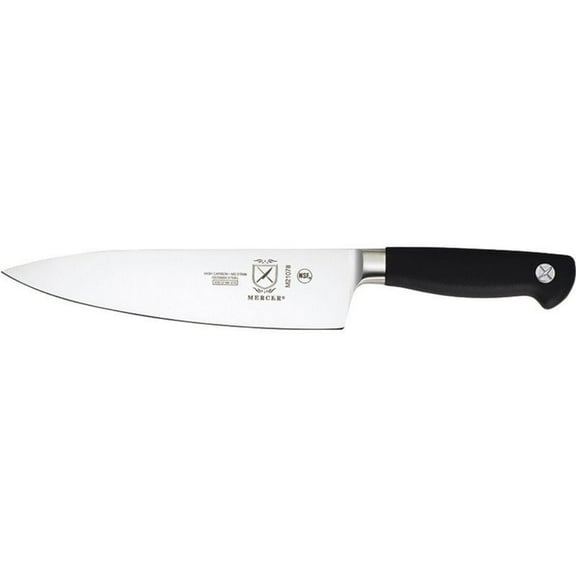
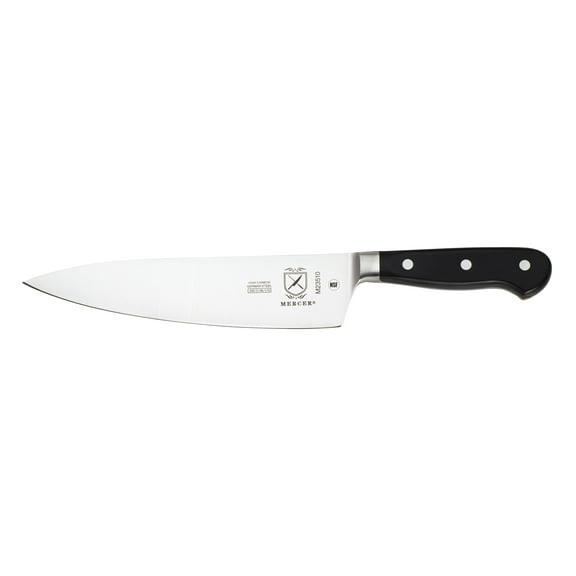
You should also compare the handle, because comfort changes how steady each cut feels. You’ll notice ergonomic polymer, pakkawood, and full tang designs each support your grip differently.
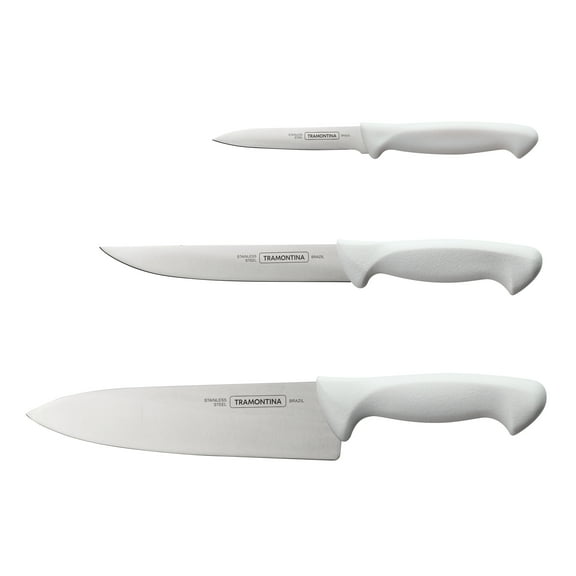
- You can use ergonomic polymer handles when you want a practical, easy-clean surface.
- You may prefer pakkawood when your kitchen style calls for a warm, classic look.
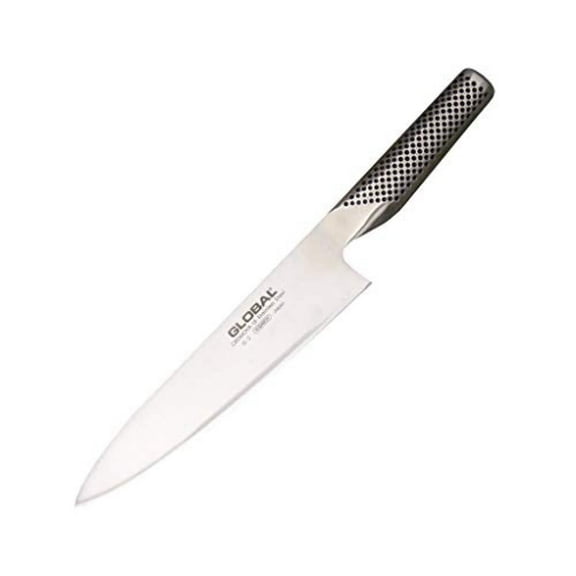
- You can check for full tang construction when you want balanced weight through the handle.
- You should compare blade length carefully, because size affects control and prep speed.
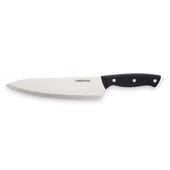
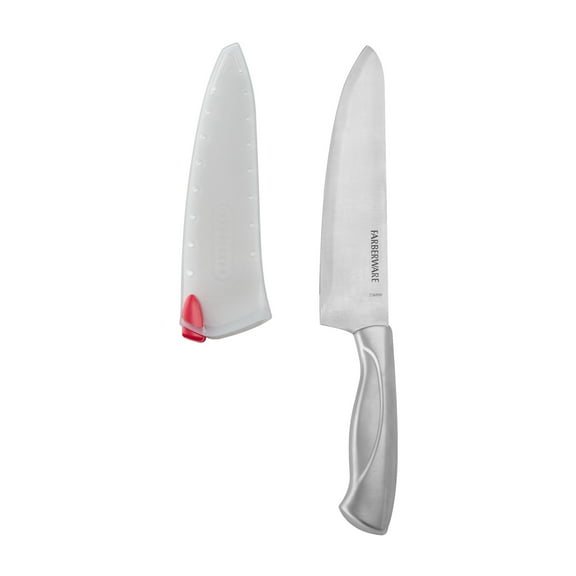
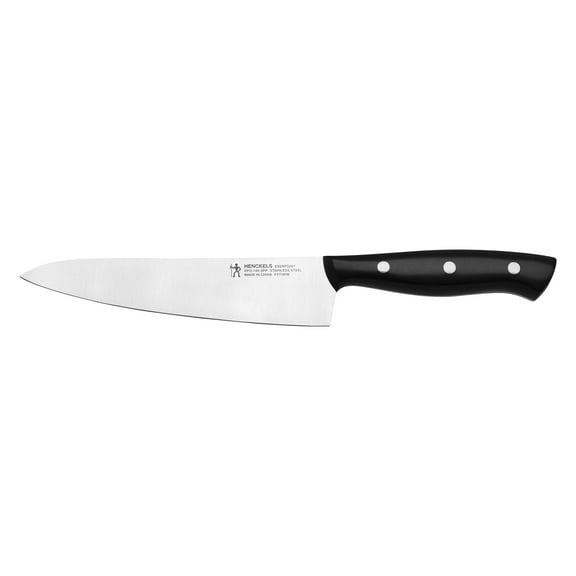
An eight-inch chef’s knife gives you a versatile middle ground for many home kitchens. You can slice onions, mince herbs, and portion proteins without switching tools often.
A 10-inch blade gives you extra reach for larger produce and bulk meal prep. You may like that size when you cut cabbage, melons, or several ingredients at once.
A six-inch option gives you closer control in tight prep spaces and smaller hands. You can use it when your cutting board space is limited or tasks feel more delicate.
Choosing culinary knives by style and construction
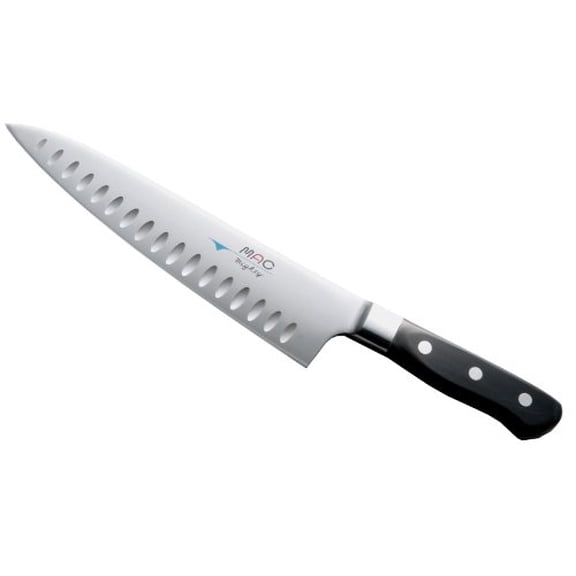
You can compare knife style next, because each profile changes motion on the cutting board. You’ll often see German-style, Japanese gyuto, and French-style shapes in this category.
German-style knives usually feel a bit sturdier and support rocking cuts through herbs and vegetables. You can consider this profile when you like a curved edge and familiar weight.
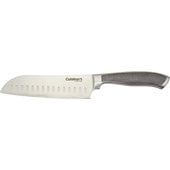
Japanese gyuto knives usually feel lighter and more agile during long prep sessions. You may prefer this style when you want fine slicing and a flatter edge path.
French-style knives often blend nimble handling with a profile suited to precise tip work. You can look to this style when your prep includes shallots, garlic, and detail cuts.
You should check balance before choosing, because weight distribution affects comfort over time. You’ll feel more control when the blade and handle work together instead of pulling forward.
A full tang design often gives you a steadier, planted feel in your hand. You can use that balance for repeated chopping when you want more consistent rhythm.
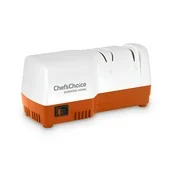
You should also compare edge upkeep, because maintenance needs differ by material and finish. You can pair your knife with sharpeners, honing tools, and storage that fit your routine.
If you cook often, you may want a blade that holds its edge through frequent prep. If you want simpler care, you can prioritize rust-resistant stainless-focused construction.
Finding chef knife near me for real kitchen tasks
When you look for chef knife near me, you’re often planning around timing as much as features. You may want in-store pickup, delivery options, or a quick replacement before your next meal.
You can use an eight-inch knife as your everyday kitchen workhorse for prep across many recipes. You’ll find it useful for onions, carrots, chicken breasts, and fresh herbs.
You may want a 10-inch blade when weekend batch cooking fills your counter with larger ingredients. You can move through squash, watermelon, and family-size prep with longer slicing strokes.
If your kitchen feels compact, you can choose a six-inch knife for tighter boards and smaller tasks. You’ll appreciate the easier maneuvering when space around your sink or prep area stays limited.
You can pair blade material with your routine to narrow choices faster. High-carbon stainless suits frequent use, Damascus suits presentation-minded shoppers, and ceramic suits lightweight precision tasks.
When you compare chefs knives near me, you should think about handle texture during wet prep. You can look for shapes that feel secure during repeated slicing of tomatoes, citrus, or onions.
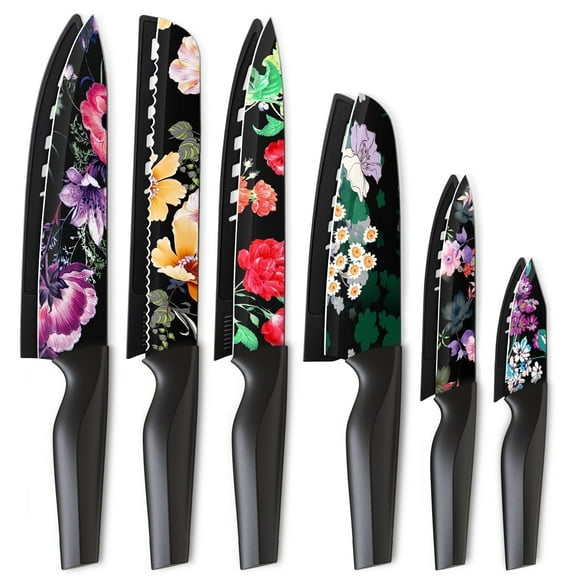
You may also be comparing chefs knife near me options for gifting, new kitchens, or upgraded cutlery sets. You can choose finishes and handle materials that match the rest of your kitchen tools.
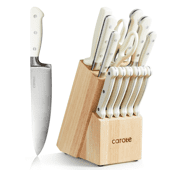
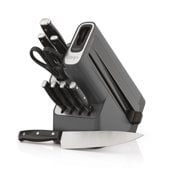
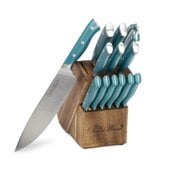
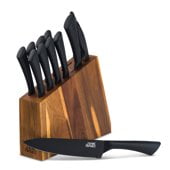
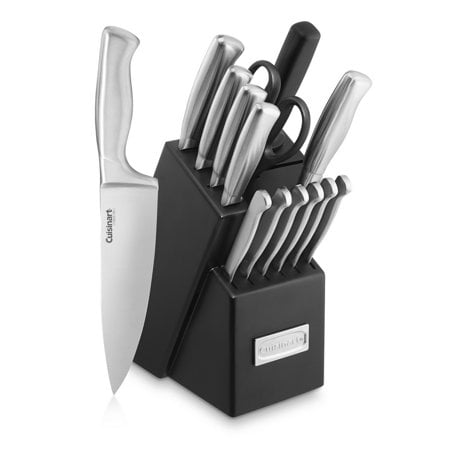
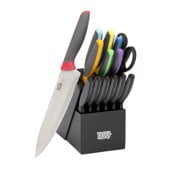
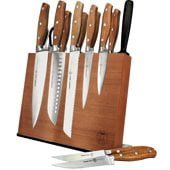
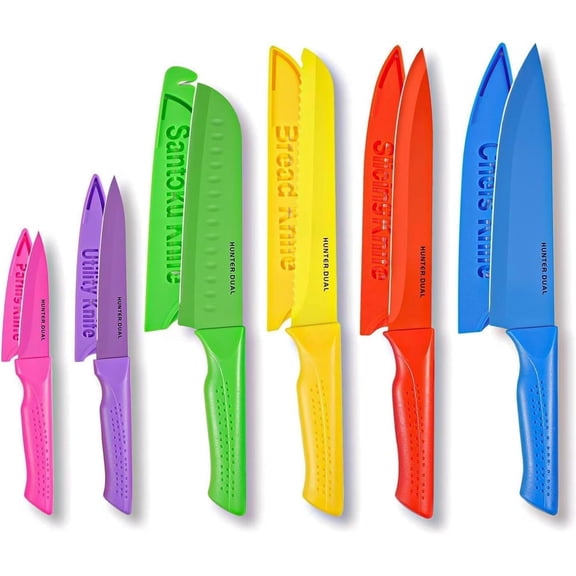
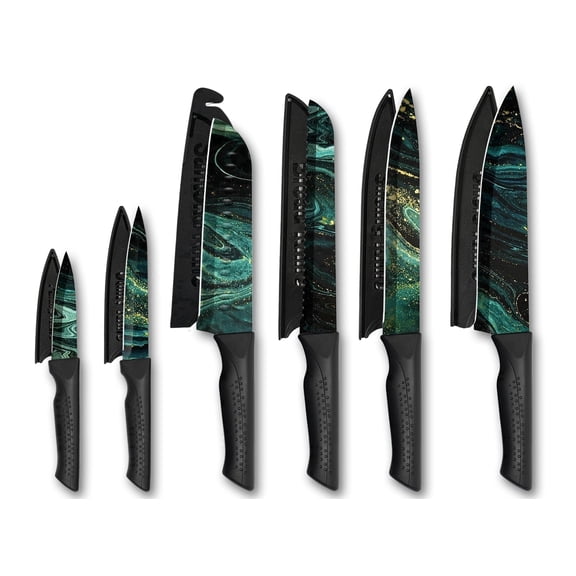
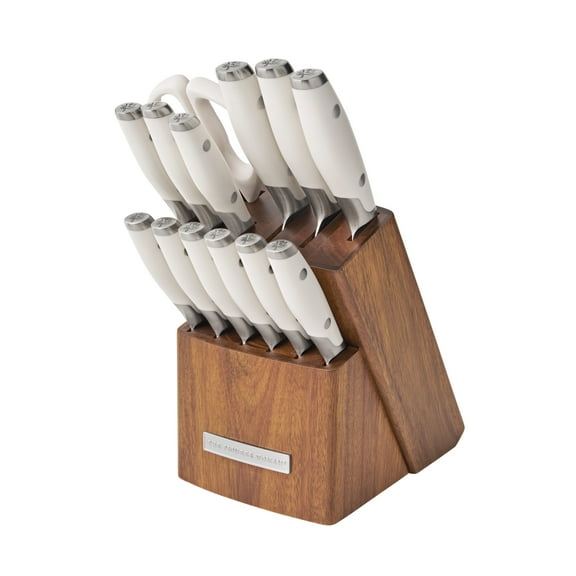
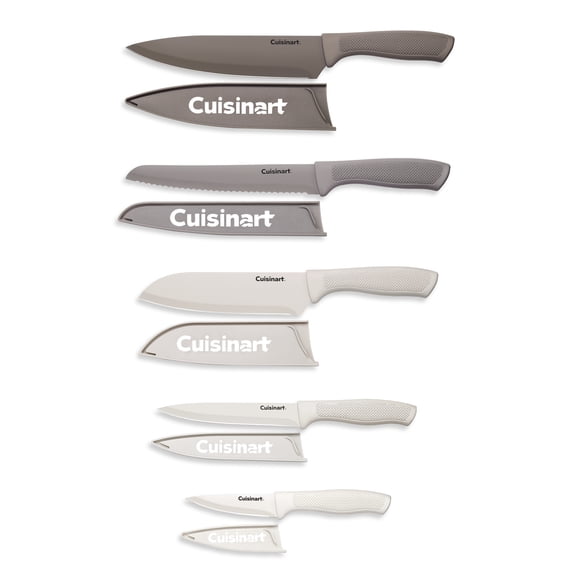
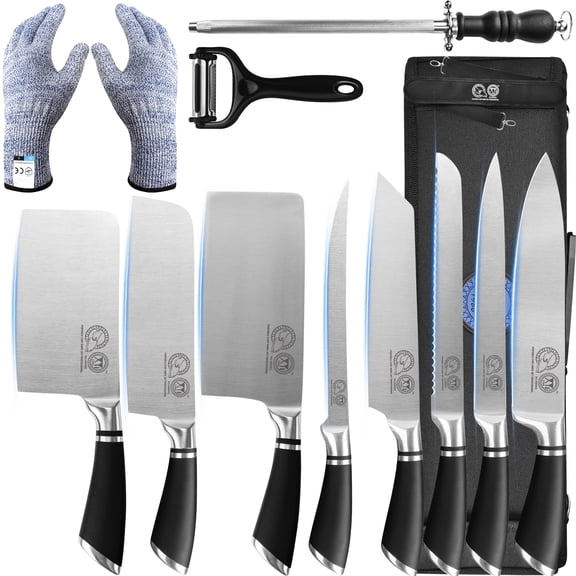
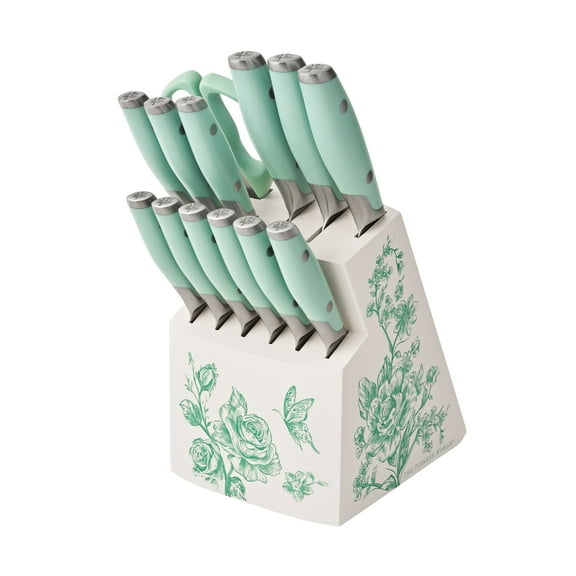
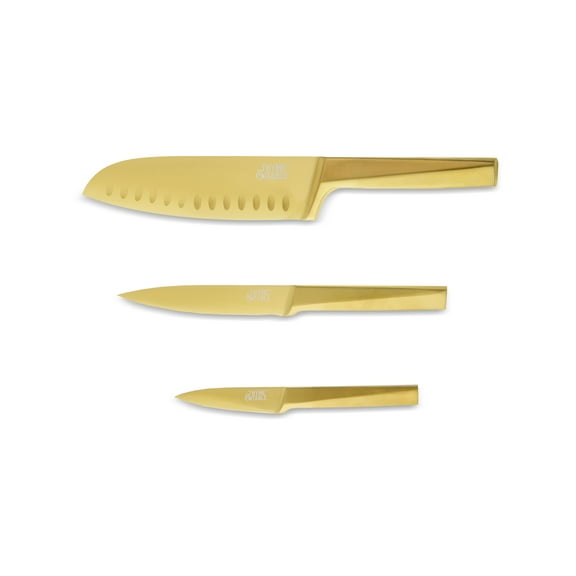
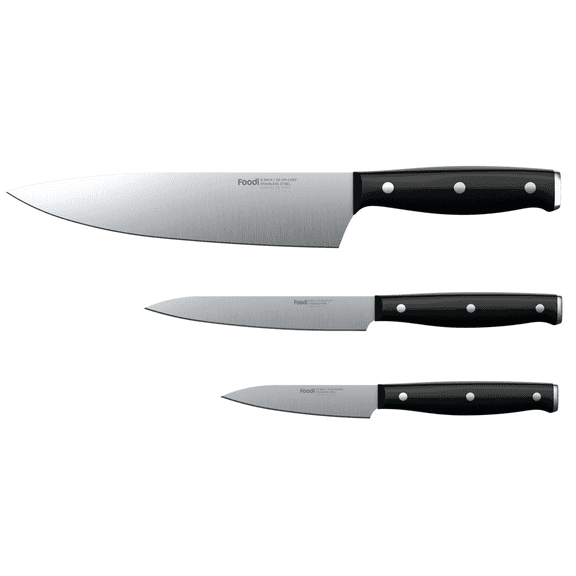
If you’re building a full prep station, you can also coordinate with paring knives, knife blocks, and sharpeners. You’ll create a more complete setup for slicing, trimming, and daily storage.
What to look for before you choose chef’s knives
You should measure your cutting style first, because the right knife feels natural from the start. You can compare blade length, style, and tang construction before focusing on visual details.
You’ll get more from this category when you match the knife to your ingredients and prep habits. You can choose a chef’s knife that fits your kitchen workflow and keeps every cut controlled.