

Crayola Clay & Modeling Clay Compounds | Walmart














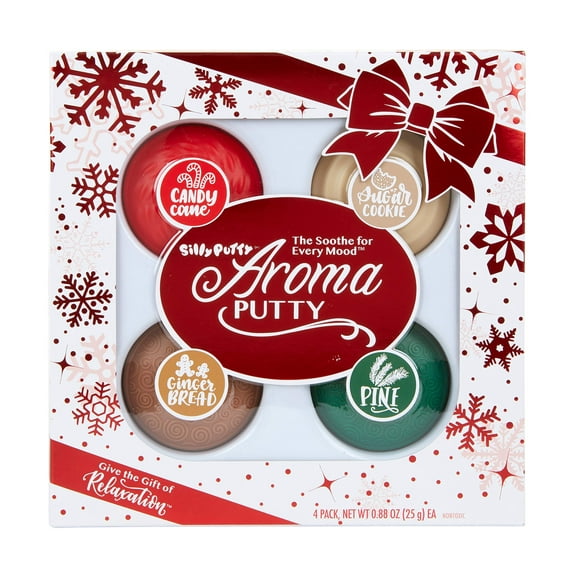
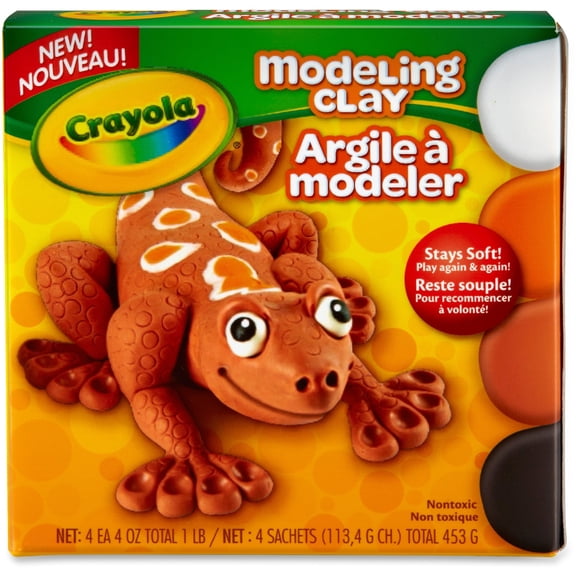
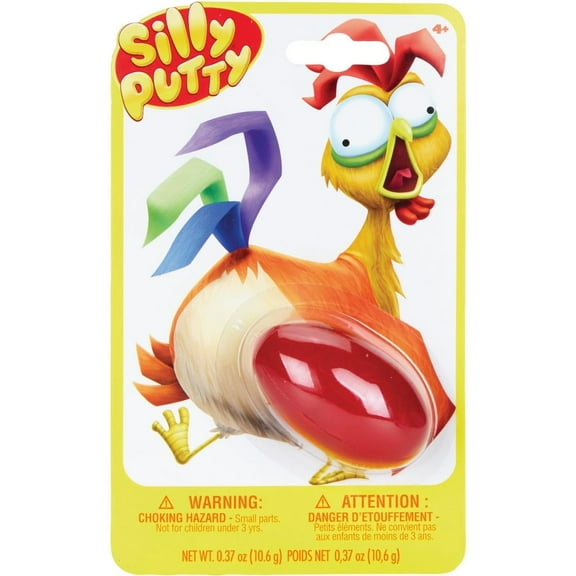
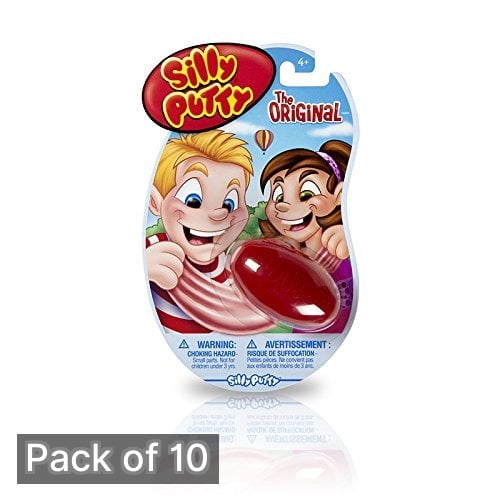


About Crayola Clay & Modeling Clay Compounds | Walmart - Walmart.com
Crayola clay helps you match creative projects with the right compound, colors, and tools for your household. You can compare reusable options, air-dry formulas, and kits for school crafts, rainy afternoons, and hands-on art time.
As you choose for different ages, you can focus on texture, cleanup, and whether your project should stay soft or dry firm. You can also narrow your choice by color packs, paintable finishes, and tool sets that support shaping details.
How to choose Crayola clay by type
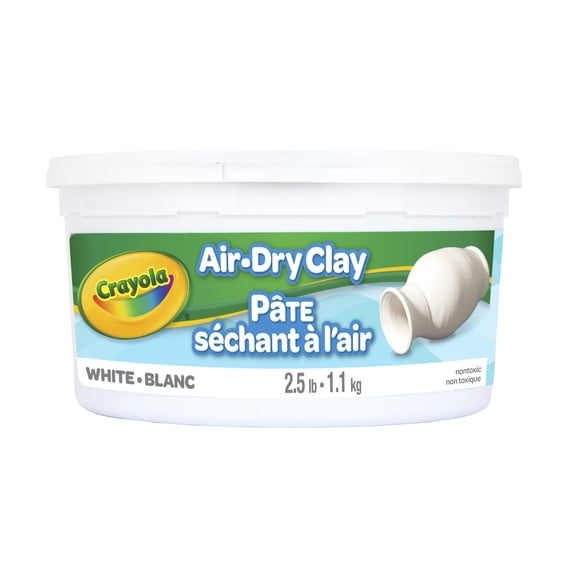
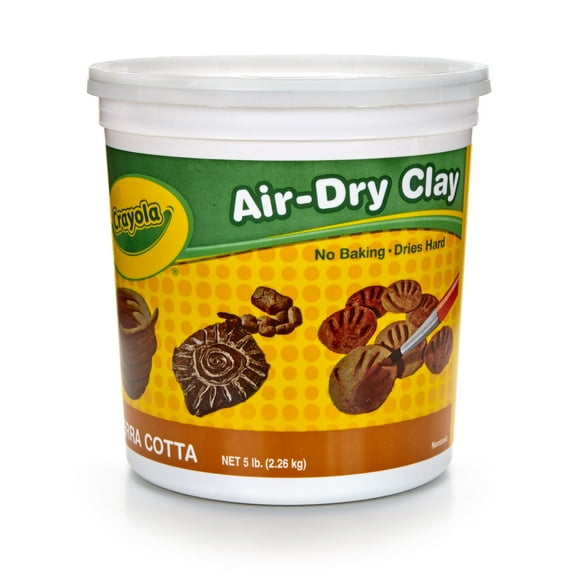
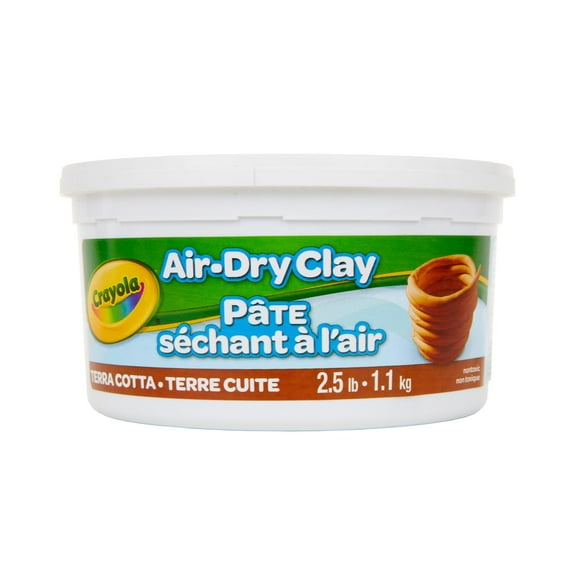
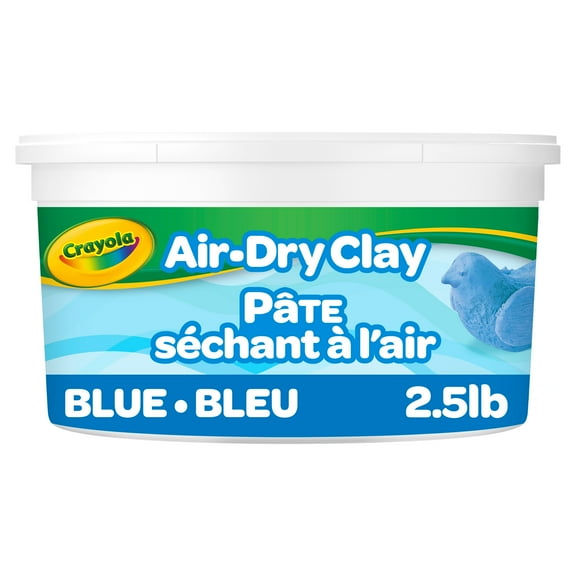
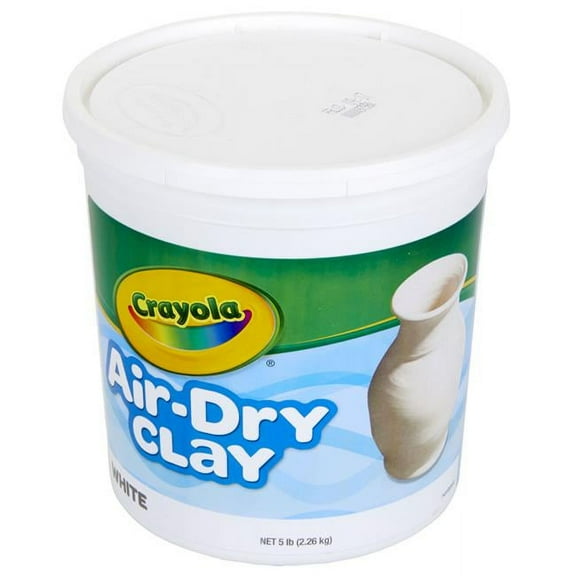
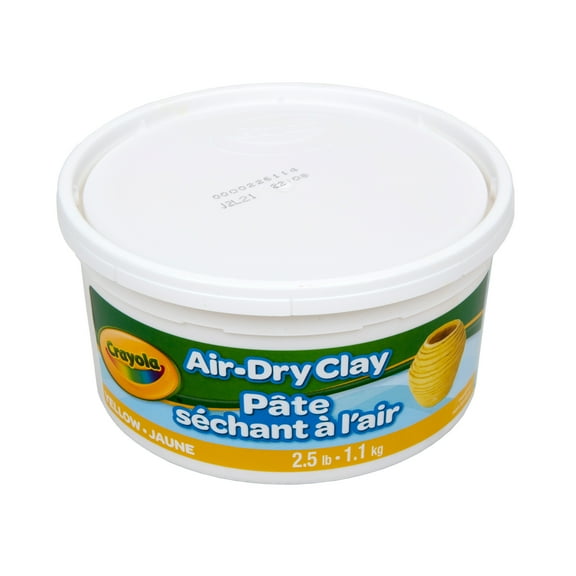
You should start with clay type because drying method changes how your project works. You can use air-dry clay when you want shapes to harden and stay on display.
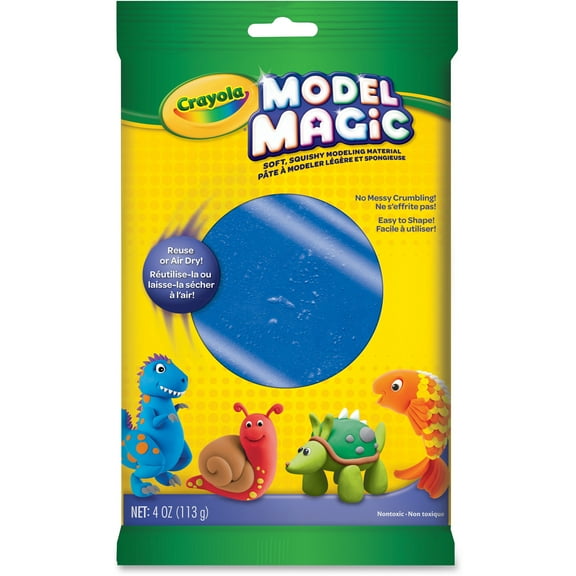
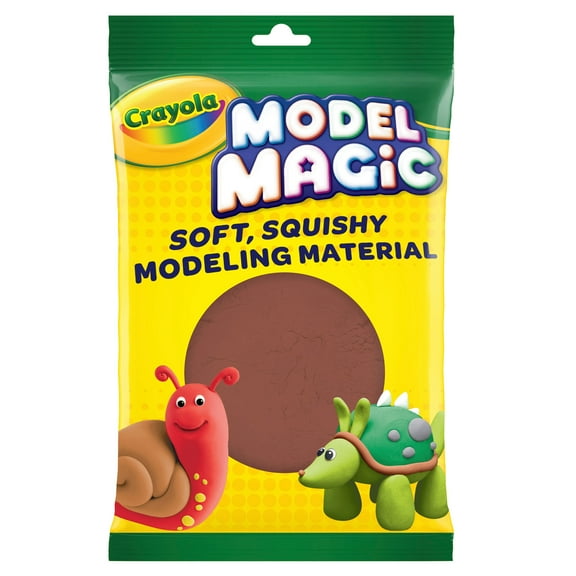
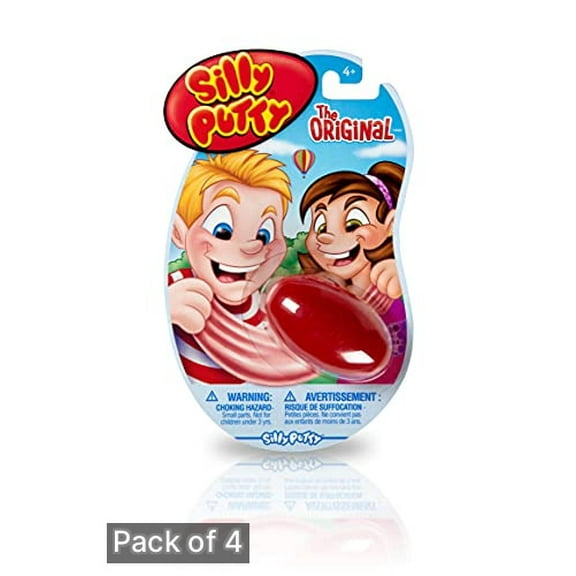
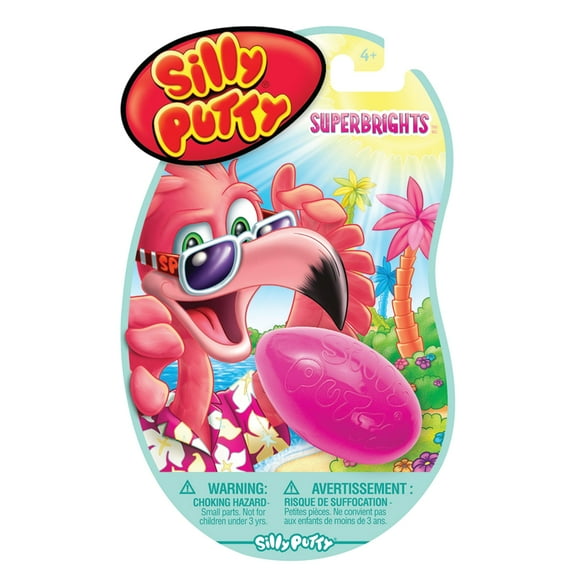
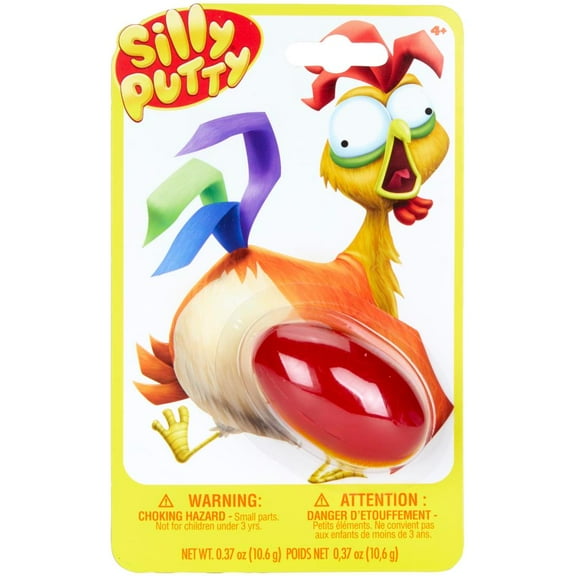
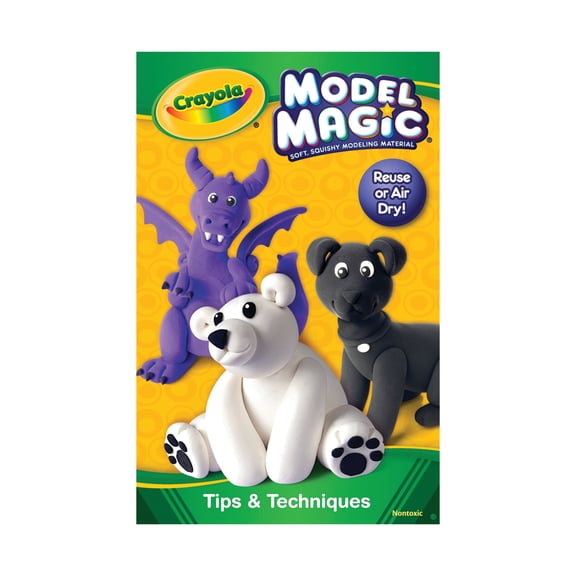
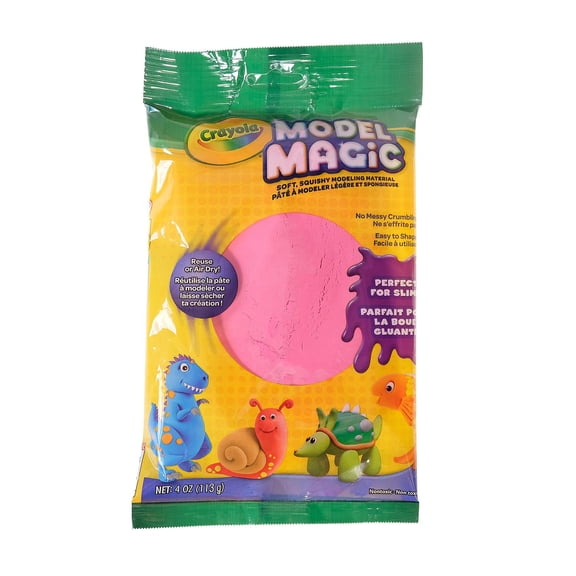
For projects you want to remake later, you can compare non-hardening plastilina modeling clay and Model Magic. You may prefer these options when your kids like building, flattening, and reshaping figures often.
As you compare clay crayola options, you should also check texture and finish. You can expect air-dry choices to feel different from soft, reusable compounds during sculpting and storage.
- You can choose air-dry clay for ornaments, display pieces, and paintable school projects.
- You can choose Model Magic when you want a lighter feel and easy shaping for younger makers.
- You can choose plastilina modeling clay when you want reusable sculpting that stays workable.
- You can compare crayola polymer clay options when you want firmer detail work for hobby-style projects.
Choosing format and crayola clay kit options
You should compare format next because packaging changes setup time and sharing. You can pick kits with tools when you want guided projects and shaping accessories in one box.
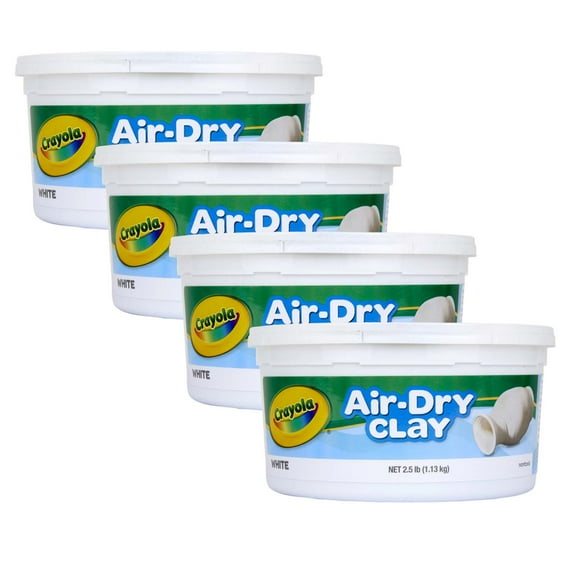
For group crafting, you may prefer bulk buckets or assorted packs for classrooms and parties. You can choose individual color packs when you need a specific shade for a planned model.
Storage matters after opening the package, especially during repeat craft sessions. You can keep reusable compounds organized more easily when the format separates colors and includes containers or trays.
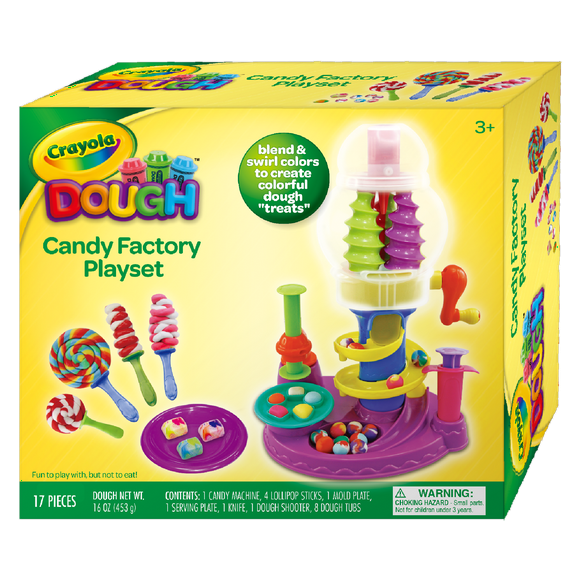
When you want quick project starts, a crayola clay kit can simplify prep. You can move from opening the package to shaping animals, letters, or mini sculptures with fewer extra supplies.
What to look for in crayola modeling clay
You should match the compound to the age range because texture affects control. You can look for softer, easier-to-press options when younger kids are still building hand strength.
For school-age creators, you may want more detail and color variety for class assignments. You can compare firmer compounds when your projects need cleaner edges and more defined shapes.
Cleanup expectations deserve attention before you choose a compound. You can look for options that lift from hands more easily and stay manageable during table projects and supervised craft time.
If you're planning frequent use, you may prefer options that store well between sessions. You can keep creative time smoother when your clay stays organized, covered, and ready for the next project.
Comparing color palette and paintable finishes
You can use color palette as a design decision, not just a fun extra. You may want classic colors for school models, while neon, pastel, or glitter shades fit decorative crafts.
If you want to paint details later, you should check whether the finished piece dries firm. You can use white or paintable clay types when your project needs painted patterns after shaping.
You may also compare crayola molding clay and crayola modeling clay by visual style. You can choose bright assorted packs for playful characters or simpler tones for cleaner classroom presentations.
When you need one project to stand out, color selection matters early. You can coordinate themed party crafts, seasonal decorations, or team-color creations without mixing from scratch.
Using Crayola clay for school, home, and hobby projects
You can use these compounds for book reports, dioramas, seasonal ornaments, and homemade gifts. You may also shape letters, animals, food figures, and simple science or geography models.
If your child needs a project that dries and holds its form, you can choose air-dry clay. You can then add paint after drying when the chosen clay type supports a paintable finish.
For repeat play, you may prefer reusable compounds that don't harden between ideas. You can build creatures one day, and you can reshape the same material into vehicles or buildings later.
If you're shopping for family crafting, you should compare kits, bulk packs, and age guidance together. You can match toddler-friendly shaping, school presentations, and teen detail work without guessing across formats.
You may also look for non-toxic labeling when choosing kids' art materials. You can feel more confident selecting crayola clay for supervised creative time, classroom activities, and everyday craft setups.
With the right clay type, format, age range, and color palette, you can match the compound to your project. You get a clearer path to easier sculpting, smoother setup, and finished creations that match your plan.