

Pen+GearFIVE STARBessbestMeadONAVIAHello KittyCTCMSPBlue SkyEcokindNIRMIROBEE PAPER COMPANYDaler-RowneyDeliPearheadBAZIC ProductsAGCANCase-itTrailmakerCambridgeFeelaMintgreensixwipeSUNEESpark Create ImagineXuniiznOMEYAVEEBOOSTDenhfNintendoJUMIKLLQCOMIXRite in the RainUnbrandedClass Act ScrapbookingTOPS ProductsPentalicipoulU BRANDSBlecryYhmxhMintraBedwinaSUMAJUALKALOMintra HomeE-Clips USAFurenlKOKUYORocketbookRosmondebifavgkTimetomeViVinMoleskineMiquelriusLksixuTopsBeechmore BooksmyPAPERCLIPSchool Supply BoxesKilougeisOffice DepotQocolcylSSNTSYTilibraCreative HobbiesBluelinePYPESEEWYKomal's Passion LeatherLZYMSZGZSZGIQToolixReskidD3 CasemateTOPRenddonBAOQINBraoneeStitchAmpadBottota PublicationLEGOYmortalizeBetter Office ProductsWEMATELONELY OAKHorizon Group USAYUSSCrayolaU.S Tool HomeTahtuvznMNSRUUUZEVCSAJSTELNEWziyaaaScribesenseAlazawobogoQPZFQYEumbyealhaosyFound Image PressiauyyNOBRAND3dRoseFunny NotebooksFORMRSVyadrielGenericUxcellSolivarawobogosCreative Shapes Etc.CCOCCyggoFabrianogoojooTTYDDZYFOMIYESOREZIWild Pages PressFlame Tree PublishingCansonRwg PublishingRhodiaPinnacle Novelty PublishingYolie DavisPTOOTPWanceulen NotebookIndependently PublishedThe CoiZenaLYINGFStaplesGBAYXJDesign IdeationPaconCoolmennotes PublishingPaperblanksGraeme JenkinsonOuliiPink SweetheartYEESHUHandySpaceLOLIPPYYBESTYASHPURPLEBIRDTop FlightMaster CraftStrathmoreChenZYDelfonicsFun ExpressWEUVEBLandwirt NotizbucherGerda WagnerCraftsmanship SpiritAndrews McmeelCagnkofiNotebook Quotes NotebookRoaring Spring Paper ProductsYSKINGLIKOPNGYIPYuniey PublicationOunonaShangbanxuanElise GarciaStillman & BirntuvgenkHCTSHGHytroveVOYOAOAoyunhpPAMINGONOUYWZKDEEPCRAFFHAMPPLIESMarumanGBJHJIAPPKVUFDSteadfast BiblesGcvizusoNkmbldCOMPUKASFeng Shui ImportHgtdukMF MENTAFLOWZPSWUAIKitchenCraftIbaseniceKristen DiazTenbook VokabelhefteUYWZYiPOGPtigedHachette Livre BnfMeiixWorkLife BrandsChristian Art GiftsInsights





Get it todayComposition notebooksSpiral notebooks1 subject notebooks3 subject notebooks5 subject notebooksFive Star notebooksMoleskine notebooksNotebook multipacksJournalsNotepadsPrimary Composition NotebooksA5 notebooksPocket notebooksLeather notebooksSteno padsGraph ruled notebooksRocketbook notebooks
Notebooks & Pads in Suministros de Oficina
Uses item details. Price when purchased online















































About Notebooks & Pads in Suministros de Oficina - Walmart.com
Get ready for a focused, organized year with notebooks and notepads that fit your school or college routine. Whether you're packing for your first class, tackling a busy college schedule, or managing daily office lists, Walmart has the note-taking essentials for your journey.
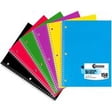
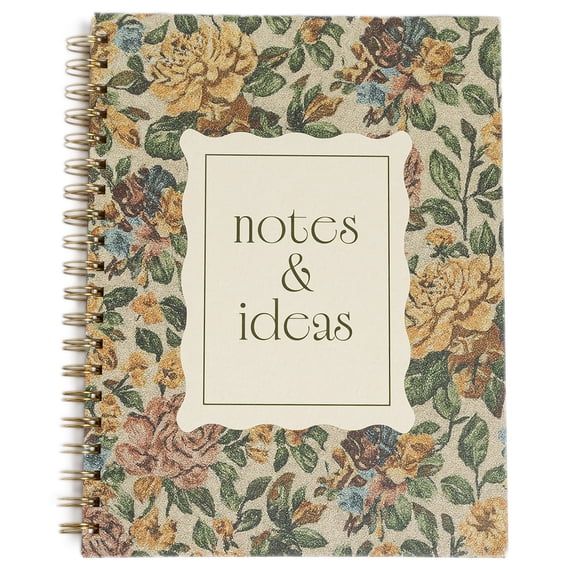
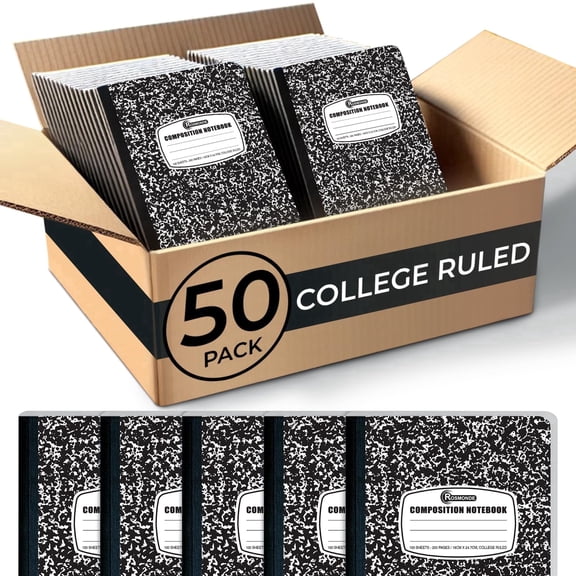
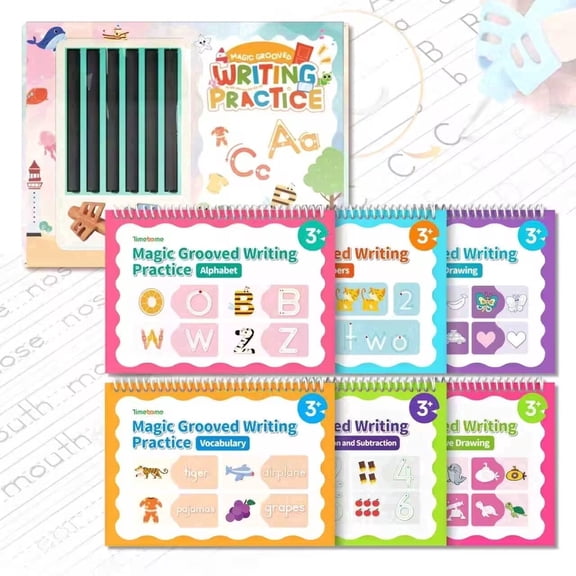
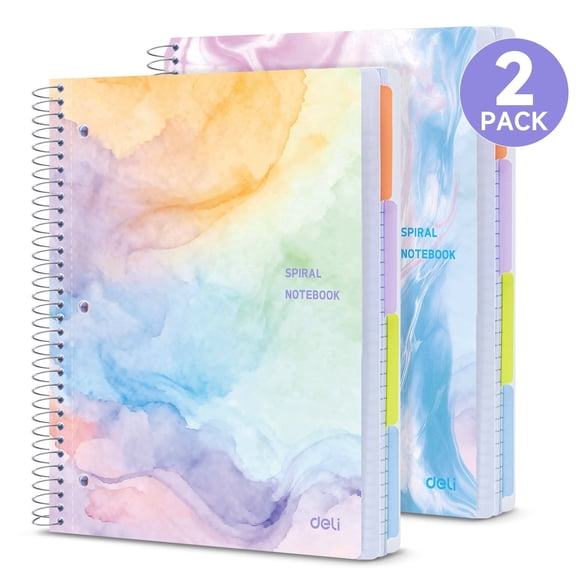
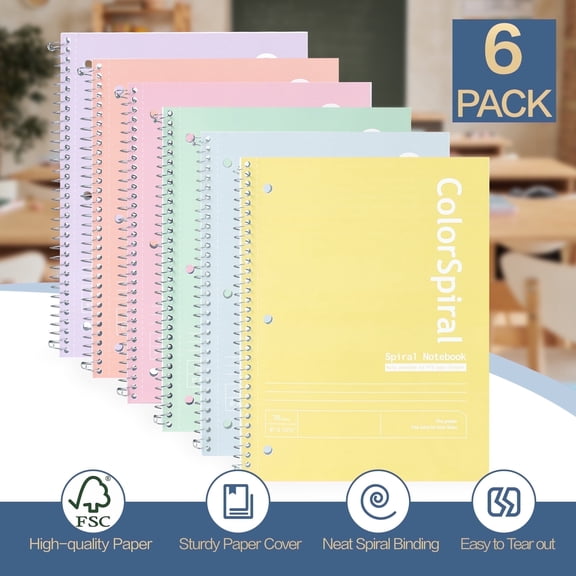
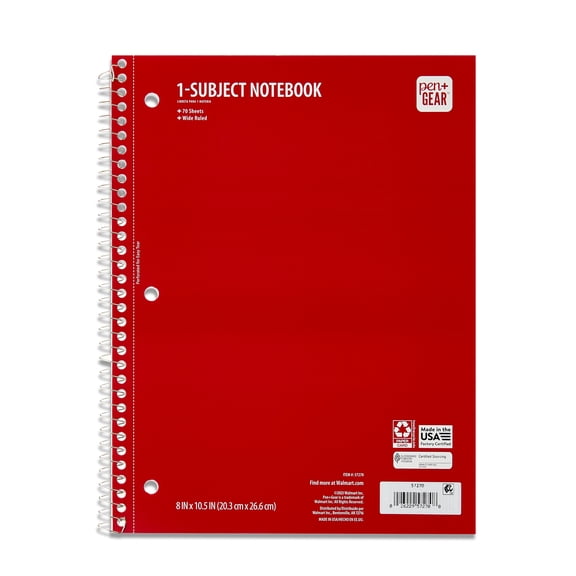
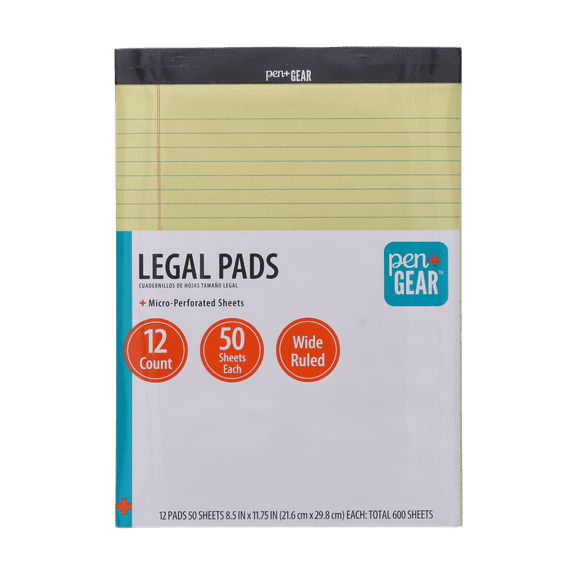
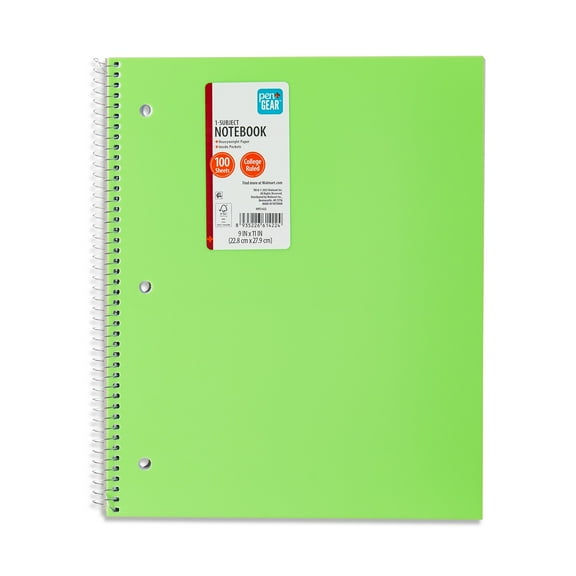
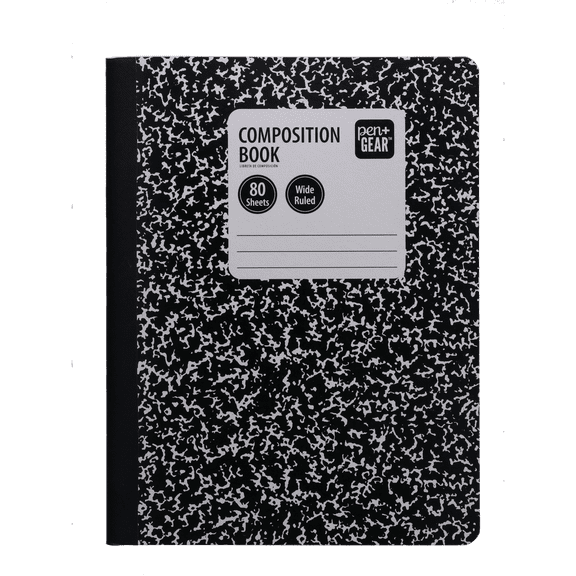
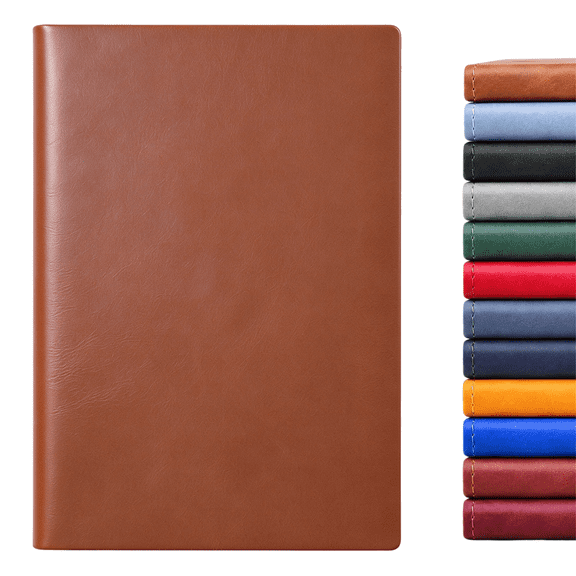
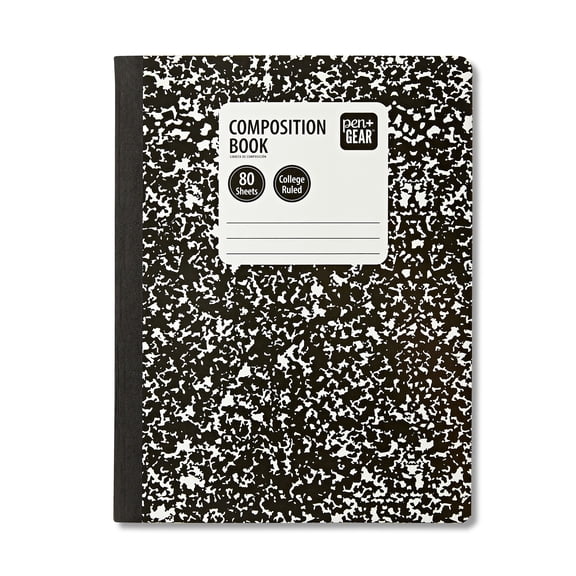
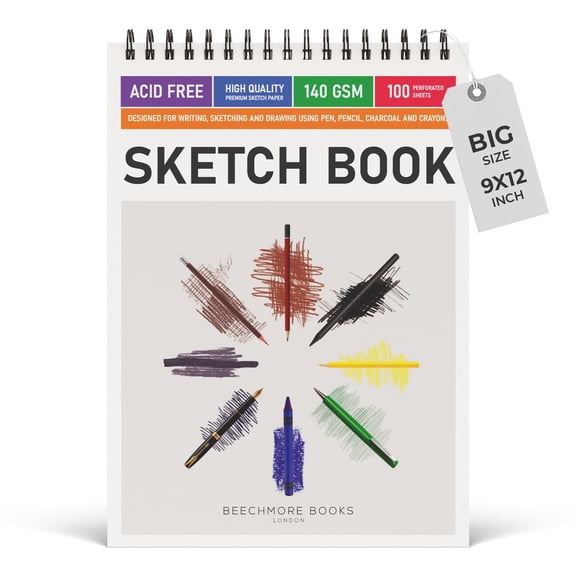
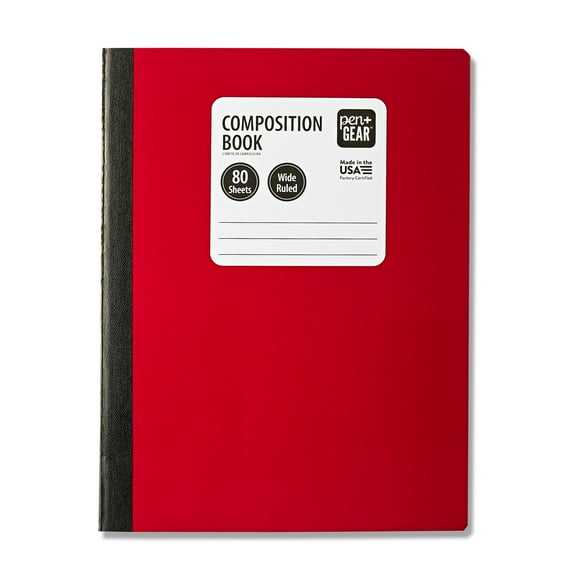
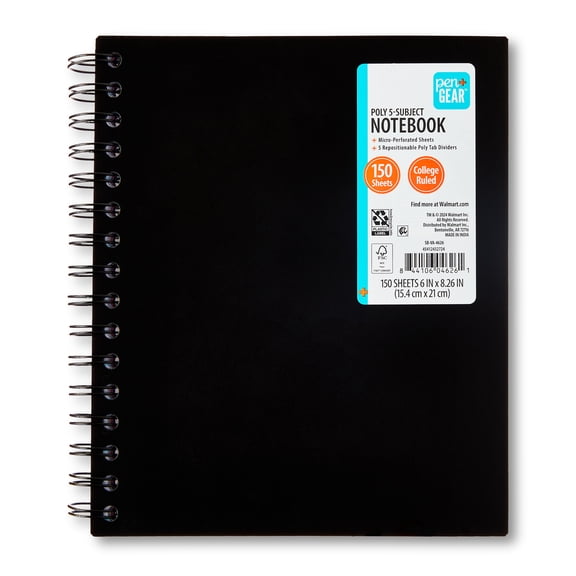
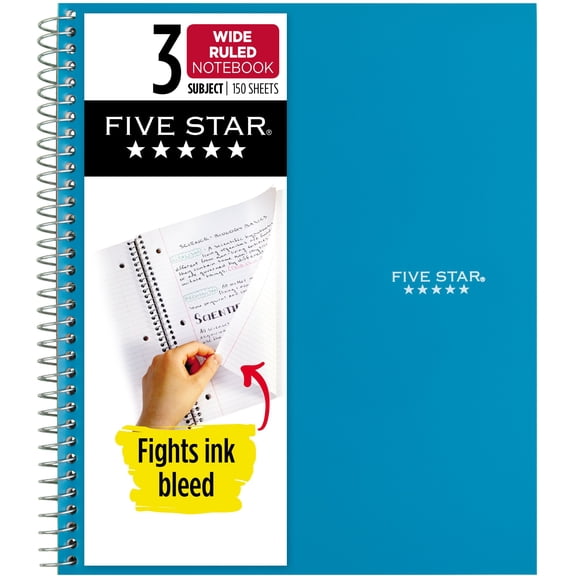
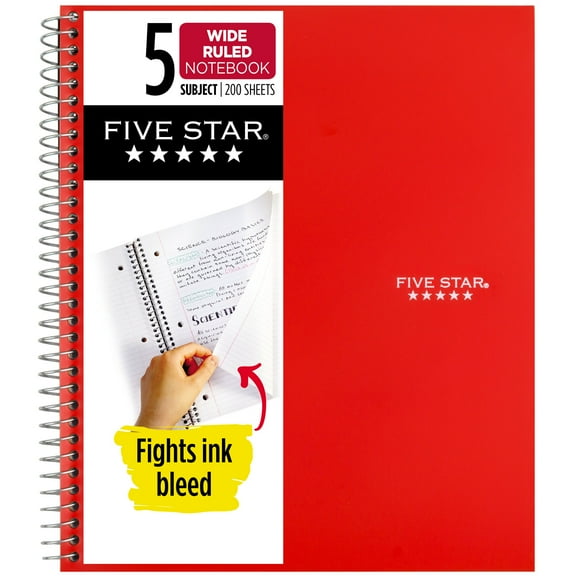
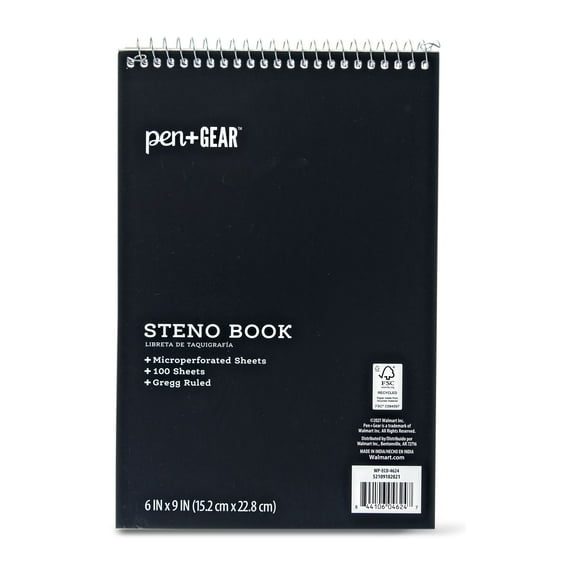
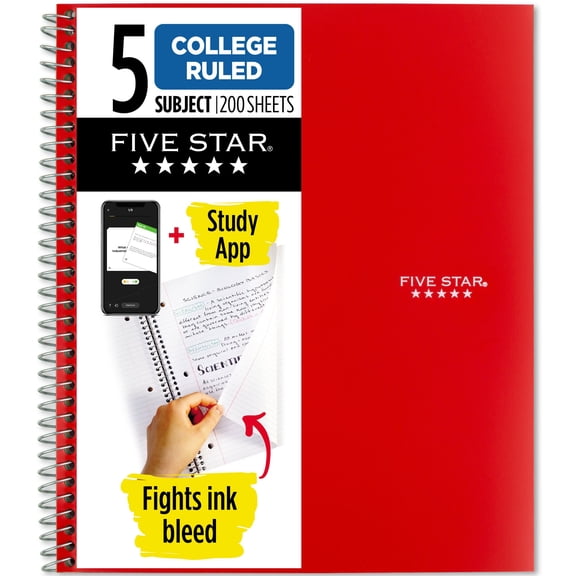
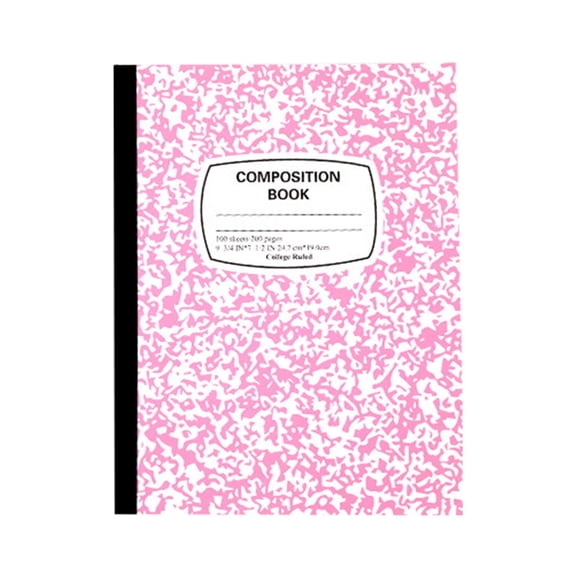
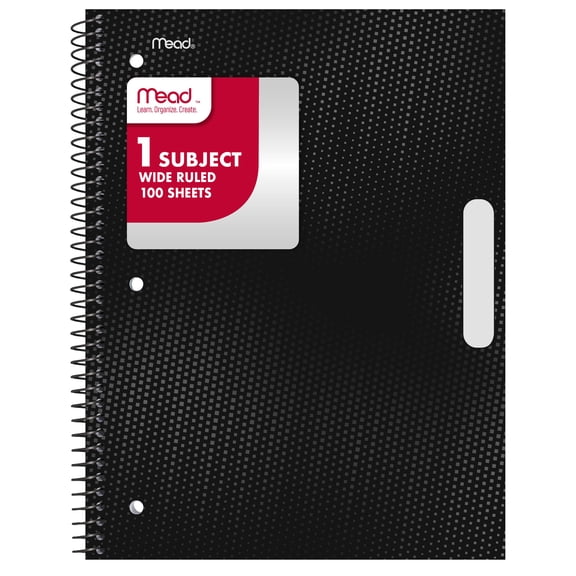
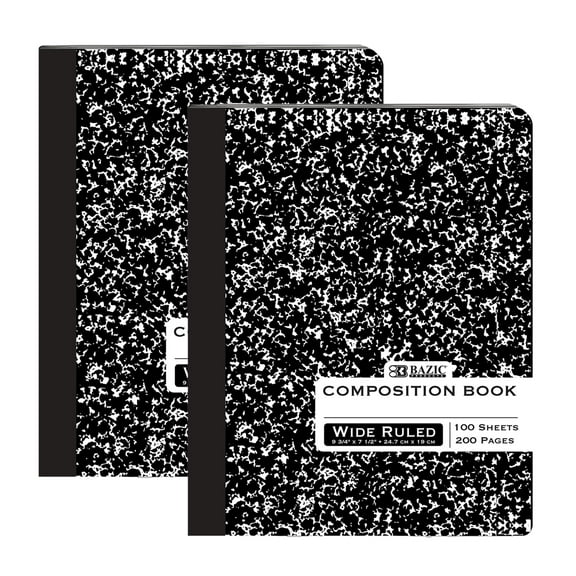
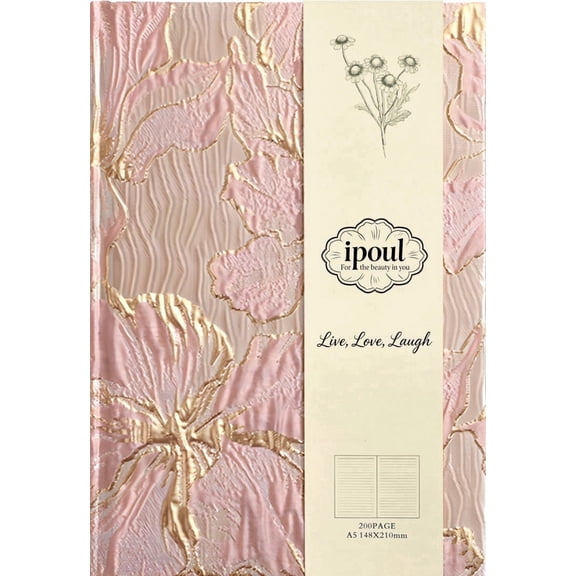
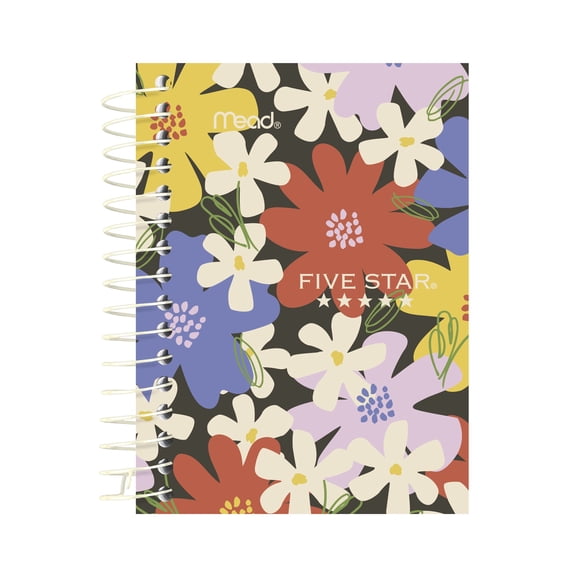
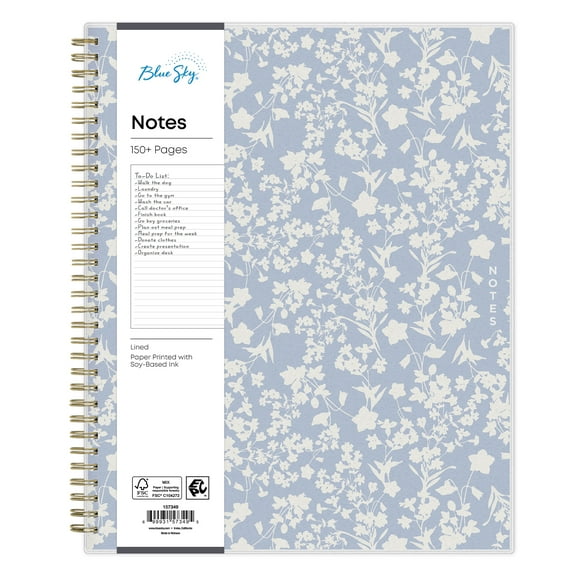
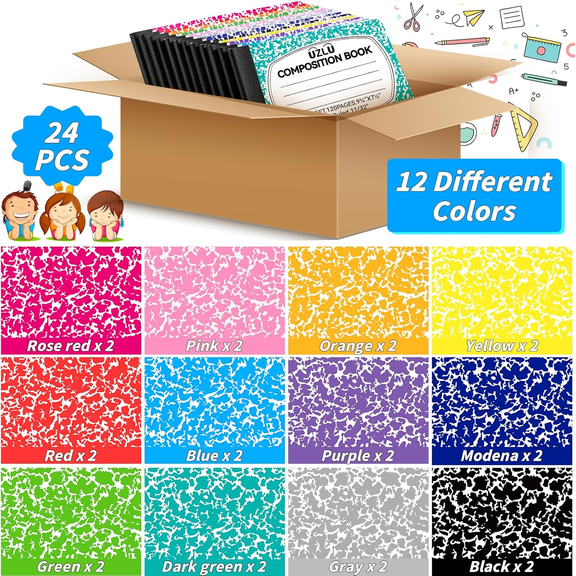
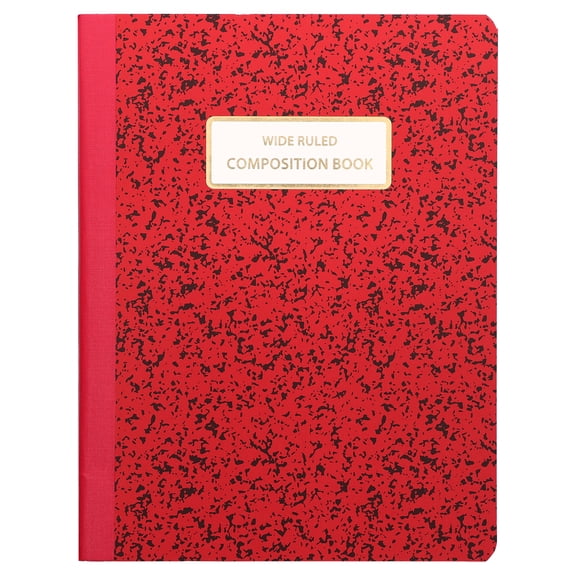
- Find your perfect style: Discover spiral notebooks, composition books, and notepads in a range of colors, covers, and sizes to match every class schedule and writing preference.
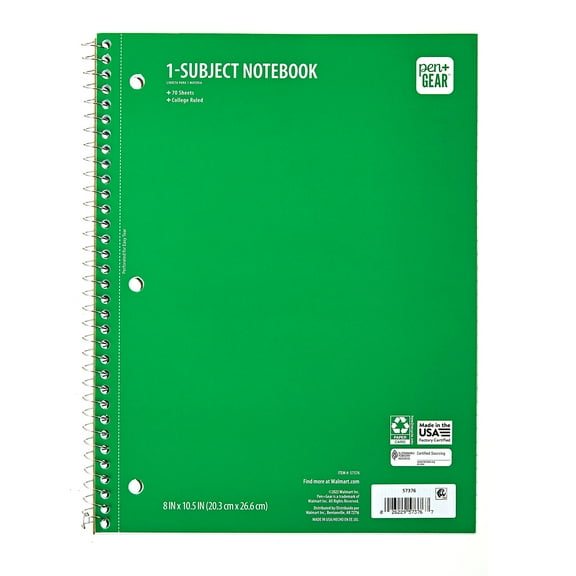
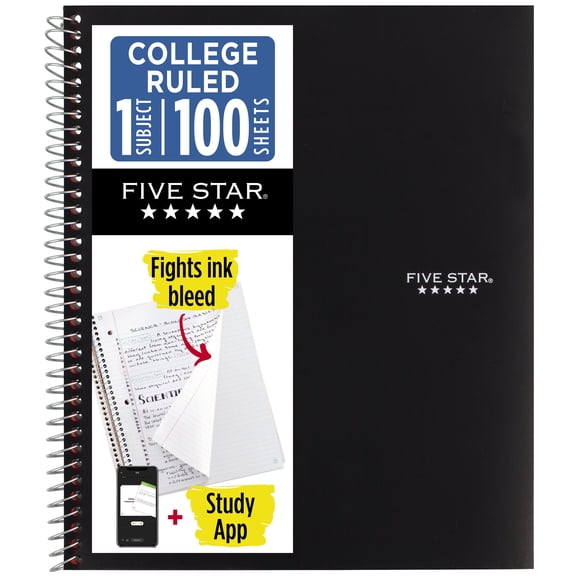
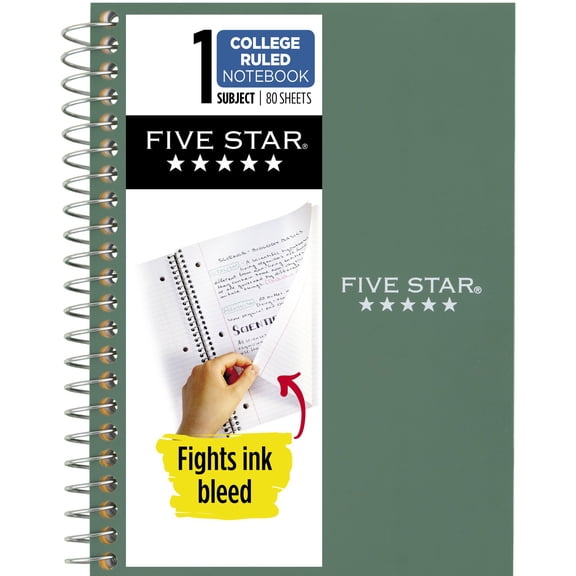
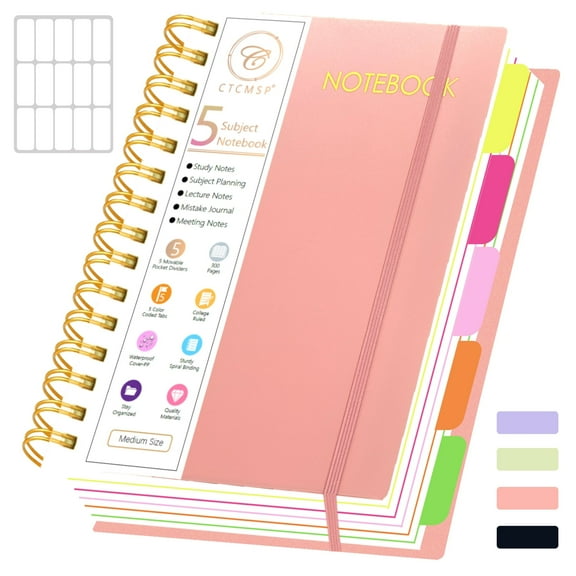
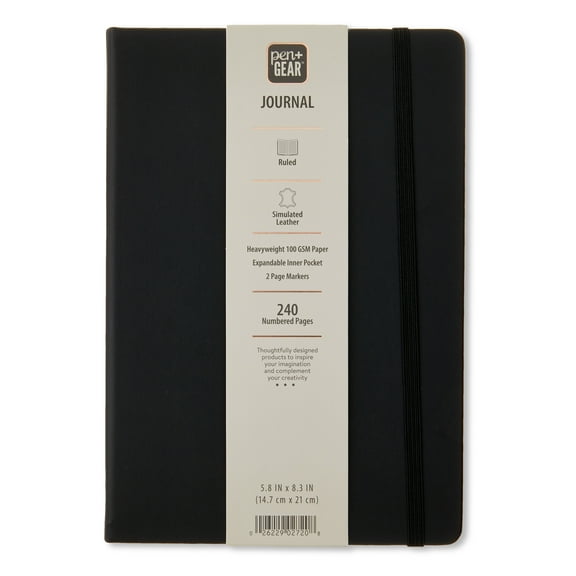
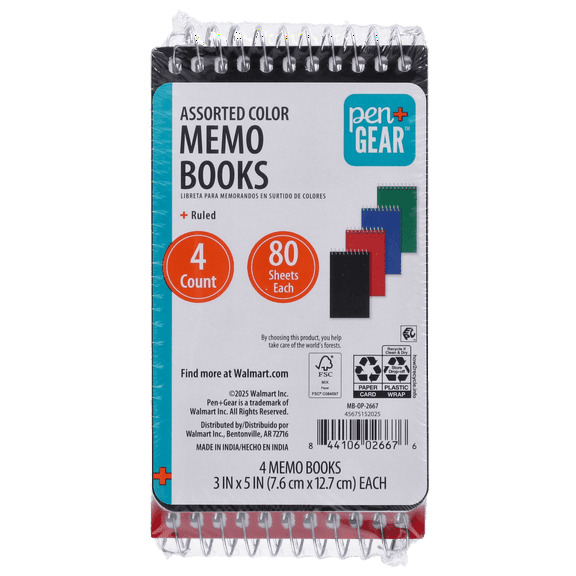
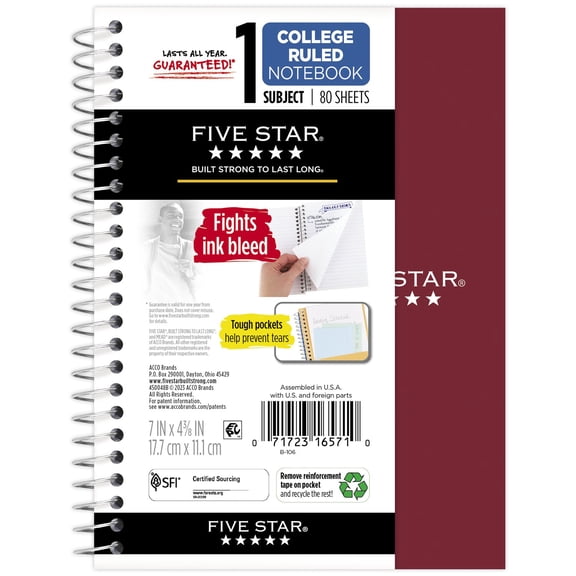
- Stay organized for any subject load: Choose from 1-subject notebooks for focused projects, multi-subject notebooks for a full day of classes, or portable journals to keep ideas on hand wherever learning happens.
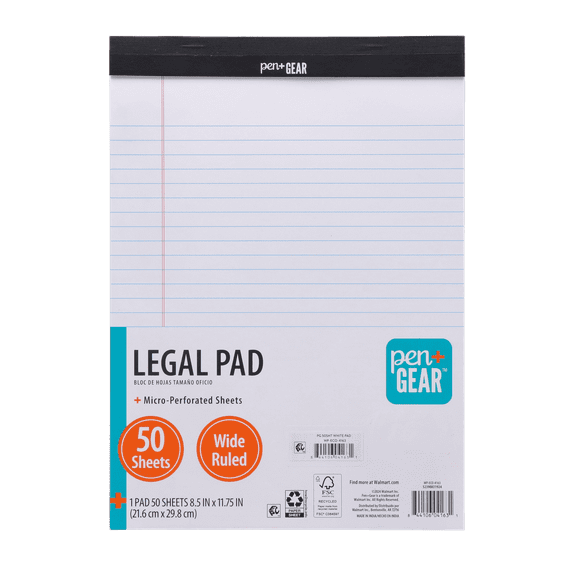
- Shop by rule spacing: Pick college ruled for detailed notes, wide ruled for clearer handwriting, or graph paper notebooks for sketching charts and working through math problems.
- Quality that fits real routines: Select from sturdy poly and paperboard covers designed to hold up in backpacks, desk drawers, or meeting rooms, keeping notes protected all term long.
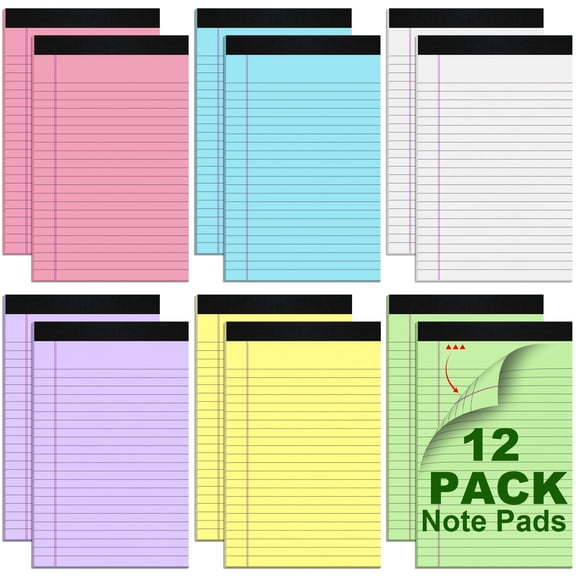
- Bulk and multipack convenience: Stock up with notebooks in packs or opt for single options—perfect for personal use, supply closets, or sharing with study groups and teams.
- Ready for fast pickup or delivery: With Walmart, you can order your back-to-school or college notebooks and pick them up today or have them shipped to your door so you're ready before the first bell.
Prep for back to school or the next college semester with confidence—Walmart's selection of notebooks and pads makes organizing assignments, projects, and inspiration easier from day one. Find everything you need for school, office, or on-the-go creativity in one stop.