







All Car Seats in Car Seats


















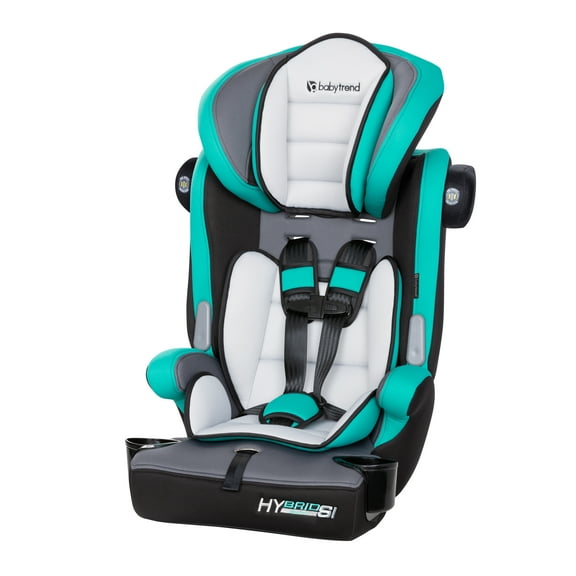


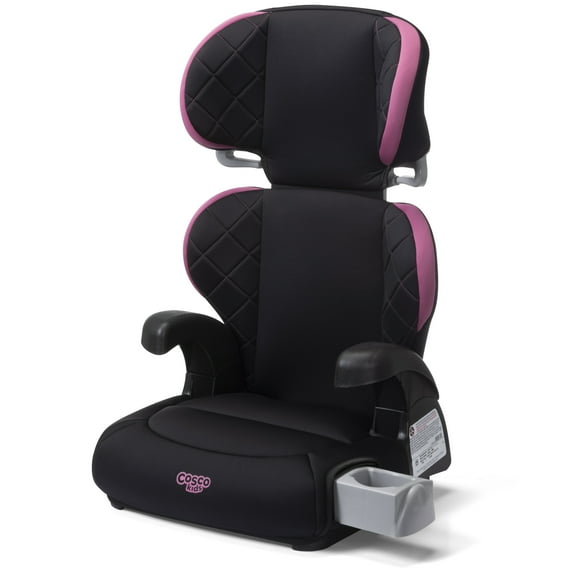


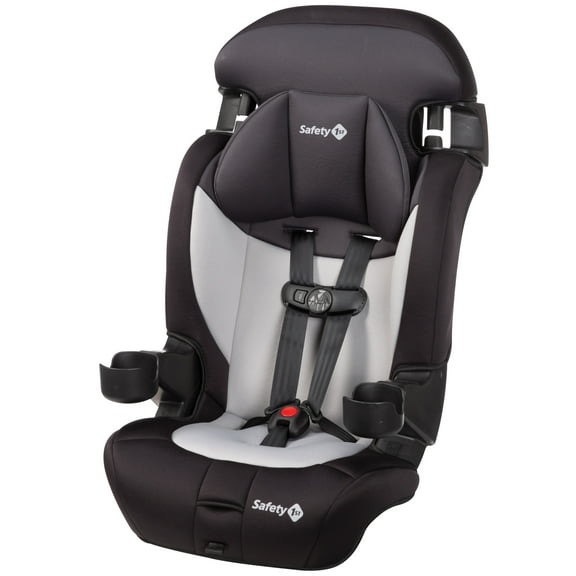


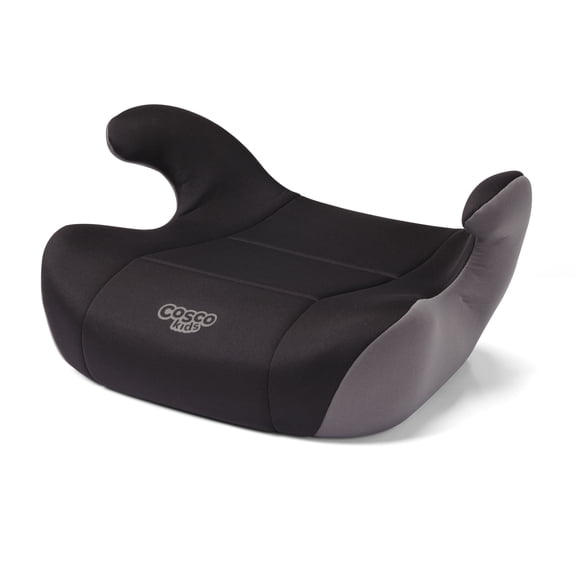





















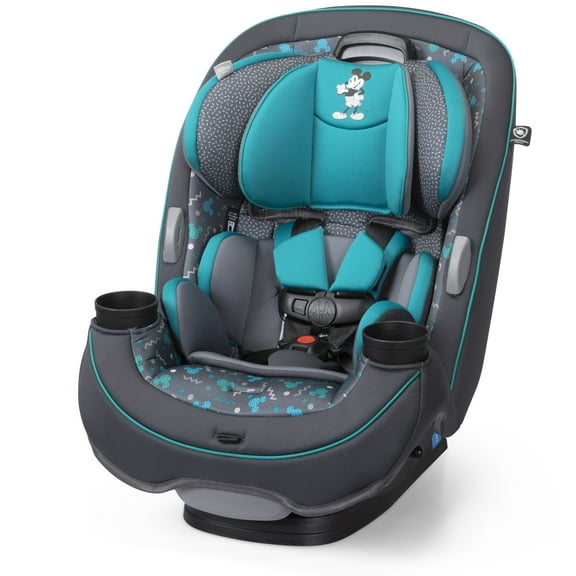


About All Car Seats in Car Seats - Walmart.com
You can compare car seats by stage, installation method, and fit, so your child rides comfortably and your vehicle setup stays simple. You’ll also find options for newborn travel, toddler transitions, and big-kid seating in one category.
How to choose car seats for your child’s stage
You should start with your child’s age, height, and weight limits before you compare styles. You’ll narrow your options faster when you match those measurements to the seat’s stated range.
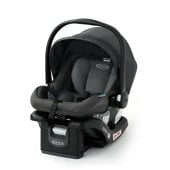
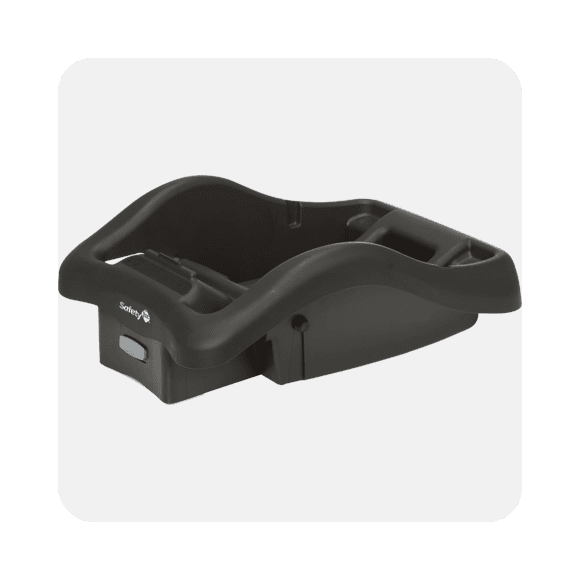
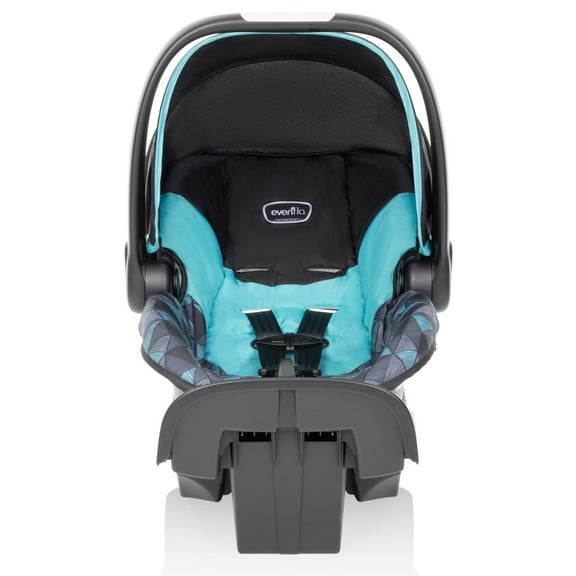
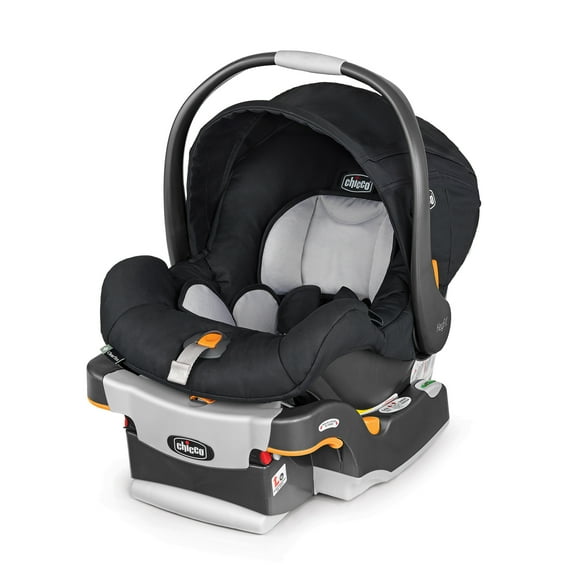
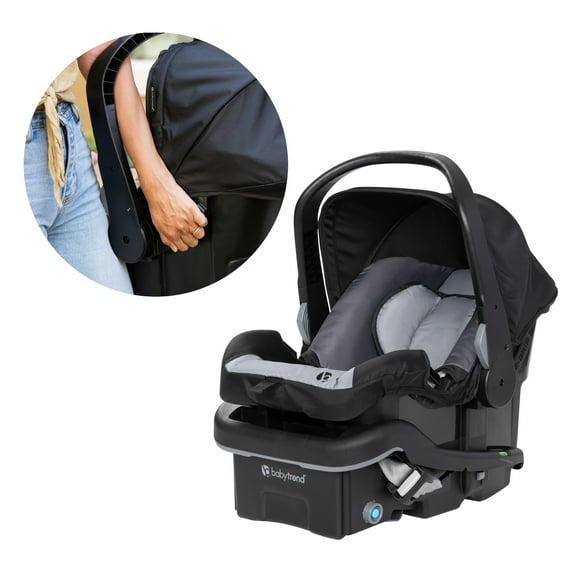
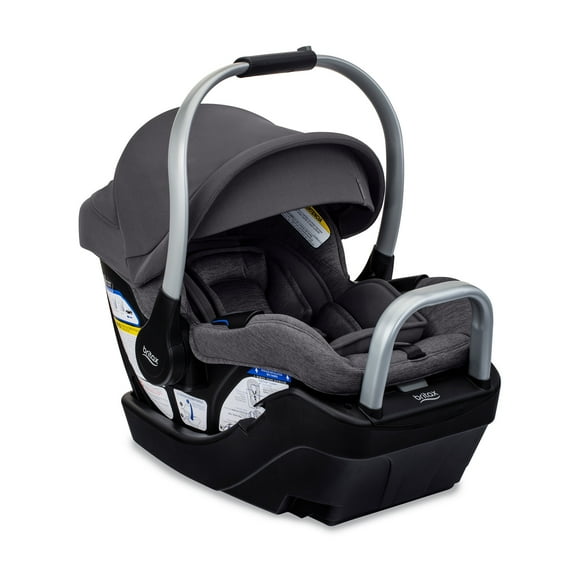
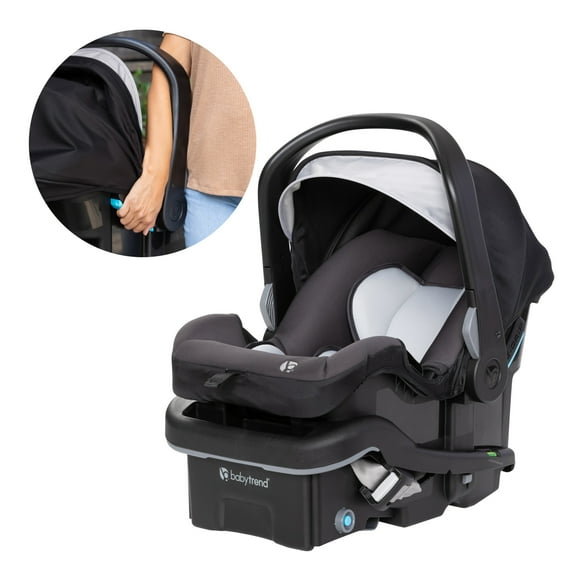
If you’re shopping for infant car seats, you’ll usually want a rear-facing design for early rides. You may also look for a removable carrier that moves from your vehicle to your stroller system.
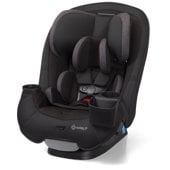
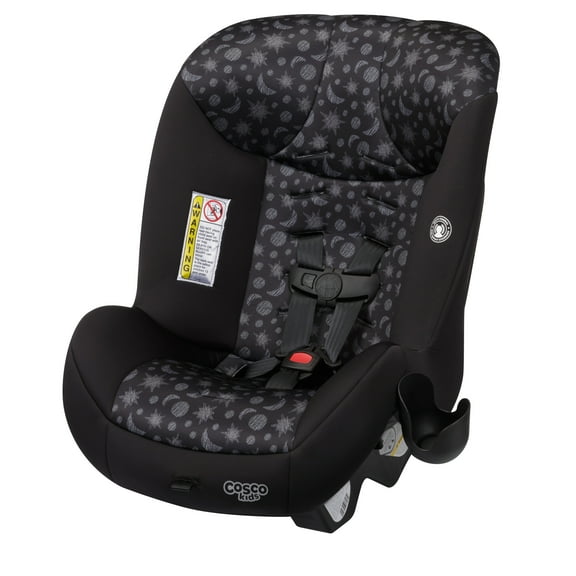
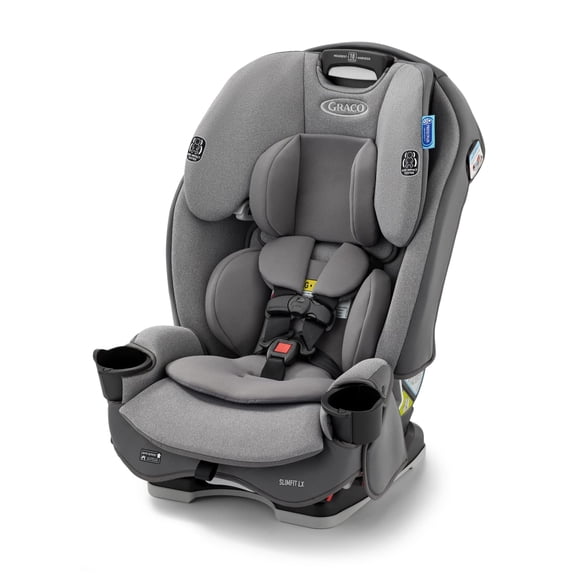
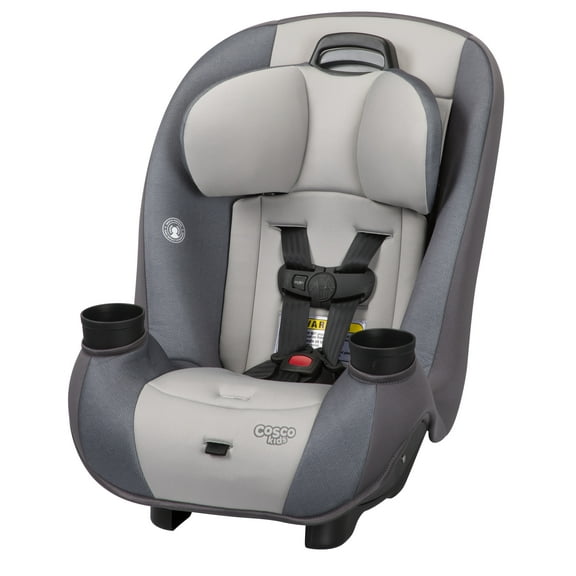
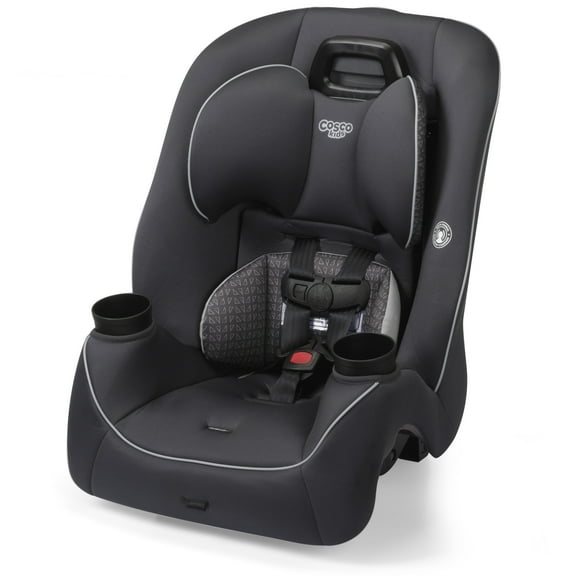
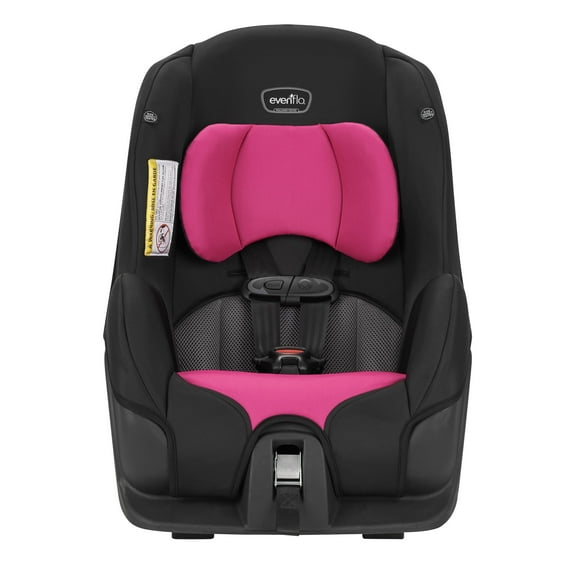
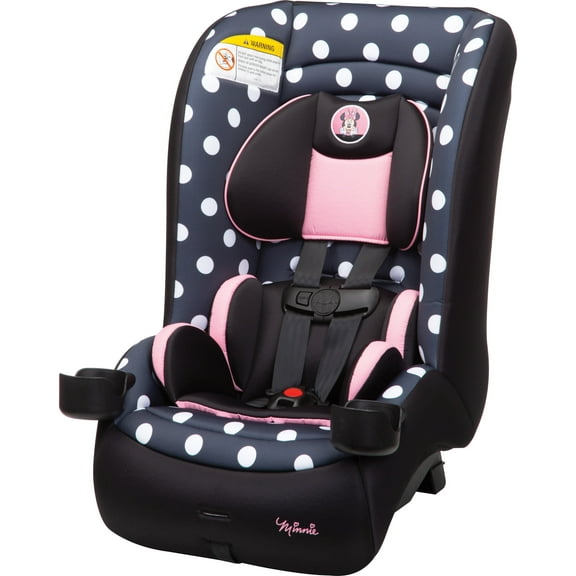
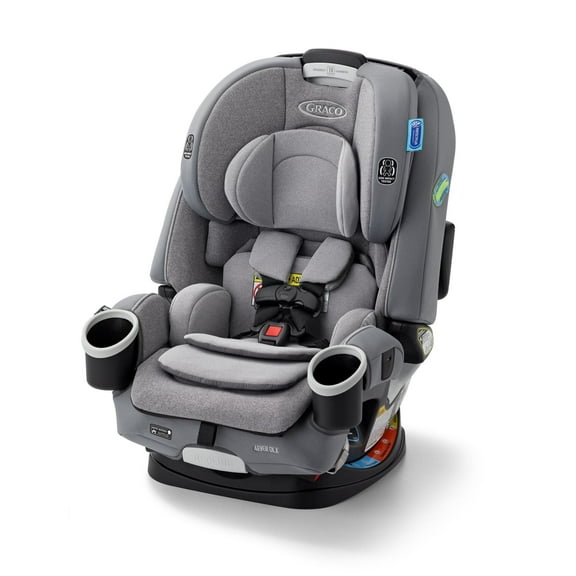
When you need a longer-term option, convertible car seats can shift as your child grows. You can use many models rear facing first, then forward facing for later stages.
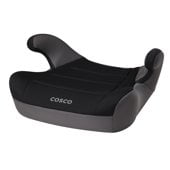
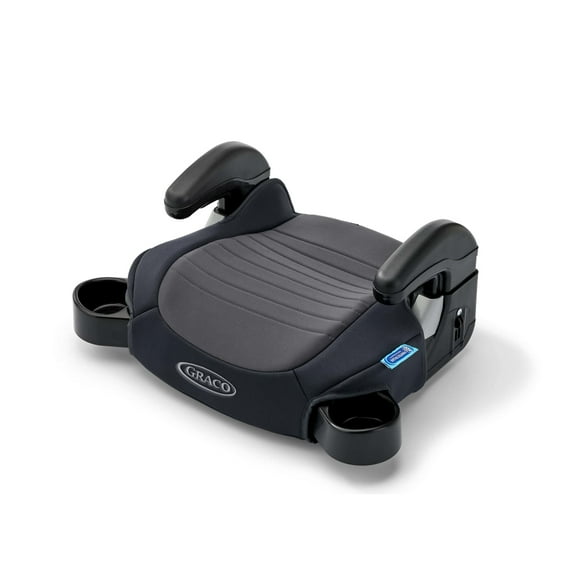
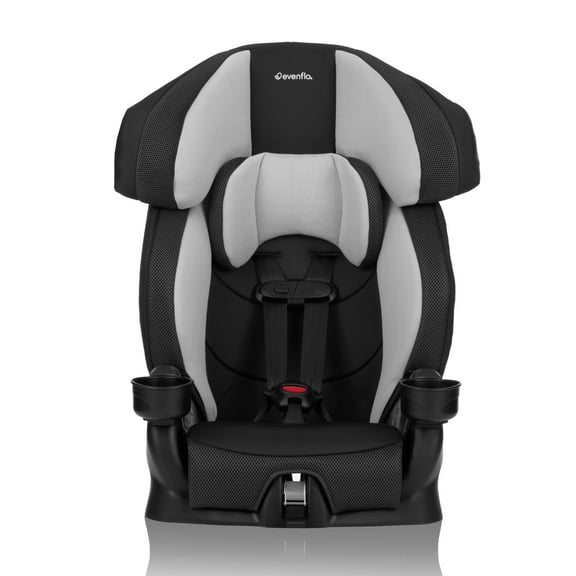
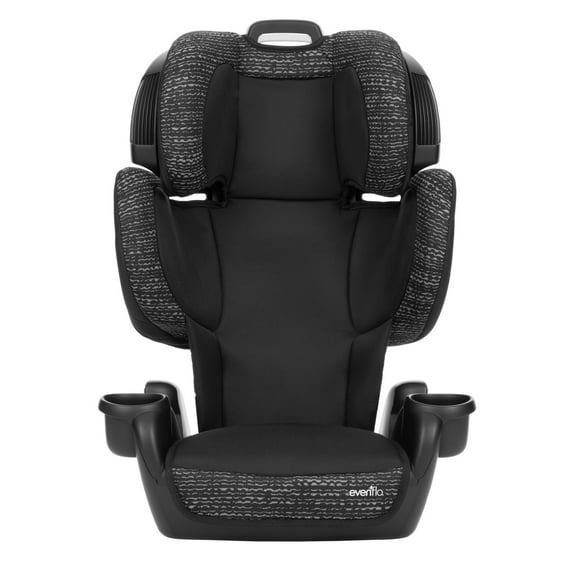
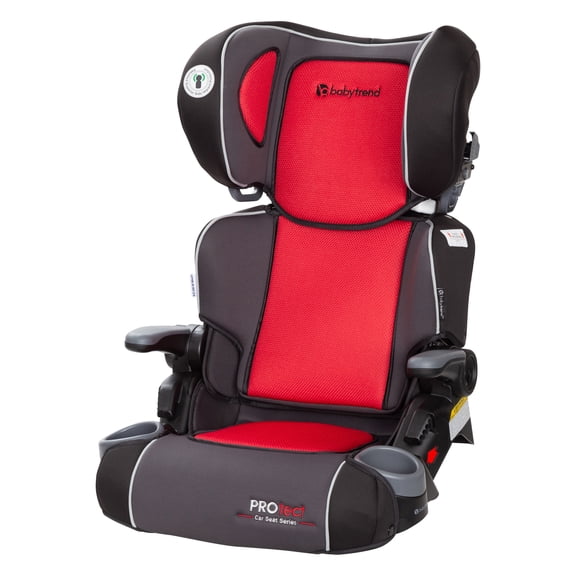
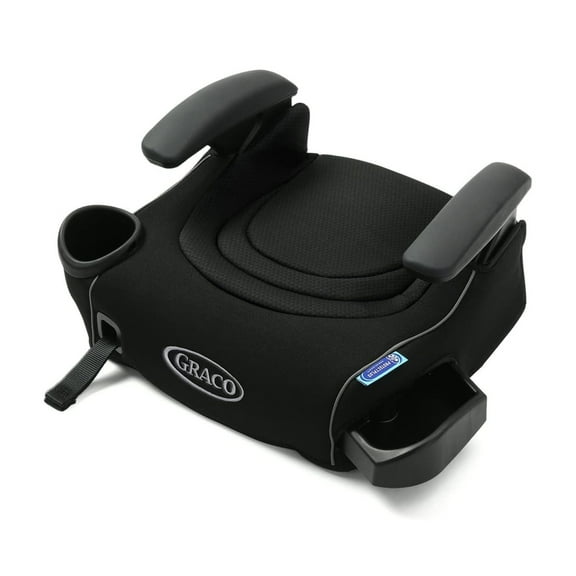
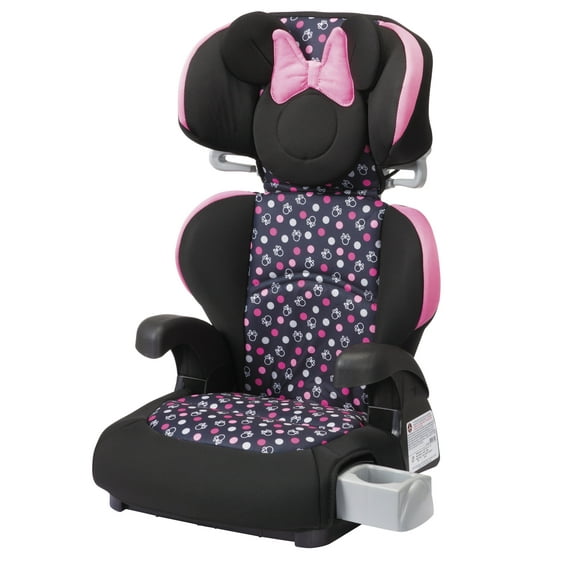
If your child has outgrown a harnessed setup, booster car seats help position your vehicle’s seat belt correctly. You’ll often compare high-back and backless styles based on your child’s size and your vehicle seat shape.
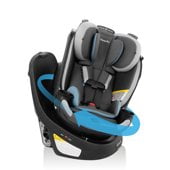
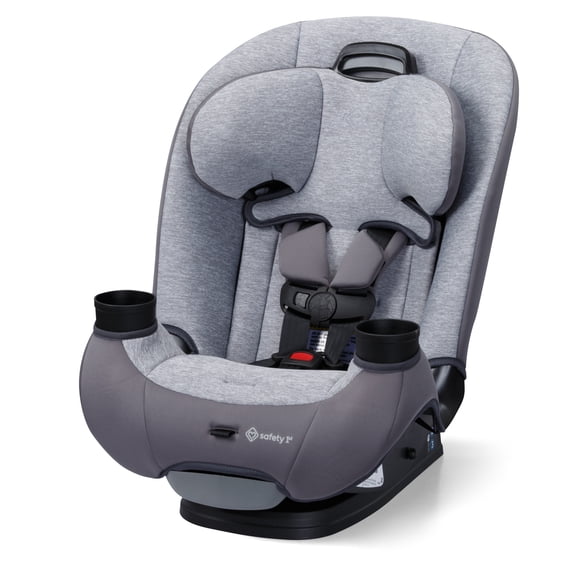
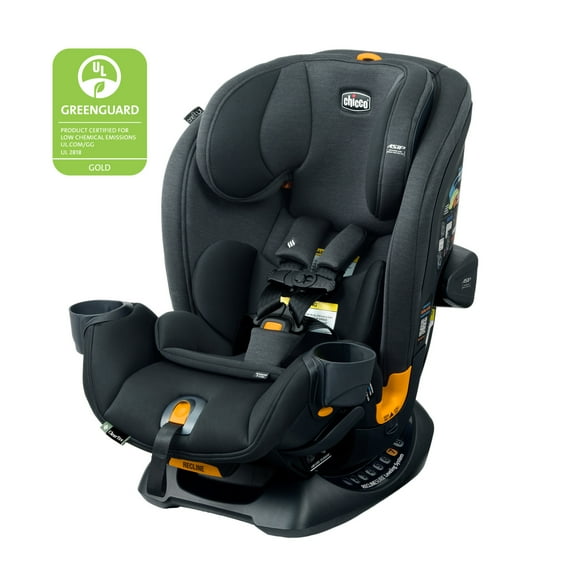
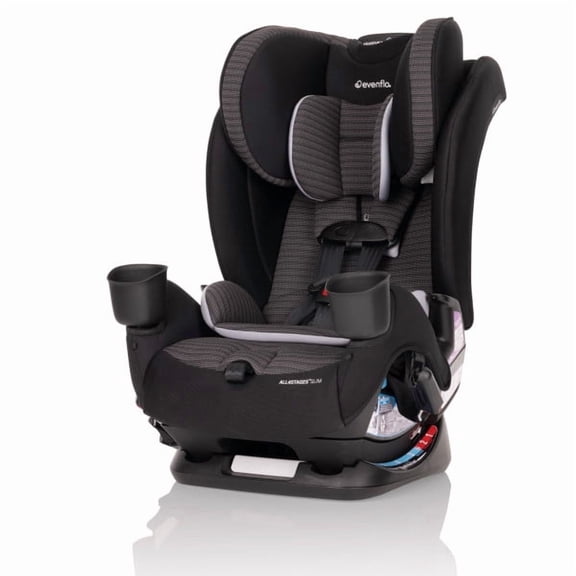
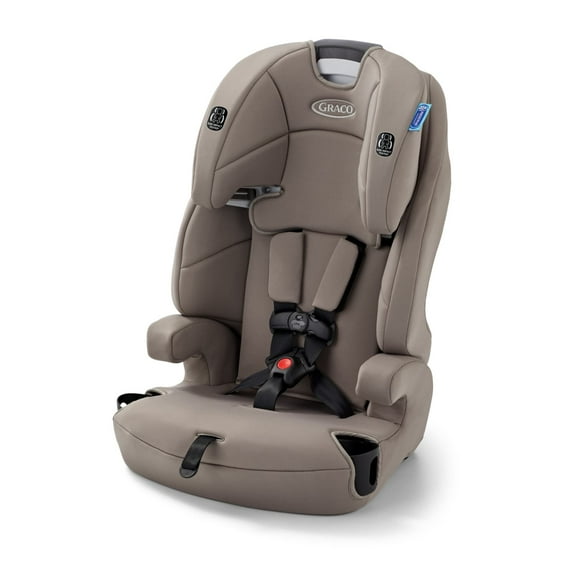
You may also consider all-in-one styles if you want one seat that covers several stages. You can simplify future transitions when one model spans infant, toddler, and booster use ranges.
What to look for in car seat types and daily use
You should compare how each seat fits your routine, not only your child’s measurements. You’ll notice that carrying a sleeping baby, cleaning crumbs, and switching vehicles can shape your decision.
- You can choose infant styles when you want a detachable carrier for shorter outings and easier transfers.
- You can choose convertible styles when you want one seat that supports rear-facing and forward-facing use.
- You can choose booster styles when you need belt positioning for older kids who’ve outgrown harness use.
- You can compare all-in-one designs when you want fewer seat changes over time.
You may also want covers that remove easily when your back seat gets messy. You’ll appreciate machine-washable fabrics and smooth surfaces during everyday cleanup.
For busy families, cup holders, harness adjustments, and clear labels can simplify daily routines. You can spend less time guessing when controls are easy to reach and understand.
Choosing installation and vehicle compatibility
You should check whether you’ll install with LATCH, a seat belt, or rigid LATCH. You’ll want a method that matches your vehicle and feels straightforward during setup.
LATCH uses built-in anchors in many vehicles, which can make connections feel more direct. You should still confirm your vehicle manual and the seat instructions before you install.
If you need flexibility across different vehicles, a seat belt installation can be useful. You can move the seat between cars more easily when you understand the belt path.
Rigid LATCH may appeal to you when you want a firmer connection style in compatible vehicles. You should compare your vehicle seat contours and anchor access before you choose that system.
You’ll also want to measure seat width and front-to-back space, especially in smaller vehicles. You can avoid crowded second rows when you check dimensions before you buy.
Comparing safety features and fit details
You should look for car seats that meet federal safety standards for their intended use. You can also compare design details that support fit, positioning, and everyday confidence.
Side-impact protection is one feature many shoppers compare across categories and stages. You may prefer extra head and torso cushioning when you want more structured support around your child.
A steel-reinforced frame can add a sturdier internal structure to some models. You should weigh that feature against seat weight if you move seats between vehicles often.
An anti-rebound bar appears on some rear-facing designs and can affect overall footprint. You’ll want to check whether that shape works well with your vehicle seat spacing.
You can also compare harness height settings, recline positions, and headrest adjustment ranges. You’ll get a more practical fit when those settings align with your child’s current stage.
Matching weight capacity to real-life use
You should read weight capacity as a shopping filter, not just a spec line. You can use it to narrow options that match your child’s stage and expected growth.
If you’re buying for a newborn, you may focus on ranges like 4 to 35 pounds. You’ll often see those limits on infant car seats designed for early rear-facing use.
For longer use, you may compare ranges like 5 to 65 pounds on convertible styles. You can keep the same seat through more stages when those limits match your plan.
Older kids may need booster car seats with ranges like 40 to 120 pounds. You should also check height guidance because shoulder belt position matters along with weight.
How different car seats fit your routine
You might need baby car seats for daycare drop-off, family carpools, or stroller-friendly errands. You can narrow your choices by thinking about transfers, trunk space, and who installs the seat.
If you drive a compact car, you should compare slimmer frames and measured footprints. You’ll want enough room for front seats and any passengers sharing the back row.
For growing families, toddler car seats and all-in-one styles can help reduce repeated replacement decisions. You can plan around future stages when you compare harness ranges and booster readiness.
You may also rotate seats between caregivers, which makes installation clarity especially important. You’ll benefit from visible belt paths, level indicators, and easy-to-follow labels.
When your routine includes snacks, muddy shoes, or long drives, easy-clean fabrics matter. You can keep your seat looking neater when covers remove simply and wipeable areas handle daily messes.
You’ll make a stronger choice when your seat matches your child’s measurements, your vehicle, and your daily routine. You can feel more prepared when those details work together from the first ride onward.