



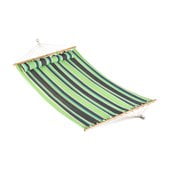
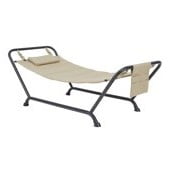
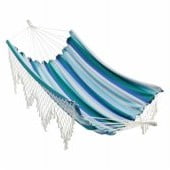
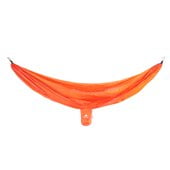
Camping Hammocks in Camping Furniture













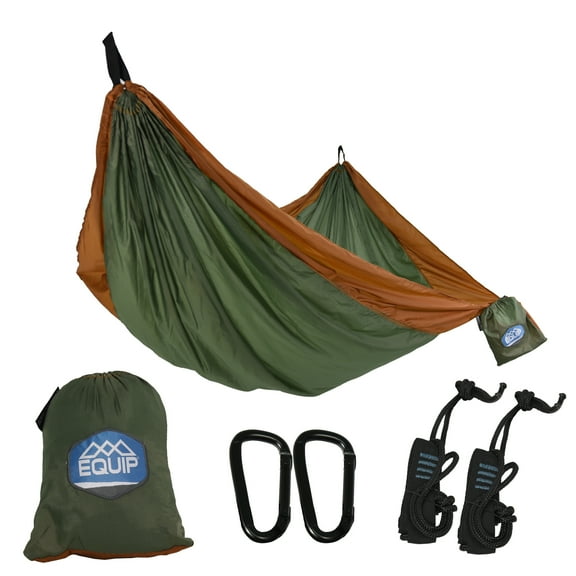


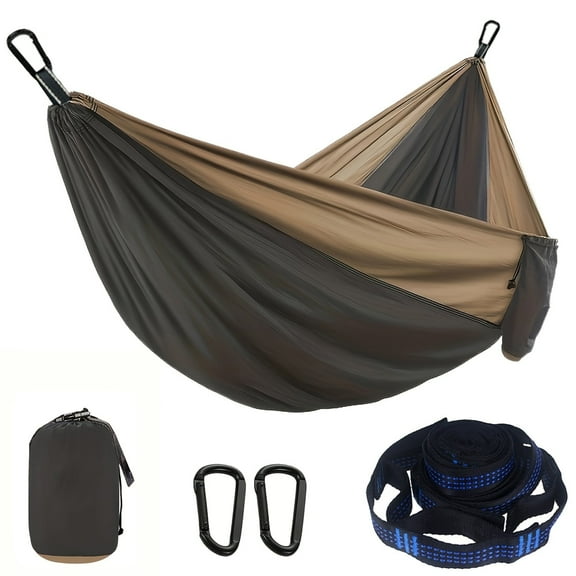
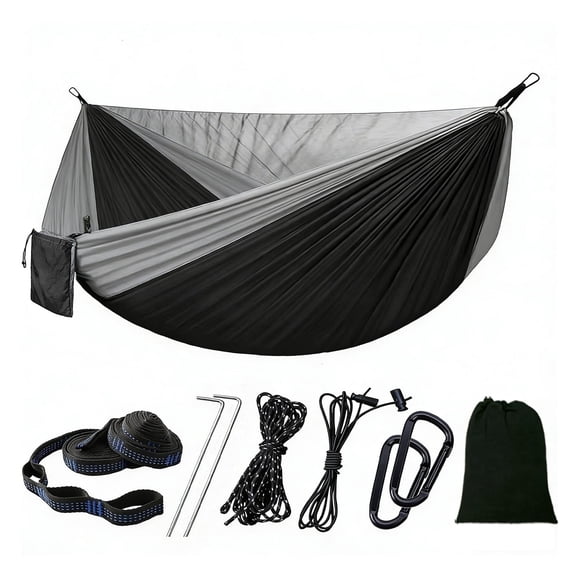
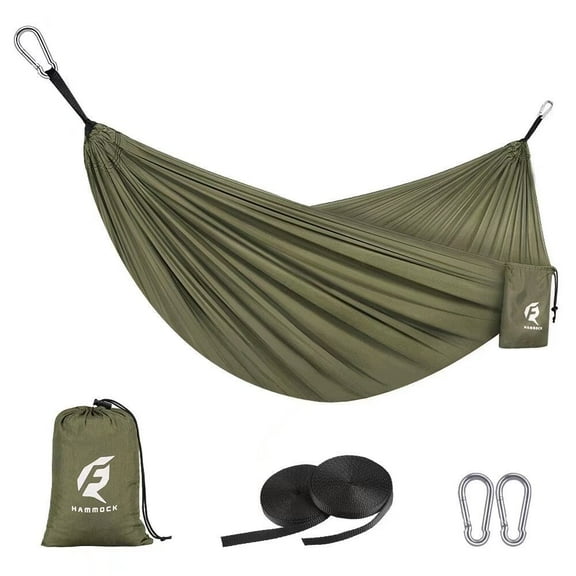


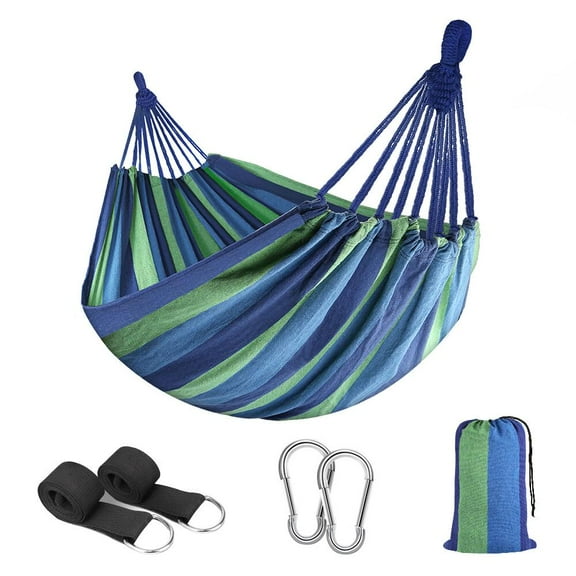





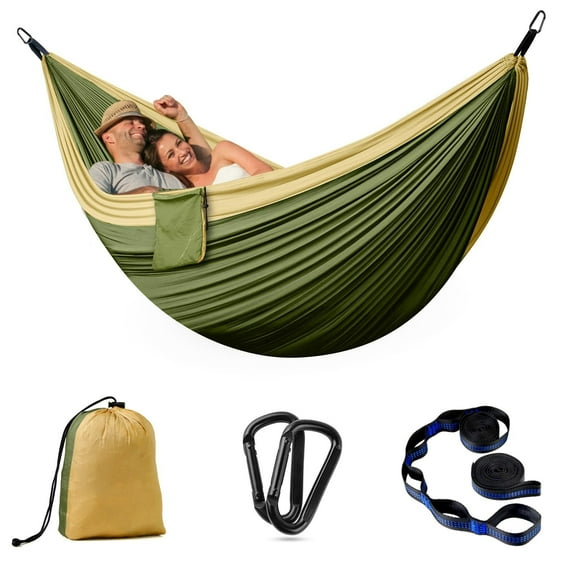


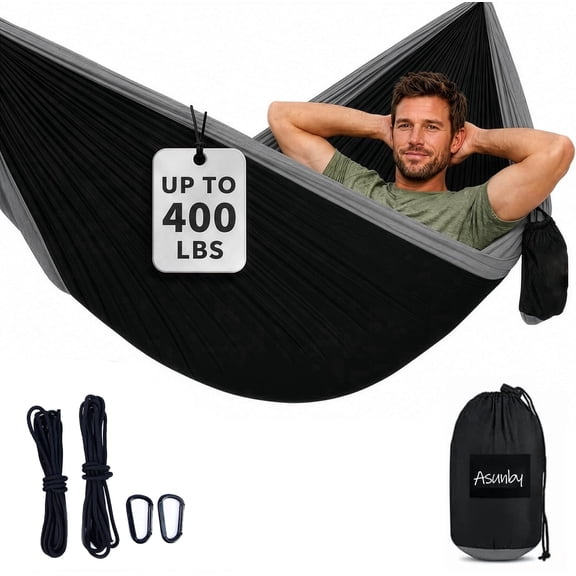
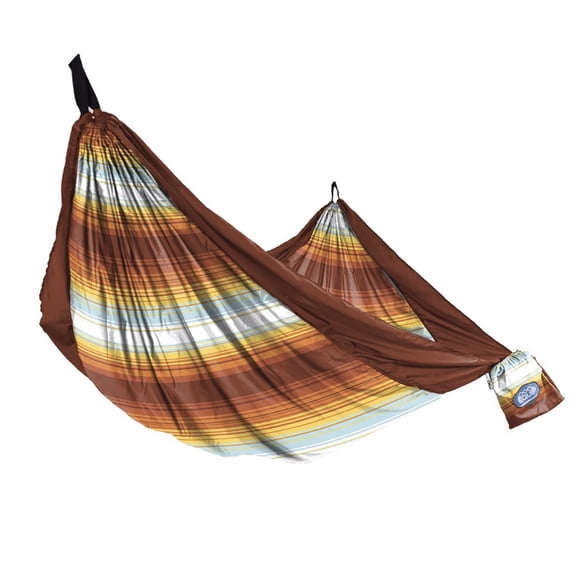


About Camping Hammocks in Camping Furniture - Walmart.com
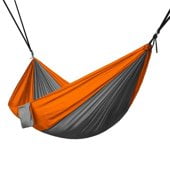
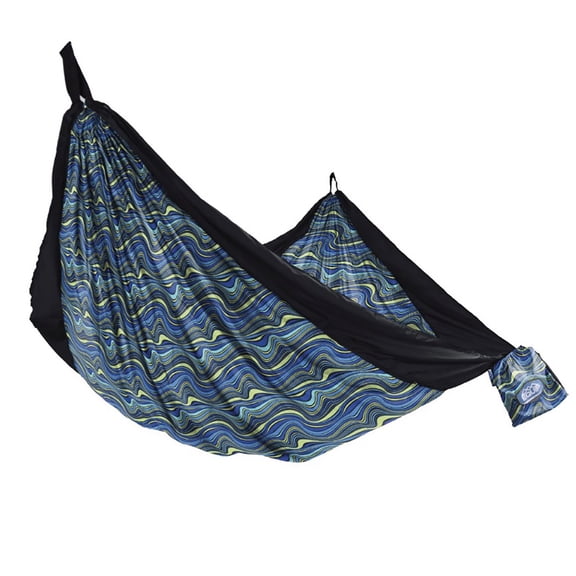
Camping hammocks help you pack lighter, lounge easier, and set up camp fast. You can compare capacity, suspension, and weather coverage to match your trip style.
If you're heading onto the trail or planning a basecamp weekend, camping hammocks give you a flexible sleep and lounge option. You can choose compact designs, wider beds, and accessory bundles that fit how you camp.
How to choose camping hammocks by capacity
Capacity is one of the first choices you'll make when comparing hammock styles. You should check listed dimensions and weight limits, because single and double options feel very different in use.
If you camp solo and count every ounce, you may prefer a single size for a lighter packed load. If you want extra shoulder room, a double camping hammock can feel less restrictive overnight.
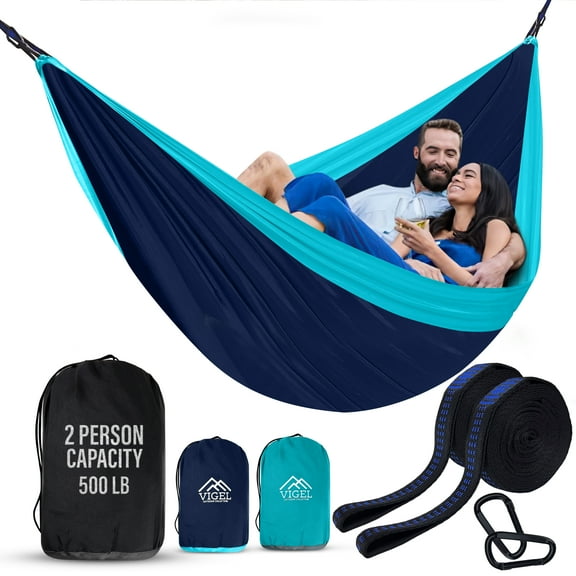
You may also compare multi-person styles when you want extra width at camp. You should still review the stated load rating, because width doesn't always mean a higher supported weight.
- You can choose single capacity when you want lower packed weight and a compact stuff sack.
- You can choose double capacity when you want more room to relax diagonally or share camp seating.
- You can choose multi-person styles when you want wider lounging space at car camping sites.
- You should compare fabric width, bed length, and listed capacity before picking your setup.
Choosing portable hammocks for your trip type
Use case shapes nearly every feature you should compare. You may want portable hammocks with low packed weight for long hikes, or roomier builds for campground comfort.
If you're backpacking, you should look at packed weight in ounces or grams before anything else. A lightweight backpacking hammock can trim bulk in your pack and leave room for quilts.
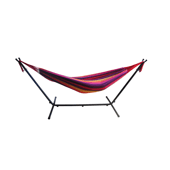
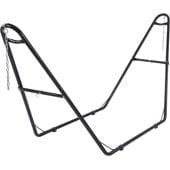
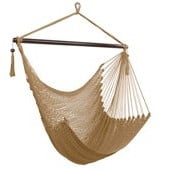
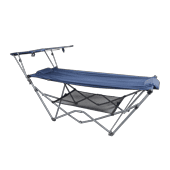
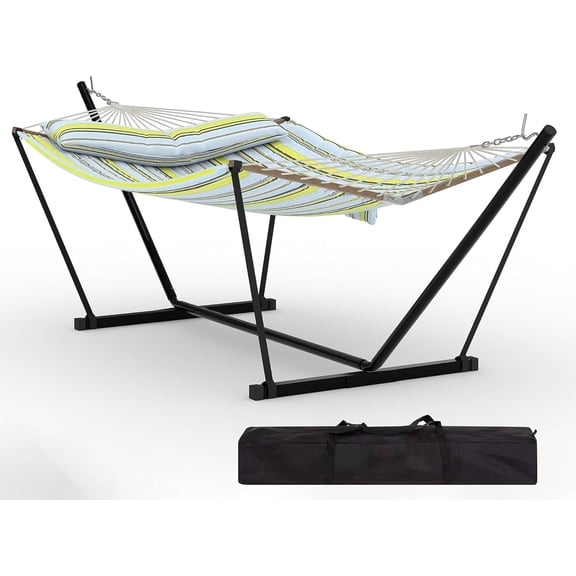
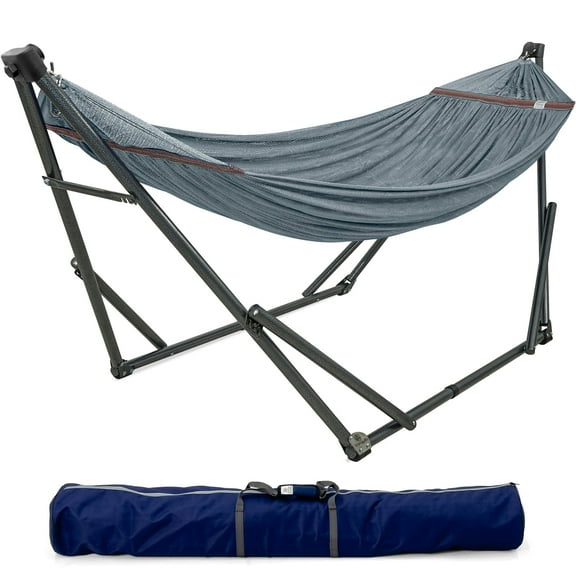
If you're car camping, you may care more about space, thicker fabric, or a double hammock with stand option. You can keep comfort first when your gear doesn't need to ride on your back.
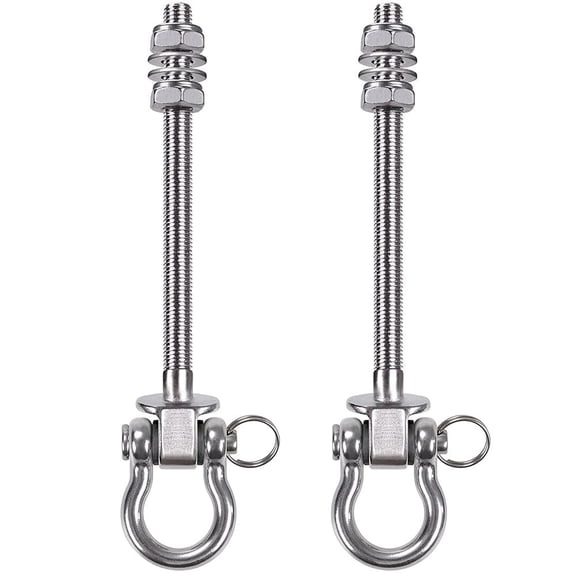
For backyard use, you may prefer easy setup and a forgiving fabric feel for longer lounging sessions. For survival kits, you should compare compact packing, strap simplicity, and fast hanging hardware.
What to look for in straps, loops, and carabiners
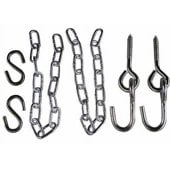
Your suspension system decides how quickly you can hang and adjust your hammock. You should compare tree strap length, loop count, and carabiner weight rating before you head out.
Longer straps help you work with wider tree spacing at parks and campsites. More loops give you finer adjustment, so you can dial in sag and seat height faster.
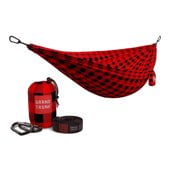
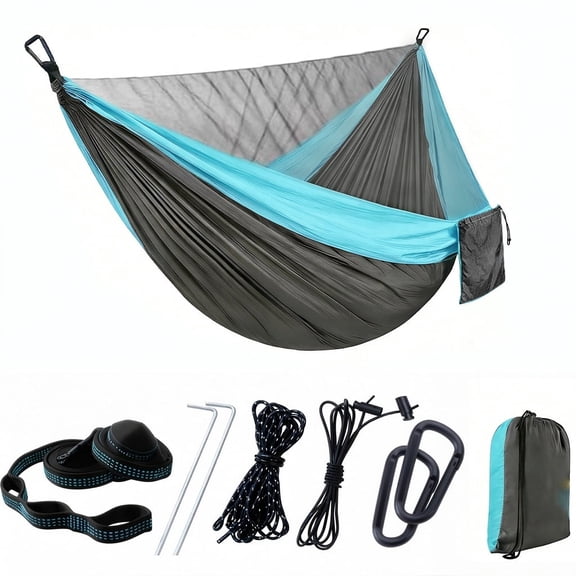
You should also check whether you're choosing a hammock with tree straps included or buying straps separately. Included kits can simplify packing, while separate components can help you customize your setup.
Carabiner weight rating matters because you need hardware that matches your hammock's listed capacity. You should compare the suspension package as a complete system, not only the fabric bed.
Comparing materials and feel
Material changes how your hammock packs, stretches, and feels through the night. You can compare parachute nylon, canvas, and polyester based on comfort, carry weight, and camp style.
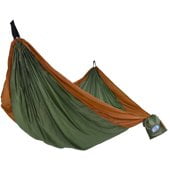
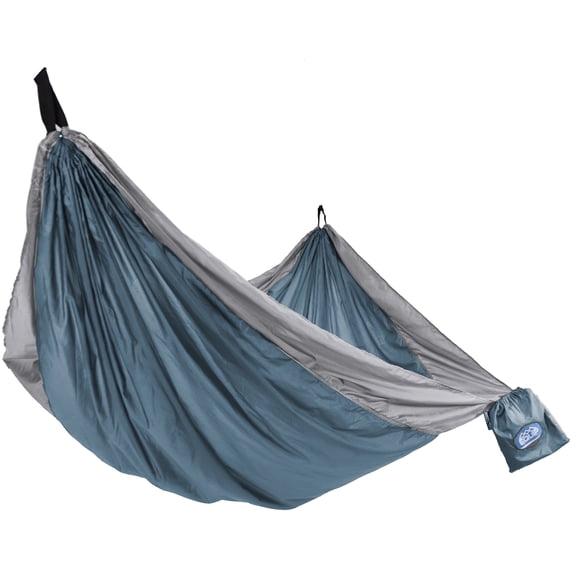
Parachute nylon is common when you want low weight and a small packed size. You may notice it dries quickly and works well for trail-focused setups.
Canvas can feel sturdier and roomier when you want a heavier duty camping hammock for backyard or car camping use. You should expect more packed bulk with that tradeoff.
Polyester can be worth comparing when you want another durable fabric option for repeated outdoor use. You should check the weave and stated capacity, because feel varies across designs.
Picking weather protection and included accessories
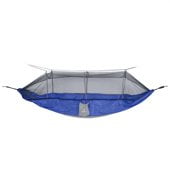
Weather coverage can change your overnight setup from minimal to fully sheltered. You should consider whether you want an open hammock, a hammock with mosquito net, or a model with rainfly coverage.
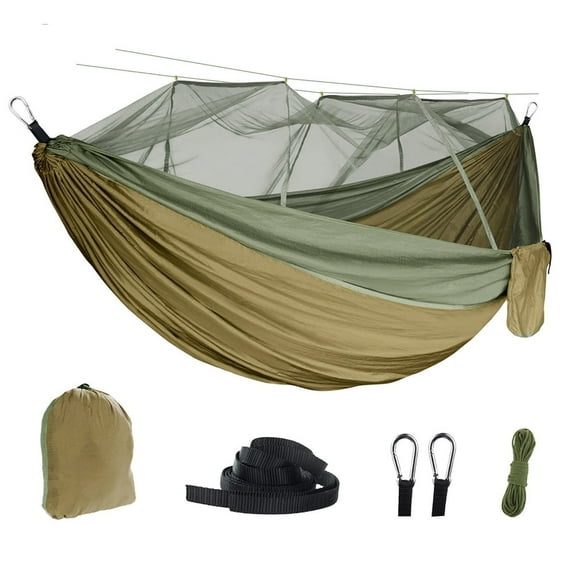
If you camp in buggy areas, integrated netting can simplify your packing list and setup steps. If you expect changing weather, a rainfly can add overhead coverage without changing your hammock body.
You may prefer open-air designs when you want fewer components and easier daytime lounging. You should compare accessory bundles carefully, because not every model includes straps, nets, or tarps.
Matching camping hammocks to real camp setups
If you're hiking long miles, you should prioritize packed size, lighter fabric, and a straightforward strap system. A backpacking hammock with simple adjustments can make quick camps easier at the end of the day.
When you're camping with a partner, you may lean toward a double camping hammock for wider lounging space. You should still compare the bed length and load rating before planning shared use.
If you're setting up at a family campground, you may want portable hammocks that move easily between trees and common areas. Included straps and a storage sack can keep setup and pack-down more organized.
For rainy weekends or buggy evenings, you should compare bundled protection instead of adding separate pieces later. A hammock with tree straps, netting, and rain coverage can help you build a more complete shelter system.
When you're comparing camping hammocks, you can make a smarter choice by measuring capacity, suspension, packed weight, and weather coverage together. You end up with a setup that fits your trip, your gear list, and your campsite routine.