Boric Acid

View all

Pesticides

View all

FAQ

What does boric acid do for women?

Boric acid is often included in feminine care products, like vaginal suppositories and washes, to help support freshness and odor control. It's generally used as an ingredient to balance vaginal pH and address issues like unwanted smells.

  • Helps maintain a healthy pH environment.
  • Supports control of vaginal odor.
  • Commonly found in suppositories and cleansers.

If you have questions about using these products, it's best to check with a healthcare provider for advice that fits your needs.

Is boric acid safe for humans?

Boric acid is considered safe for use in certain personal care products when used as directed, such as vaginal suppositories and cleansers. However, it's important to follow the product instructions closely and avoid ingesting or applying it outside its intended purpose.

  • Always use as labeled and directed.
  • Keep out of reach of children and pets.
  • Consult a healthcare professional if you have concerns or special circumstances.

Safety varies based on individual needs and product types, so when in doubt, seek professional guidance.

Will boric acid help with fishy odor?

Many feminine care products with boric acid are designed to help manage vaginal odors, including fishy smells. These products work by supporting a balanced pH, which can help reduce unwanted scents.

  • Used in washes, rinses, and suppositories.
  • May help control odor when used as directed.

If persistent odor is a concern, it's a good idea to talk to a healthcare provider to rule out underlying issues.

What is boric acid commonly used for?

Boric acid is a versatile ingredient found in personal care items, as well as cleaning and pest control products. On this page, it's mainly featured in feminine hygiene products like suppositories and washes, where it supports freshness and odor management.

  • Balancing vaginal pH in feminine care products.
  • Odor control in washes and rinses.

Always use boric acid products as directed for their specific purpose, and consult a professional if you have any questions about their use.

How do you use boric acid suppositories?

Boric acid suppositories are usually inserted vaginally, following the instructions on the package. It's important to wash your hands, use the applicator if provided, and avoid using the product more often or in ways not specified by the manufacturer.

  1. Read and follow the product instructions carefully.
  2. Insert as directed, typically at bedtime.
  3. Do not use if pregnant unless advised by a healthcare professional.

If you're unsure about proper usage, reach out to a healthcare provider for guidance that fits your needs.

About Boric Acid

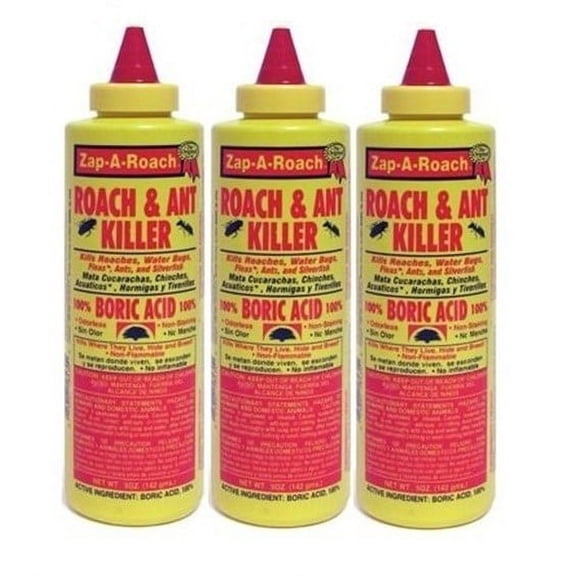
How do I use a boric acid powder to eliminate roaches?

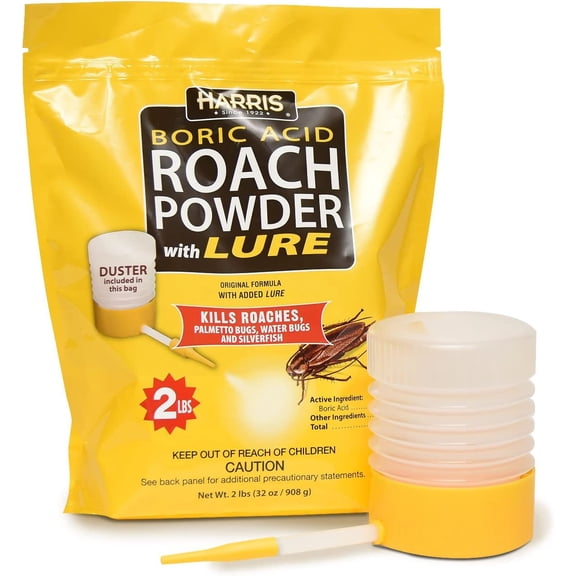
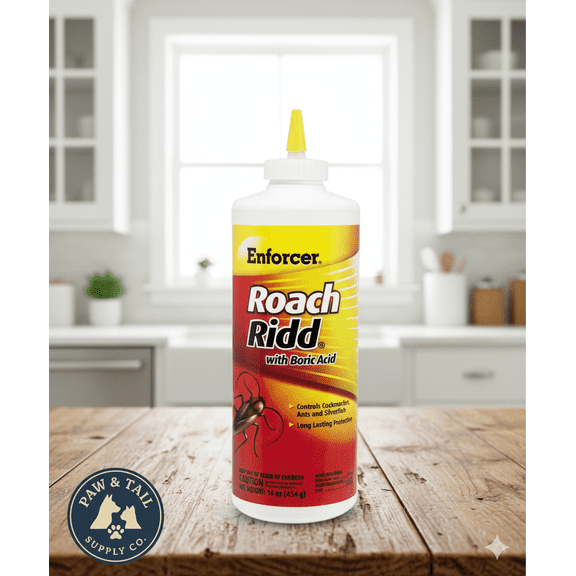
The easiest way to use a boric acid powder is to apply a light layer on hard-to-reach surfaces, crevices, corners, or anywhere where roaches are possibly hiding. Most powders come in a bottle with a squirt nozzle for easier application. Make sure to wear gloves or a face mask prior to application to prevent irritation or inhaling of the powder dust.

How do I know which type of boric acid is best for eliminating roaches?

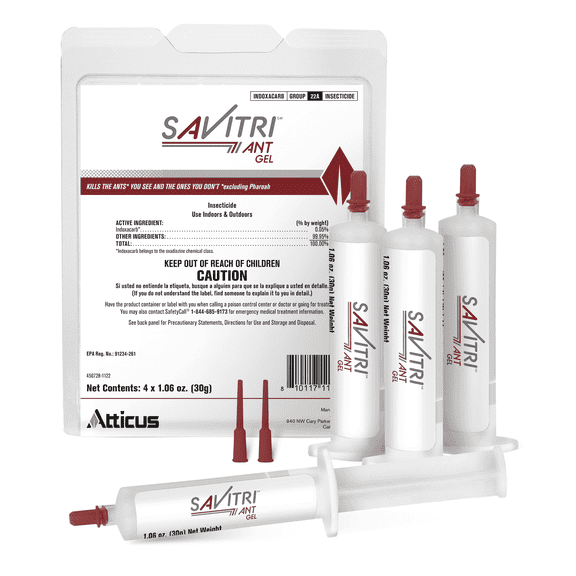
Boric acid in powder or dust form comes in handy if you're applying it to hard-to-reach holes and cracks near a roach's nest. Because you only need a thin layer, a single bottle goes a long way. If you don't like spraying the powder form of boric acid, try to use one in tablet or gel form, which uses boric acid as an active ingredient and has an added lure to attract hungry roaches. It's easy, efficient, and clean to apply and is best used in places where you can't always sprinkle boric acid powder, such as trash cans and under cabinets. Boric acid tablets are also soluble in water and can be dissolved and sprayed directly at roaches and their hiding places.

Is boric acid safe for pets?

Compared with other chemical insecticides, boric acid is not as toxic but may cause adverse side effects when inhaled or ingested in large amounts. If you have pets, make sure to apply boric acid in places not accessible to them, such as behind or under the sink, under furniture, or in crevices. Don't vacuum the residue up, but mop it with a damp cloth to avoid dispersing it into the air.

Related Products