


Bike Locks in Bike Accessories




















About Bike Locks in Bike Accessories - Walmart.com
Bike locks help you secure your ride during errands, commutes, and campus stops. You can compare lock types, security ratings, and carry options to match how and where you park.
How to choose bike locks for your routine
When you compare bike locks, you should start with your parking habits and your route. If you leave your bike outside often, you may want a heavier design with a stronger rating.
For quick stops, you might prefer a lighter bicycle lock that still feels easy to use. If you park in different places, you may want more reach around racks, poles, or wider anchors.
You can narrow your options faster by focusing on a few buying points first. Consider lock type, security level, mechanism, material, and how you'll carry the lock while riding.
Choosing the right lock type
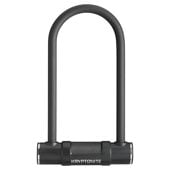
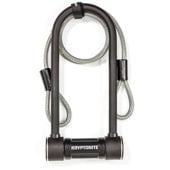
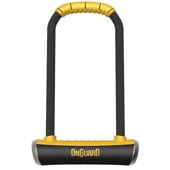
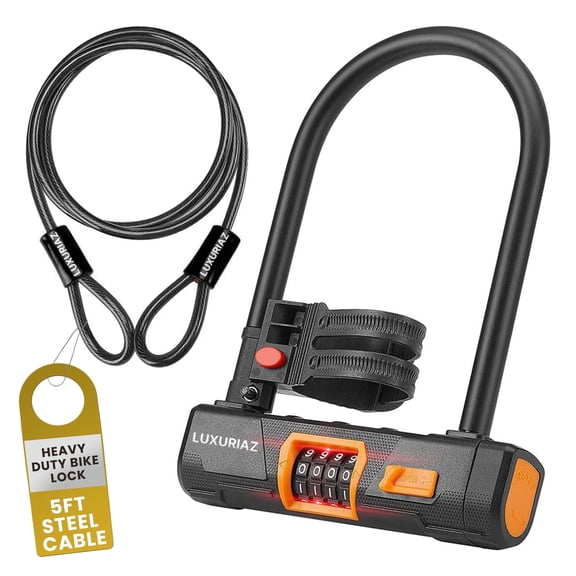
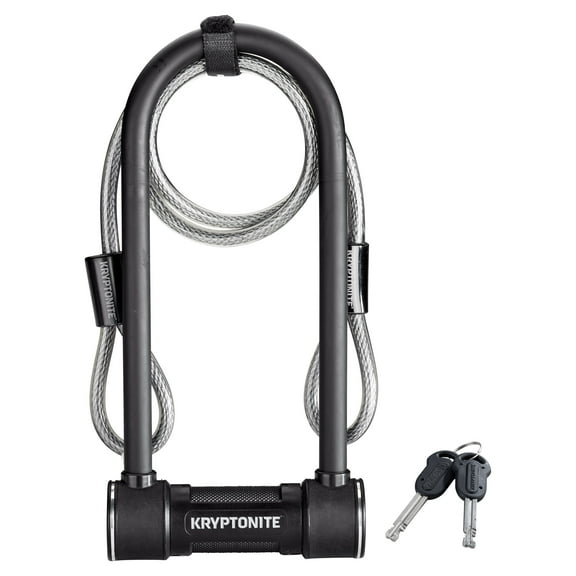
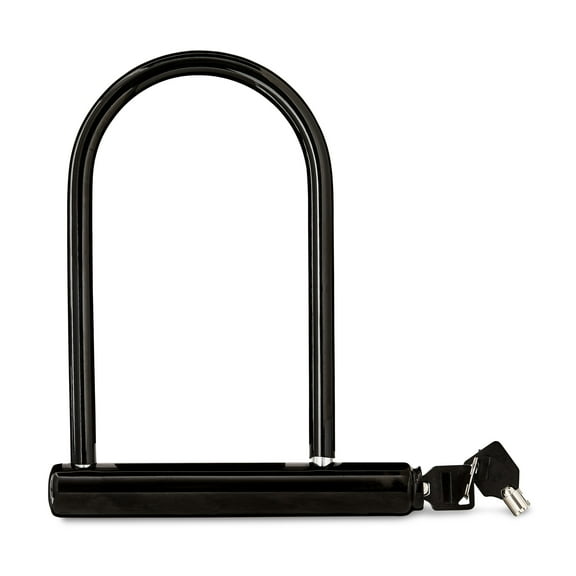
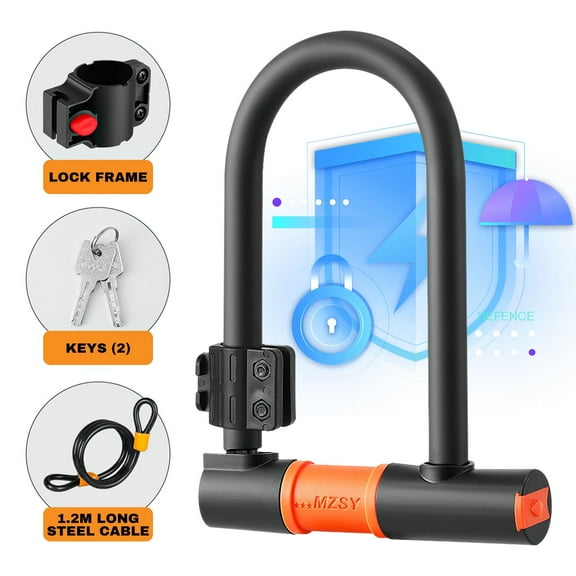
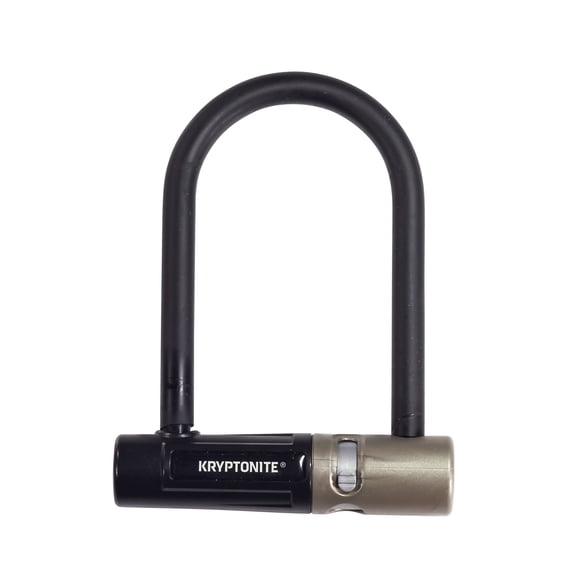
A u lock bike style gives you a rigid shape that fits around the frame and a fixed anchor. You may choose it when you want a compact fit and less slack around the lockup area.
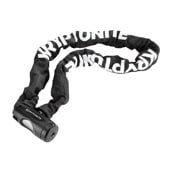
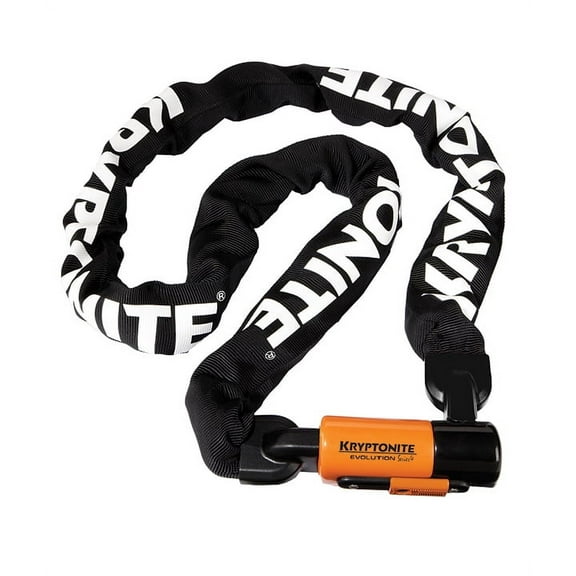
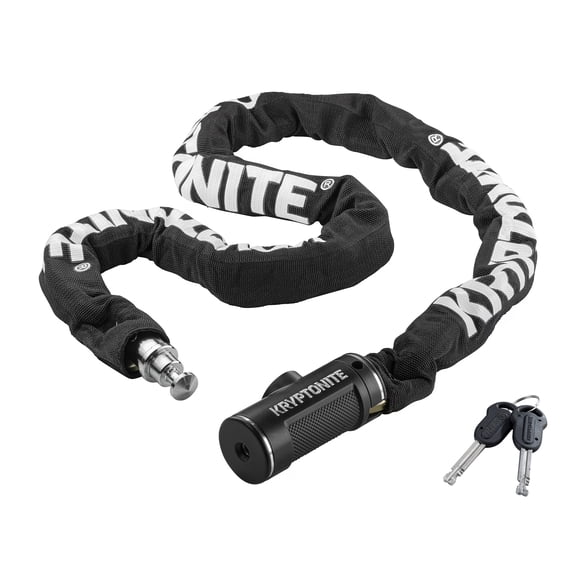
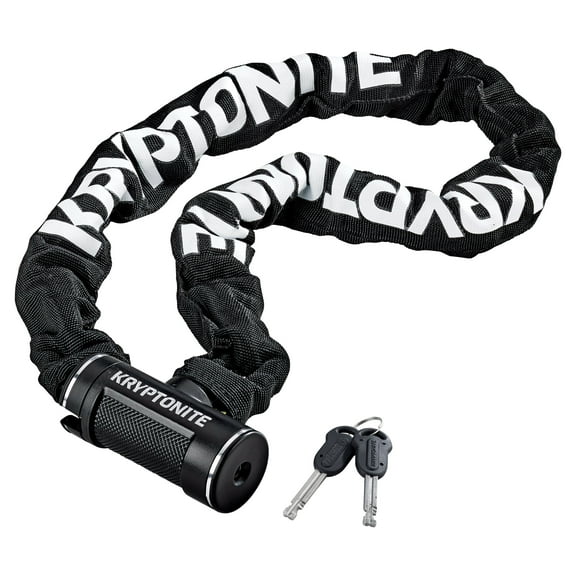
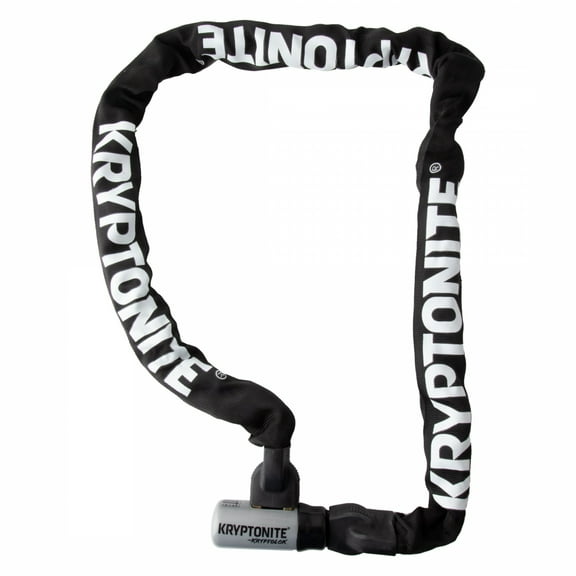
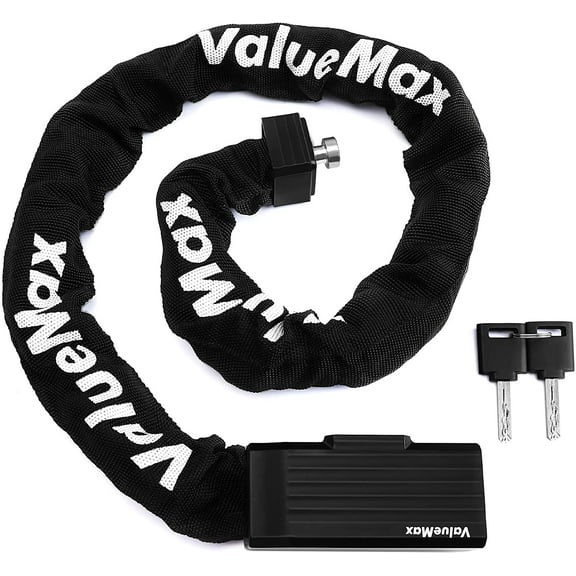
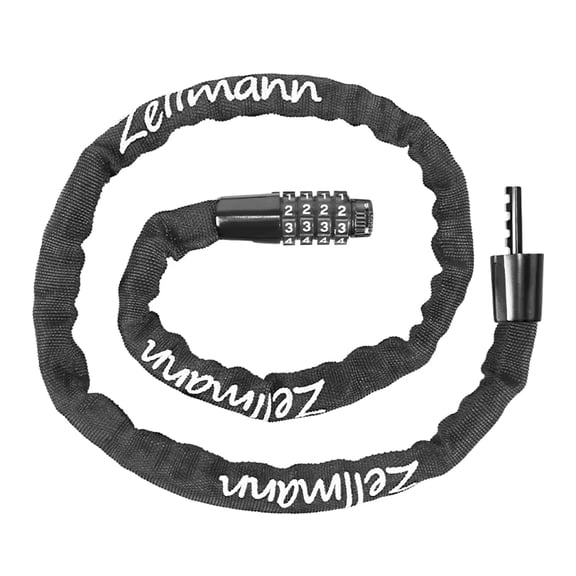
A bike chain lock gives you more flexibility around larger poles, railings, or unusual racks. You may prefer that extra reach when you need to secure both the frame and a wheel.
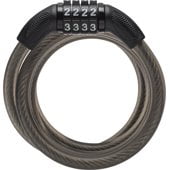
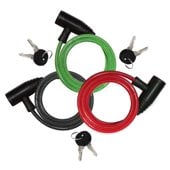
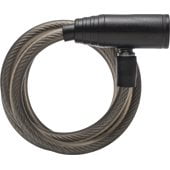
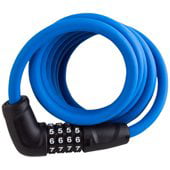
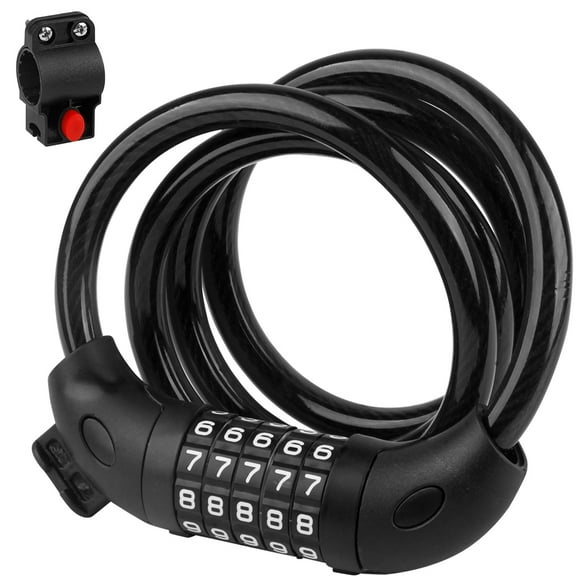
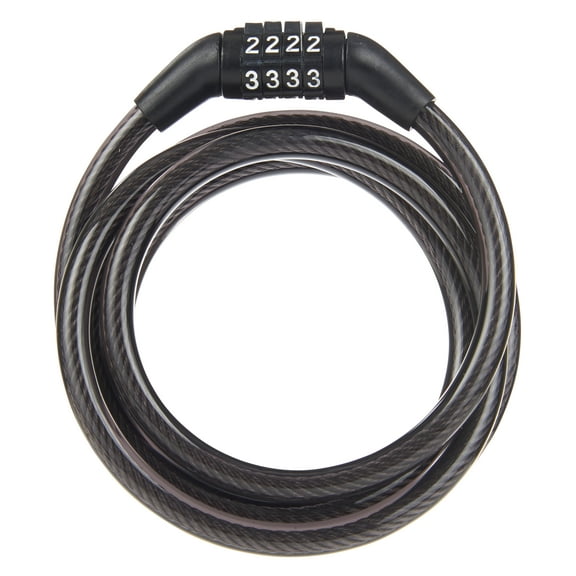
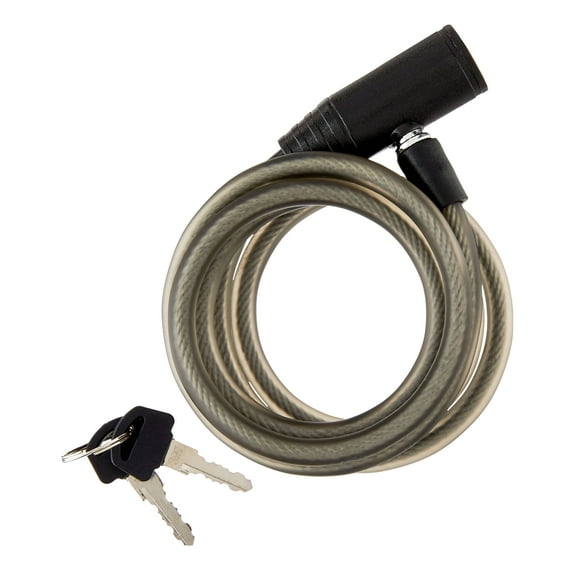
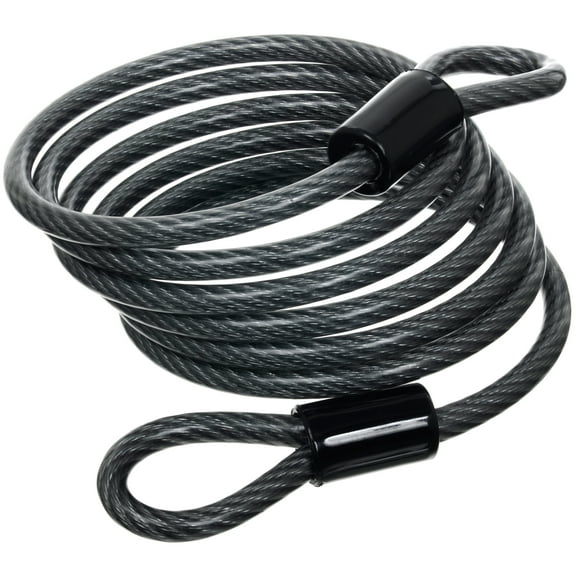
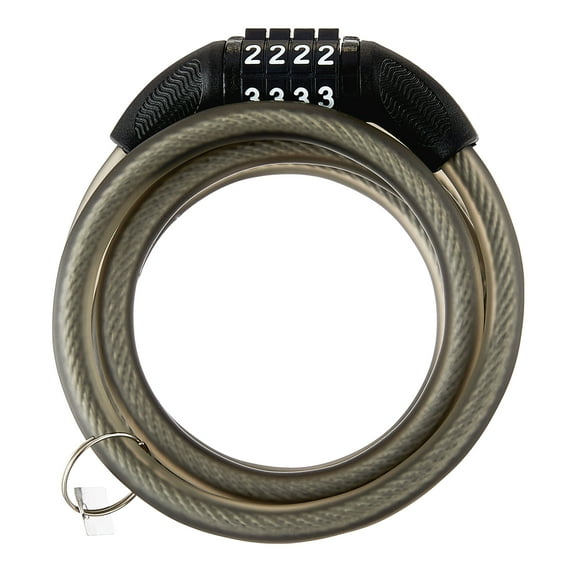
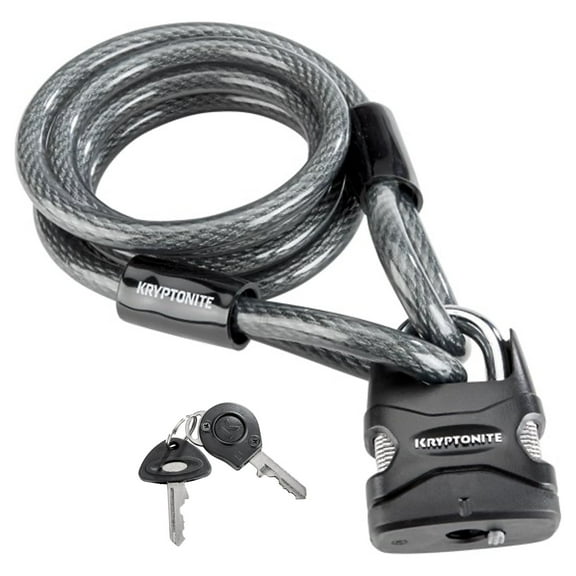
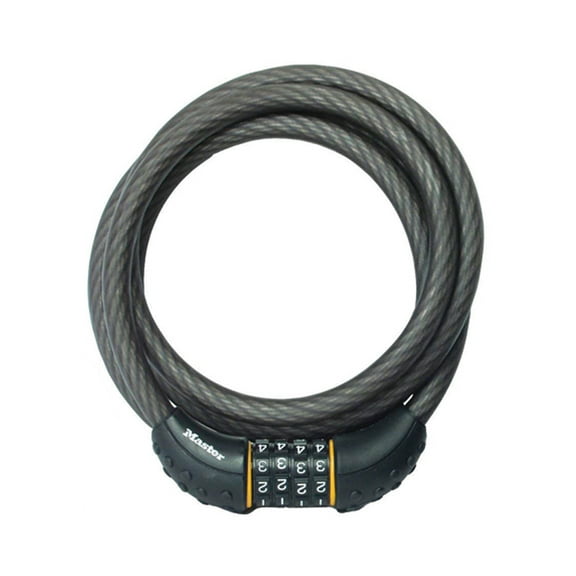
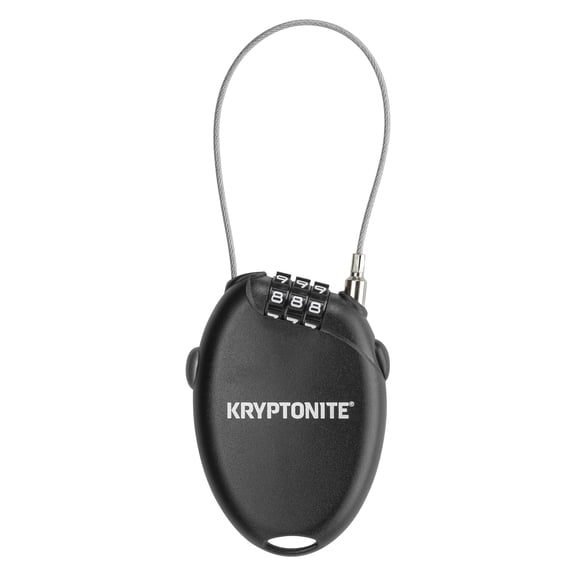
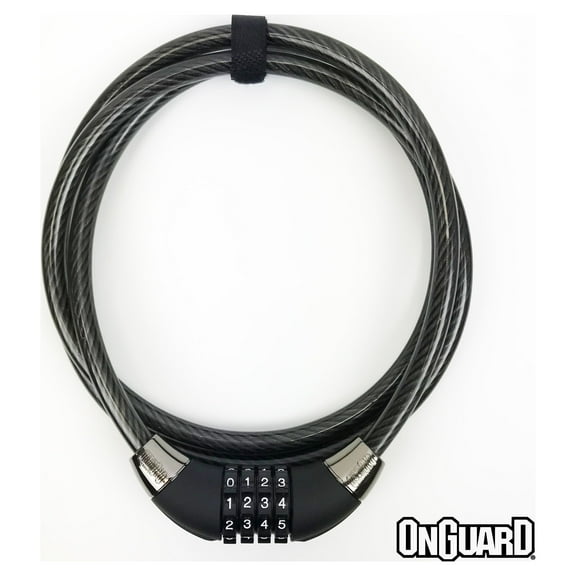
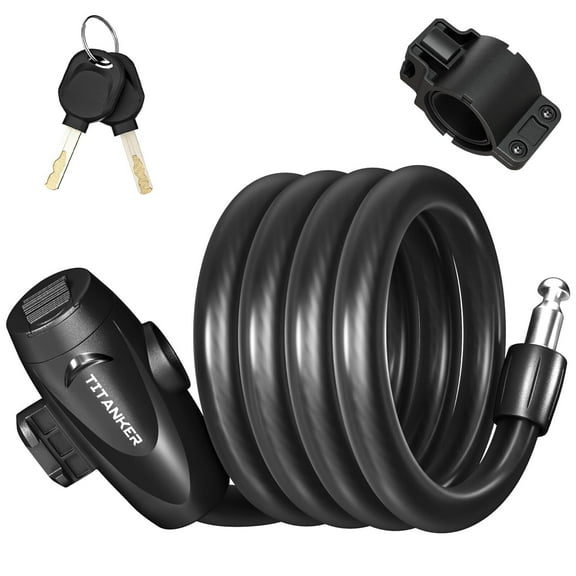
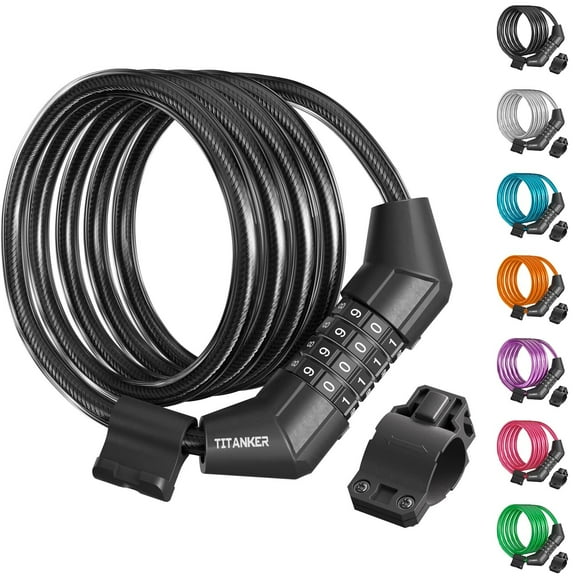
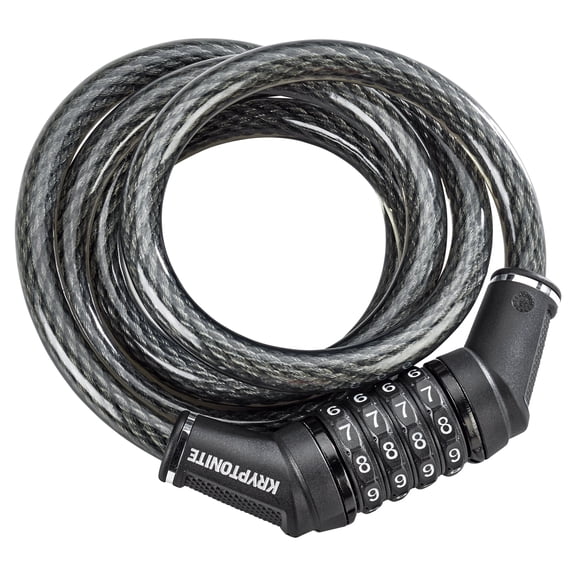
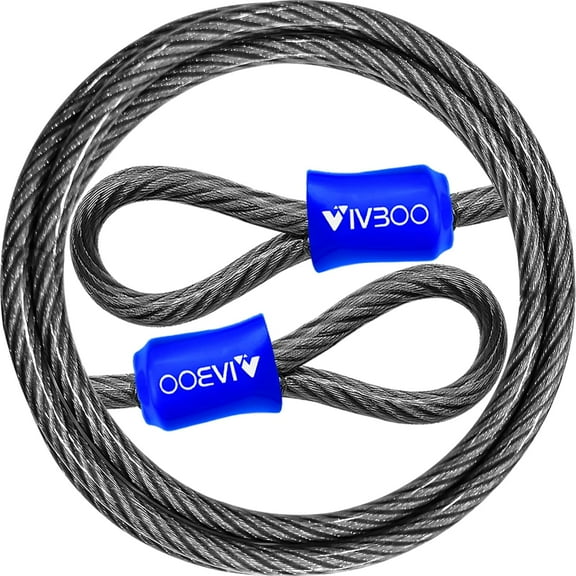
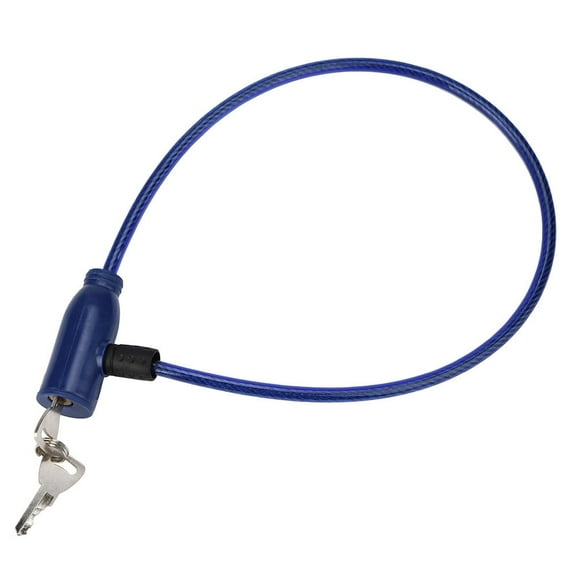
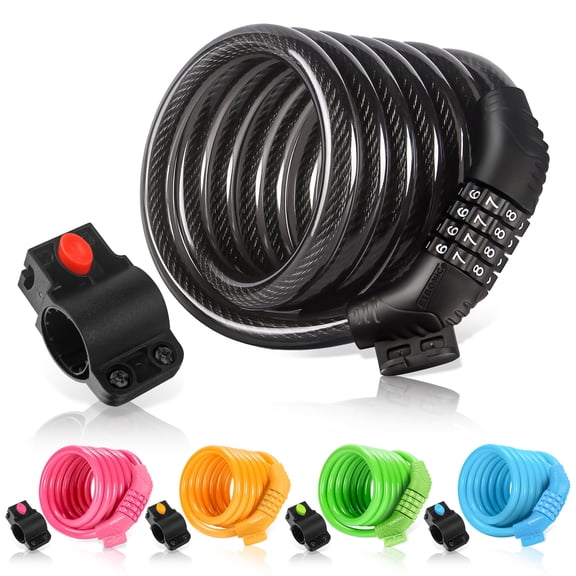
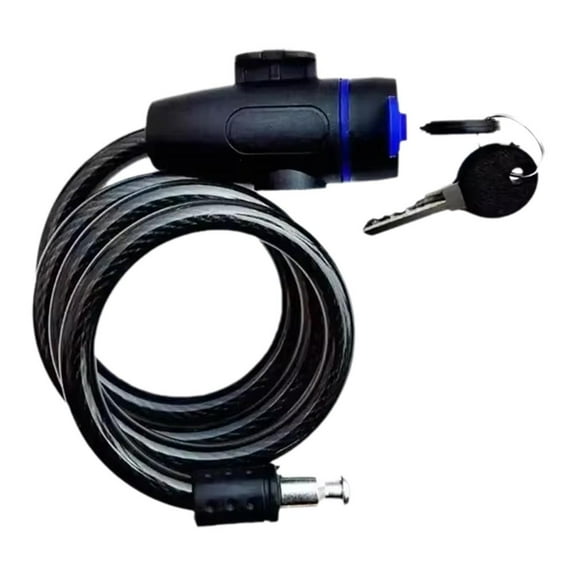
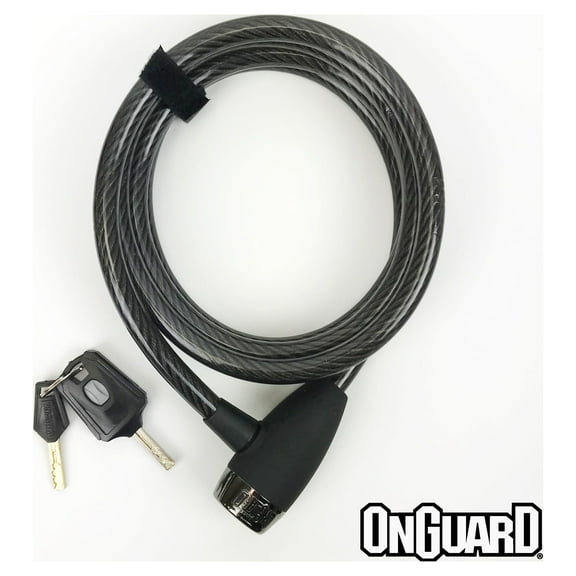
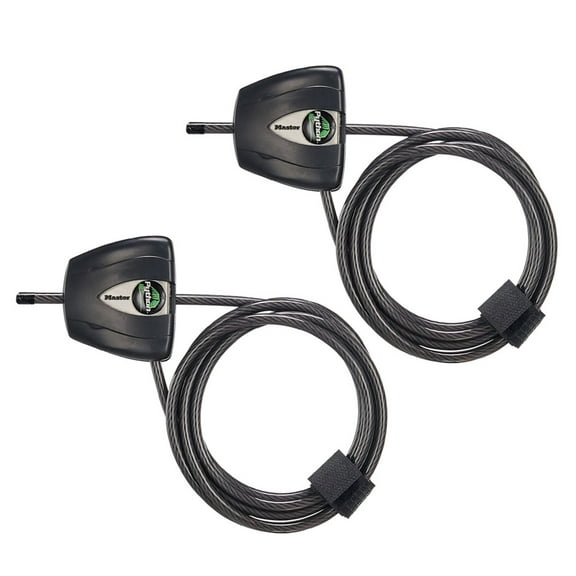
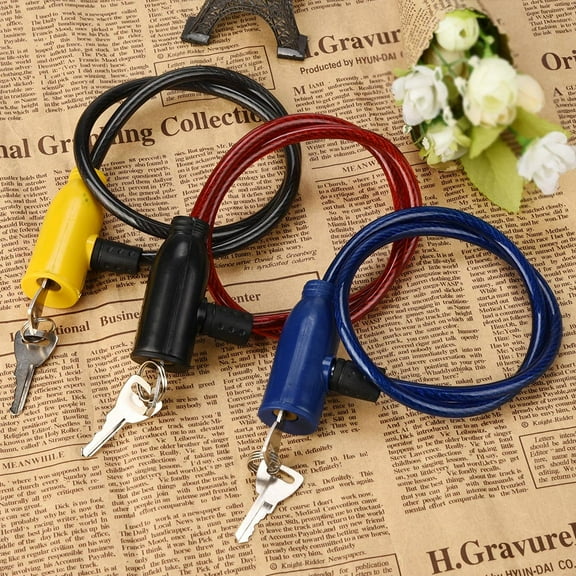
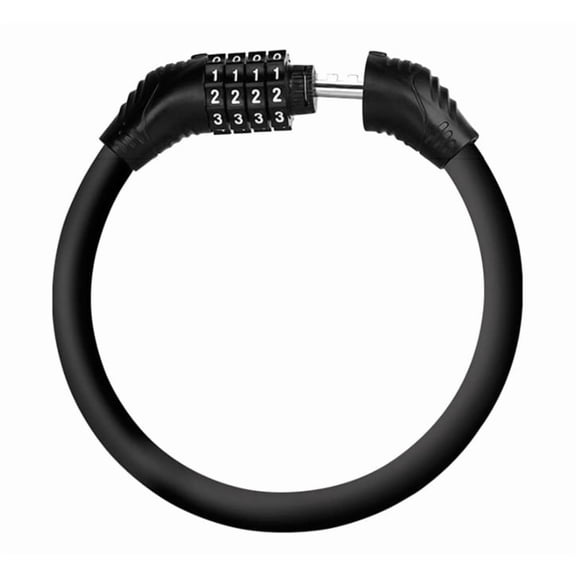
A cable bike lock feels lighter and easier to wrap, coil, or pack in tighter spaces. You might use it for quick errands, accessory security, or as a second lock with another style.
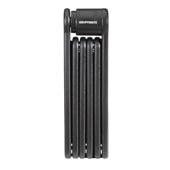
A folding lock gives you a balance between compact storage and structured reach. You can fold it down for carrying, then open it around anchor points with awkward shapes.
- You can choose a U-lock when you want a tighter, rigid fit.
- You can choose a chain lock when you need more reach and flexibility.
- You can choose a cable bike lock when lighter carry matters most.
- You can choose a folding lock when you want compact storage and adaptable shape.
Understanding security ratings and materials
You should match security level to the places where you park most often. If your bike stays outside longer, a heavy duty bike lock may fit your routine more closely.
You may notice terms like Sold Secure ratings and shackle thickness while comparing options. Those details help you judge how substantial a lock feels and where it fits your parking needs.
A higher security rating usually means you get sturdier construction and less flex. You may accept more weight in exchange for a more solid feel during daily locking.
Hardened steel often appeals when you want a strong, structured build for regular outdoor use. Braided steel can feel more flexible, while titanium may interest you when weight matters during longer rides.
You should also check outer coatings and covered surfaces before you choose. Those details can help your lock sit more smoothly against your frame during transport and storage.
Comparing keyed, combination, and smart options
You can choose a keyed lock if you prefer a quick, familiar open-and-close routine. You may like that setup when you want fewer steps at crowded racks.
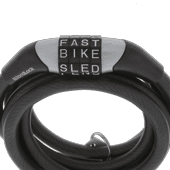
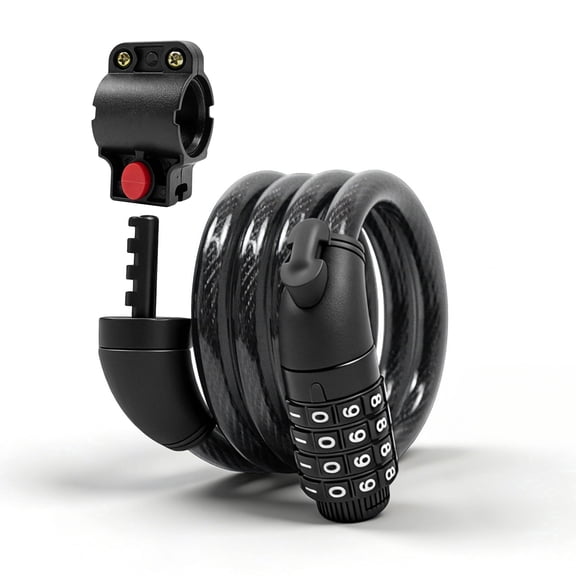
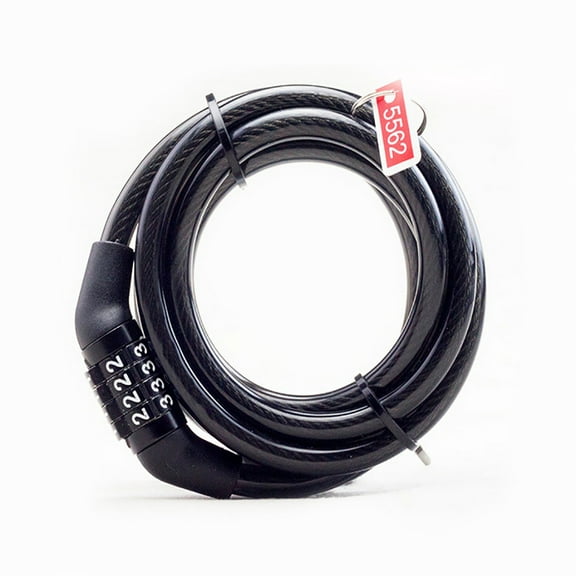
A combination bike lock lets you unlock without carrying a key in your pocket or bag. You might prefer that option if you share the lock or want a simple backup system.
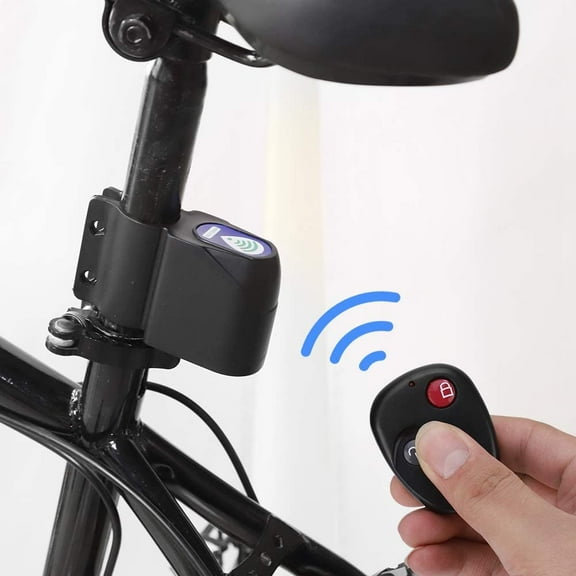
Smart or Bluetooth designs may appeal if you want app-based access and connected features. You should check compatibility details and power needs before you decide on that style.
Your choice often comes down to habit, not just hardware. If you already keep keys organized, keyed may feel easier, while combinations can simplify everyday access.
Checking length, reach, and portability
You should measure how you plan to lock your frame, front wheel, or rear wheel. A shorter lock may feel more compact, while a longer lock can give you more placement options.
If you lock to wide racks or thicker poles, you may want extra reach from a chain or longer cable. If you use standard bike racks, a tighter shape may feel more convenient.
You should also think about how the lock travels during your ride. Some options include frame mounts, while others fit better in a backpack, pannier, or basket.
A heavier lock can support your security goals, but you still need a carry method that feels practical. You may want to compare mounted designs with foldable or coiled styles.
Matching bike locks to real riding scenarios
If you commute daily and leave your bike outdoors for longer stretches, you may want a heavy duty bike lock in hardened steel. A U-lock or chain style can suit repeated parking in busier areas.
If you ride across campus, you may want a combination bike lock that opens quickly between classes. A compact design can feel easier to carry when you move from rack to rack.
If you stop at stores, cafes, or gyms, you may prefer a cable bike lock for short parking windows. You can also pair it with another lock when you want added coverage for wheels.
If you ride recreationally on weekends, you may like a folding lock that stores neatly on the bike. You can keep your setup streamlined without giving up flexible locking positions.
For family rides, you may want simple mechanisms and manageable weight across several bikes. You can compare reach, carry style, and opening method to keep each stop easier.
When weather changes through the year, you may want an outdoor bike lock with durable finishes and covered contact points. Those details can help your lock handle regular use across seasons.
You can feel more confident when your lock matches your route, parking pattern, and carrying setup. The right bicycle lock helps you secure your frame and wheels with less daily hassle.