

Bike Car Racks in Bike Accessories



















About Bike Car Racks in Bike Accessories - Walmart.com
Rooftop bike racks help you carry bikes without blocking your trunk or hitch. You can compare mounting styles, crossbar fit, and locking details for your vehicle and routine.
You may want this category when your hitch stays busy or your rear hatch needs full access. You also get a clean way to carry one or two bikes above your cargo area.
How to choose rooftop bike racks for your vehicle
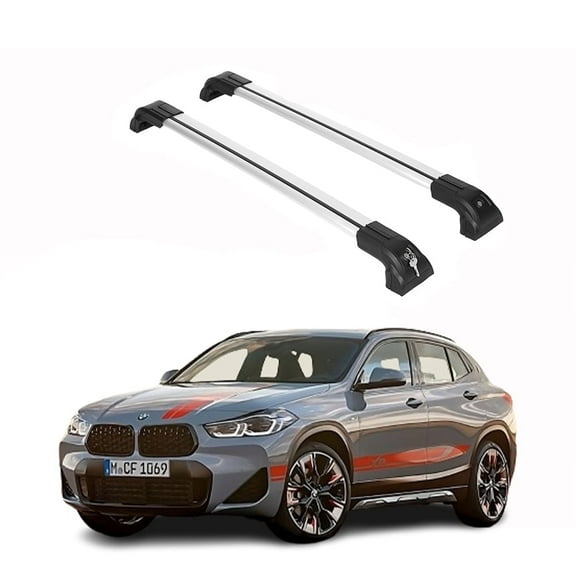
You should start with your roof setup before you compare bike attachment styles. You need to check your crossbar shape, crossbar spread, and your vehicle roof weight limit.
You may see compatibility listed for round, square, aerodynamic, or factory bars. You should also check whether your bars use T-slots, since some trays mount directly into that channel.
Your car roof bike rack choice should fit your bar spacing without forcing awkward placement. You can get a steadier setup when your tray length and clamp position match your crossbars.
- You can keep your trunk area open for coolers, strollers, or camping gear.
- You can carry bikes one at a time or build toward a two-bike roof setup.
- You can choose attachment styles that match road bikes, mountain bikes, or wider tires.
- You can look for integrated locks when you want added security during stops.
Choosing the right car roof bike rack mounting style
You usually choose between fork mount, frame mount, and wheel mount designs. Your decision affects loading steps, bike contact points, and overall convenience.
A fork mount roof bike rack asks you to remove the front wheel before loading. You may prefer that setup when you want a secure hold and a lower profile on the roof.
A wheel mount option lets you keep both wheels on your bike during loading. You may like that style when you want faster setup and less handling before your ride.
A frame mount style secures your bike by the frame with a supporting tray. You should compare frame shape and accessory clearance if your bike uses bottles, bags, or unusual tubing.
You may also compare capacity at this step, since some carriers hold one bike and others support two. Your roof load plan should include the rack weight plus each bike’s weight.
What to look for in a roof mount bike carrier
You should check max weight per bike before you choose a roof mount bike carrier. You can avoid fit issues when your bike weight stays within the listed limit.
Your tire width matters if you ride a mountain bike or a bike with wider rubber. You should look for tray and strap sizing that matches your tire profile.
You may need extra clearance for disc brakes, thru-axles, or unusual fork spacing. You can compare adapter options when your bike uses newer axle standards.
Your roof height also affects daily use, especially on SUVs and crossovers. You should consider how easily you can lift your bike overhead after a long ride.
A suction cup bike rack may appeal to you when you want a compact setup without permanent hardware. You should still verify surface fit, bike count, and loading steps for your vehicle.
Comparing crossbar compatibility and technical fit
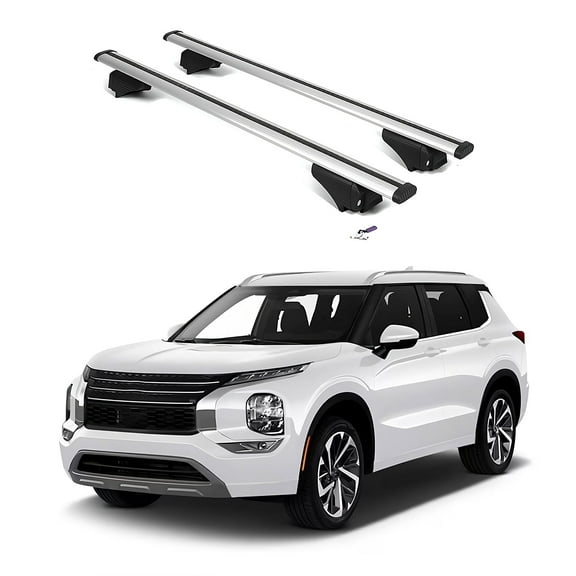
You can measure crossbar spread because that distance affects tray support and clamp placement. You should also confirm whether the carrier fits round, square, aerodynamic, or factory bars.
Your roof rack crossbar compatibility matters just as much as bike compatibility. You can avoid returns when you compare clamp width, bar height, and T-slot hardware before checkout.
You should also add up total roof load, including crossbars, carriers, and bikes. Your owner’s manual and bar system rating help you confirm that combined number.
You may prefer a one-bike tray when cargo boxes or sunroofs limit your roof space. You can consider a two-bike layout when your crossbar width and roof rating allow it.
Fork mount vs. wheel mount roof bike carriers
You should compare convenience against loading preference when you narrow fork mount and wheel mount options. You may trade front wheel removal for a lower carrying profile.
You may prefer wheel mount styles when you switch bikes often during the week. You can load quickly because your bike stays fully assembled from driveway to trailhead.
You may lean toward fork mount styles when you want a stable hold on long highway drives. You should remember that your removed front wheel needs space inside your vehicle.
Your bike type can guide the choice too, especially with fenders or unusual frame shapes. You can choose a tray and contact method that fits your bike without awkward adjustments.
Choosing locking details and everyday use
You should look for a locking roof bike rack when your bike stays on the roof during stops. You may see integrated locks or SKS lock cores, depending on the carrier design.
Your lock setup can secure the bike to the rack and the rack to the crossbars. You can appreciate that added control when your route includes parking lots, trailheads, or overnight travel.
You should also compare loading height, tray reach, and strap access for daily convenience. You can make your routine smoother when buckles and clamps stay easy to reach from both sides.
Rooftop bike racks make sense when you need clear rear access, flexible bike transport, and fit details that match your roof system. You can feel more confident when your carrier matches your bars, bike style, and loading routine.