







Bikes, Scooters & Skates | Kids & Adult Ride
Shop kids' bikes by wheel size
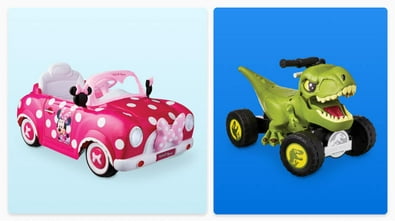
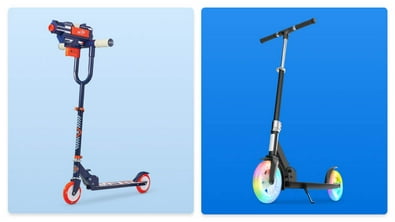
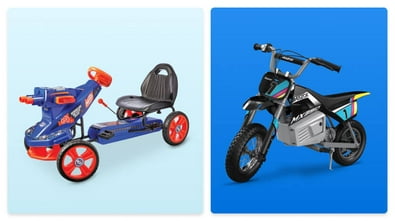
Top ride ons & more
Find the perfect ride for kids of all ages & stages.
Fun for all ages
Shop by character


Shop by brand




FAQ
About Bikes, Scooters & Skates | Kids & Adult Ride-Ons - Walmart.com
You can compare bikes, scooters and skates by rider age, fit, and power source, so your next ride feels comfortable and easy to use. You’ll also find options for family outings, neighborhood cruising, and active play across bikes, skateboards, inline skates, and scooters.
How to choose bikes, scooters and skates
Start with product type, because your riding style changes what you should consider first. You may want pedal bikes for longer rides, kick scooters for quick neighborhood laps, or skates for smooth pavement sessions.
Next, match your choice to your age group and experience level before you compare details. You’ll usually want toddler and kids bikes with easier sizing, while teens and adults may focus on frame size, wheel diameter, and weight capacity.
Power source matters too, because your effort level shapes how you’ll use each ride-on. You can choose pedal bikes for steady motion, manual kick scooters for simple control, or electric scooters for powered travel.
- You can narrow options faster when you compare product type first.
- You’ll get a more comfortable ride when your size matches the frame or deck.
- You can plan for everyday use by choosing manual, pedal, or electric movement.
- You’ll round out your setup with helmets, knee pads, and elbow guards.
Choosing by age group and rider fit
When you shop for toddler, kids, teen, or adult riders, you should measure before you choose. You’ll make a smarter pick when your bike frame size, wheel diameter, or skate fit matches your rider.
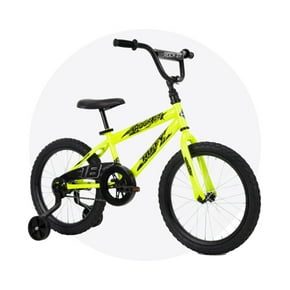
For kids bikes, you should focus on wheel diameter and rider confidence instead of guessing by age alone. You’ll often see smaller wheels for newer riders, which helps your child start and stop more easily.
If you’re choosing adult bicycles, you should compare frame size with your height and preferred riding posture. You’ll notice that a proper fit supports smoother pedaling and easier handling on longer rides.
With skates and skateboards, you should check deck length, boot feel, and weight capacity before you commit. You can get steadier control when your skates fit securely and your board matches your stance.
Comparing manual, pedal, and electric scooters
You should think about how much effort you want to use on each outing. You can keep things simple with manual ride-ons, or you can choose powered assistance for longer routes.
Pedal bikes work well when you want steady movement, simple upkeep, and familiar control. You’ll appreciate pedal power when your rides include parks, sidewalks, and weekend family trips.
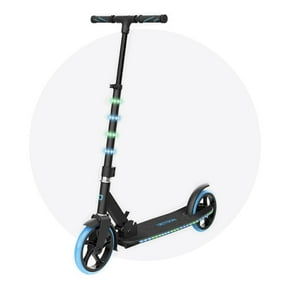
Kick scooters make sense when you want compact riding for short neighborhood loops and quick starts. You can hop on and off easily, which helps when your route includes frequent stops.
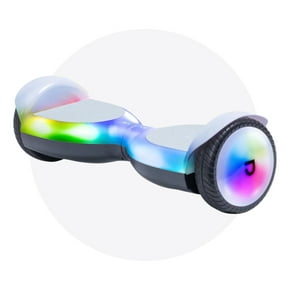
Electric scooters fit shoppers who want motor-assisted travel and less push effort during regular use. You should compare weight capacity, range details, and deck size so your scooter fits your routine.
What to look for in skates and skateboards
If you’re choosing inline skates, you should check closure style, wheel setup, and fit around your foot. You’ll feel more stable when your skates stay snug without feeling restrictive.
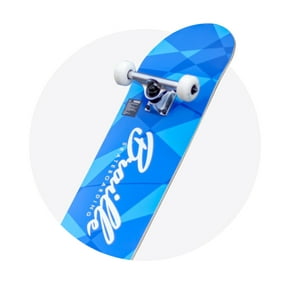
Skateboards work differently, so you should compare deck width, length, and intended riding style. You can choose a shape that feels easier for cruising, casual rolling, or learning basic moves.
For growing riders, you may want gear that supports skill-building without feeling complicated to use. You’ll benefit from straightforward sizing and durable construction when your sessions happen often.
Because skates and boards meet pavement directly, you should pay close attention to smooth rolling and rider balance. You can improve comfort by matching your setup to your experience level and usual surface.
Protective gear and helmet fit
You should treat protective gear as part of your setup, not as an afterthought. You’ll want helmets, knee pads, and elbow guards that match your rider size and activity.
When you compare helmets, you should look for a secure fit that stays in place comfortably. You can also check adjustment features that help your helmet feel stable during rides.
Knee pads and elbow guards matter when you’re choosing skates, skateboards, or scooters for active use. You’ll appreciate gear that moves with you while keeping your setup comfortable for longer sessions.
For family riding days, you can simplify your decision by pairing each ride-on with the right safety gear. You’ll feel ready for spring riding toys and outdoor summer toys when everything fits together properly.
Matching ride-ons to real routines
You may want different ride-ons for different parts of your week, so it helps to compare use cases directly. You can choose kids bikes for driveway practice, electric scooters for regular commuting, and inline skates for recreation paths.
If your family spends weekends outside, you might prefer a mix of bikes, scooters, and skateboards for shared activities. You’ll keep everyone engaged when each rider has an option that matches their age and confidence.
For shorter daily outings, you may lean toward scooters that are easy to maneuver and store. You can reserve adult bicycles for longer rides where comfort and steady pedaling matter more.
When you want one page to guide your full setup, you can compare ride-ons and helmets together. You’ll make clearer choices when your product type, fit, power source, and gear all align with your routine.
You can shop this category with more confidence when you know how fit, power, and protective gear work together. You’ll end up with a ride that suits your routine, supports comfort, and keeps every outing easier to enjoy.