


Bricktember



















About
LEGO building blocks help you plan fall play with age-based choices, familiar themes, and project lengths that fit your schedule. You can use this Bricktember page to compare building toy sets by age range, theme, piece count, and compatibility.
How to choose LEGO building blocks by age
You should start with age range because it shapes brick size, model detail, and instruction format. You can compare options for one to four years, five to seven years, eight to 11 years, and 12+ years.
For younger builders, you should look for simpler builds, larger parts, and quick finishes that keep play moving. For older builders, you can consider layered instructions, detailed designs, and longer projects that hold attention.
If you're shopping for siblings, you may prefer building toy sets with shared themes across different ages. You can keep everyone engaged while still matching each builder's comfort level.
Choosing building toy sets by theme and play style
You should compare themes early because personal interests often decide whether your child starts building right away. You can choose construction toys inspired by City scenes, Star Wars adventures, Ninjago action, or Friends stories.
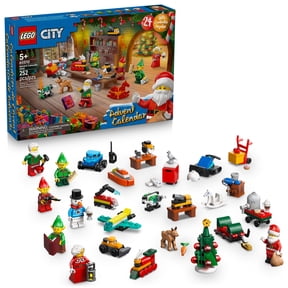
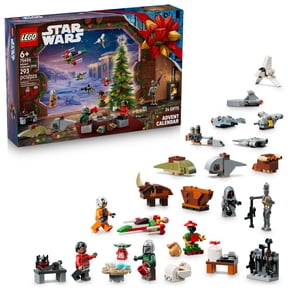
City sets can fit everyday role play, so you can build streets, vehicles, and community scenes. Star Wars sets can suit display-focused fans, while Ninjago and Friends can support character-led play.
When you match theme to interest, you can make building feel focused and rewarding. You'll also find it easier to pick seasonal building sets for birthdays, school breaks, or family weekends.
- You can choose age-based complexity for smooth instruction following.
- You can match favorite themes to longer-lasting play interest.
- You can compare piece counts to fit your time and space.
- You can check compatible toy bricks when expanding a collection.
What to look for in construction toys
You should check piece count before you choose because it often signals build length and project detail. You can compare sets under 100 pieces, 100 to 500 pieces, and 500+ pieces.
Sets under 100 pieces can work well when you want quick assembly and simple sorting. Sets from 100 to 500 pieces can give you extra scenes, moving parts, and replay-friendly building paths.
If you're considering 500+ pieces, you should expect a longer project with detailed sections and display appeal. You can pair those larger builds with intermediate or advanced collector skill levels.
You'll also want to compare beginner, intermediate, and advanced collector options before you commit. You can keep frustration in check by matching instructions and piece variety to your builder's experience.
You'll see plastic toy bricks frequently, and you can count on that familiar snap-together format. You may also notice wood or other materials in broader building bricks assortments, depending on the set style.
Checking compatibility and build time for LEGO building blocks
You should check whether toy bricks connect with other major building block brands if you're adding to an existing bin. You can make fuller use of your collection when sizes and connection styles align.
Compatibility matters when you want to mix old pieces with new models for expanded creations. You'll want to review product details carefully because connection fit can vary by brand and set line.
Build time also matters when you're choosing for after-school play, party activities, or weekend projects. You can usually expect shorter sessions from lower piece counts and longer sessions from larger kits.
If you're buying for travel or quick table play, you may prefer smaller sets with quick starts. If you're planning a focused project, you can choose larger building toy sets with complex steps.
How you can use seasonal building sets
You can use seasonal building sets to refresh playrooms when routines shift in the fall. You'll have flexible options for indoor afternoons, family game nights, and reward-based activities.
For younger kids, you can choose beginner-friendly sets with familiar characters and manageable piece counts. For older kids and teens, you can select themed building sets that support longer attention spans.
If you're shopping for collectors, you may focus on advanced building toys with detailed designs and display potential. If you're shopping for everyday play, you can lean toward rebuildable scenes and sturdy toy bricks.
You can also use LEGO building blocks for shared building time across different interests in one household. Your family can pick city builds, fantasy stories, or space scenes that suit each person's style.
With the right age range, theme, and piece count, you can choose LEGO building blocks that feel engaging from the first step. You'll get a clear path to a set that fits your builder, your schedule, and your play space.