

Herman Survivors in Fashion Brands













About Herman Survivors in Fashion Brands - Walmart.com
With Herman boots, you can handle demanding workdays and rough terrain with a brand legacy linked to Herman Survivors since 1879. You’ll find this category centered on toe protection choices, weather-ready coverage, and practical fits for active routines.
When you compare Herman Survivors footwear, you’re usually deciding between jobsite rules, outdoor conditions, and daily comfort needs. You can narrow your choice faster when you understand toe type, traction, waterproof coverage, and the right shaft style.
How to choose Herman boots
You should start with the job or activity you handle most often, because that decision shapes toe protection, outsole grip, and boot height. You’ll usually want different features for warehouse floors, wet yards, trails, or pull-on daily wear.
If you need a simple checklist, you can compare the details that affect comfort and coverage during long shifts. You’ll make a clearer choice when you match each feature to your work setting.
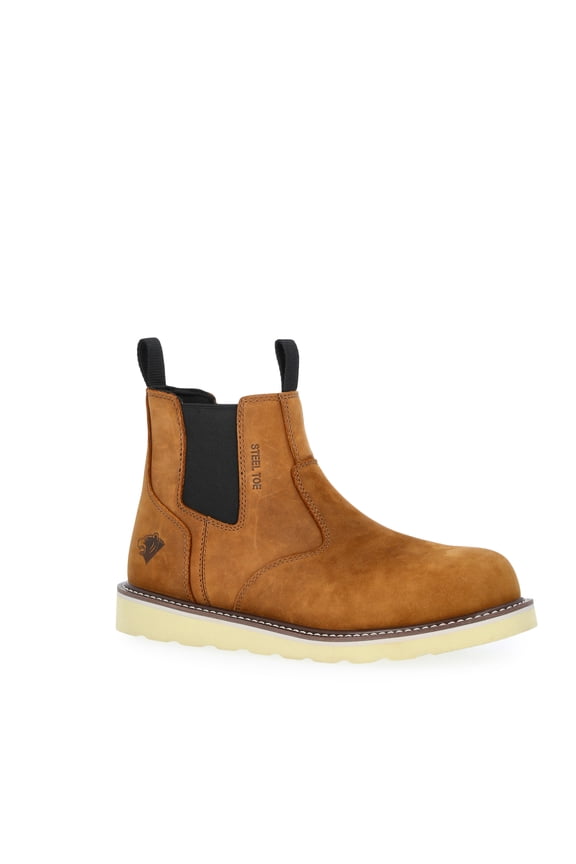
- You can choose steel toe when your workplace requires a classic reinforced front.
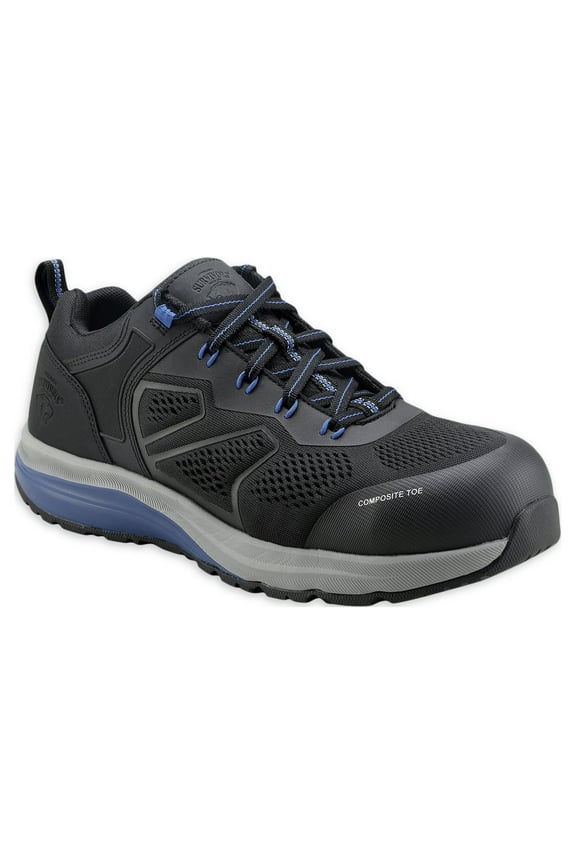
- You can consider composite toe when you want a lighter feel with job-focused protection.
- You can pick soft toe when your routine needs flexibility without a reinforced cap.
- You can look for waterproof builds when your day includes wet grass, puddles, or damp ground.
- You can check oil-resistant and slip-resistant soles when you walk on slick shop or garage surfaces.
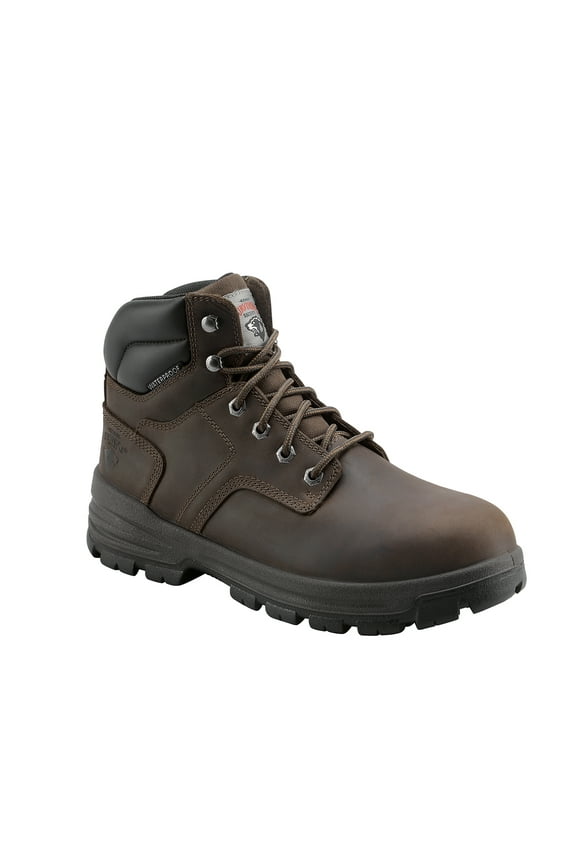
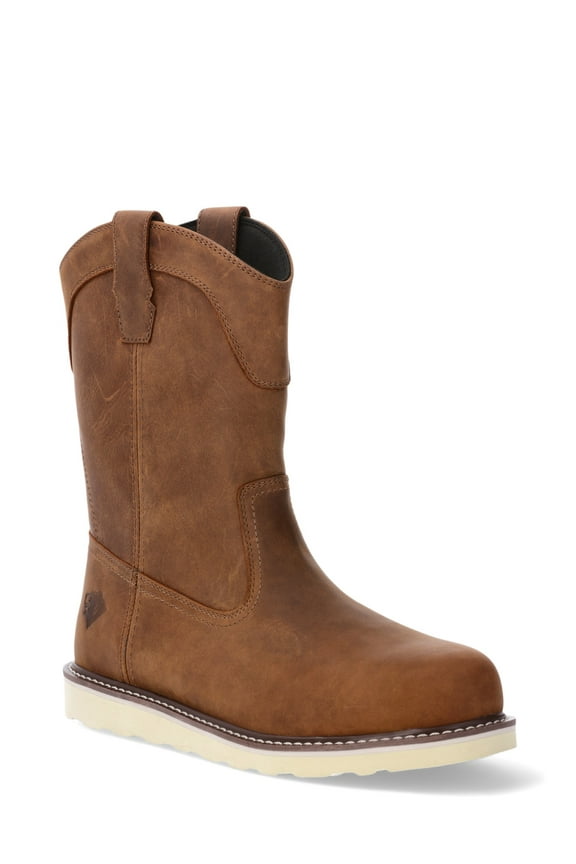
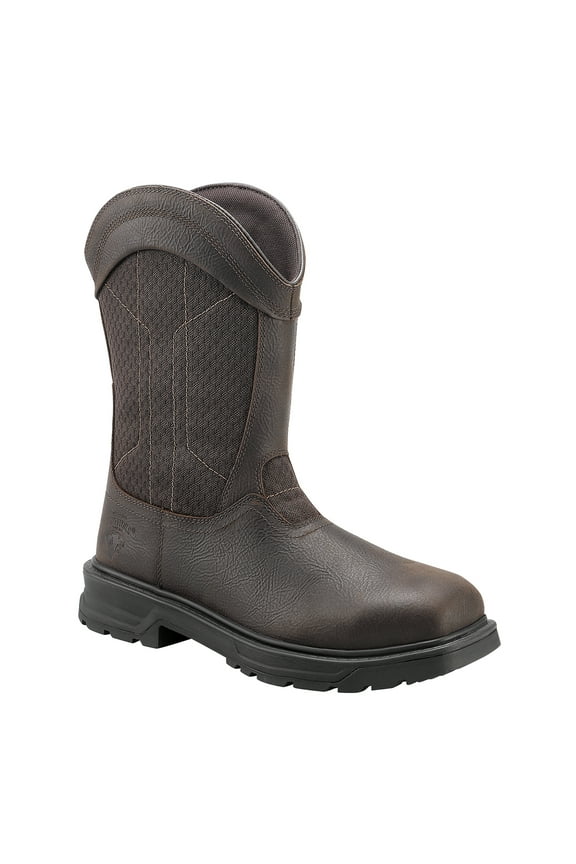
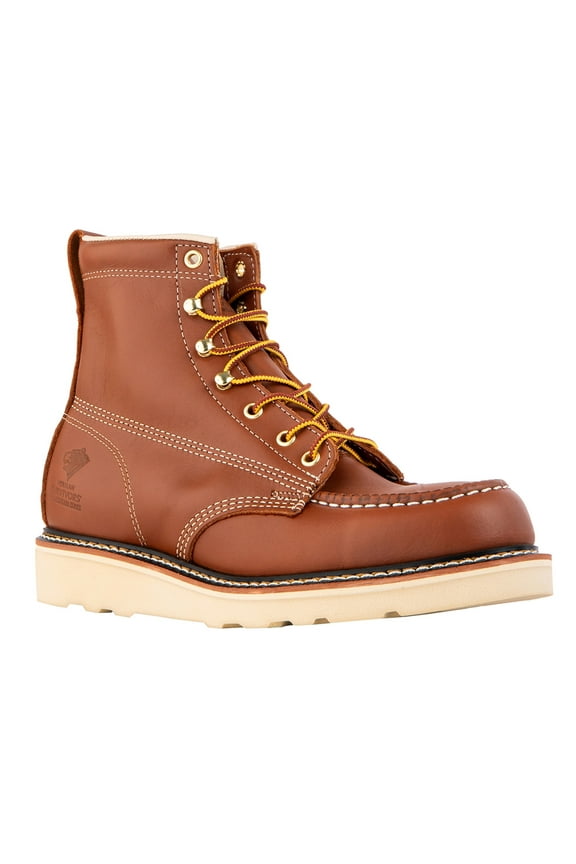
- You can compare work boots, hiking boots, and Wellington styles based on lace-up support or pull-on convenience.
Choosing between Herman Survivors toe and protection features
You should compare steel toe, composite toe, and soft toe based on workplace rules and the feel you prefer. You’ll notice steel toe often suits strict jobsite requirements, while composite toe can feel lighter during long hours.
If ASTM standards matter for your work, you should check the product details before you decide. You’ll want the listed rating to match your employer’s requirements, especially when you need job-compliant footwear.
You can also weigh waterproof, oil-resistant, and slip-resistant features based on where you spend your day. You’ll appreciate waterproof coverage in wet conditions, while oil-resistant outsoles help you move across messy shop floors.
When you compare sole grip, you should look at tread depth and outsole design, not just the boot name. You’ll get a clearer sense of traction when you match the outsole pattern to mud, gravel, or smooth surfaces.
What to look for in Herman work boots fit and construction
You should measure your usual sock thickness before you choose a size, because that small step can change the fit. You’ll often want extra room for work socks, especially when you wear boots for long shifts.
If you need men’s or women’s sizing, you should check the listing for fit details and available widths. You’ll benefit from wide width options when your forefoot needs more space through the toe box.
You can compare lace-up work boots with pull-on Wellington styles based on how you move each day. You’ll get more adjustable hold from laces, while Wellington boots can simplify repeated on-and-off wear.
For hiking-inspired pairs, you should look for ankle support, outsole grip, and uppers that handle changing ground conditions. You’ll usually prefer that design when your routine mixes walking distance with uneven terrain.
Matching Herman Survivors boots to your routine
You can match steel toe work boots to construction tasks, warehouse roles, and shop environments that call for reinforced coverage. You’ll likely prefer waterproof versions when your day starts outdoors and ends on muddy surfaces.
If you work around slick areas, you should compare slip-resistant and oil-resistant soles before anything else. You’ll notice that traction-focused outsoles matter when you move between concrete, garage floors, and entryways.
You can choose composite toe styles when you want job-ready structure with less front-end heft during long wear. You’ll often find that option useful when you walk frequently across large facilities.
For casual outdoor use, you can look at soft toe hiking boots that support weekend trails and camp setups. You’ll get a more flexible feel when your plans involve walking, packing, and changing surfaces.
If you want easy entry for daily chores, you should consider Wellington boots with pull-on convenience and steady coverage. You’ll appreciate that shape when your routine includes yard work, quick errands, or repeated boot changes.
You can also recognize botas Herman Survivors and zapatos survivors as helpful search phrases when you’re comparing brand-focused footwear options. You’ll connect those terms with work-ready styles, outdoor pairs, and practical everyday wear.
When brand history matters in your decision, you can use Herman Survivors since 1879 as one useful reference point. You’ll see that long-standing workwear roots align with durable styling and job-focused footwear choices.
Why this Herman Survivors category helps you decide
You can compare toe type, traction, waterproofing, fit, and style in one place without losing sight of your real use case. You’ll leave with footwear that fits your routine, your work requirements, and your daily comfort expectations.