

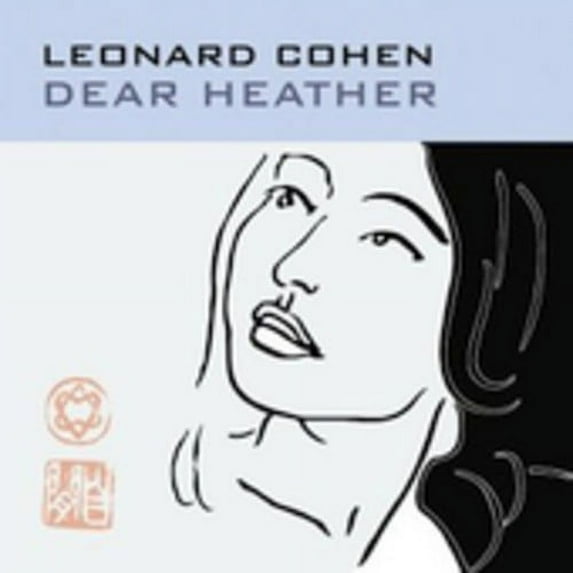
Dear Heather
Key item features
He is also a musician, of significant character and ability. Each of his songs embrace his lyrics like lovers. Each arrangement has a haunting, otherworldly character. His eleventh studio record, Dear Heather is, as was every one that preceded it, all about the lyrics. Dear Leonard has been practicing the "Smokey Life" for decades and his voice has been ravaged by it. But he was never a singer like that, and besides it would still be all right.
Cohen opens the collection with a new setting of Byron's "Go No More A-Roving", dedicated to poet Irving Layton. Composer/producer Sharon Robinson sings (with Cohen) and produced the track. Bob Sheppard provides ethereal sax fills. The tune is simple and the accompaniment sparse. The understated elegance of music supporting poetry is a hallmark of Cohen's body of work. A more soul-chilling cut is "Undertow", with supporting vocals by longtime friend Anjani Thomas. Cohen's own vocal, almost spoken, whispered, is haunting. Both tracks illustrate the retrospective nature of this collection. At 70, Cohen's famous blue raincoat is clearly torn at the shoulder. His vocal delivery is that of a valiant warrior bravely lifting his battered sword arm in challenge and tribute.
Much of this collection pays tribute to the past. Besides Byron (by reference) and Layton (by dedication), Cohen honors Carl Anderson with "Nightingale." Anjani's contribution is again strong here, but her style owes much to Cohen's bard-like, heraldic singer tradition. Cohen also plays Jew's harp here, and his use of this, the sax and, on other occasions, the accordion, give his music a sense of otherness. Like vaguely ethnic folk tunes, Cohen songs hint at places far, far away. "Villinelle For Our Time" sets a poem by Frank Scott in barren terms against a regular piano. Cohen rasps, chants, intones and pleads, "We loved the easy and the smart." This is expression stripped bare and exposed in blatant reality.
Dear Heather closes with a live cut from 1985. Anjani was there then, and the band has an easy groove. Cohen has a voice. He didn't really sing then, but he has more power and expression. The song is "Tennessee Waltz," to which Leonard wrote an additional verse. "It's stronger than drink and it's deeper than sorrow, the darkness she left in my heart" closes Cohen's verse. His is, was and will be, a voice crying in the wilderness. Une Canadian errant Leonard Cohen is ever a fellow traveler. Like the wandering minstrel, he chronicles the all-too-human condition. He wept as he danced.
Specs
- PerformerLeonard Cohen
- Music genreContemporary Folk, Folk Music
- Media formatCD
- Original release date2004
- LanguageEnglish
- Has parental advisory labelN
- Free shipping
 Free 30-day returns
How do you want your item?


About this item
Product details
He is also a musician, of significant character and ability. Each of his songs embrace his lyrics like lovers. Each arrangement has a haunting, otherworldly character. His eleventh studio record, Dear Heather is, as was every one that preceded it, all about the lyrics. Dear Leonard has been practicing the "Smokey Life" for decades and his voice has been ravaged by it. But he was never a singer like that, and besides it would still be all right.
Cohen opens the collection with a new setting of Byron's "Go No More A-Roving", dedicated to poet Irving Layton. Composer/producer Sharon Robinson sings (with Cohen) and produced the track. Bob Sheppard provides ethereal sax fills. The tune is simple and the accompaniment sparse. The understated elegance of music supporting poetry is a hallmark of Cohen's body of work. A more soul-chilling cut is "Undertow", with supporting vocals by longtime friend Anjani Thomas. Cohen's own vocal, almost spoken, whispered, is haunting. Both tracks illustrate the retrospective nature of this collection. At 70, Cohen's famous blue raincoat is clearly torn at the shoulder. His vocal delivery is that of a valiant warrior bravely lifting his battered sword arm in challenge and tribute.
Much of this collection pays tribute to the past. Besides Byron (by reference) and Layton (by dedication), Cohen honors Carl Anderson with "Nightingale." Anjani's contribution is again strong here, but her style owes much to Cohen's bard-like, heraldic singer tradition. Cohen also plays Jew's harp here, and his use of this, the sax and, on other occasions, the accordion, give his music a sense of otherness. Like vaguely ethnic folk tunes, Cohen songs hint at places far, far away. "Villinelle For Our Time" sets a poem by Frank Scott in barren terms against a regular piano. Cohen rasps, chants, intones and pleads, "We loved the easy and the smart." This is expression stripped bare and exposed in blatant reality.
Dear Heather closes with a live cut from 1985. Anjani was there then, and the band has an easy groove. Cohen has a voice. He didn't really sing then, but he has more power and expression. The song is "Tennessee Waltz," to which Leonard wrote an additional verse. "It's stronger than drink and it's deeper than sorrow, the darkness she left in my heart" closes Cohen's verse. His is, was and will be, a voice crying in the wilderness. Une Canadian errant Leonard Cohen is ever a fellow traveler. Like the wandering minstrel, he chronicles the all-too-human condition. He wept as he danced.
Specifications
Performer
Music genre
Media format
Original release date
Warranty
Warranty information
Warnings
Warning Text
 WARNING: “⚠ WARNING: This product can expose you to some chemicals, which is known to the State of California to cause For more information, go to www.P65Warnings.ca.gov.”
Similar items you might like
Lucy Kaplansky - Ten Year Night - Music & Performance - CD $10.40 $49.52/lb
 $1040current price $10.40$49.52/lb
Lucy Kaplansky - Ten Year Night - Music & Performance - CD
THE WAY IT REALLY IS $18.35
 $1835current price $18.35
THE WAY IT REALLY IS
15 out of 5 Stars. 1 reviewsFolksongs Of Louisiana Acadian $17.98
 $1798current price $17.98
Folksongs Of Louisiana Acadian
Brett Dennen - Hope For The Hopeless - Music & Performance - CD $7.71 $30.84/lb
 $771current price $7.71$30.84/lb
Brett Dennen - Hope For The Hopeless - Music & Performance - CD
GOD & THE FBI [019341149828] $14.01 Was $16.98
![GOD & THE FBI [019341149828]](https://i5.walmartimages.com/asr/7a6115d8-d900-423e-95d9-17ca6e8fbcf7.46677b3b40d2a43bec2c24a92b38fdf8.jpeg?odnHeight=576&odnWidth=576&odnBg=FFFFFF) $1401current price $14.01, Was $16.98$16.98
$1401current price $14.01, Was $16.98$16.98GOD & THE FBI [019341149828]
Leonard Cohen - New Skin for the Old Ceremony - Music & Performance - CD $9.99 $52.58/ea
 $999current price $9.99$52.58/ea
Leonard Cohen - New Skin for the Old Ceremony - Music & Performance - CD
Sarah McLachlan - Better Broken - Music & Performance - CD $18.17 $75.71/ea
 $1817current price $18.17$75.71/ea
Sarah McLachlan - Better Broken - Music & Performance - CD
44 out of 5 Stars. 4 reviewsDeath Of A Ladies' Man $16.40
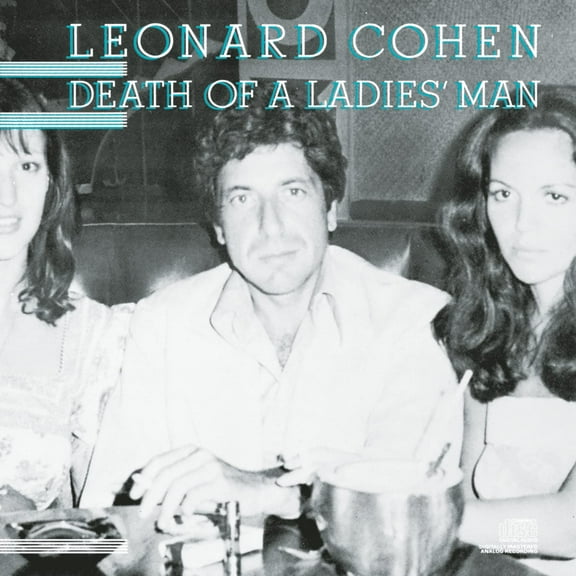 $1640current price $16.40
Death Of A Ladies' Man
Jacquerie $17.91
 $1791current price $17.91
Jacquerie
Heather Maloney - Just Enough Sun - Folk Music - CD $9.99 $71.36/lb
 $999current price $9.99$71.36/lb
Heather Maloney - Just Enough Sun - Folk Music - CD
Jim & Jesse - Our Kind of Country - Folk Music - CD $20.10
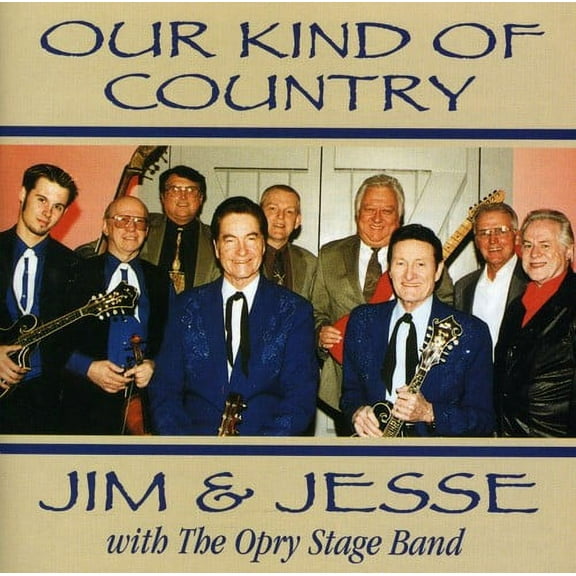 $2010current price $20.10
Jim & Jesse - Our Kind of Country - Folk Music - CD
Just That Beautiful $17.91
 $1791current price $17.91
Just That Beautiful
Folksingers of the 60's / Various $13.06
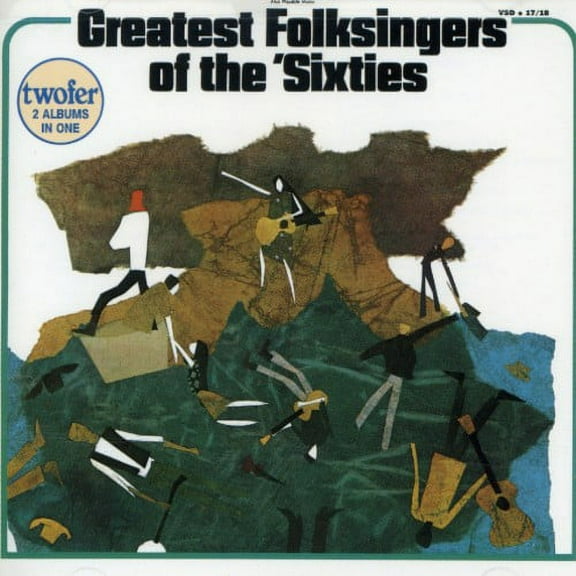 $1306current price $13.06
Folksingers of the 60's / Various
Shirley Collins - Holly Bears the Crown - Folk Music - CD $17.03
 $1703current price $17.03
Shirley Collins - Holly Bears the Crown - Folk Music - CD
The Village Singers - All Aboard - Folk Music - CD $20.15
 $2015current price $20.15
The Village Singers - All Aboard - Folk Music - CD
Quelqu'un M'a Di $17.66
 $1766current price $17.66
Quelqu'un M'a Di
Never Does (CD) $17.91
 $1791current price $17.91
Never Does (CD)
Eleanor McEvoy - Singled Out - Music & Performance - CD $13.52 $61.46/lb
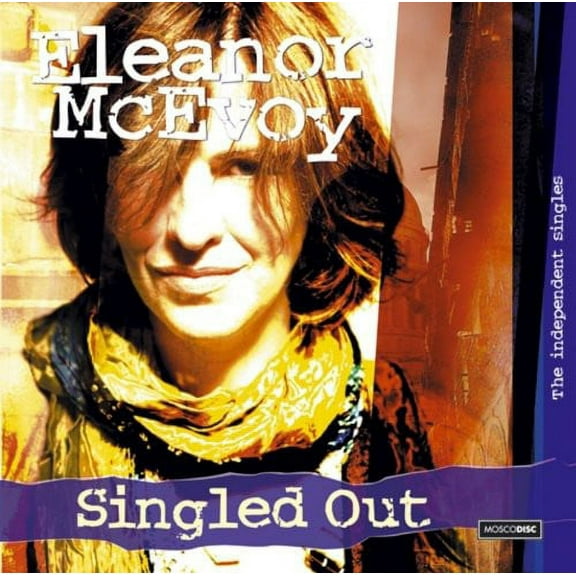 $1352current price $13.52$61.46/lb
Eleanor McEvoy - Singled Out - Music & Performance - CD
No Matter What $15.84
 $1584current price $15.84
No Matter What
Peg Clancy - Down By the Glenside - Music & Performance - CD $16.57 Was $18.98
 $1657current price $16.57, Was $18.98$18.98
Peg Clancy - Down By the Glenside - Music & Performance - CD
