


Arizona-Sonora Desert Museum Studies in Natural History: Conserving Migratory Pollinators and Nectar Corridors in Western North America (Paperback)
(No ratings yet)
Key item features
When migrating birds and other creatures move along a path of plant communities in bloom, they follow what has come to be known as a nectar trail. Should any of these plants be eliminated from the sequence—whether through habitat destruction, pests, or even aberrant weather—the movement of these pollinators may be interrupted and their very survival threatened. In recent efforts by ecologists and activists to envision a continental-scale network of protected areas connected by wildlife corridors, the peculiar roles of migratory pollinators which travel the entire length of this network cannot be underestimated in shaping the ultimate conservation design.
This book, a unique work of comparative zoogeography and conservation biology, is the first to bring together studies of these important migratory pollinators and of what we must do to conserve them. It considers the similarities and differences among the behavior and habitat requirements of several species of migratory pollinators and seed dispersers in the West—primarily rufous hummingbirds, white-winged doves, lesser long-nosed bats, and monarch butterflies. It examines the population dynamics of these four species in flyways that extend from the Pacific Ocean to the continental backbone of the Sierra Madre Oriental and Rocky Mountains, and it investigates their foraging and roosting behaviors as they journey from the Tropic of Cancer in western Mexico into the deserts, grasslands, and thornscrub of the U.S.-Mexico borderlands. The four pollinators whose journeys are traced here differ dramatically from one another in foraging strategies and stopover fidelities, but all challenge many of the truisms that have emerged regarding the status of migratory species in general. The rufous hummingbird makes the longest known avian migration in relation to body size and is a key to identifying nectar corridors running through northwestern Mexico to the United States. And there is new evidence to challenge the long-supposed separation of eastern and western monarch butterfly populations by the Rocky Mountains as these insects migrate.
Conserving Migratory Pollinators and Nectar Corridors in Western North America demonstrates new efforts to understand migratory species and to determine whether their densities, survival rates, and health are changing in response to changes in the distribution and abundance of nectar plants found within their ranges. Representing collaborative efforts that bridge field ecology and conservation biology in both theory and practice, it is dedicated to safeguarding dynamic interactions among plants and pollinators that are only now being identified.
This book, a unique work of comparative zoogeography and conservation biology, is the first to bring together studies of these important migratory pollinators and of what we must do to conserve them. It considers the similarities and differences among the behavior and habitat requirements of several species of migratory pollinators and seed dispersers in the West—primarily rufous hummingbirds, white-winged doves, lesser long-nosed bats, and monarch butterflies. It examines the population dynamics of these four species in flyways that extend from the Pacific Ocean to the continental backbone of the Sierra Madre Oriental and Rocky Mountains, and it investigates their foraging and roosting behaviors as they journey from the Tropic of Cancer in western Mexico into the deserts, grasslands, and thornscrub of the U.S.-Mexico borderlands. The four pollinators whose journeys are traced here differ dramatically from one another in foraging strategies and stopover fidelities, but all challenge many of the truisms that have emerged regarding the status of migratory species in general. The rufous hummingbird makes the longest known avian migration in relation to body size and is a key to identifying nectar corridors running through northwestern Mexico to the United States. And there is new evidence to challenge the long-supposed separation of eastern and western monarch butterfly populations by the Rocky Mountains as these insects migrate.
Conserving Migratory Pollinators and Nectar Corridors in Western North America demonstrates new efforts to understand migratory species and to determine whether their densities, survival rates, and health are changing in response to changes in the distribution and abundance of nectar plants found within their ranges. Representing collaborative efforts that bridge field ecology and conservation biology in both theory and practice, it is dedicated to safeguarding dynamic interactions among plants and pollinators that are only now being identified.
Specs
- Book formatPaperback
- Fiction/nonfictionNon-Fiction
- GenreNonfiction
- Publication dateSeptember, 2020
- Pages206
- EditionReprint edition
Current price is USD$35.22
Price when purchased online
Out of stock
How do you want your item?
Out of stock
About this item
Product details
When migrating birds and other creatures move along a path of plant communities in bloom, they follow what has come to be known as a nectar trail. Should any of these plants be eliminated from the sequence--whether through habitat destruction, pests, or even aberrant weather--the movement of these pollinators may be interrupted and their very survival threatened. In recent efforts by ecologists and activists to envision a continental-scale network of protected areas connected by wildlife corridors, the peculiar roles of migratory pollinators which travel the entire length of this network cannot be underestimated in shaping the ultimate conservation design. This book, a unique work of comparative zoogeography and conservation biology, is the first to bring together studies of these important migratory pollinators and of what we must do to conserve them. It considers the similarities and differences among the behavior and habitat requirements of several species of migratory pollinators and seed dispersers in the West--primarily rufous hummingbirds, white-winged doves, lesser long-nosed bats, and monarch butterflies. It examines the population dynamics of these four species in flyways that extend from the Pacific Ocean to the continental backbone of the Sierra Madre Oriental and Rocky Mountains, and it investigates their foraging and roosting behaviors as they journey from the Tropic of Cancer in western Mexico into the deserts, grasslands, and thornscrub of the U.S.-Mexico borderlands. The four pollinators whose journeys are traced here differ dramatically from one another in foraging strategies and stopover fidelities, but all challenge many of the truisms that have emerged regarding the status of migratory species in general. The rufous hummingbird makes the longest known avian migration in relation to body size and is a key to identifying nectar corridors running through northwestern Mexico to the United States. And there is new evidence to challenge the long-supposed separation of eastern and western monarch butterfly populations by the Rocky Mountains as these insects migrate. Conserving Migratory Pollinators and Nectar Corridors in Western North America demonstrates new efforts to understand migratory species and to determine whether their densities, survival rates, and health are changing in response to changes in the distribution and abundance of nectar plants found within their ranges. Representing collaborative efforts that bridge field ecology and conservation biology in both theory and practice, it is dedicated to safeguarding dynamic interactions among plants and pollinators that are only now being identified.
When migrating birds and other creatures move along a path of plant communities in bloom, they follow what has come to be known as a nectar trail. Should any of these plants be eliminated from the sequence—whether through habitat destruction, pests, or even aberrant weather—the movement of these pollinators may be interrupted and their very survival threatened. In recent efforts by ecologists and activists to envision a continental-scale network of protected areas connected by wildlife corridors, the peculiar roles of migratory pollinators which travel the entire length of this network cannot be underestimated in shaping the ultimate conservation design.
This book, a unique work of comparative zoogeography and conservation biology, is the first to bring together studies of these important migratory pollinators and of what we must do to conserve them. It considers the similarities and differences among the behavior and habitat requirements of several species of migratory pollinators and seed dispersers in the West—primarily rufous hummingbirds, white-winged doves, lesser long-nosed bats, and monarch butterflies. It examines the population dynamics of these four species in flyways that extend from the Pacific Ocean to the continental backbone of the Sierra Madre Oriental and Rocky Mountains, and it investigates their foraging and roosting behaviors as they journey from the Tropic of Cancer in western Mexico into the deserts, grasslands, and thornscrub of the U.S.-Mexico borderlands. The four pollinators whose journeys are traced here differ dramatically from one another in foraging strategies and stopover fidelities, but all challenge many of the truisms that have emerged regarding the status of migratory species in general. The rufous hummingbird makes the longest known avian migration in relation to body size and is a key to identifying nectar corridors running through northwestern Mexico to the United States. And there is new evidence to challenge the long-supposed separation of eastern and western monarch butterfly populations by the Rocky Mountains as these insects migrate.
Conserving Migratory Pollinators and Nectar Corridors in Western North America demonstrates new efforts to understand migratory species and to determine whether their densities, survival rates, and health are changing in response to changes in the distribution and abundance of nectar plants found within their ranges. Representing collaborative efforts that bridge field ecology and conservation biology in both theory and practice, it is dedicated to safeguarding dynamic interactions among plants and pollinators that are only now being identified.
This book, a unique work of comparative zoogeography and conservation biology, is the first to bring together studies of these important migratory pollinators and of what we must do to conserve them. It considers the similarities and differences among the behavior and habitat requirements of several species of migratory pollinators and seed dispersers in the West—primarily rufous hummingbirds, white-winged doves, lesser long-nosed bats, and monarch butterflies. It examines the population dynamics of these four species in flyways that extend from the Pacific Ocean to the continental backbone of the Sierra Madre Oriental and Rocky Mountains, and it investigates their foraging and roosting behaviors as they journey from the Tropic of Cancer in western Mexico into the deserts, grasslands, and thornscrub of the U.S.-Mexico borderlands. The four pollinators whose journeys are traced here differ dramatically from one another in foraging strategies and stopover fidelities, but all challenge many of the truisms that have emerged regarding the status of migratory species in general. The rufous hummingbird makes the longest known avian migration in relation to body size and is a key to identifying nectar corridors running through northwestern Mexico to the United States. And there is new evidence to challenge the long-supposed separation of eastern and western monarch butterfly populations by the Rocky Mountains as these insects migrate.
Conserving Migratory Pollinators and Nectar Corridors in Western North America demonstrates new efforts to understand migratory species and to determine whether their densities, survival rates, and health are changing in response to changes in the distribution and abundance of nectar plants found within their ranges. Representing collaborative efforts that bridge field ecology and conservation biology in both theory and practice, it is dedicated to safeguarding dynamic interactions among plants and pollinators that are only now being identified.
info:
We aim to show you accurate product information. Manufacturers, suppliers and others provide what you see here, and we have not verified it.
Specifications
Book format
Paperback
Fiction/nonfiction
Non-Fiction
Genre
Nonfiction
Publication date
September, 2020
Warranty
Warranty information
Please be aware that the warranty terms on items offered for sale by third party Marketplace sellers may differ from those displayed in this section (if any). To confirm warranty terms on an item offered for sale by a third party Marketplace seller, please use the 'Contact seller' feature on the third party Marketplace seller's information page and request the item's warranty terms prior to purchase.
Similar items you might like
Based on what customers bought
A Canyon through Time : Archaeology, History, and Ecology of the Tecolote Canyon Area, Santa Barbara County, California (Paperback) $38.71
 $3871current price $38.71
A Canyon through Time : Archaeology, History, and Ecology of the Tecolote Canyon Area, Santa Barbara County, California (Paperback)
Fluid Geographies: Water, Science, and Settler Colonialism in New Mexico, (Paperback) $34.97
 $3497current price $34.97
Fluid Geographies: Water, Science, and Settler Colonialism in New Mexico, (Paperback)
States of Nature: Science, Agriculture, and Environment in the Spanish Caribbean, 1760-1940, (Paperback) $31.33
 $3133current price $31.33
States of Nature: Science, Agriculture, and Environment in the Spanish Caribbean, 1760-1940, (Paperback)
Arboretum Et Fruticetum Britannicum or the Trees and Shrubs of Britain, Native and Foreign, Hardy (Paperback) $37.95
 $3795current price $37.95
Arboretum Et Fruticetum Britannicum or the Trees and Shrubs of Britain, Native and Foreign, Hardy (Paperback)
A Roadside Guide to the Geology of Great Smoky Mountains National Park, (Paperback) $11.99
 $1199current price $11.99
A Roadside Guide to the Geology of Great Smoky Mountains National Park, (Paperback)
Enduring Seeds: Native American Agriculture and Wild Plant Conservation, (Paperback) $24.83
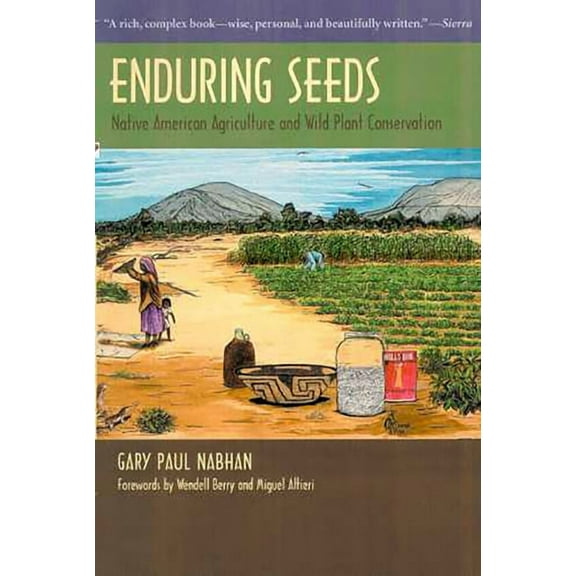 $2483current price $24.83
Enduring Seeds: Native American Agriculture and Wild Plant Conservation, (Paperback)
Southwest Center The Nature of Desert Nature, (Paperback) $18.67
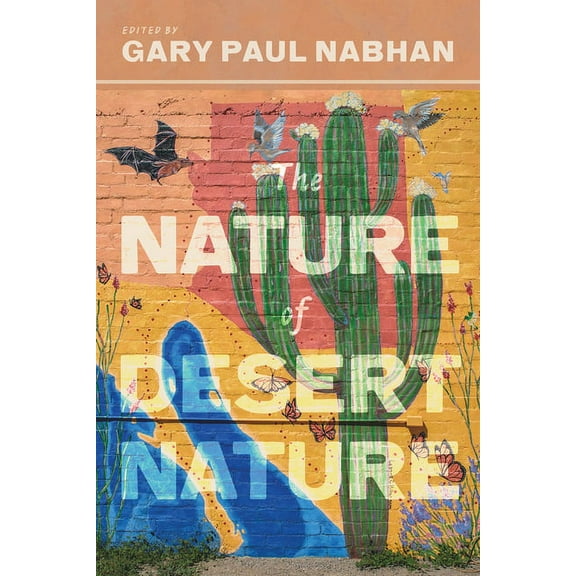 $1867current price $18.67
Southwest Center The Nature of Desert Nature, (Paperback)
Guide to the Plants of Arizona's White Mountains, (Paperback) $29.27
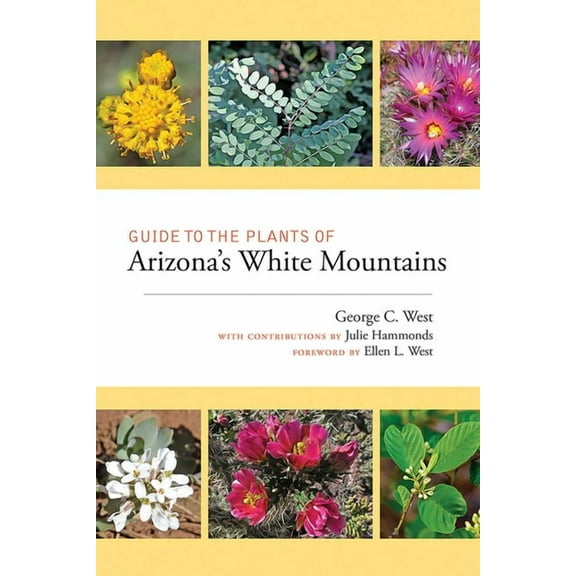 $2927current price $29.27
Guide to the Plants of Arizona's White Mountains, (Paperback)
Birding in Al Qudra: Magical Experience of Nature in the Desert, (Paperback) $36.15
 $3615current price $36.15
Birding in Al Qudra: Magical Experience of Nature in the Desert, (Paperback)
Grasses Of The Southwest: Plates And Descriptions Of The Grasses Of The Desert Region Of Western Texas, New Mexico, Ariz, (Paperback) $25.95
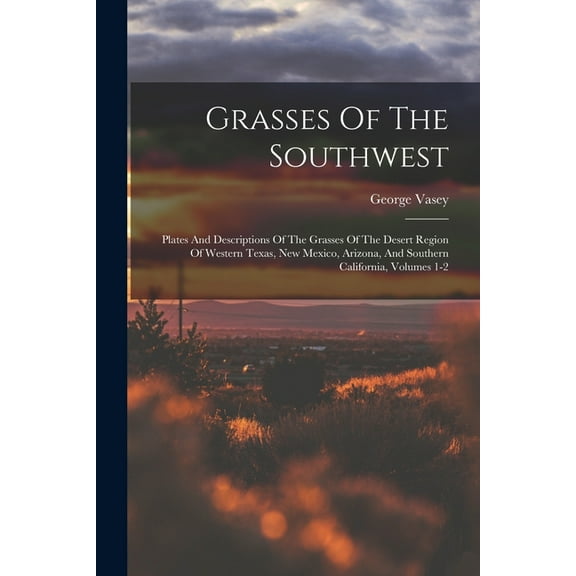 $2595current price $25.95
Grasses Of The Southwest: Plates And Descriptions Of The Grasses Of The Desert Region Of Western Texas, New Mexico, Ariz, (Paperback)
Portage and Main: How an Iconic Intersection Shaped Winnipeg's History, Politics, and Urban Life, (Paperback) $23.91
 $2391current price $23.91
Portage and Main: How an Iconic Intersection Shaped Winnipeg's History, Politics, and Urban Life, (Paperback)
Grasses of the Southwest: Plates and Descriptions of the Grasses of the Desert Region of Western Texas, New Mexico, Ariz, (Paperback) $29.88
 $2988current price $29.88
Grasses of the Southwest: Plates and Descriptions of the Grasses of the Desert Region of Western Texas, New Mexico, Ariz, (Paperback)
Cambridge Latin American Studies Foreign Immigrants in Early Bourbon Mexico, 1700 1760, Book 31, (Paperback) $48.01
 $4801current price $48.01
Cambridge Latin American Studies Foreign Immigrants in Early Bourbon Mexico, 1700 1760, Book 31, (Paperback)
Birds Of The Lahontan Valley : A Guide To Nevada'S Wetland Oasis (Paperback) $20.82
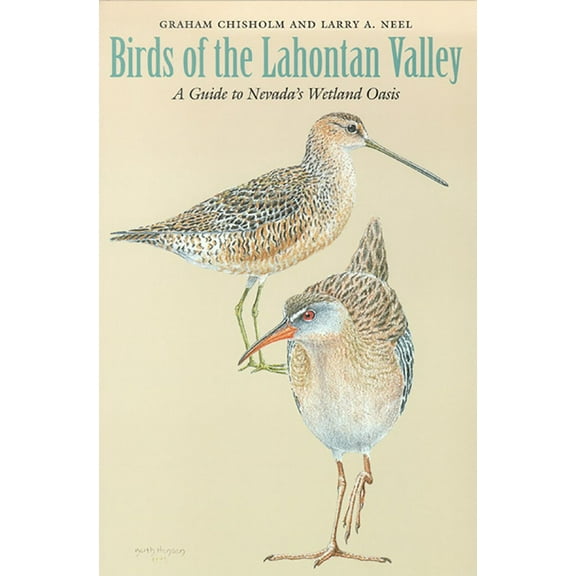 $2082current price $20.82
Birds Of The Lahontan Valley : A Guide To Nevada'S Wetland Oasis (Paperback)
Florida Museum of Natural History: Riple New Histories of Village Life at Crystal River, (Paperback) $37.00
 $3700current price $37.00
Florida Museum of Natural History: Riple New Histories of Village Life at Crystal River, (Paperback)
New Century Gardens and Landscapes of th Feeding a Divided America: Reflections of a Western Rancher in the Era of Climate Change, (Hardcover) $22.90
 $2290current price $22.90
New Century Gardens and Landscapes of th Feeding a Divided America: Reflections of a Western Rancher in the Era of Climate Change, (Hardcover)
School for Advanced Research Resident Sc Flow of Power: Ancient Water Systems and Landscapes, (Paperback) $30.28
 $3028current price $30.28
School for Advanced Research Resident Sc Flow of Power: Ancient Water Systems and Landscapes, (Paperback)
As Precious as Blood : The Western Slope in Colorado's Water Wars, 1900-1970 (Paperback) $36.95
 $3695current price $36.95
As Precious as Blood : The Western Slope in Colorado's Water Wars, 1900-1970 (Paperback)
Texas Pan American Under the Rainbow: Nature and Supernature Among the Panare Indians, (Paperback) $26.32 Was $30.04
 $2632current price $26.32, Was $30.04$30.04
Texas Pan American Under the Rainbow: Nature and Supernature Among the Panare Indians, (Paperback)
Reduced price Pre-Owned Arizona's Scenic Roads and Hikes: Unforgettable Journeys in the Grand Canyon State (Paperback) 0826359272 9780826359278 $13.36 Was $15.92
Reduced price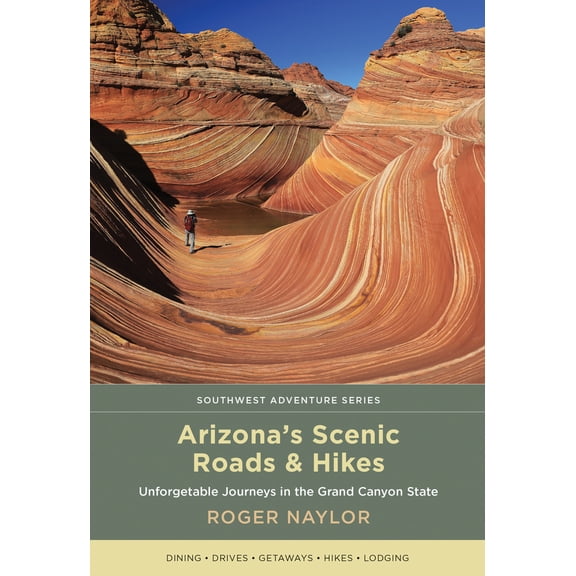 2 optionsAvailable in additional 2 options$1336current price $13.36, Was $15.92$15.92
Pre-Owned Arizona's Scenic Roads and Hikes: Unforgettable Journeys in the Grand Canyon State (Paperback) 0826359272 9780826359278
Customer ratings & reviews
0 ratings|0 reviews
This item does not have any reviews yet
