


Hero image 0 of Mountain Feds : Arkansas Unionists and the Peace Society (Hardcover), 0 of 1
Mountain Feds : Arkansas Unionists and the Peace Society (Hardcover)
(No ratings yet)
Key item features
This is the fascinating story of the farmers and hill people from northern Arkansas, where slavery was not a big part of the local economy, who opposed the state’s secession from the Union.
In resistance to secession and to fighting for the Confederacy, they formed secret organizations—known commonly as the Arkansas Peace Society—and inaugurated their own leaders. Increased pressure from Richmond in the fall of 1861 for the Arkansas government to provide more soldiers pressed Arkansas’s yeomen farmers to enlist but only provided more incentive for the men to join the Arkansas Peace Society (later known as the Union League).
Many Arkansas communities forged home protective units or vigilance committees to protect themselves from slave uprisings and what they saw as federal invasion. Unionist mountaineers did the same, but their home protection organizations were secret because they were seeking protection from their secessionist neighbors and the state’s Confederate government.
In November 1861, the Arkansas Peace Society was first discovered in Clinton, Van Buren County, by the secessionist element, which rapidly formed vigilante committees to arrest and interrogate the suspects. The news and subsequent arrests spread to adjoining counties from the Arkansas River to the Missouri border. In most cases, the local militia was called out to handle the arrests and put down the rumored uprising.
While some Peace Society members fled to Missouri or hid in the woods, others were arrested and marched to Little Rock, where they were forced to join the Confederate army. Leaders who were prominent in the Peace Society recruited and led companies in Arkansas and Missouri Unionist regiments, returning to their homes to bring out loyalist refugees or to suppress Confederate guerrillas. A few of these home-grown leaders assumed leadership positions in civil government in the last months of the war, with the effects of their actions lingering for years to come.
In resistance to secession and to fighting for the Confederacy, they formed secret organizations—known commonly as the Arkansas Peace Society—and inaugurated their own leaders. Increased pressure from Richmond in the fall of 1861 for the Arkansas government to provide more soldiers pressed Arkansas’s yeomen farmers to enlist but only provided more incentive for the men to join the Arkansas Peace Society (later known as the Union League).
Many Arkansas communities forged home protective units or vigilance committees to protect themselves from slave uprisings and what they saw as federal invasion. Unionist mountaineers did the same, but their home protection organizations were secret because they were seeking protection from their secessionist neighbors and the state’s Confederate government.
In November 1861, the Arkansas Peace Society was first discovered in Clinton, Van Buren County, by the secessionist element, which rapidly formed vigilante committees to arrest and interrogate the suspects. The news and subsequent arrests spread to adjoining counties from the Arkansas River to the Missouri border. In most cases, the local militia was called out to handle the arrests and put down the rumored uprising.
While some Peace Society members fled to Missouri or hid in the woods, others were arrested and marched to Little Rock, where they were forced to join the Confederate army. Leaders who were prominent in the Peace Society recruited and led companies in Arkansas and Missouri Unionist regiments, returning to their homes to bring out loyalist refugees or to suppress Confederate guerrillas. A few of these home-grown leaders assumed leadership positions in civil government in the last months of the war, with the effects of their actions lingering for years to come.
Specs
- Book formatHardcover
- Fiction/nonfictionNon-Fiction
- GenreHistory
- Publication dateSeptember, 2018
- Pages320
- Edition1st Edition
Current price is USD$44.90
Price when purchased online
- Free shipping
 Free 30-day returns
How do you want your item?
Ships to
Arrives between May 7 - May 10
|
Sold and shipped by newbookdeals
4.5602910602910605 stars out of 5, based on 1924 seller reviews(4.6)1924 seller reviews

Free 30-day returns
About this item
Product details
"This is the fascinating story of Civil War era farmers and hill people from northern Arkansas, where slavery was not a big part of the local economy, who opposed the state's secession from the Union"-- This is the fascinating story of the farmers and hill people from northern Arkansas, where slavery was not a big part of the local economy, who opposed the state's secession from the Union. In resistance to secession and to fighting for the Confederacy, they formed secret organizations--known commonly as the Arkansas Peace Society--and inaugurated their own leaders. Increased pressure from Richmond in the fall of 1861 for the Arkansas government to provide more soldiers pressed Arkansas's yeomen farmers to enlist but only provided more incentive for the men to join the Arkansas Peace Society (later known as the Union League).
Many Arkansas communities forged home protective units or vigilance committees to protect themselves from slave uprisings and what they saw as federal invasion. Unionist mountaineers did the same, but their home protection organizations were secret because they were seeking protection from their secessionist neighbors and the state's Confederate government. In November 1861, the Arkansas Peace Society was first discovered in Clinton, Van Buren County, by the secessionist element, which rapidly formed vigilante committees to arrest and interrogate the suspects. The news and subsequent arrests spread to adjoining counties from the Arkansas River to the Missouri border. In most cases, the local militia was called out to handle the arrests and put down the rumored uprising. While some Peace Society members fled to Missouri or hid in the woods, others were arrested and marched to Little Rock, where they were forced to join the Confederate army. Leaders who were prominent in the Peace Society recruited and led companies in Arkansas and Missouri Unionist regiments, returning to their homes to bring out loyalist refugees or to suppress Confederate guerrillas. A few of these home-grown leaders assumed leadership positions in civil government in the last months of the war, with the effects of their actions lingering for years to come.
Many Arkansas communities forged home protective units or vigilance committees to protect themselves from slave uprisings and what they saw as federal invasion. Unionist mountaineers did the same, but their home protection organizations were secret because they were seeking protection from their secessionist neighbors and the state's Confederate government. In November 1861, the Arkansas Peace Society was first discovered in Clinton, Van Buren County, by the secessionist element, which rapidly formed vigilante committees to arrest and interrogate the suspects. The news and subsequent arrests spread to adjoining counties from the Arkansas River to the Missouri border. In most cases, the local militia was called out to handle the arrests and put down the rumored uprising. While some Peace Society members fled to Missouri or hid in the woods, others were arrested and marched to Little Rock, where they were forced to join the Confederate army. Leaders who were prominent in the Peace Society recruited and led companies in Arkansas and Missouri Unionist regiments, returning to their homes to bring out loyalist refugees or to suppress Confederate guerrillas. A few of these home-grown leaders assumed leadership positions in civil government in the last months of the war, with the effects of their actions lingering for years to come.
This is the fascinating story of the farmers and hill people from northern Arkansas, where slavery was not a big part of the local economy, who opposed the state’s secession from the Union.
In resistance to secession and to fighting for the Confederacy, they formed secret organizations—known commonly as the Arkansas Peace Society—and inaugurated their own leaders. Increased pressure from Richmond in the fall of 1861 for the Arkansas government to provide more soldiers pressed Arkansas’s yeomen farmers to enlist but only provided more incentive for the men to join the Arkansas Peace Society (later known as the Union League).
Many Arkansas communities forged home protective units or vigilance committees to protect themselves from slave uprisings and what they saw as federal invasion. Unionist mountaineers did the same, but their home protection organizations were secret because they were seeking protection from their secessionist neighbors and the state’s Confederate government.
In November 1861, the Arkansas Peace Society was first discovered in Clinton, Van Buren County, by the secessionist element, which rapidly formed vigilante committees to arrest and interrogate the suspects. The news and subsequent arrests spread to adjoining counties from the Arkansas River to the Missouri border. In most cases, the local militia was called out to handle the arrests and put down the rumored uprising.
While some Peace Society members fled to Missouri or hid in the woods, others were arrested and marched to Little Rock, where they were forced to join the Confederate army. Leaders who were prominent in the Peace Society recruited and led companies in Arkansas and Missouri Unionist regiments, returning to their homes to bring out loyalist refugees or to suppress Confederate guerrillas. A few of these home-grown leaders assumed leadership positions in civil government in the last months of the war, with the effects of their actions lingering for years to come.
In resistance to secession and to fighting for the Confederacy, they formed secret organizations—known commonly as the Arkansas Peace Society—and inaugurated their own leaders. Increased pressure from Richmond in the fall of 1861 for the Arkansas government to provide more soldiers pressed Arkansas’s yeomen farmers to enlist but only provided more incentive for the men to join the Arkansas Peace Society (later known as the Union League).
Many Arkansas communities forged home protective units or vigilance committees to protect themselves from slave uprisings and what they saw as federal invasion. Unionist mountaineers did the same, but their home protection organizations were secret because they were seeking protection from their secessionist neighbors and the state’s Confederate government.
In November 1861, the Arkansas Peace Society was first discovered in Clinton, Van Buren County, by the secessionist element, which rapidly formed vigilante committees to arrest and interrogate the suspects. The news and subsequent arrests spread to adjoining counties from the Arkansas River to the Missouri border. In most cases, the local militia was called out to handle the arrests and put down the rumored uprising.
While some Peace Society members fled to Missouri or hid in the woods, others were arrested and marched to Little Rock, where they were forced to join the Confederate army. Leaders who were prominent in the Peace Society recruited and led companies in Arkansas and Missouri Unionist regiments, returning to their homes to bring out loyalist refugees or to suppress Confederate guerrillas. A few of these home-grown leaders assumed leadership positions in civil government in the last months of the war, with the effects of their actions lingering for years to come.
info:
We aim to show you accurate product information. Manufacturers, suppliers and others provide what you see here, and we have not verified it.
Specifications
Book format
Hardcover
Fiction/nonfiction
Non-Fiction
Genre
History
Publication date
September, 2018
Warranty
Warranty information
Please be aware that the warranty terms on items offered for sale by third party Marketplace sellers may differ from those displayed in this section (if any). To confirm warranty terms on an item offered for sale by a third party Marketplace seller, please use the 'Contact seller' feature on the third party Marketplace seller's information page and request the item's warranty terms prior to purchase.
Similar items you might like
Based on what customers bought
Voices of the Civil War From Huntsville To Appomattox: R. T. Coles's History Of 4Th Regiment,, (Paperback) $34.95
 $3495current price $34.95
Voices of the Civil War From Huntsville To Appomattox: R. T. Coles's History Of 4Th Regiment,, (Paperback)
Letters From Two Brothers Serving in the War for the Union to Their Family at Home (Hardcover) $31.95
 $3195current price $31.95
Letters From Two Brothers Serving in the War for the Union to Their Family at Home (Hardcover)
History Of Pennsylvania Volunteers, 1861-5, Volume 5, Part 1 (Hardcover) $44.29
 $4429current price $44.29
History Of Pennsylvania Volunteers, 1861-5, Volume 5, Part 1 (Hardcover)
History of the Grand Army of the Republic (Hardcover) $44.81
 $4481current price $44.81
History of the Grand Army of the Republic (Hardcover)
Civil War Soldiers and Strategies Adelbert Ames, the Civil War, and the Creation of Modern America, (Paperback) $31.75
 $3175current price $31.75
Civil War Soldiers and Strategies Adelbert Ames, the Civil War, and the Creation of Modern America, (Paperback)
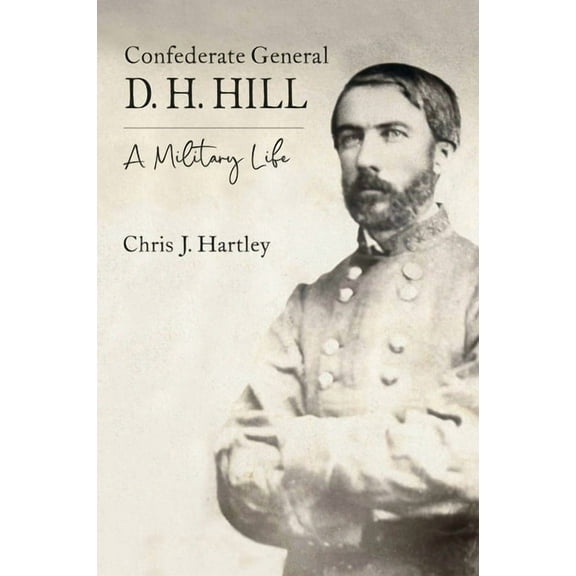
Confederate General D. H. Hill: A Military Life, (Hardcover) $26.37
 $2637current price $26.37
Confederate General D. H. Hill: A Military Life, (Hardcover)
A Life of Gen. Robert E. Lee, (Hardcover) $45.18
 $4518current price $45.18
A Life of Gen. Robert E. Lee, (Hardcover)
From Manassas to Appomattox: Memoirs of the Civil War in America, (Paperback) $34.91 Was $43.79
 $3491current price $34.91, Was $43.79$43.79
From Manassas to Appomattox: Memoirs of the Civil War in America, (Paperback)
The Battle for the Black Mind, (Hardcover) $10.13
 $1013current price $10.13
The Battle for the Black Mind, (Hardcover)
34.7 out of 5 Stars. 3 reviewsHistory Of The One Hundred And Twenty-fourth Regiment: N. Y. S. V, (Hardcover) $46.46
 $4646current price $46.46
History Of The One Hundred And Twenty-fourth Regiment: N. Y. S. V, (Hardcover)
The Life of David Glasgow Farragut, (Hardcover) $41.45
 $4145current price $41.45
The Life of David Glasgow Farragut, (Hardcover)
James Harlan (Hardcover) $38.95
 $3895current price $38.95
James Harlan (Hardcover)
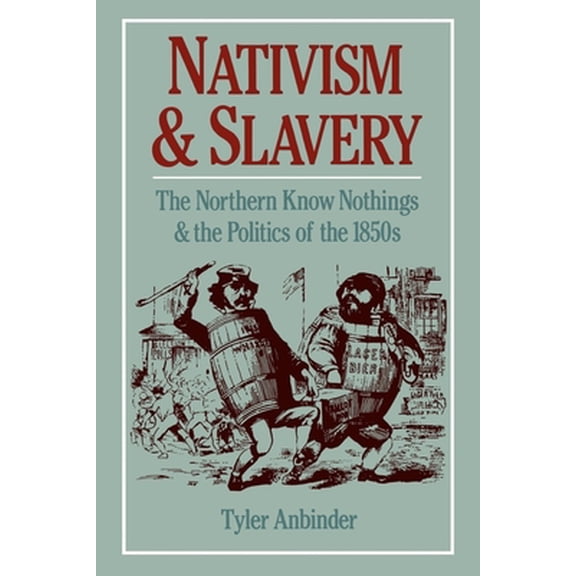
Pre-Owned Nativism and Slavery: The Northern Know Nothings and the Politics of the 1850s (Paperback) 0195089227 9780195089226 $51.82
 2 optionsAvailable in additional 2 options$5182current price $51.82
Pre-Owned Nativism and Slavery: The Northern Know Nothings and the Politics of the 1850s (Paperback) 0195089227 9780195089226
Slavery and Southern Methodism, (Hardcover) $29.95
 $2995current price $29.95
Slavery and Southern Methodism, (Hardcover)
Secession, Coercion, and Civil war. The Story of 1861 .. (Hardcover) $39.95
 $3995current price $39.95
Secession, Coercion, and Civil war. The Story of 1861 .. (Hardcover)
England the United States and the Southern Confederacy (Hardcover) $32.00 Was $36.14
 $3200current price $32.00, Was $36.14$36.14
England the United States and the Southern Confederacy (Hardcover)
The Civil War in Spotsylvania County (Hardcover) $26.92 Was $30.58
 $2692current price $26.92, Was $30.58$30.58
The Civil War in Spotsylvania County (Hardcover)
Causes of the Civil War in America, (Hardcover) $31.12
 $3112current price $31.12
Causes of the Civil War in America, (Hardcover)
The Partisan Rangers Of The Confederate States Army (Hardcover) $41.95
 $4195current price $41.95
The Partisan Rangers Of The Confederate States Army (Hardcover)
Customer ratings & reviews
0 ratings|0 reviews
This item does not have any reviews yet

Related pages
- Governors Indiana
- Indiana Sb Nation
- Public Library Of Fort Wayne And Alle
- History Detroit
- Tuskegee History
- Romney W Va
- Western State & Local United States History Books
- Midwest State & Local United States History Books
- Southern State & Local United States History Books
- Southwest State & Local United States History Books
- General State & Local United States History Books
- New England State & Local United States History Books