


Power Play : The Bush Presidency and the Constitution (Hardcover)
Key item features
The framers of the U.S. Constitution divided the federal government's powers among three branches: the executive, the legislative, and the judiciary. Their goal was to prevent tyranny by ensuring that none of the branches could govern alone. While numerous presidents have sought to escape these constitutional constraints, the administration of George W. Bush went farther than most. It denied the writ of habeas corpus to individuals deemed to be enemy combatants. It suspended the Geneva Convention and allowed or encouraged the use of harsh interrogation methods amounting to torture. It ordered the surveillance of Americans without obtaining warrants as required by law. And it issued signing statements declaring that the president does not have the duty to faithfully execute hundreds of provisions in the laws he has signed.
Power Play analyzes the Bush presidency's efforts to expand executive power in these four domains and puts them into constitutional and historical perspective. Pfiffner explores the evolution of Anglo-American thinking about executive power and individual rights. He highlights the lessons the Constitution's framers drew from such philosophers as Locke and Montesquieu, as well as English constitutional history. He documents the ways in which the Bush administration's policies have undermined the separation of powers, and he shows how these practices have imperiled the rule of law.
Following 9/11, the Bush presidency engaged in a two-front offensive. In Afghanistan and Iraq, the administration aggressively prosecuted the ""war on terror."" At home, it targeted constraints on the power of the executive. Power Play lays bare the extent of this second campaign and explains why it will continue to threaten the future of republican government if the other two branches do not assert their own constitutional prerogatives.
Specs
- Book formatHardcover
- Fiction/nonfictionNon-Fiction
- GenreHistory
- Publication dateMay, 2008
- Pages299
- Number in series1
- Free shipping
 Free 30-day returns
How do you want your item?


About this item
Product details
The framers of the U.S. Constitution divided the federal government's powers among three branches: the executive, the legislative, and the judiciary. Their goal was to prevent tyranny by ensuring that none of the branches could govern alone. While numerous presidents have sought to escape these constitutional constraints, the administration of George W. Bush went farther than most. It denied the writ of habeas corpus to individuals deemed to be enemy combatants. It suspended the Geneva Convention and allowed or encouraged the use of harsh interrogation methods amounting to torture. It ordered the surveillance of Americans without obtaining warrants as required by law. And it issued signing statements declaring that the president does not have the duty to faithfully execute hundreds of provisions in the laws he has signed.
Power Play analyzes the Bush presidency's efforts to expand executive power in these four domains and puts them into constitutional and historical perspective. Pfiffner explores the evolution of Anglo-American thinking about executive power and individual rights. He highlights the lessons the Constitution's framers drew from such philosophers as Locke and Montesquieu, as well as English constitutional history. He documents the ways in which the Bush administration's policies have undermined the separation of powers, and he shows how these practices have imperiled the rule of law.
Following 9/11, the Bush presidency engaged in a two-front offensive. In Afghanistan and Iraq, the administration aggressively prosecuted the ""war on terror."" At home, it targeted constraints on the power of the executive. Power Play lays bare the extent of this second campaign and explains why it will continue to threaten the future of republican government if the other two branches do not assert their own constitutional prerogatives.
"The framers of the U.S. Constitution divided the federal government's powers among three branches: the executive, the legislative, and the judiciary. Their goal was to prevent tyranny by ensuring that none of the branches could govern alone. While numerous presidents have sought to escape these constitutional constraints, the administration of George W. Bush went farther than most. It denied the writ of habeas corpus to individuals deemed to be enemy combatants. It suspended the Geneva Convention and allowed or encouraged the use of harsh interrogation methods amounting to torture. It ordered the surveillance of Americans without obtaining warrants as required by law. And it issued signing statements declaring that the president does not have the duty to faithfully execute hundreds of provisions in the laws he has signed.
Power Play analyzes the Bush presidency's efforts to expand executive power in these four domains and puts them into constitutional and historical perspective. Pfiffner explores the evolution of Anglo-American thinking about executive power and individual rights. He highlights the lessons the Constitution's framers drew from such philosophers as Locke and Montesquieu, as well as English constitutional history. He documents the ways in which the Bush administration's policies have undermined the separation of powers, and he shows how these practices have imperiled the rule of law.
Following 9/11, the Bush presidency engaged in a two-front offensive. In Afghanistan and Iraq, the administration aggressively prosecuted the war on terror. At home, it targeted constraints on the power of the executive. Power Play lays bare the extent of this second campaign and explains why it will continue to threaten the future of republican government if the other two branches do not assert their own constitutional prerogatives.
The framers of the U.S. Constitution divided the federal government's powers among three branches: the executive, the legislative, and the judiciary. Their goal was to prevent tyranny by ensuring that none of the branches could govern alone. While numerous presidents have sought to escape these constitutional constraints, the administration of George W. Bush went farther than most. It denied the writ of habeas corpus to individuals deemed to be enemy combatants. It suspended the Geneva Convention and allowed or encouraged the use of harsh interrogation methods amounting to torture. It ordered the surveillance of Americans without obtaining warrants as required by law. And it issued signing statements declaring that the president does not have the duty to faithfully execute hundreds of provisions in the laws he has signed.
Power Play analyzes the Bush presidency's efforts to expand executive power in these four domains and puts them into constitutional and historical perspective. Pfiffner explores the evolution of Anglo-American thinking about executive power and individual rights. He highlights the lessons the Constitution's framers drew from such philosophers as Locke and Montesquieu, as well as English constitutional history. He documents the ways in which the Bush administration's policies have undermined the separation of powers, and he shows how these practices have imperiled the rule of law.
Following 9/11, the Bush presidency engaged in a two-front offensive. In Afghanistan and Iraq, the administration aggressively prosecuted the ""war on terror."" At home, it targeted constraints on the power of the executive. Power Play lays bare the extent of this second campaign and explains why it will continue to threaten the future of republican government if the other two branches do not assert their own constitutional prerogatives.
Specifications
Book format
Fiction/nonfiction
Genre
Publication date
Warranty
Warranty information
Similar items you might like
Based on what customers bought
State Power and Democracy: Before and During the Presidency of George W. Bush, (Hardcover) $56.14
 $5614current price $56.14
State Power and Democracy: Before and During the Presidency of George W. Bush, (Hardcover)
The Blue Economy, (Hardcover) $29.95
 $2995current price $29.95
The Blue Economy, (Hardcover)
Books of n Wisdom Documents of Freedom Boxed Set ( 250 Edition), (Hardcover) $37.99
 $3799current price $37.99
Books of n Wisdom Documents of Freedom Boxed Set ( 250 Edition), (Hardcover)
Best seller The Secret of Secrets: A Novel (Hardcover) $11.22
Best seller $1122current price $11.22
The Secret of Secrets: A Novel (Hardcover)
1804.6 out of 5 Stars. 180 reviewsThe Chemistry of Human Life (Hardcover) $29.95
 $2995current price $29.95
The Chemistry of Human Life (Hardcover)
Presidential Profiles: From George Washington to G. W. Bush (Paperback) $26.39
 $2639current price $26.39
Presidential Profiles: From George Washington to G. W. Bush (Paperback)
The Bush National Security Strategy: What's All the Fuss About?, (Paperback) $16.86
 $1686current price $16.86
The Bush National Security Strategy: What's All the Fuss About?, (Paperback)
The Public Duty Of Educated Men: The Oration Of The Honorary Chancellor Of Union University, Hon. George William Curtis,, (Hardcover) $26.95
 $2695current price $26.95
The Public Duty Of Educated Men: The Oration Of The Honorary Chancellor Of Union University, Hon. George William Curtis,, (Hardcover)
Vulnerability in the Nationâ€(TM)s Homeland Security, (Hardcover) $29.95
 $2995current price $29.95
Vulnerability in the Nationâ€(TM)s Homeland Security, (Hardcover)
The Ferocious Engine of Democracy: A History of the American Presidency, (Hardcover) $22.98
 $2298current price $22.98
The Ferocious Engine of Democracy: A History of the American Presidency, (Hardcover)
Practical Politics (Paperback) $22.95
 $2295current price $22.95
Practical Politics (Paperback)
James Madison's Notes of Debates in the Federal Convention of 1787 and their Relation to a More Perfect Society of Natio, (Hardcover) $30.21
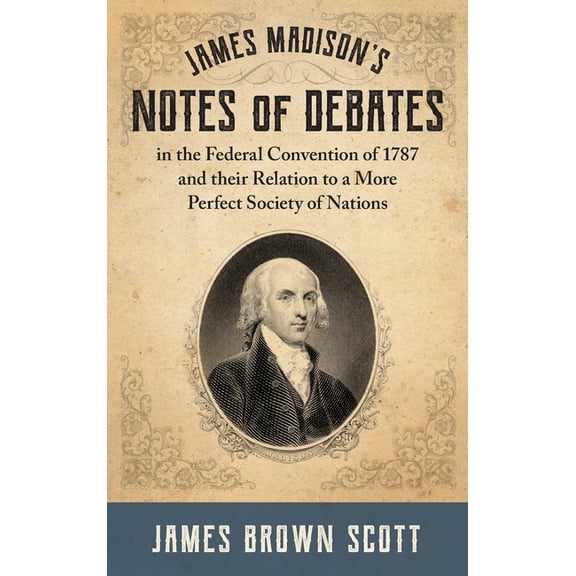 $3021current price $30.21
James Madison's Notes of Debates in the Federal Convention of 1787 and their Relation to a More Perfect Society of Natio, (Hardcover)
Partisan Politics, the Evil and the Remedy, (Hardcover) $32.95
 $3295current price $32.95
Partisan Politics, the Evil and the Remedy, (Hardcover)
How to Select an American President: Improving the Process by Promoting Higher Standards (Paperback) by James a George $30.94
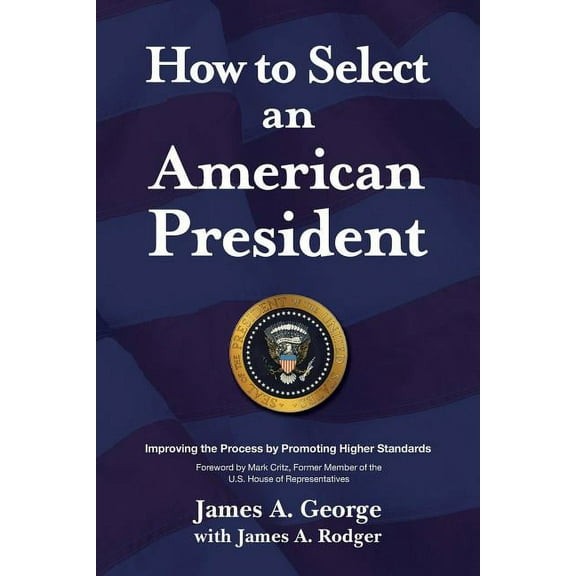 $3094current price $30.94
How to Select an American President: Improving the Process by Promoting Higher Standards (Paperback) by James a George
Defense Policy Choices for the Bush Administration, (Paperback) $26.99
 $2699current price $26.99
Defense Policy Choices for the Bush Administration, (Paperback)
Pre-Owned Chartwell Deluxe Editions The Federalist Papers, (Hardcover) $17.82
 $1782current price $17.82
Pre-Owned Chartwell Deluxe Editions The Federalist Papers, (Hardcover)
The Co-Presidency of Bush and Cheney, (Hardcover) $30.20
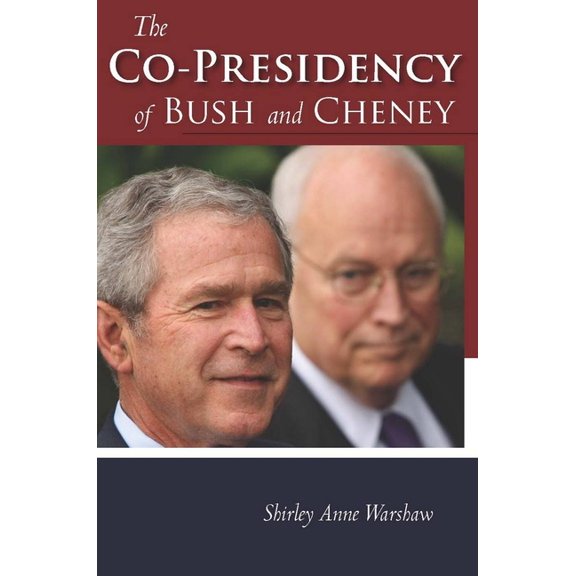 $3020current price $30.20
The Co-Presidency of Bush and Cheney, (Hardcover)
Building a State Capitol, (Paperback) $25.95
 $2595current price $25.95
Building a State Capitol, (Paperback)
Stop Bush In 2004: How Every Citizen Can Help (Hardcover) $17.66
 $1766current price $17.66
Stop Bush In 2004: How Every Citizen Can Help (Hardcover)
-NA- $29.95
 $2995current price $29.95
-NA-
Customer ratings & reviews

Related pages
- Best Sellers In Reconstruction History Of The U.S
- Presidents History Channel
- Us Presidential Elections History
- President Of The British Academy & Dodge Professor Of History David Cannadine
- Vice Presidents
- Msnbc Fire
- Columbus Blue Jackets Bath & Kitchen
- North Texas Mean Green Bath & Kitchen
- Vanderbilt Commodores Accessories
- Kentucky Wildcats Auto Accessories
- Vanderbilt Commodores Outdoor
- Vanderbilt Commodores Home