


Hero image 0 of This Is Your Mind on Plants, 0 of 1
This Is Your Mind on Plants
(No ratings yet)
Key item features
The instant New York Times bestseller | A Washington Post Notable Book | One of NPR's Best Books of the Year
“Expert storytelling . . . [Pollan] masterfully elevates a series of big questions about drugs, plants and humans that are likely to leave readers thinking in new ways.” —New York Times Book Review
From #1 New York Times bestselling author Michael Pollan, a radical challenge to how we think about drugs, and an exploration into the powerful human attraction to psychoactive plants—and the equally powerful taboos.
Of all the things humans rely on plants for—sustenance, beauty, medicine, fragrance, flavor, fiber—surely the most curious is our use of them to change consciousness: to stimulate or calm, fiddle with or completely alter, the qualities of our mental experience. Take coffee and tea: People around the world rely on caffeine to sharpen their minds. But we do not usually think of caffeine as a drug, or our daily use as an addiction, because it is legal and socially acceptable. So, then, what is a “drug”? And why, for example, is making tea from the leaves of a tea plant acceptable, but making tea from a seed head of an opium poppy a federal crime?
In This Is Your Mind on Plants, Michael Pollan dives deep into three plant drugs—opium, caffeine, and mescaline—and throws the fundamental strangeness, and arbitrariness, of our thinking about them into sharp relief. Exploring and participating in the cultures that have grown up around these drugs while consuming (or, in the case of caffeine, trying not to consume) them, Pollan reckons with the powerful human attraction to psychoactive plants. Why do we go to such great lengths to seek these shifts in consciousness, and then why do we fence that universal desire with laws and customs and fraught feelings?
In this unique blend of history, science, and memoir, as well as participatory journalism, Pollan examines and experiences these plants from several very different angles and contexts, and shines a fresh light on a subject that is all too often treated reductively—as a drug, whether licit or illicit. But that is one of the least interesting things you can say about these plants, Pollan shows, for when we take them into our bodies and let them change our minds, we are engaging with nature in one of the most profound ways we can. Based in part on an essay published almost twenty-five years ago, this groundbreaking and singular consideration of psychoactive plants, and our attraction to them through time, holds up a mirror to our fundamental human needs and aspirations, the operations of our minds, and our entanglement with the natural world.
“Expert storytelling . . . [Pollan] masterfully elevates a series of big questions about drugs, plants and humans that are likely to leave readers thinking in new ways.” —New York Times Book Review
From #1 New York Times bestselling author Michael Pollan, a radical challenge to how we think about drugs, and an exploration into the powerful human attraction to psychoactive plants—and the equally powerful taboos.
Of all the things humans rely on plants for—sustenance, beauty, medicine, fragrance, flavor, fiber—surely the most curious is our use of them to change consciousness: to stimulate or calm, fiddle with or completely alter, the qualities of our mental experience. Take coffee and tea: People around the world rely on caffeine to sharpen their minds. But we do not usually think of caffeine as a drug, or our daily use as an addiction, because it is legal and socially acceptable. So, then, what is a “drug”? And why, for example, is making tea from the leaves of a tea plant acceptable, but making tea from a seed head of an opium poppy a federal crime?
In This Is Your Mind on Plants, Michael Pollan dives deep into three plant drugs—opium, caffeine, and mescaline—and throws the fundamental strangeness, and arbitrariness, of our thinking about them into sharp relief. Exploring and participating in the cultures that have grown up around these drugs while consuming (or, in the case of caffeine, trying not to consume) them, Pollan reckons with the powerful human attraction to psychoactive plants. Why do we go to such great lengths to seek these shifts in consciousness, and then why do we fence that universal desire with laws and customs and fraught feelings?
In this unique blend of history, science, and memoir, as well as participatory journalism, Pollan examines and experiences these plants from several very different angles and contexts, and shines a fresh light on a subject that is all too often treated reductively—as a drug, whether licit or illicit. But that is one of the least interesting things you can say about these plants, Pollan shows, for when we take them into our bodies and let them change our minds, we are engaging with nature in one of the most profound ways we can. Based in part on an essay published almost twenty-five years ago, this groundbreaking and singular consideration of psychoactive plants, and our attraction to them through time, holds up a mirror to our fundamental human needs and aspirations, the operations of our minds, and our entanglement with the natural world.
Specs
- Book formatHardcover
- Fiction/nonfictionNon-Fiction
- GenreNonfiction
- Publication dateJuly, 2021
- Pages288
- Reading levelGeneral
More seller options (1)
Starting from $38.09
About this item
Product details
This Is Your Mind on Plants
The instant New York Times bestseller | A Washington Post Notable Book | One of NPR's Best Books of the Year
“Expert storytelling . . . [Pollan] masterfully elevates a series of big questions about drugs, plants and humans that are likely to leave readers thinking in new ways.” —New York Times Book Review
From #1 New York Times bestselling author Michael Pollan, a radical challenge to how we think about drugs, and an exploration into the powerful human attraction to psychoactive plants—and the equally powerful taboos.
Of all the things humans rely on plants for—sustenance, beauty, medicine, fragrance, flavor, fiber—surely the most curious is our use of them to change consciousness: to stimulate or calm, fiddle with or completely alter, the qualities of our mental experience. Take coffee and tea: People around the world rely on caffeine to sharpen their minds. But we do not usually think of caffeine as a drug, or our daily use as an addiction, because it is legal and socially acceptable. So, then, what is a “drug”? And why, for example, is making tea from the leaves of a tea plant acceptable, but making tea from a seed head of an opium poppy a federal crime?
In This Is Your Mind on Plants, Michael Pollan dives deep into three plant drugs—opium, caffeine, and mescaline—and throws the fundamental strangeness, and arbitrariness, of our thinking about them into sharp relief. Exploring and participating in the cultures that have grown up around these drugs while consuming (or, in the case of caffeine, trying not to consume) them, Pollan reckons with the powerful human attraction to psychoactive plants. Why do we go to such great lengths to seek these shifts in consciousness, and then why do we fence that universal desire with laws and customs and fraught feelings?
In this unique blend of history, science, and memoir, as well as participatory journalism, Pollan examines and experiences these plants from several very different angles and contexts, and shines a fresh light on a subject that is all too often treated reductively—as a drug, whether licit or illicit. But that is one of the least interesting things you can say about these plants, Pollan shows, for when we take them into our bodies and let them change our minds, we are engaging with nature in one of the most profound ways we can. Based in part on an essay published almost twenty-five years ago, this groundbreaking and singular consideration of psychoactive plants, and our attraction to them through time, holds up a mirror to our fundamental human needs and aspirations, the operations of our minds, and our entanglement with the natural world.
“Expert storytelling . . . [Pollan] masterfully elevates a series of big questions about drugs, plants and humans that are likely to leave readers thinking in new ways.” —New York Times Book Review
From #1 New York Times bestselling author Michael Pollan, a radical challenge to how we think about drugs, and an exploration into the powerful human attraction to psychoactive plants—and the equally powerful taboos.
Of all the things humans rely on plants for—sustenance, beauty, medicine, fragrance, flavor, fiber—surely the most curious is our use of them to change consciousness: to stimulate or calm, fiddle with or completely alter, the qualities of our mental experience. Take coffee and tea: People around the world rely on caffeine to sharpen their minds. But we do not usually think of caffeine as a drug, or our daily use as an addiction, because it is legal and socially acceptable. So, then, what is a “drug”? And why, for example, is making tea from the leaves of a tea plant acceptable, but making tea from a seed head of an opium poppy a federal crime?
In This Is Your Mind on Plants, Michael Pollan dives deep into three plant drugs—opium, caffeine, and mescaline—and throws the fundamental strangeness, and arbitrariness, of our thinking about them into sharp relief. Exploring and participating in the cultures that have grown up around these drugs while consuming (or, in the case of caffeine, trying not to consume) them, Pollan reckons with the powerful human attraction to psychoactive plants. Why do we go to such great lengths to seek these shifts in consciousness, and then why do we fence that universal desire with laws and customs and fraught feelings?
In this unique blend of history, science, and memoir, as well as participatory journalism, Pollan examines and experiences these plants from several very different angles and contexts, and shines a fresh light on a subject that is all too often treated reductively—as a drug, whether licit or illicit. But that is one of the least interesting things you can say about these plants, Pollan shows, for when we take them into our bodies and let them change our minds, we are engaging with nature in one of the most profound ways we can. Based in part on an essay published almost twenty-five years ago, this groundbreaking and singular consideration of psychoactive plants, and our attraction to them through time, holds up a mirror to our fundamental human needs and aspirations, the operations of our minds, and our entanglement with the natural world.
info:
We aim to show you accurate product information. Manufacturers, suppliers and others provide what you see here, and we have not verified it.
Specifications
Book format
Hardcover
Fiction/nonfiction
Non-Fiction
Genre
Nonfiction
Publication date
July, 2021
Warranty
Warranty information
Please be aware that the warranty terms on items offered for sale by third party Marketplace sellers may differ from those displayed in this section (if any). To confirm warranty terms on an item offered for sale by a third party Marketplace seller, please use the 'Contact seller' feature on the third party Marketplace seller's information page and request the item's warranty terms prior to purchase.
Similar items you might like
Based on what customers bought
How to Change Your Mind: What the New Science of Psychedelics Teaches Us about Consciousness, Dying, Addiction, Depressi, (Paperback) $7.05
 $705current price $7.05
How to Change Your Mind: What the New Science of Psychedelics Teaches Us about Consciousness, Dying, Addiction, Depressi, (Paperback)
44.5 out of 5 Stars. 4 reviewsHow to Change Your Mind: What the New Science of Psychedelics Teaches Us about Consciousness, Dying, Addiction, Depression, and Transcendence $6.82
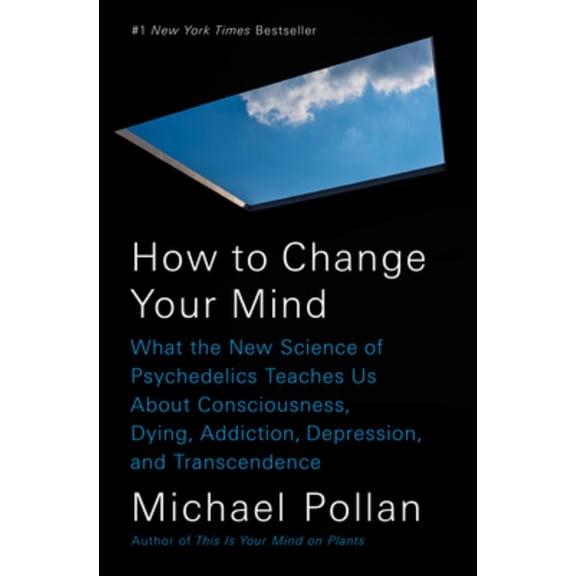 $682current price $6.82
How to Change Your Mind: What the New Science of Psychedelics Teaches Us about Consciousness, Dying, Addiction, Depression, and Transcendence
15 out of 5 Stars. 1 reviewsThis Is Your Mind on Plants, (Paperback) $4.86
 $486current price $4.86
This Is Your Mind on Plants, (Paperback)
Oleander $13.18
 $1318current price $13.18
Oleander
Report... $19.33
 $1933current price $19.33
Report...
Bhagavaduttara Geetha $16.49
 $1649current price $16.49
Bhagavaduttara Geetha
老上海邑庙城隍 - 世纪集团 $16.91 Was $20.00
 $1691current price $16.91, Was $20.00$20.00
老上海邑庙城隍 - 世纪集团
You Are Limitless $14.99
 $1499current price $14.99
You Are Limitless
Organography of Plants, Especially of the Archegoniata and Spermaphyta, Part 1 (Paperback) $22.95
 $2295current price $22.95
Organography of Plants, Especially of the Archegoniata and Spermaphyta, Part 1 (Paperback)
de Mimis Graecorum... Paperback $16.86
 $1686current price $16.86
de Mimis Graecorum... Paperback
Praktisches Kochbuch (Paperback) $33.98
 $3398current price $33.98
Praktisches Kochbuch (Paperback)
Pursuit of Paradise $23.56
 $2356current price $23.56
Pursuit of Paradise
Imperishable Memories $31.34
 $3134current price $31.34
Imperishable Memories
Der Unartige Zweifler... Paperback $18.75
 $1875current price $18.75
Der Unartige Zweifler... Paperback
Skara Brae $5.58 Was $8.10
 $558current price $5.58, Was $8.10$8.10
Skara Brae
اعتماد به نفس زیباتž, (Paperback) $19.80
 $1980current price $19.80
اعتماد به نفس زیباتž, (Paperback)
Revue cosmopolite 1867 $23.95
 $2395current price $23.95
Revue cosmopolite 1867
Klim, (Paperback) $23.40
 $2340current price $23.40
Klim, (Paperback)
To Give to the Light, (Paperback) $17.90
 $1790current price $17.90
To Give to the Light, (Paperback)
Whitehaven And Workington $28.10
 $2810current price $28.10
Whitehaven And Workington
Customer ratings & reviews
0 ratings|0 reviews
This item does not have any reviews yet
