

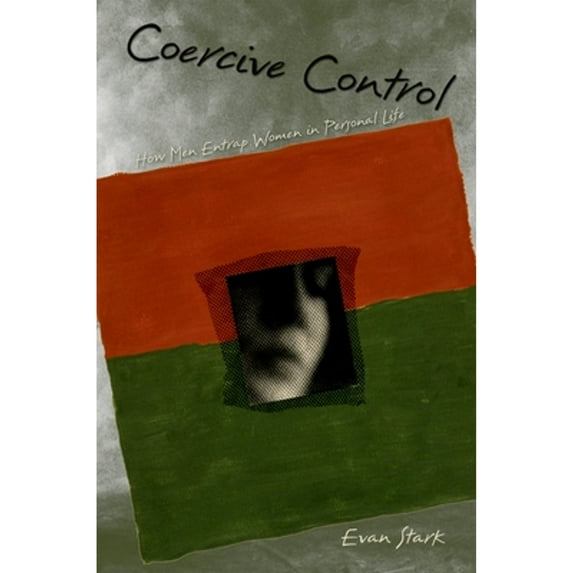
Hero image 0 of Coercive Control : How Men Entrap Women in Personal Life (Hardcover), 0 of 1
Coercive Control : How Men Entrap Women in Personal Life (Hardcover)
(No ratings yet)
Key item features
The battle against domestic violence has focused primarily on incidents of extreme physical abuse and the resulting trauma to the victim. While there is a growing understanding of some forms of psychological abuse, such as stalking, there is less understanding of the pattern of abuse where physical attacks are combined with isolation, intimidation, and control. Stark argues that "coercive control"-which may not include any physical abuse - is actually the more prevalent and devastating form of domestic abuse, yet remains largely invisible to the helping professionals and has no legal standing. He contends that interventions are ineffective for a large number of battered women due to the gap between what these women experience and the singular emphasis on male violence and victim trauma. Drawing extensively on cases, Stark identifies the problems with our current approach to domestic violence, outlines the components of coercive control, and then uses this alternate framework to analyse the cases of battered women charged with criminal offenses directed at their abusers. He presents the controversial notion that "coercive control" should be a legal defense for women who attack or kill their abusers.
Specs
- Book formatHardcover
- Fiction/nonfictionNon-Fiction
- Publication dateApril, 2007
- Pages452
- Reading levelGeneral Adult
- Original languagesEnglish
Current price is USD$129.68
Price when purchased online
Out of stock
How do you want your item?
Out of stock
About this item
Product details
Despite its great achievements, the domestic violence revolution is stalled, Evan Stark argues, a provocative conclusion he documents by showing that interventions have failed to improve womens long-term safety in relationships or to hold perpetrators accountable. Stark traces this failure to a startling paradox, that the singular focus on violence against women masks an even more devastating reality. In millions of abusive relationships, men use a largely unidentified form of subjugation that more closely resembles kidnapping or indentured servitude than assault. He calls this pattern coercive control. Drawing on sources that range from FBI statistics and film to dozens of actual cases from his thirty years of experience as an award-winning researcher, advocate, and forensic expert, Stark shows in terrifying detail how men can use coercive control to extend their dominance over time and through social space in ways that subvert women's autonomy, isolate them, and infiltrate the most intimate corners of their lives. Against this backdrop, Stark analyzes the cases of three women tried for crimes committed in the context of abuse, showing that their reactions are only intelligible when they are reframed as victims of coercive control rather than as battered wives. The story of physical and sexual violence against women has been told often. But this is the first book to show that most abused women who seek help do so because their rights and liberties have been jeopardized, not because they have been injured. The coercive control model Stark develops resolves three of the most perplexing challenges posed by abuse: why these relationships endure, why abused women develop a profile of problems seen among no other group of assault victims, and why the legal system has failed to win them justice. Elevating coercive control from a second-class misdemeanor to a human rights violation, Stark explains why law, policy, and advocacy must shift its focus to emphasize how coercive control jeopardizes women's freedom in everyday life. Fiercely argued and eminently readable, Stark's work is certain to breathe new life into the domestic violence revolution.
The battle against domestic violence has focused primarily on incidents of extreme physical abuse and the resulting trauma to the victim. While there is a growing understanding of some forms of psychological abuse, such as stalking, there is less understanding of the pattern of abuse where physical attacks are combined with isolation, intimidation, and control. Stark argues that "coercive control"-which may not include any physical abuse - is actually the more prevalent and devastating form of domestic abuse, yet remains largely invisible to the helping professionals and has no legal standing. He contends that interventions are ineffective for a large number of battered women due to the gap between what these women experience and the singular emphasis on male violence and victim trauma. Drawing extensively on cases, Stark identifies the problems with our current approach to domestic violence, outlines the components of coercive control, and then uses this alternate framework to analyse the cases of battered women charged with criminal offenses directed at their abusers. He presents the controversial notion that "coercive control" should be a legal defense for women who attack or kill their abusers.
info:
We aim to show you accurate product information. Manufacturers, suppliers and others provide what you see here, and we have not verified it.
Specifications
Book format
Hardcover
Fiction/nonfiction
Non-Fiction
Genre
Family & Relationships/Abuse - Domestic Partner Abuse, Social Science/Violence in Society, Social Science/Social Work
Publication date
April, 2007
Warranty
Warranty information
Please be aware that the warranty terms on items offered for sale by third party Marketplace sellers may differ from those displayed in this section (if any). To confirm warranty terms on an item offered for sale by a third party Marketplace seller, please use the 'Contact seller' feature on the third party Marketplace seller's information page and request the item's warranty terms prior to purchase.
Customer ratings & reviews
0 ratings|0 reviews
This item does not have any reviews yet
