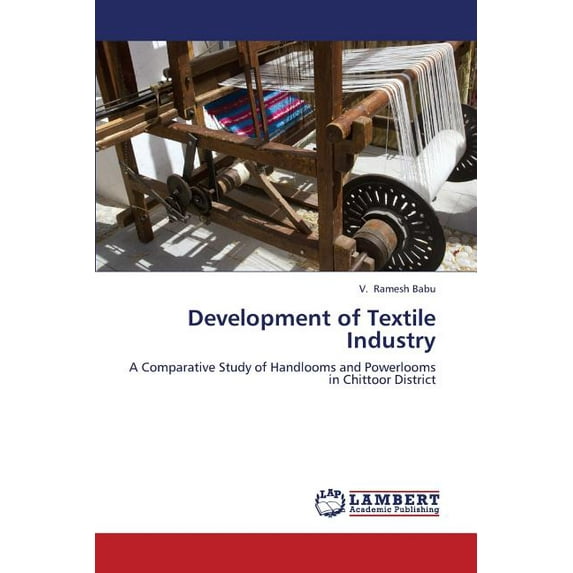
'Weaving' is the art of making cloth and a textile is a woven fabric. Every day of human lives, people are surrounded by textiles and textiles are so much a part of our daily world that it is hard to imagine life without them. The textiles represent the progress or development which people have achieved in their walk of life towards a civilised and cultured society. The textile industry in India comprises of two sectors - organised sector (mills) and unorganised sector (handlooms and powerlooms). The inner weaknesses of these two sectors, led to the proliferation of powerlooms in the Indian Economy. Today powerlooms play a prominent role in fulfilling the avowed objectives of planning i.e., utilisation of idle money and human resources and meeting the clothing requirements of the masses and contributing to the national exchequer. At this juncture, it is important to review the performance of the two sub-sectors of decentralised sector.The present research work also deals with a comparative study of these two sub-sectors. The review and comparative analysis are quite necessary to understand their performance during the planning era and their existing conditions.
Development of Textile Industry (Paperback)
info:
We aim to show you accurate product information. Manufacturers, suppliers and others provide what you see here, and we have not verified it. Â
Specifications
Book format
Paperback
Fiction/nonfiction
Non-Fiction
Genre
Business & Economics/General
Pages
300
Warranty
Warranty information
Please be aware that the warranty terms on items offered for sale by third party Marketplace sellers may differ from those displayed in this section (if any). To confirm warranty terms on an item offered for sale by a third party Marketplace seller, please use the 'Contact seller' feature on the third party Marketplace seller's information page and request the item's warranty terms prior to purchase.

