

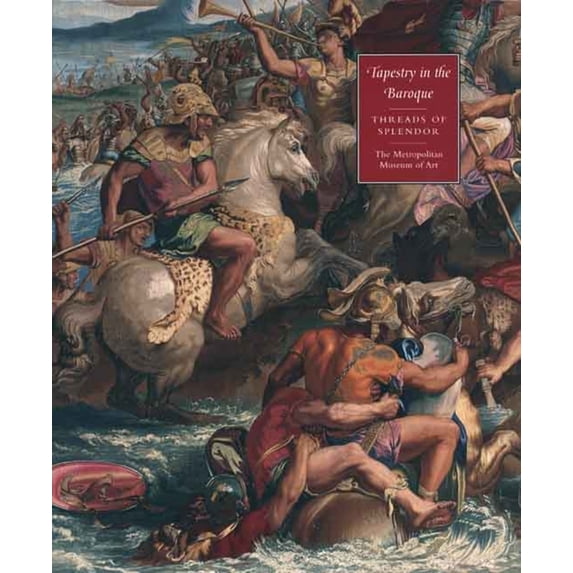
Tapestry in the Baroque : Threads of Splendor (Hardcover)
(No ratings yet)
Key item features
Conceived as a sequel to the critically acclaimed Tapestry in the Renaissance: Art and Magnificence (2002), this lavishly illustrated volume is the first comprehensive survey of 17th-century European tapestry available in English. From the Middle Ages until the late 18th century, European courts expended vast sums on tapestries, which were made with precious materials after designs by the leading artists of the day. Yet, this spectacular medium is still often presented as a decorative art of lesser importance. Tapestry in the Baroque challenges this notion, demonstrating that tapestry remained among the most prestigious figurative mediums throughout the 17th and early 18th centuries, prized by the rich for its artistry and as a propaganda tool.
The book features forty-five of the finest surviving examples from collections in more than fifteen countries, as well as a number of related designs and oil sketches. Through these it examines the stylistic developments of tapestry between 1590 and 1720, when such masters as Peter Paul Rubens, Jacob Jordaens, Simon Vouet, Charles Le Brun, Pietro da Cortona, and Giovanni Romanelli responded to the challenges and opportunities of the medium in the context of contemporary artistic developments.
Published in association with The Metropolitan Museum of Art
Exhibition Schedule:
The Metropolitan Museum of Art (October 16, 2007 – January 6, 2008)
Palacio Real de Madrid (March – June 2008)
Specs
- Book formatHardcover
- Fiction/nonfictionNon-Fiction
- GenreArt/General, Crafts & Hobbies/General
- Pub date20071101
- Pages576
- PublisherYale University Press
Current price is USD$142.64
Price when purchased online
Out of stock
How do you want your item?
Out of stock
About this item
Product details
Conceived as a sequel to the critically acclaimed Tapestry in the Renaissance: Art and Magnificence (2002), this lavishly illustrated volume is the first comprehensive survey of 17th-century European tapestry available in English. From the Middle Ages until the late 18th century, European courts expended vast sums on tapestries, which were made with precious materials after designs by the leading artists of the day. Yet, this spectacular medium is still often presented as a decorative art of lesser importance. Tapestry in the Baroque challenges this notion, demonstrating that tapestry remained among the most prestigious figurative mediums throughout the 17th and early 18th centuries, prized by the rich for its artistry and as a propaganda tool.
The book features forty-five of the finest surviving examples from collections in more than fifteen countries, as well as a number of related designs and oil sketches. Through these it examines the stylistic developments of tapestry between 1590 and 1720, when such masters as Peter Paul Rubens, Jacob Jordaens, Simon Vouet, Charles Le Brun, Pietro da Cortona, and Giovanni Romanelli responded to the challenges and opportunities of the medium in the context of contemporary artistic developments.
The book features forty-five of the finest surviving examples from collections in more than fifteen countries, as well as a number of related designs and oil sketches. Through these it examines the stylistic developments of tapestry between 1590 and 1720, when such masters as Peter Paul Rubens, Jacob Jordaens, Simon Vouet, Charles Le Brun, Pietro da Cortona, and Giovanni Romanelli responded to the challenges and opportunities of the medium in the context of contemporary artistic developments.
Conceived as a sequel to the critically acclaimed Tapestry in the Renaissance: Art and Magnificence (2002), this lavishly illustrated volume is the first comprehensive survey of 17th-century European tapestry available in English. From the Middle Ages until the late 18th century, European courts expended vast sums on tapestries, which were made with precious materials after designs by the leading artists of the day. Yet, this spectacular medium is still often presented as a decorative art of lesser importance. Tapestry in the Baroque challenges this notion, demonstrating that tapestry remained among the most prestigious figurative mediums throughout the 17th and early 18th centuries, prized by the rich for its artistry and as a propaganda tool.
The book features forty-five of the finest surviving examples from collections in more than fifteen countries, as well as a number of related designs and oil sketches. Through these it examines the stylistic developments of tapestry between 1590 and 1720, when such masters as Peter Paul Rubens, Jacob Jordaens, Simon Vouet, Charles Le Brun, Pietro da Cortona, and Giovanni Romanelli responded to the challenges and opportunities of the medium in the context of contemporary artistic developments.
Published in association with The Metropolitan Museum of Art
Exhibition Schedule:
The Metropolitan Museum of Art (October 16, 2007 – January 6, 2008)
Palacio Real de Madrid (March – June 2008)
info:
We aim to show you accurate product information. Manufacturers, suppliers and others provide what you see here, and we have not verified it.
Specifications
Book format
Hardcover
Fiction/nonfiction
Non-Fiction
Genre
Art/General, Crafts & Hobbies/General
Pub date
20071101
Warranty
Warranty information
Please be aware that the warranty terms on items offered for sale by third party Marketplace sellers may differ from those displayed in this section (if any). To confirm warranty terms on an item offered for sale by a third party Marketplace seller, please use the 'Contact seller' feature on the third party Marketplace seller's information page and request the item's warranty terms prior to purchase.
Customer ratings & reviews
0 ratings|0 reviews
This item does not have any reviews yet
