


Hero image 0 of Latin: Or, the Empire of a Sign (Paperback) by Françoise Waquet, John Howe, 0 of 1
Latin: Or, the Empire of a Sign (Paperback) by Françoise Waquet, John Howe
(No ratings yet)
Key item features
A highly original and accessible history of Latin between the sixteenth and twentieth centuries
For almost three centuries, Latin dominated the civic and sacred worlds of Europe and, arguably, the entire western world. From the moment in the sixteenth century when it was adopted by the Humanists as the official language for schools and by the Catholic Church as the common liturgical language, it was the way in which millions of children were taught, people prayed to God, and scholars were educated.
Francoise Waquet’s history of Latin between the sixteenth and twentieth centuries is a highly original and accessible exploration of the institutional contexts in which the language was adopted.
It goes on to consider what this conferring of power and influence on Latin meant in practice. Among the questions Waquet investigates are: What privileges were, and are still, accorded to those who claim to have studied Latin? Can Latin as a subject for study be anything more than purely linguistic or does it reveal a far more complex heritage? Has Latin’s deeply embedded cultural legacy already given way to a nostalgic exoticism?
Latin: A Symbol’s Empire is a valuable work of reference, but also an important piece of cultural history: the story of a language that became a symbol with its own, highly significant empire.
For almost three centuries, Latin dominated the civic and sacred worlds of Europe and, arguably, the entire western world. From the moment in the sixteenth century when it was adopted by the Humanists as the official language for schools and by the Catholic Church as the common liturgical language, it was the way in which millions of children were taught, people prayed to God, and scholars were educated.
Francoise Waquet’s history of Latin between the sixteenth and twentieth centuries is a highly original and accessible exploration of the institutional contexts in which the language was adopted.
It goes on to consider what this conferring of power and influence on Latin meant in practice. Among the questions Waquet investigates are: What privileges were, and are still, accorded to those who claim to have studied Latin? Can Latin as a subject for study be anything more than purely linguistic or does it reveal a far more complex heritage? Has Latin’s deeply embedded cultural legacy already given way to a nostalgic exoticism?
Latin: A Symbol’s Empire is a valuable work of reference, but also an important piece of cultural history: the story of a language that became a symbol with its own, highly significant empire.
Specs
- Manual & guide typeInstruction Manual
- Book formatPaperback
- EditionPaperback Edition
- Pages368
- LanguageEnglish
- AuthorWaquet, Françoise
Current price is USD$35.23
Price when purchased online
- Free shipping
 Free 30-day returns
How do you want your item?
Columbus, 43215
Arrives between May 6 - May 13
|
Sold and shipped by Rarewaves.com
4.24881033310673 stars out of 5, based on 2942 seller reviews(4.2)2942 seller reviews

Free 30-day returns
Other sellers
$46.40
+Free shippingShipping, arrives by Wed, Apr 29 to Columbus, 43215
Sold and shipped by RAREWAVES-USA
Free 30-day returns
About this item
Product details
9781804290491. New condition. Trade paperback. Language: English. Pages: 368. Trade paperback (US). Glued binding. 368 p. Verso World History. Though not without its rivals, Latin stood at the apex of Western culture from the Renaissance until relatively recently. Francoise Waquet offers an enthralling, original history of the language's uses, its detractors and defenders, and the social hierarchies its practitioners inscribed. Granted a new lease of life by the Humanists and the Catholic Church, Latin was the form in which generations of schoolchildren were taught to read, millions of people worshipped, and an international community of scholars communicated with one another. It conveyed sacredness, but also obscenity; learning, as well as pedantry; science, but also trickery and mumbo-jumbo. Few individuals even among the clergy or the most learned scholars have ever managed to speak it with any degree of correctness or fluency, let alone elegance. Why, despite rationalist criticisms that Latin was inaccessible to the great majority of people, and inconvenient and time-consuming for the rest, did it maintain such a strong presence - some would say a tyranny - for so long?
A highly original and accessible history of Latin between the sixteenth and twentieth centuries
For almost three centuries, Latin dominated the civic and sacred worlds of Europe and, arguably, the entire western world. From the moment in the sixteenth century when it was adopted by the Humanists as the official language for schools and by the Catholic Church as the common liturgical language, it was the way in which millions of children were taught, people prayed to God, and scholars were educated.
Francoise Waquet’s history of Latin between the sixteenth and twentieth centuries is a highly original and accessible exploration of the institutional contexts in which the language was adopted.
It goes on to consider what this conferring of power and influence on Latin meant in practice. Among the questions Waquet investigates are: What privileges were, and are still, accorded to those who claim to have studied Latin? Can Latin as a subject for study be anything more than purely linguistic or does it reveal a far more complex heritage? Has Latin’s deeply embedded cultural legacy already given way to a nostalgic exoticism?
Latin: A Symbol’s Empire is a valuable work of reference, but also an important piece of cultural history: the story of a language that became a symbol with its own, highly significant empire.
For almost three centuries, Latin dominated the civic and sacred worlds of Europe and, arguably, the entire western world. From the moment in the sixteenth century when it was adopted by the Humanists as the official language for schools and by the Catholic Church as the common liturgical language, it was the way in which millions of children were taught, people prayed to God, and scholars were educated.
Francoise Waquet’s history of Latin between the sixteenth and twentieth centuries is a highly original and accessible exploration of the institutional contexts in which the language was adopted.
It goes on to consider what this conferring of power and influence on Latin meant in practice. Among the questions Waquet investigates are: What privileges were, and are still, accorded to those who claim to have studied Latin? Can Latin as a subject for study be anything more than purely linguistic or does it reveal a far more complex heritage? Has Latin’s deeply embedded cultural legacy already given way to a nostalgic exoticism?
Latin: A Symbol’s Empire is a valuable work of reference, but also an important piece of cultural history: the story of a language that became a symbol with its own, highly significant empire.
info:
We aim to show you accurate product information. Manufacturers, suppliers and others provide what you see here, and we have not verified it.
Specifications
Manual & guide type
Instruction Manual
Book format
Paperback
Edition
Paperback Edition
Pages
368
Warranty
Warranty information
Please be aware that the warranty terms on items offered for sale by third party Marketplace sellers may differ from those displayed in this section (if any). To confirm warranty terms on an item offered for sale by a third party Marketplace seller, please use the 'Contact seller' feature on the third party Marketplace seller's information page and request the item's warranty terms prior to purchase.
Similar items you might like
Based on what customers bought
Arthurian Studies Arthurianism in Early Plantagenet England: From Henry II to Edward I, Book 88, (Paperback) $49.99
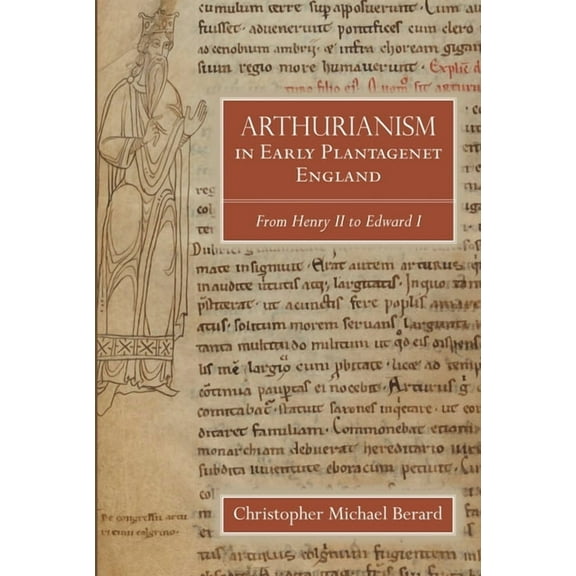 $4999current price $49.99
Arthurian Studies Arthurianism in Early Plantagenet England: From Henry II to Edward I, Book 88, (Paperback)
On the Spanish Inquisition - Imperium Press (Studies in Reaction), (Paperback) $25.32
 $2532current price $25.32
On the Spanish Inquisition - Imperium Press (Studies in Reaction), (Paperback)
Exeter Medieval Texts and Studies: Anglo-Saxon Chronicle (Paperback) $16.08
 $1608current price $16.08
Exeter Medieval Texts and Studies: Anglo-Saxon Chronicle (Paperback)
Boydell Studies in Medieval Art and Arch English Medieval Shrines, Book 3, (Paperback) $33.98
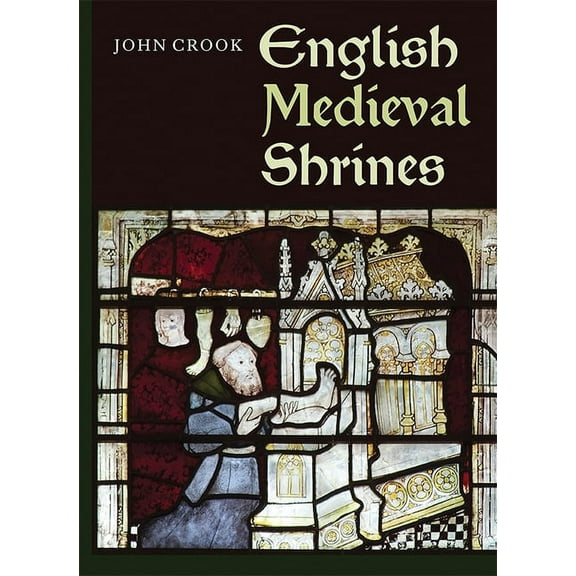 $3398current price $33.98
Boydell Studies in Medieval Art and Arch English Medieval Shrines, Book 3, (Paperback)
Beer in the Middle Ages and the Renaissance, (Paperback) $23.74 Was $26.50
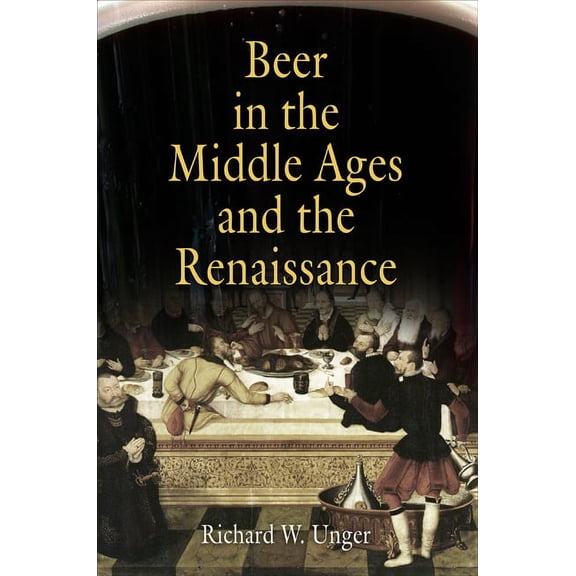 $2374current price $23.74, Was $26.50$26.50
Beer in the Middle Ages and the Renaissance, (Paperback)
The Classical Origins of Modern Homophobia, (Paperback) $38.45
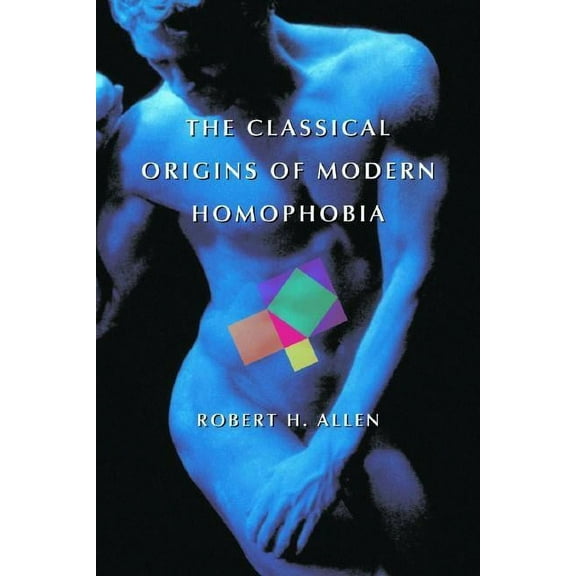 $3845current price $38.45
The Classical Origins of Modern Homophobia, (Paperback)
Warfare in History Warfare in Tenth-Century Germany, Book 37, (Paperback) $32.41
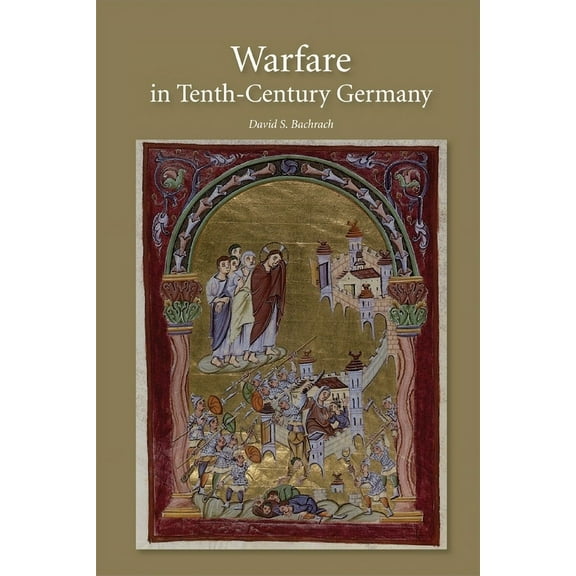 $3241current price $32.41
Warfare in History Warfare in Tenth-Century Germany, Book 37, (Paperback)
The History of Modern Music: A Course of Lectures Delivered at the Royal Institution of Great Britain, (Paperback) $31.45 Was $35.43
 $3145current price $31.45, Was $35.43$35.43
The History of Modern Music: A Course of Lectures Delivered at the Royal Institution of Great Britain, (Paperback)
Anglo-Saxon Books and Their Readers : Essays in Celebration of Helmut Gneuss's Handlist of Anglo-Saxon Manuscripts $36.49
 $3649current price $36.49
Anglo-Saxon Books and Their Readers : Essays in Celebration of Helmut Gneuss's Handlist of Anglo-Saxon Manuscripts
Chariots of Ladies: Francesc Eiximenis and the Court Culture of Medieval and Early Modern Iberia, (Hardcover) $34.06
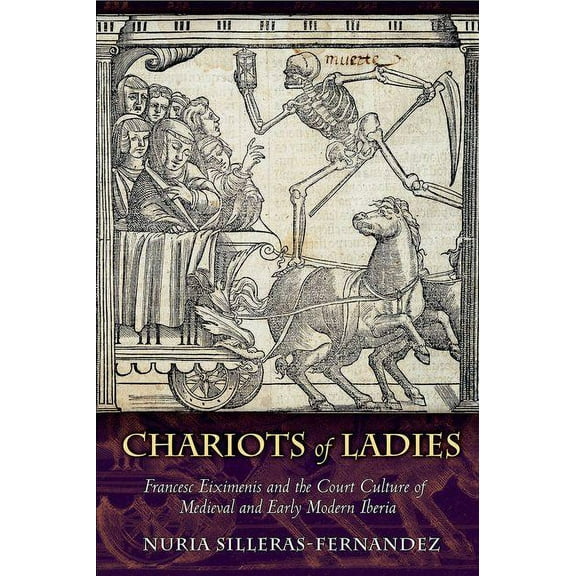 $3406current price $34.06
Chariots of Ladies: Francesc Eiximenis and the Court Culture of Medieval and Early Modern Iberia, (Hardcover)
Avignon and Its Papacy, 1309–1417 : Popes, Institutions, and Society (Paperback) $47.39
 $4739current price $47.39
Avignon and Its Papacy, 1309–1417 : Popes, Institutions, and Society (Paperback)
Nobles and Nobility in Medieval Europe: Concepts, Origins, Transformations, (Paperback) $41.68
 $4168current price $41.68
Nobles and Nobility in Medieval Europe: Concepts, Origins, Transformations, (Paperback)
Translated Texts for Historians The Canons of the Quinisext Council (691/2), (Paperback) $49.99
 $4999current price $49.99
Translated Texts for Historians The Canons of the Quinisext Council (691/2), (Paperback)
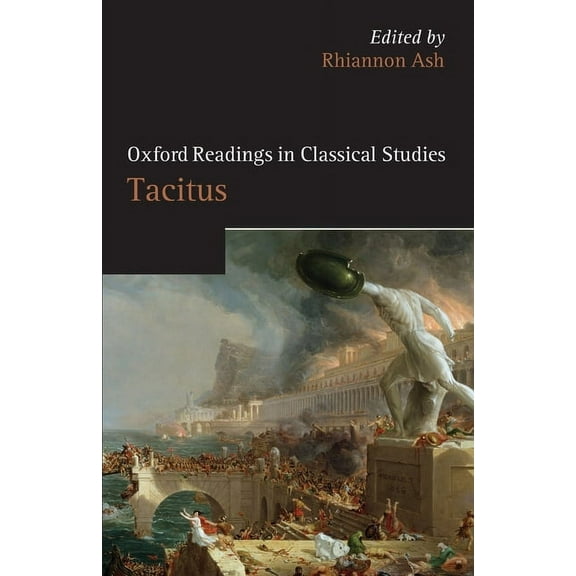
Oxford Readings in Classical Studies Tacitus, (Paperback) $34.11
 $3411current price $34.11
Oxford Readings in Classical Studies Tacitus, (Paperback)
Studies in Early Medieval History Pagan Goddesses in the Early Germanic World, (Paperback) $33.56
 $3356current price $33.56
Studies in Early Medieval History Pagan Goddesses in the Early Germanic World, (Paperback)
Henry II and Eleanor of Aquitaine : Founding an Empire (Paperback) $18.25
 $1825current price $18.25
Henry II and Eleanor of Aquitaine : Founding an Empire (Paperback)
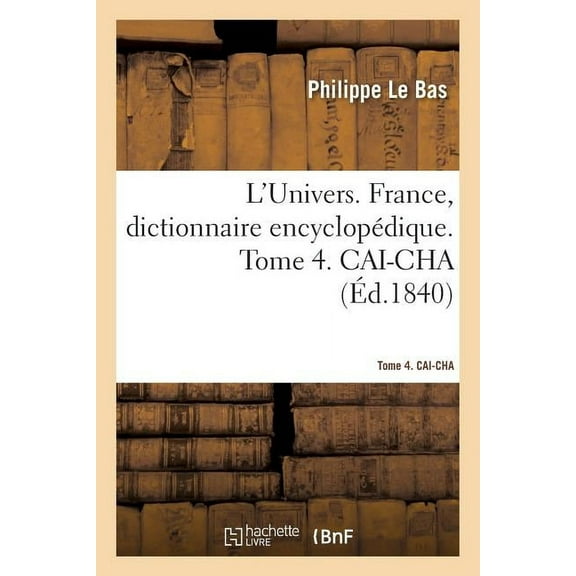
L'Univers. France, Dictionnaire Encyclopédique. Tome 4. Cai-Cha (Paperback) $34.95
 $3495current price $34.95
L'Univers. France, Dictionnaire Encyclopédique. Tome 4. Cai-Cha (Paperback)


Customer ratings & reviews
0 ratings|0 reviews
This item does not have any reviews yet

Related pages
- Art Association Of Montreal
- Theodor Mommsen; William Purdie Dickson
- Amsterdam Dutch
- Mystical Ireland Ireland History Books
- Istanbul Time
- Alphonso Pinkney
- Middle Eastern History Kids' Books
- Russian & Former Soviet Union Art Books
- Southeast Asia History Books
- Central Asia History Books
- Chinese History Books
- Arabian Peninsula Middle Eastern History Books