


Hero image 0 of Ambivalent Journey : U.S. Migration and Economic Mobility in North-Central Mexico (Hardcover), 0 of 1
Ambivalent Journey : U.S. Migration and Economic Mobility in North-Central Mexico (Hardcover)
(No ratings yet)
Key item features
The changing political and economic relationships between Mexico and the United States, and the concurrent U.S. debate over immigration policy and practice, demand new data on migration and its economic effects. In this innovative study, Richard C. Jones analyzes migration patterns from two subregions of north-central Mexico, Coahuila and Zacatecas, to the United States. He analyzes and contrasts the characteristics of the two migrant populations and interprets the economic impacts of migration upon both home of migration upon both home areas. Jones's findings refute some common assumptions about Mexican migration while providing a strong model for further research.
Jones's study focuses on the ways in which U.S. migration affects the lives of families in these two subregions. Migrants from Zacatecas have traditionally come from rural areas and have gone to California and Illinois. Migrants from Coahuila, on the other hand, usually come from urban areas and have almost exclusively preferred locations in nearby Texas. The different motivations of both groups for migrating, and the different economic and social effects upon their home areas realized by migrating, form the core of this book. The comparison also lends the book its uniqueness, since no other study has made such an in-depth comparison of two areas.
Jones addresses the basic dichotomy of structuralists (who maintain that dependency and disinvestment are the rule for families and communities in sending areas) and functionalists (who believe that autonomy and reinvestment are the case of migrants and their families in home regions). Jones finds that much of the primary literature is based on uneven and largely outdated data that leans heavily on two sending states, Jalisco and Michoacan. His fresh analysis shows that communities and regions of Mexico, rather than families only, account for differing migration patterns and differing social and economic results of these patterns.
Jones's study will be of value not only to scholars and practitioners working in the field of Mexican migration, but also, for its innovative methodology, to anthropologists, sociologists, political scientists, and historians whose interests include human migration patterns in any part of the world
Jones's study focuses on the ways in which U.S. migration affects the lives of families in these two subregions. Migrants from Zacatecas have traditionally come from rural areas and have gone to California and Illinois. Migrants from Coahuila, on the other hand, usually come from urban areas and have almost exclusively preferred locations in nearby Texas. The different motivations of both groups for migrating, and the different economic and social effects upon their home areas realized by migrating, form the core of this book. The comparison also lends the book its uniqueness, since no other study has made such an in-depth comparison of two areas.
Jones addresses the basic dichotomy of structuralists (who maintain that dependency and disinvestment are the rule for families and communities in sending areas) and functionalists (who believe that autonomy and reinvestment are the case of migrants and their families in home regions). Jones finds that much of the primary literature is based on uneven and largely outdated data that leans heavily on two sending states, Jalisco and Michoacan. His fresh analysis shows that communities and regions of Mexico, rather than families only, account for differing migration patterns and differing social and economic results of these patterns.
Jones's study will be of value not only to scholars and practitioners working in the field of Mexican migration, but also, for its innovative methodology, to anthropologists, sociologists, political scientists, and historians whose interests include human migration patterns in any part of the world
Specs
- Book formatHardcover
- Fiction/nonfictionNon-Fiction
- GenreHistory
- Publication dateJune, 1995
- Pages164
- Edition1
Current price is USD$59.96
Price when purchased online
- Free shipping
 Free 30-day returns
How do you want your item?
Columbus, 43215
Arrives between May 15 - May 20
|
Sold and shipped by newbookdeals
4.5595854922279795 stars out of 5, based on 1930 seller reviews(4.6)1930 seller reviews

Free 30-day returns - in store or online
About this item
Product details
The changing political and economic relationships between Mexico and the United States, and the concurrent U.S. debate over immigration policy and practice, demand new data on migration and its economic effects. In this innovative study, Richard C. Jones analyzes migration patterns from two subregions of north-central Mexico, Coahuila and Zacatecas, to the United States. He analyzes and contrasts the characteristics of the two migrant populations and interprets the economic impacts of migration upon both home of migration upon both home areas. Jones's findings refute some common assumptions about Mexican migration while providing a strong model for further research. Jones's study focuses on the ways in which U.S. migration affects the lives of families in these two subregions. Migrants from Zacatecas have traditionally come from rural areas and have gone to California and Illinois. Migrants from Coahuila, on the other hand, usually come from urban areas and have almost exclusively preferred locations in nearby Texas. The different motivations of both groups for migrating, and the different economic and social effects upon their home areas realized by migrating, form the core of this book. The comparison also lends the book its uniqueness, since no other study has made such an in-depth comparison of two areas. Jones addresses the basic dichotomy of structuralists (who maintain that dependency and disinvestment are the rule for families and communities in sending areas) and functionalists (who believe that autonomy and reinvestment are the case of migrants and their families in home regions). Jones finds that much of the primary literature is based on uneven and largely outdated data that leans heavily on two sending states, Jalisco and Michoacan. His fresh analysis shows that communities and regions of Mexico, rather than families only, account for differing migration patterns and differing social and economic results of these patterns. Jones's study will be of value not only to scholars and practitioners working in the field of Mexican migration, but also, for its innovative methodology, to anthropologists, sociologists, political scientists, and historians whose interests include human migration patterns in any part of the world
The changing political and economic relationships between Mexico and the United States, and the concurrent U.S. debate over immigration policy and practice, demand new data on migration and its economic effects. In this innovative study, Richard C. Jones analyzes migration patterns from two subregions of north-central Mexico, Coahuila and Zacatecas, to the United States. He analyzes and contrasts the characteristics of the two migrant populations and interprets the economic impacts of migration upon both home of migration upon both home areas. Jones's findings refute some common assumptions about Mexican migration while providing a strong model for further research.
Jones's study focuses on the ways in which U.S. migration affects the lives of families in these two subregions. Migrants from Zacatecas have traditionally come from rural areas and have gone to California and Illinois. Migrants from Coahuila, on the other hand, usually come from urban areas and have almost exclusively preferred locations in nearby Texas. The different motivations of both groups for migrating, and the different economic and social effects upon their home areas realized by migrating, form the core of this book. The comparison also lends the book its uniqueness, since no other study has made such an in-depth comparison of two areas.
Jones addresses the basic dichotomy of structuralists (who maintain that dependency and disinvestment are the rule for families and communities in sending areas) and functionalists (who believe that autonomy and reinvestment are the case of migrants and their families in home regions). Jones finds that much of the primary literature is based on uneven and largely outdated data that leans heavily on two sending states, Jalisco and Michoacan. His fresh analysis shows that communities and regions of Mexico, rather than families only, account for differing migration patterns and differing social and economic results of these patterns.
Jones's study will be of value not only to scholars and practitioners working in the field of Mexican migration, but also, for its innovative methodology, to anthropologists, sociologists, political scientists, and historians whose interests include human migration patterns in any part of the world
Jones's study focuses on the ways in which U.S. migration affects the lives of families in these two subregions. Migrants from Zacatecas have traditionally come from rural areas and have gone to California and Illinois. Migrants from Coahuila, on the other hand, usually come from urban areas and have almost exclusively preferred locations in nearby Texas. The different motivations of both groups for migrating, and the different economic and social effects upon their home areas realized by migrating, form the core of this book. The comparison also lends the book its uniqueness, since no other study has made such an in-depth comparison of two areas.
Jones addresses the basic dichotomy of structuralists (who maintain that dependency and disinvestment are the rule for families and communities in sending areas) and functionalists (who believe that autonomy and reinvestment are the case of migrants and their families in home regions). Jones finds that much of the primary literature is based on uneven and largely outdated data that leans heavily on two sending states, Jalisco and Michoacan. His fresh analysis shows that communities and regions of Mexico, rather than families only, account for differing migration patterns and differing social and economic results of these patterns.
Jones's study will be of value not only to scholars and practitioners working in the field of Mexican migration, but also, for its innovative methodology, to anthropologists, sociologists, political scientists, and historians whose interests include human migration patterns in any part of the world
info:
We aim to show you accurate product information. Manufacturers, suppliers and others provide what you see here, and we have not verified it.
Specifications
Book format
Hardcover
Fiction/nonfiction
Non-Fiction
Genre
History
Publication date
June, 1995
Warranty
Warranty information
Please be aware that the warranty terms on items offered for sale by third party Marketplace sellers may differ from those displayed in this section (if any). To confirm warranty terms on an item offered for sale by a third party Marketplace seller, please use the 'Contact seller' feature on the third party Marketplace seller's information page and request the item's warranty terms prior to purchase.
Similar items you might like
Based on what customers bought
Stumbling Its Way through Mexico : The Early Years of the Communist International (Edition 1) (Hardcover) $40.62
 $4062current price $40.62
Stumbling Its Way through Mexico : The Early Years of the Communist International (Edition 1) (Hardcover)
Jaguar Books on Latin America Religious Culture in Modern Mexico, (Paperback) $55.99
 $5599current price $55.99
Jaguar Books on Latin America Religious Culture in Modern Mexico, (Paperback)
Five Suns: A Fire History of Mexico, (Hardcover) $55.84
 $5584current price $55.84
Five Suns: A Fire History of Mexico, (Hardcover)
Latin American Silhouettes Vagrants and Citizens: Politics and the Masses in Mexico City from Colony to Republic, (Paperback) $37.77
 $3777current price $37.77
Latin American Silhouettes Vagrants and Citizens: Politics and the Masses in Mexico City from Colony to Republic, (Paperback)
Histoire De Nations Civilisées Du Mexique Et De L'amérique-Centrale, Durant Les Siècles Antérieurs À Christophe Colomb; Volume 2 (Paperback) $31.05
 $3105current price $31.05
Histoire De Nations Civilisées Du Mexique Et De L'amérique-Centrale, Durant Les Siècles Antérieurs À Christophe Colomb; Volume 2 (Paperback)
Border People : Life and Society in the U.S.-Mexico Borderlands (Paperback) $40.08
 $4008current price $40.08
Border People : Life and Society in the U.S.-Mexico Borderlands (Paperback)
Native Resistance and the Pax Colonial in New Spain (Hardcover) $87.93
 $8793current price $87.93
Native Resistance and the Pax Colonial in New Spain (Hardcover)
History of the North Mexican States, (Hardcover) $46.95
 $4695current price $46.95
History of the North Mexican States, (Hardcover)
Pitt Latin American Mexican Icarus: Aviation and the Modernization of Mexican Identity, 1928-1960, (Hardcover) $60.52
 $6052current price $60.52
Pitt Latin American Mexican Icarus: Aviation and the Modernization of Mexican Identity, 1928-1960, (Hardcover)
The Illusion of Ignorance: Constructing the American Encounter with Mexico, 1877-1920, (Paperback) $54.99
 $5499current price $54.99
The Illusion of Ignorance: Constructing the American Encounter with Mexico, 1877-1920, (Paperback)
The History of Mexico, (Hardcover) $38.95
 $3895current price $38.95
The History of Mexico, (Hardcover)
Maximilien Et Le Mexique : Histoire Des Derniers Mois De L'empire Mexicain (Paperback) $26.32
 $2632current price $26.32
Maximilien Et Le Mexique : Histoire Des Derniers Mois De L'empire Mexicain (Paperback)
MÃ(c)xico a travÃ(c)s de los siglos, (Hardcover) $51.95
 $5195current price $51.95
MÃ(c)xico a travÃ(c)s de los siglos, (Hardcover)
Making the Chinese Mexican: Global Migration, Localism, and Exclusion in the U.S.-Mexico Borderlands $34.69
 $3469current price $34.69
Making the Chinese Mexican: Global Migration, Localism, and Exclusion in the U.S.-Mexico Borderlands
Exile and Cultural Hegemony: Spanish Intellectuals in Mexico, 1939-1975, (Hardcover) $95.68
 $9568current price $95.68
Exile and Cultural Hegemony: Spanish Intellectuals in Mexico, 1939-1975, (Hardcover)
Pitt Latin American Workers and Welfare: Comparative Institutional Change in Twentieth-Century Mexico, Book 349, (Paperback) $59.96
 $5996current price $59.96
Pitt Latin American Workers and Welfare: Comparative Institutional Change in Twentieth-Century Mexico, Book 349, (Paperback)
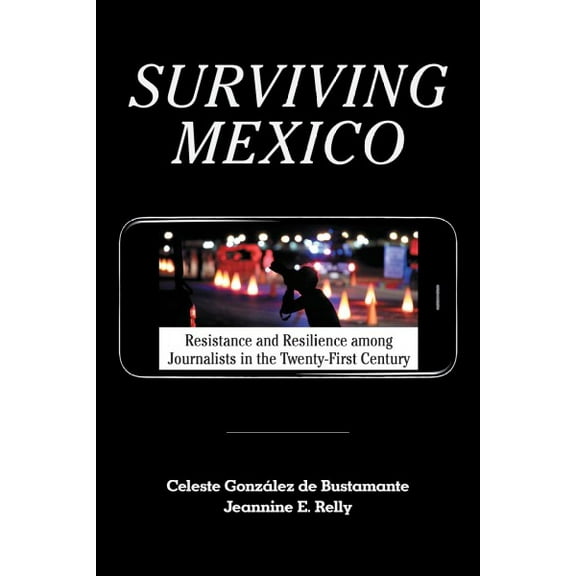
Surviving Mexico: Resistance and Resilience Among Journalists in the Twenty-First Century (Paperback) $40.54
 $4054current price $40.54
Surviving Mexico: Resistance and Resilience Among Journalists in the Twenty-First Century (Paperback)
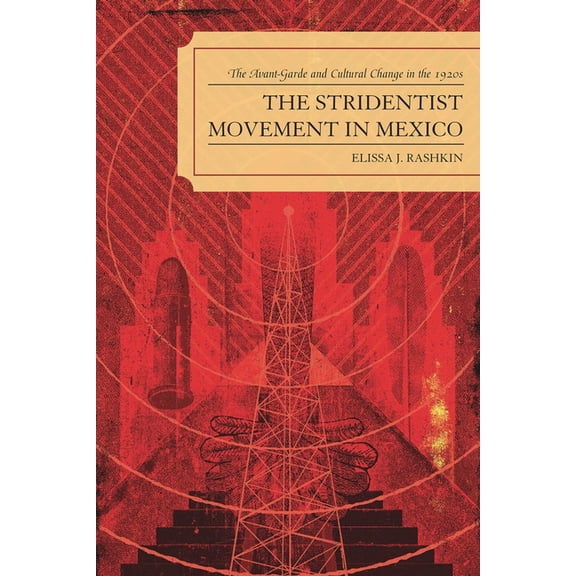
The Stridentist Movement in Mexico: The Avant-Garde and Cultural Change in the 1920s, (Paperback) $58.95
 $5895current price $58.95
The Stridentist Movement in Mexico: The Avant-Garde and Cultural Change in the 1920s, (Paperback)
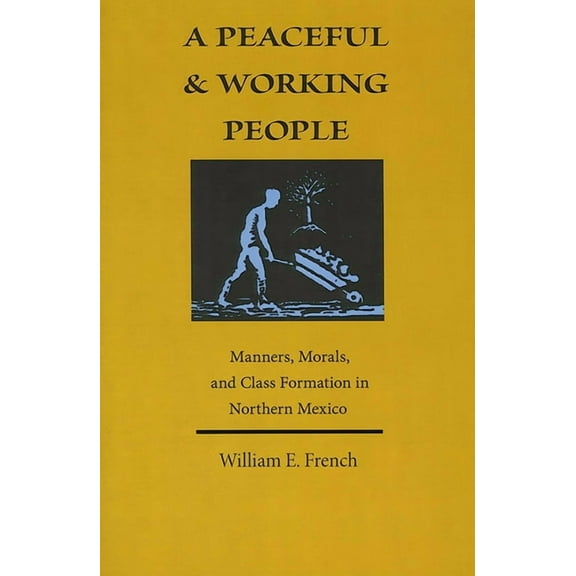
A Peaceful and Working People: Manners, Morals, and Class Formation in Northern Mexico, (Paperback) $44.42
 $4442current price $44.42
A Peaceful and Working People: Manners, Morals, and Class Formation in Northern Mexico, (Paperback)

Customer ratings & reviews
0 ratings|0 reviews
This item does not have any reviews yet
