


Ugarit: The History and Legacy of the Kingdom of Ugarit in the Ancient Near East
(No ratings yet)
Key item features
- ISBN: 9798657473100
- Condition: New
- Trade paperback
- Language: English
- Pages: 46
- Trade paperback (US). Glued binding. 46 p.
- *Includes pictures
*Includes a bibliography for further reading
"My father, behold, the enemy's ships came (here); my cities(?) were burned, and they did evil things in my country. Does not my father know that all my troops and chariots(?) are in the Land of Hatti, and all my ships are in the Land of Lukka? ... Thus, the country is abandoned to itself. May my father know it: the seven ships of the enemy that came here inflicted much damage upon us." - King Ammurapi
Not far from the Latakia, Syria, near the Mediterranean Sea coast, is the politically insignificant town of Burj al-Qasab. Throughout most of its history, Burj al-Qasab was overshadowed by Latakia, but this was not always the case. More than 3,000 years ago, on a hill known as Ras Sharma located just outside Burj al-Qasab, a sprawling metropolis much more important and powerful than Latakia, or most other modern cities in the region for that matter once existed. Ras Sharma was the location of Ugarit, an extremely wealthy and powerful Bronze Age city-state that received and sent merchants far and wide through its gates. It also developed complex geopolitical relationships with some of the most powerful empires of the period, including the Hittites, Egyptians, Babylonians, and Mitanni. Ugarit was a truly cosmopolitan city, where dozens of languages were spoken, people from all over the Near East lived, and exotic goods were as common as the sands on its beaches. When Ugarit was at the pinnacle of its power and wealth, it was destroyed by foreign invaders and quickly forgotten.
Thanks to modern archaeologists, philologists, and historians, the secrets of Ugarit were uncovered in the early 20th century when it was revealed that Ras Sharma was part of an ancient city. As scholars excavated the ancient site and documented the plethora of art and written texts found there, they realized that it was the important city of Ugarit that had been mentioned in texts and inscriptions by major Bronze Age Near Eastern kingdoms. Modern scholars learned that although Ugarit was not one of the major kingdoms or so-called Great Powers of the Late Bronze Age Near East, it was powerful and important in its own right. Ugarit was extremely important economically, as its merchants played the role of middlemen between the empires, bringing goods from major empires of the period to be traded in Ugarit's markets. The culture of Ugarit was also important - it was similar to other Canaanite peoples of the Levant region and also influenced later peoples of the region, especially in terms of religion.
Ugarit also bore witness to the transition from the Bronze to the Iron Age during the late 13th and early 12th centuries BCE, which arguably changed the structure and course of world history more fundamentally than any period before or since. During this period, numerous wealthy and enduring kingdoms of the eastern Mediterranean Sea region collapsed, and new ones rose in their places.
At the center of this period of turmoil was a group of people known today as the Sea Peoples, the English translation of the name given to them by the Egyptians. Despite their prominent role in history, however, the Sea Peoples remain as mysterious as they were influential; while the Egyptians documented their presence and the wars against them, it has never been clear exactly where the Sea Peoples originated from, or what compelled them to invade various parts of the region with massive numbers. Whatever the reason, the Sea Peoples posed an existential threat to the people already living in the region, and ultimately the people of Ugarit would be among their many victims.
Ugarit: The History and Legacy of the Kingdom of Ugarit in the Ancient Near East examines the origins of the settlement, and what life may have been like there. Along with pictures of important people, places, and events, you will learn about Ugarit like never before.
Specs
- Book formatPaperback
- Fiction/nonfictionNon-Fiction
- GenreHistory
- Pub date2020-06-27
- Pages46
- SubgenreHistory
Current price is USD$11.14
Price when purchased online
 Free 90-day returns
How do you want your item?
Try 30 days of Free Shipping with Walmart+! Choose plan at checkout.
Columbus, 43215
Arrives by Tue, Apr 21
Sold and shipped by Walmart.com

Free 90-day returns

This item is gift eligible
More seller options (2)
Starting from $13.46

Get free delivery, shipping and more*
*Restrictions apply Try Walmart+ now
About this item
Product details
9798657473100. New condition. Trade paperback. Language: English. Pages: 46. Trade paperback (US). Glued binding. 46 p. *Includes pictures
*Includes a bibliography for further reading
"My father, behold, the enemy's ships came (here); my cities(?) were burned, and they did evil things in my country. Does not my father know that all my troops and chariots(?) are in the Land of Hatti, and all my ships are in the Land of Lukka? ... Thus, the country is abandoned to itself. May my father know it: the seven ships of the enemy that came here inflicted much damage upon us." - King Ammurapi
Not far from the Latakia, Syria, near the Mediterranean Sea coast, is the politically insignificant town of Burj al-Qasab. Throughout most of its history, Burj al-Qasab was overshadowed by Latakia, but this was not always the case. More than 3,000 years ago, on a hill known as Ras Sharma located just outside Burj al-Qasab, a sprawling metropolis much more important and powerful than Latakia, or most other modern cities in the region for that matter once existed. Ras Sharma was the location of Ugarit, an extremely wealthy and powerful Bronze Age city-state that received and sent merchants far and wide through its gates. It also developed complex geopolitical relationships with some of the most powerful empires of the period, including the Hittites, Egyptians, Babylonians, and Mitanni. Ugarit was a truly cosmopolitan city, where dozens of languages were spoken, people from all over the Near East lived, and exotic goods were as common as the sands on its beaches. When Ugarit was at the pinnacle of its power and wealth, it was destroyed by foreign invaders and quickly forgotten.
Thanks to modern archaeologists, philologists, and historians, the secrets of Ugarit were uncovered in the early 20th century when it was revealed that Ras Sharma was part of an ancient city. As scholars excavated the ancient site and documented the plethora of art and written texts found there, they realized that it was the important city of Ugarit that had been mentioned in texts and inscriptions by major Bronze Age Near Eastern kingdoms. Modern scholars learned that although Ugarit was not one of the major kingdoms or so-called Great Powers of the Late Bronze Age Near East, it was powerful and important in its own right. Ugarit was extremely important economically, as its merchants played the role of middlemen between the empires, bringing goods from major empires of the period to be traded in Ugarit's markets. The culture of Ugarit was also important - it was similar to other Canaanite peoples of the Levant region and also influenced later peoples of the region, especially in terms of religion.
Ugarit also bore witness to the transition from the Bronze to the Iron Age during the late 13th and early 12th centuries BCE, which arguably changed the structure and course of world history more fundamentally than any period before or since. During this period, numerous wealthy and enduring kingdoms of the eastern Mediterranean Sea region collapsed, and new ones rose in their places.
At the center of this period of turmoil was a group of people known today as the Sea Peoples, the English translation of the name given to them by the Egyptians. Despite their prominent role in history, however, the Sea Peoples remain as mysterious as they were influential; while the Egyptians documented their presence and the wars against them, it has never been clear exactly where the Sea Peoples originated from, or what compelled them to invade various parts of the region with massive numbers. Whatever the reason, the Sea Peoples posed an existential threat to the people already living in the region, and ultimately the people of Ugarit would be among their many victims.
Ugarit: The History and Legacy of the Kingdom of Ugarit in the Ancient Near East examines the origins of the settlement, and what life may have been like there. Along with pictures of important people, places, and events, you will learn about Ugarit like never before.
*Includes a bibliography for further reading
"My father, behold, the enemy's ships came (here); my cities(?) were burned, and they did evil things in my country. Does not my father know that all my troops and chariots(?) are in the Land of Hatti, and all my ships are in the Land of Lukka? ... Thus, the country is abandoned to itself. May my father know it: the seven ships of the enemy that came here inflicted much damage upon us." - King Ammurapi
Not far from the Latakia, Syria, near the Mediterranean Sea coast, is the politically insignificant town of Burj al-Qasab. Throughout most of its history, Burj al-Qasab was overshadowed by Latakia, but this was not always the case. More than 3,000 years ago, on a hill known as Ras Sharma located just outside Burj al-Qasab, a sprawling metropolis much more important and powerful than Latakia, or most other modern cities in the region for that matter once existed. Ras Sharma was the location of Ugarit, an extremely wealthy and powerful Bronze Age city-state that received and sent merchants far and wide through its gates. It also developed complex geopolitical relationships with some of the most powerful empires of the period, including the Hittites, Egyptians, Babylonians, and Mitanni. Ugarit was a truly cosmopolitan city, where dozens of languages were spoken, people from all over the Near East lived, and exotic goods were as common as the sands on its beaches. When Ugarit was at the pinnacle of its power and wealth, it was destroyed by foreign invaders and quickly forgotten.
Thanks to modern archaeologists, philologists, and historians, the secrets of Ugarit were uncovered in the early 20th century when it was revealed that Ras Sharma was part of an ancient city. As scholars excavated the ancient site and documented the plethora of art and written texts found there, they realized that it was the important city of Ugarit that had been mentioned in texts and inscriptions by major Bronze Age Near Eastern kingdoms. Modern scholars learned that although Ugarit was not one of the major kingdoms or so-called Great Powers of the Late Bronze Age Near East, it was powerful and important in its own right. Ugarit was extremely important economically, as its merchants played the role of middlemen between the empires, bringing goods from major empires of the period to be traded in Ugarit's markets. The culture of Ugarit was also important - it was similar to other Canaanite peoples of the Levant region and also influenced later peoples of the region, especially in terms of religion.
Ugarit also bore witness to the transition from the Bronze to the Iron Age during the late 13th and early 12th centuries BCE, which arguably changed the structure and course of world history more fundamentally than any period before or since. During this period, numerous wealthy and enduring kingdoms of the eastern Mediterranean Sea region collapsed, and new ones rose in their places.
At the center of this period of turmoil was a group of people known today as the Sea Peoples, the English translation of the name given to them by the Egyptians. Despite their prominent role in history, however, the Sea Peoples remain as mysterious as they were influential; while the Egyptians documented their presence and the wars against them, it has never been clear exactly where the Sea Peoples originated from, or what compelled them to invade various parts of the region with massive numbers. Whatever the reason, the Sea Peoples posed an existential threat to the people already living in the region, and ultimately the people of Ugarit would be among their many victims.
Ugarit: The History and Legacy of the Kingdom of Ugarit in the Ancient Near East examines the origins of the settlement, and what life may have been like there. Along with pictures of important people, places, and events, you will learn about Ugarit like never before.
- ISBN: 9798657473100
- Condition: New
- Trade paperback
- Language: English
- Pages: 46
- Trade paperback (US). Glued binding. 46 p.
- *Includes pictures
*Includes a bibliography for further reading
"My father, behold, the enemy's ships came (here); my cities(?) were burned, and they did evil things in my country. Does not my father know that all my troops and chariots(?) are in the Land of Hatti, and all my ships are in the Land of Lukka? ... Thus, the country is abandoned to itself. May my father know it: the seven ships of the enemy that came here inflicted much damage upon us." - King Ammurapi
Not far from the Latakia, Syria, near the Mediterranean Sea coast, is the politically insignificant town of Burj al-Qasab. Throughout most of its history, Burj al-Qasab was overshadowed by Latakia, but this was not always the case. More than 3,000 years ago, on a hill known as Ras Sharma located just outside Burj al-Qasab, a sprawling metropolis much more important and powerful than Latakia, or most other modern cities in the region for that matter once existed. Ras Sharma was the location of Ugarit, an extremely wealthy and powerful Bronze Age city-state that received and sent merchants far and wide through its gates. It also developed complex geopolitical relationships with some of the most powerful empires of the period, including the Hittites, Egyptians, Babylonians, and Mitanni. Ugarit was a truly cosmopolitan city, where dozens of languages were spoken, people from all over the Near East lived, and exotic goods were as common as the sands on its beaches. When Ugarit was at the pinnacle of its power and wealth, it was destroyed by foreign invaders and quickly forgotten.
Thanks to modern archaeologists, philologists, and historians, the secrets of Ugarit were uncovered in the early 20th century when it was revealed that Ras Sharma was part of an ancient city. As scholars excavated the ancient site and documented the plethora of art and written texts found there, they realized that it was the important city of Ugarit that had been mentioned in texts and inscriptions by major Bronze Age Near Eastern kingdoms. Modern scholars learned that although Ugarit was not one of the major kingdoms or so-called Great Powers of the Late Bronze Age Near East, it was powerful and important in its own right. Ugarit was extremely important economically, as its merchants played the role of middlemen between the empires, bringing goods from major empires of the period to be traded in Ugarit's markets. The culture of Ugarit was also important - it was similar to other Canaanite peoples of the Levant region and also influenced later peoples of the region, especially in terms of religion.
Ugarit also bore witness to the transition from the Bronze to the Iron Age during the late 13th and early 12th centuries BCE, which arguably changed the structure and course of world history more fundamentally than any period before or since. During this period, numerous wealthy and enduring kingdoms of the eastern Mediterranean Sea region collapsed, and new ones rose in their places.
At the center of this period of turmoil was a group of people known today as the Sea Peoples, the English translation of the name given to them by the Egyptians. Despite their prominent role in history, however, the Sea Peoples remain as mysterious as they were influential; while the Egyptians documented their presence and the wars against them, it has never been clear exactly where the Sea Peoples originated from, or what compelled them to invade various parts of the region with massive numbers. Whatever the reason, the Sea Peoples posed an existential threat to the people already living in the region, and ultimately the people of Ugarit would be among their many victims.
Ugarit: The History and Legacy of the Kingdom of Ugarit in the Ancient Near East examines the origins of the settlement, and what life may have been like there. Along with pictures of important people, places, and events, you will learn about Ugarit like never before.
info:
We aim to show you accurate product information. Manufacturers, suppliers and others provide what you see here, and we have not verified it.
Specifications
Book format
Paperback
Fiction/nonfiction
Non-Fiction
Genre
History
Pub date
2020-06-27
Warranty
Warranty information
Please be aware that the warranty terms on items offered for sale by third party Marketplace sellers may differ from those displayed in this section (if any). To confirm warranty terms on an item offered for sale by a third party Marketplace seller, please use the 'Contact seller' feature on the third party Marketplace seller's information page and request the item's warranty terms prior to purchase.
Similar items you might like
Based on what customers bought
Pyrrhus of Epirus: The Life and Legacy of One of the Ancient World's Most Famous Generals, (Paperback) $13.46
 $1346current price $13.46
Pyrrhus of Epirus: The Life and Legacy of One of the Ancient World's Most Famous Generals, (Paperback)
Zeus: The Origins and History of the Greek God (Paperback) by Charles River $12.72
 $1272current price $12.72
Zeus: The Origins and History of the Greek God (Paperback) by Charles River
Zeus : The Origins and History of the Greek God $11.14
 $1114current price $11.14
Zeus : The Origins and History of the Greek God
Lost Civilizations: Architecture, Monume Ancient Greece: A Comprehensive Guide to Civilization and Legacy: Unveiling the Enduring Influence of the Ancient World, (Paperback) $13.99
 $1399current price $13.99
Lost Civilizations: Architecture, Monume Ancient Greece: A Comprehensive Guide to Civilization and Legacy: Unveiling the Enduring Influence of the Ancient World, (Paperback)
Cantre'r Gwaelod: The Mysterious Legend of the Ancient Sunken Kingdom Known as the Welsh Atlantis, (Paperback) $13.46
 $1346current price $13.46
Cantre'r Gwaelod: The Mysterious Legend of the Ancient Sunken Kingdom Known as the Welsh Atlantis, (Paperback)
The Lost City of Heracleion: The History of the Ancient Egyptian City Now Underwater in the Mediterranean $11.14
 $1114current price $11.14
The Lost City of Heracleion: The History of the Ancient Egyptian City Now Underwater in the Mediterranean
The Kingdom of Mitanni: The Mysterious History of the Short-Lived Mesopotamian Civilization during the Late Bronze Age $11.14
 $1114current price $11.14
The Kingdom of Mitanni: The Mysterious History of the Short-Lived Mesopotamian Civilization during the Late Bronze Age
Ancient Echoes: The Rise and Legacy of E Secrets Of The Sumerians: How the First Civilization Change the world and Still Shapes Us Today., (Paperback) $13.99
 $1399current price $13.99
Ancient Echoes: The Rise and Legacy of E Secrets Of The Sumerians: How the First Civilization Change the world and Still Shapes Us Today., (Paperback)
Ptahhotep for Beginners: Timeless Teachings of the Egyptian Vizier, (Paperback) $14.99
 $1499current price $14.99
Ptahhotep for Beginners: Timeless Teachings of the Egyptian Vizier, (Paperback)
The Predecessors of Cleopatra: History of Egyptian Queens: Hatshepsut, Nefertiti, Nofutari, Tausert, Ptolemy Queens, Per, (Paperback) $10.48
 $1048current price $10.48
The Predecessors of Cleopatra: History of Egyptian Queens: Hatshepsut, Nefertiti, Nofutari, Tausert, Ptolemy Queens, Per, (Paperback)
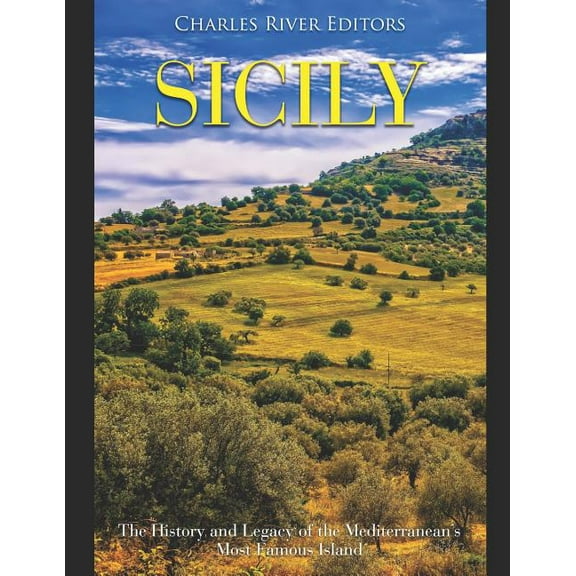
Sicily: The History and Legacy of the Mediterranean's Most Famous Island, (Paperback) $16.06
 $1606current price $16.06
Sicily: The History and Legacy of the Mediterranean's Most Famous Island, (Paperback)
Pre-Owned The Complete Tutankhamun: The King, the Tomb, the Royal Treasure (King Tut) (Paperback) 0500278105 9780500278109 $3.99 Was $5.73
 2 optionsAvailable in additional 2 options$399current price $3.99, Was $5.73$5.73
Pre-Owned The Complete Tutankhamun: The King, the Tomb, the Royal Treasure (King Tut) (Paperback) 0500278105 9780500278109
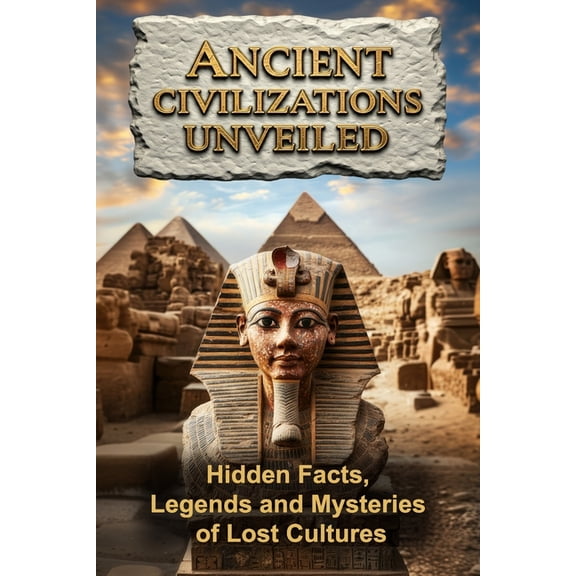
15 out of 5 Stars. 1 reviewsAncient Civilizations Unveiled: Hidden Facts, Legends and Mysteries of Lost Cultures, (Paperback) $13.95 Was $18.95
 $1395current price $13.95, Was $18.95$18.95
Ancient Civilizations Unveiled: Hidden Facts, Legends and Mysteries of Lost Cultures, (Paperback)
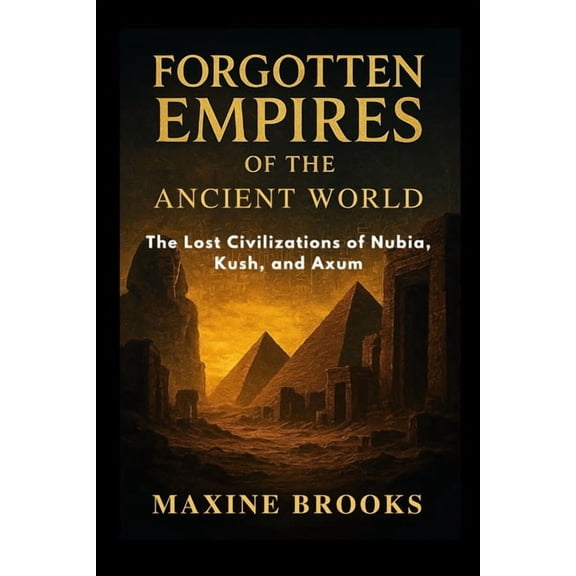
Ancient Footprints Forgotten Empires of the Ancient World: The Lost Civilizations of Nubia, Kush, and Axum, Book 3, (Paperback) $15.99
 $1599current price $15.99
Ancient Footprints Forgotten Empires of the Ancient World: The Lost Civilizations of Nubia, Kush, and Axum, Book 3, (Paperback)
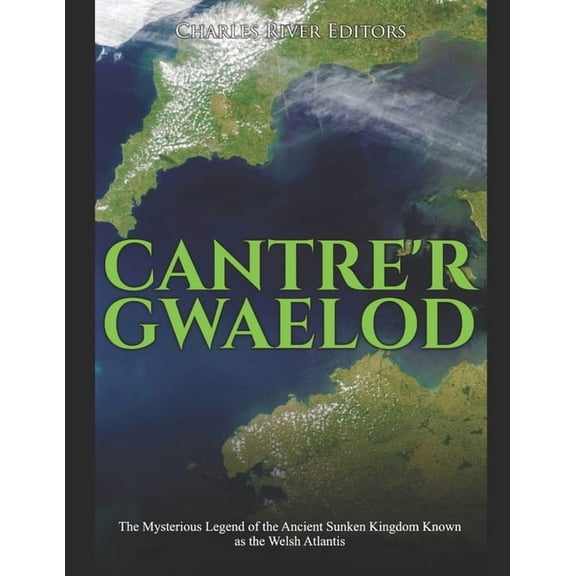
Cantre'r Gwaelod: The Mysterious Legend of the Ancient Sunken Kingdom Known as the Welsh Atlantis, (Paperback) $13.46
 $1346current price $13.46
Cantre'r Gwaelod: The Mysterious Legend of the Ancient Sunken Kingdom Known as the Welsh Atlantis, (Paperback)
Ancient Egypt's Most Famous Royal Family: The Lives and Deaths of Akhenaten, Nefertiti, and Tutankhamun, (Paperback) $14.52
 $1452current price $14.52
Ancient Egypt's Most Famous Royal Family: The Lives and Deaths of Akhenaten, Nefertiti, and Tutankhamun, (Paperback)
Darius the Great and Xerxes I: The History of the Achaemenid Persian Emperors Who Invaded Ancient Greece $14.44
 $1444current price $14.44
Darius the Great and Xerxes I: The History of the Achaemenid Persian Emperors Who Invaded Ancient Greece
What It Was Like to Be ... What It Was Like to Be an Ancient Egyptian: What It Was Like to Be..., Book 4, (Paperback) $11.36
 $1136current price $11.36
What It Was Like to Be ... What It Was Like to Be an Ancient Egyptian: What It Was Like to Be..., Book 4, (Paperback)
Pre-Owned The Treasures of Tutankhamun (Hardcover) 0500052182 9780500052181 $7.08 Was $10.29
 $708current price $7.08, Was $10.29$10.29
Pre-Owned The Treasures of Tutankhamun (Hardcover) 0500052182 9780500052181
Peloponnesian War: An Epic Account of Power, Betrayal, and the Fall of the Greatest Civilization of the Ancient World, (Paperback) $13.99
 $1399current price $13.99
Peloponnesian War: An Epic Account of Power, Betrayal, and the Fall of the Greatest Civilization of the Ancient World, (Paperback)
Customer ratings & reviews
0 ratings|0 reviews
This item does not have any reviews yet

Related pages
- Best Sellers In Ancient Greek History
- Indo Iranian
- Ancient & Classical Philosophy Books
- Assyrian Culture
- Theophrastus Bombastus
- Theseus Greek
- Thich Nath Hanh
- Renaissance Philosophy Books
- Ancient Greek History Books
- Aesthetics Philosophy Books
- Hermeneutics Philosophy Books
- Middle Eastern Literary Criticism Books