




Men's Socks at Walmart: Crew, Ankle & Athletic Socks





































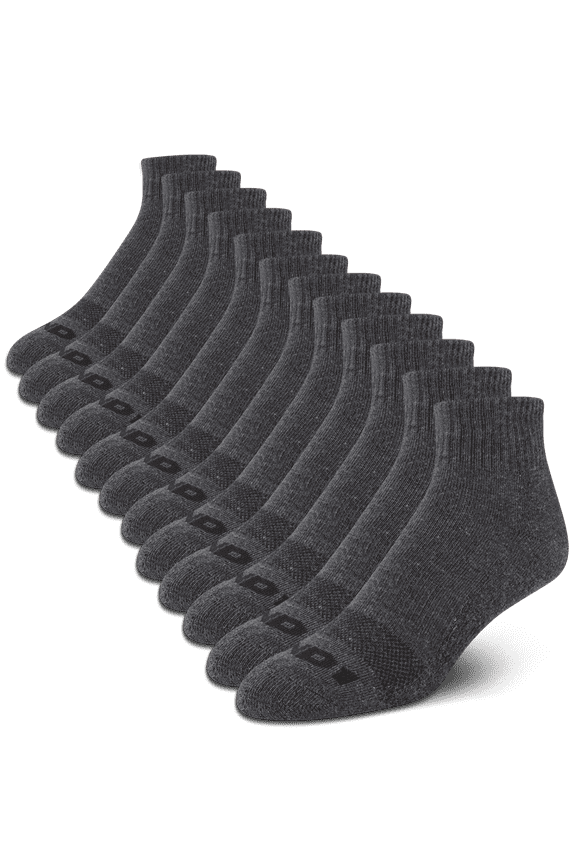
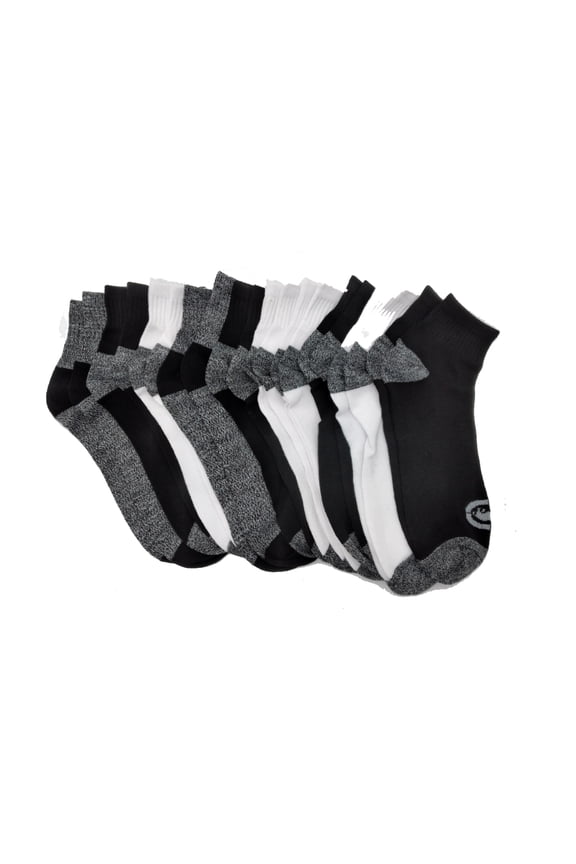


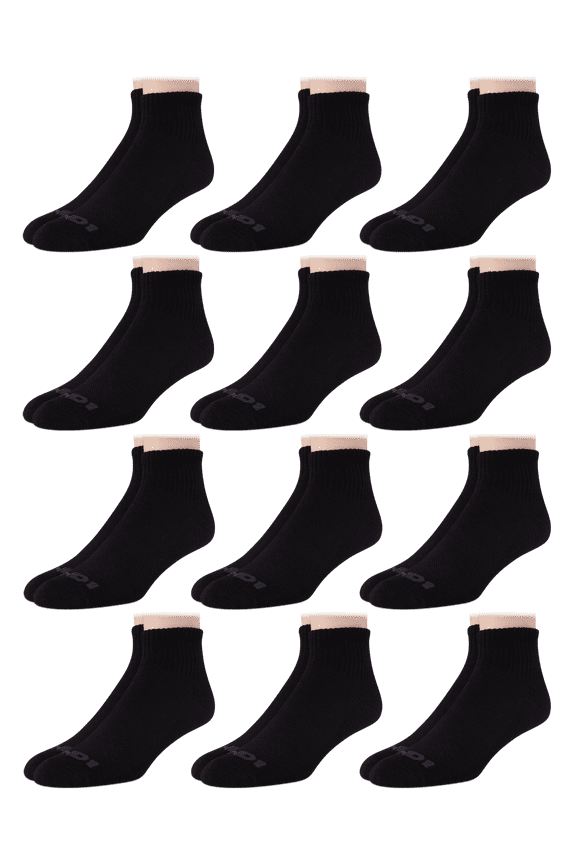
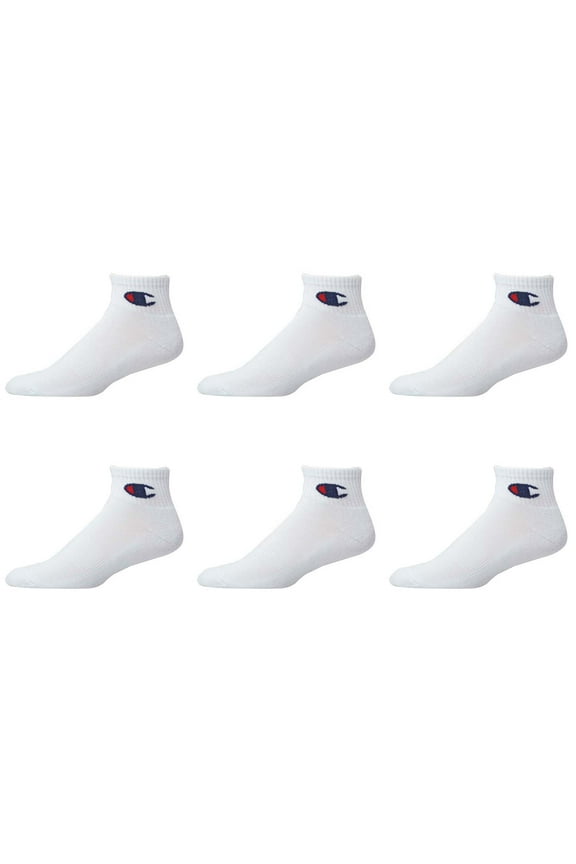


About Men's Socks at Walmart: Crew, Ankle & Athletic Socks - Walmart.com
Men's socks help you dial in comfort, fit, and shoe coverage for workdays, workouts, and daily wear. On this page, you can compare lengths, materials, sizes, and pack counts without guessing what fits your routine.
If you're replacing drawer staples or narrowing down socks for men, you'll want details that match your shoes and schedule. You can use this guide to compare crew length socks, no-show pairs, and size options with more confidence.
Choosing the right men's socks
When you choose sock length first, you can narrow your options fast and match coverage to the shoes you wear most. You'll usually reach for crew styles with sneakers, boots, and casual shoes because they sit above the ankle.
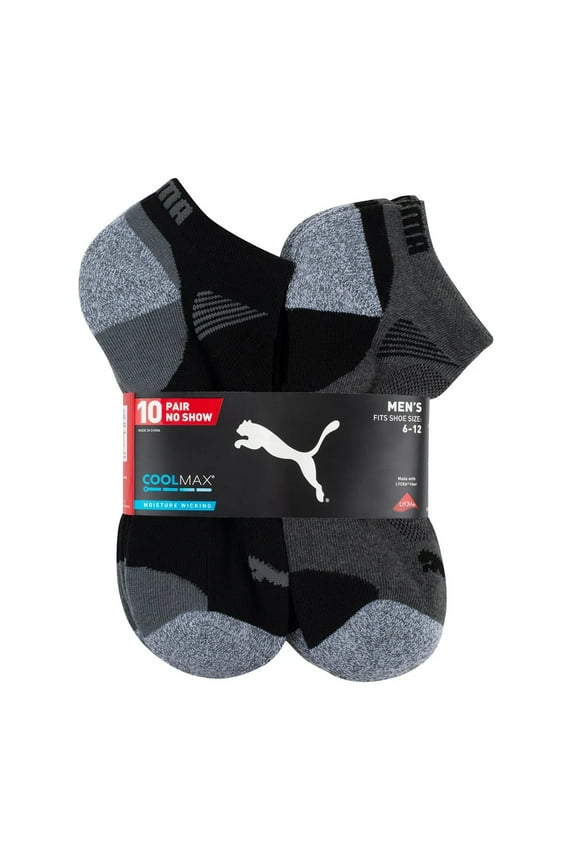
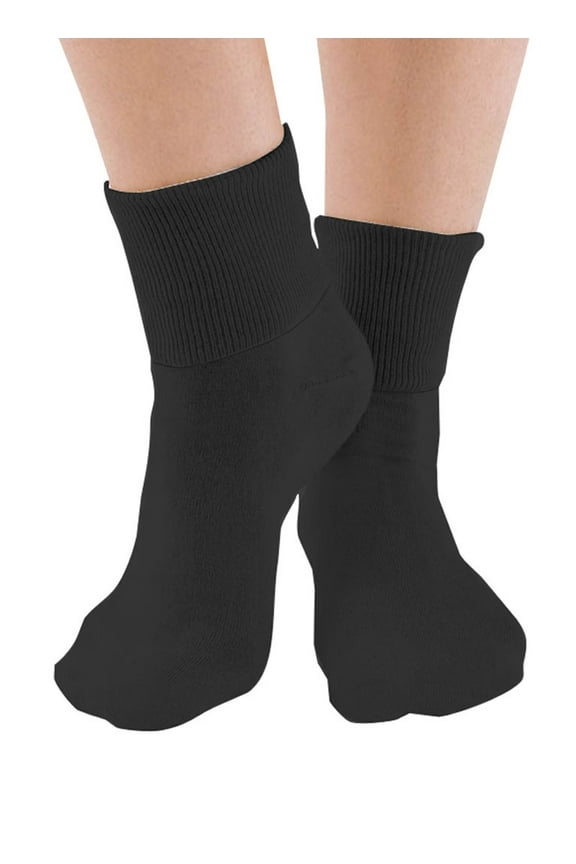
If you want less visible coverage, you can compare ankle, low-cut, and no-show pairs by shoe opening. You'll often prefer no-show socks with loafers or low-profile sneakers when you want a cleaner look.
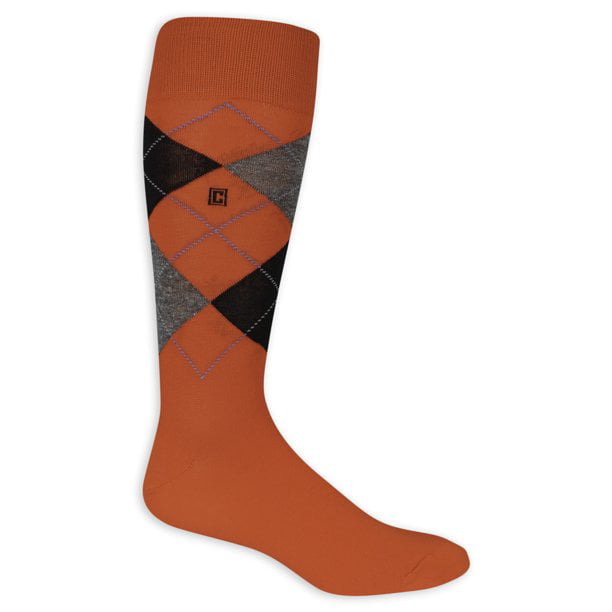
Over-the-calf options give you more leg coverage, which many shoppers prefer with taller boots or dress pants. If you wear dress shoes often, you may also look for thinner socks that layer smoothly inside fitted footwear.
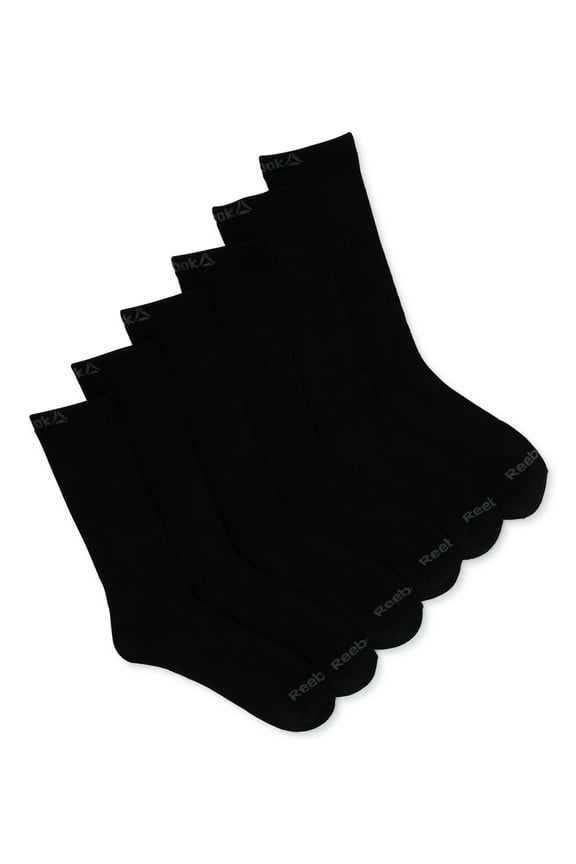
- You can choose crew socks when you want everyday coverage with sneakers, boots, or work shoes.
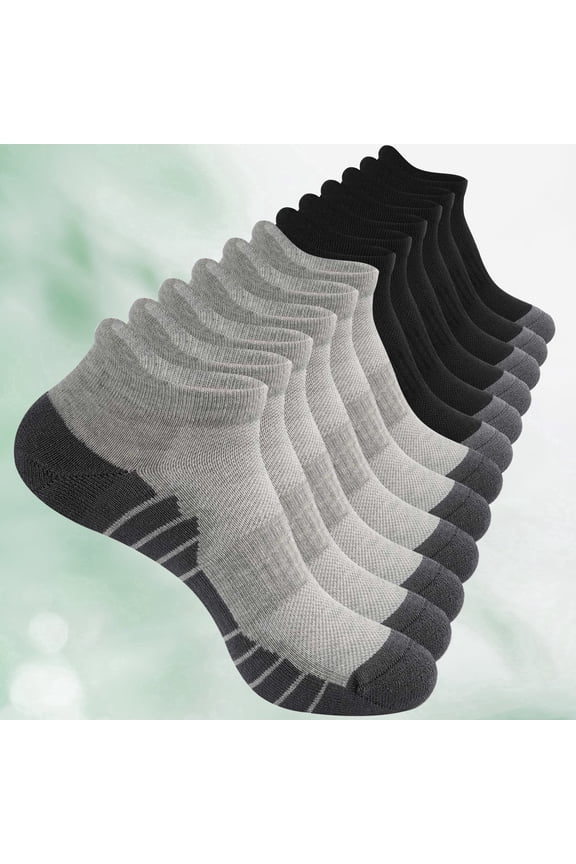
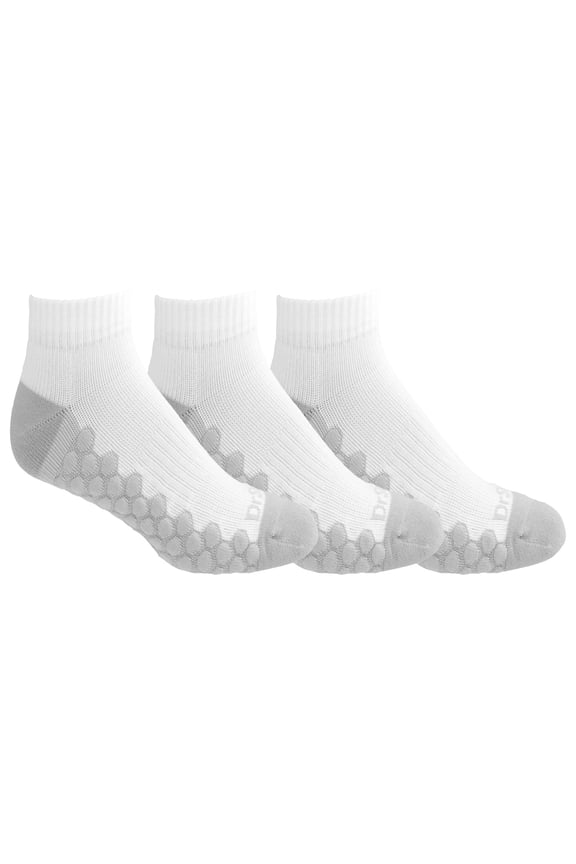
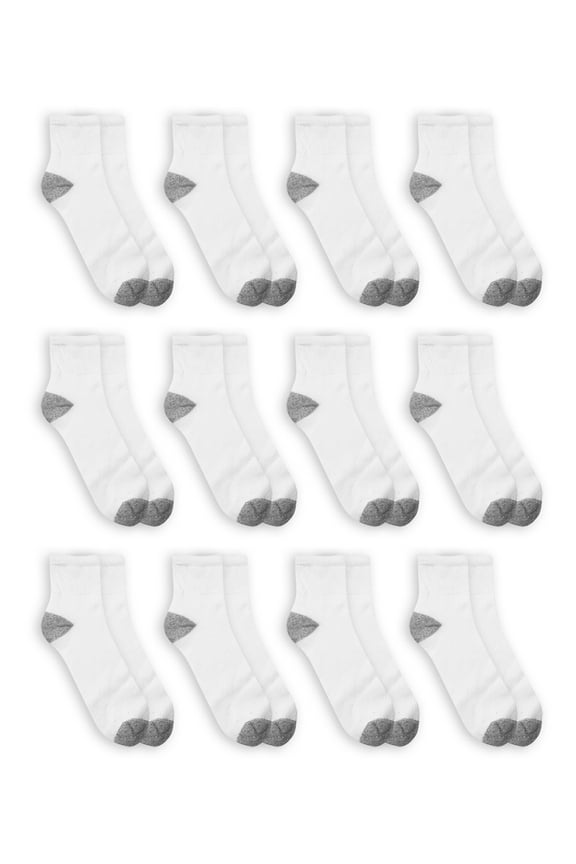
- You can pick ankle or low-cut styles when you want lighter coverage around the ankle.
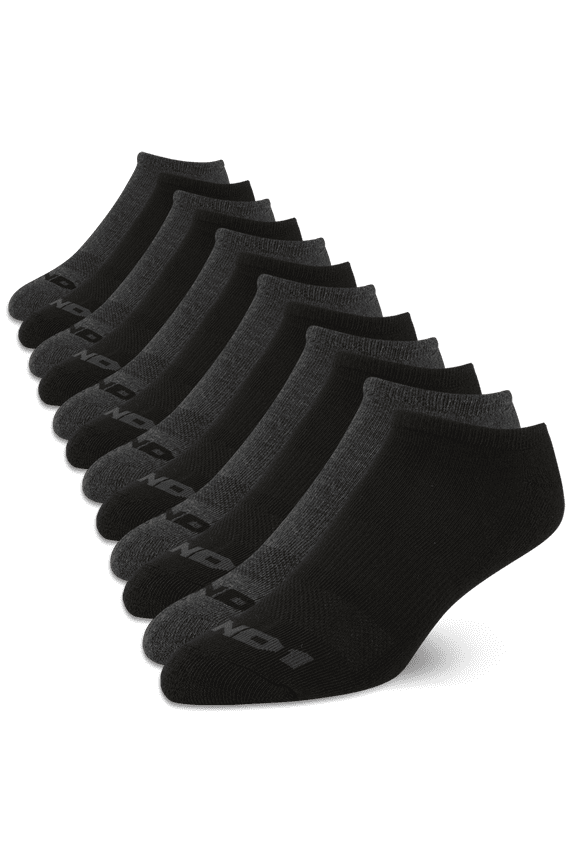
- You can wear no-show pairs when you want socks to stay out of sight with low-profile shoes.
- You can consider over-the-calf lengths when you want more coverage under taller boots or dress pants.
What to look for in crew length socks and materials
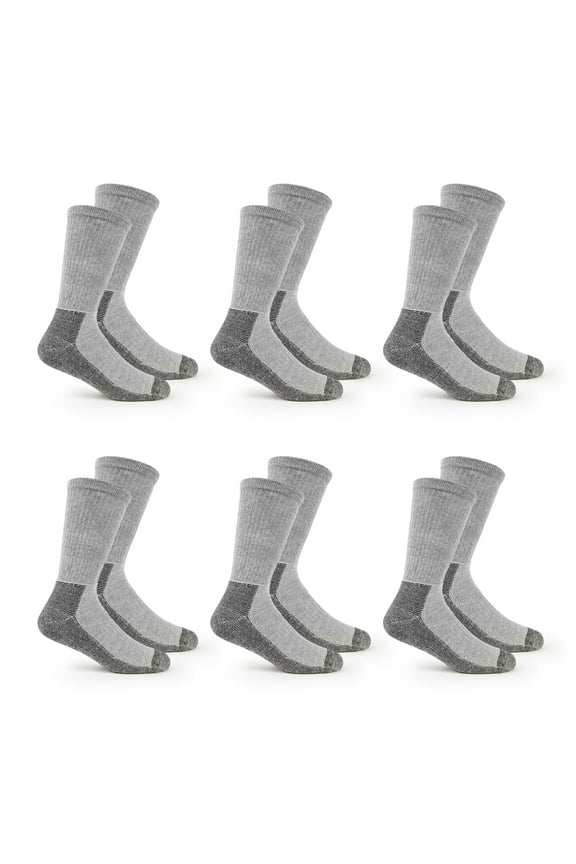
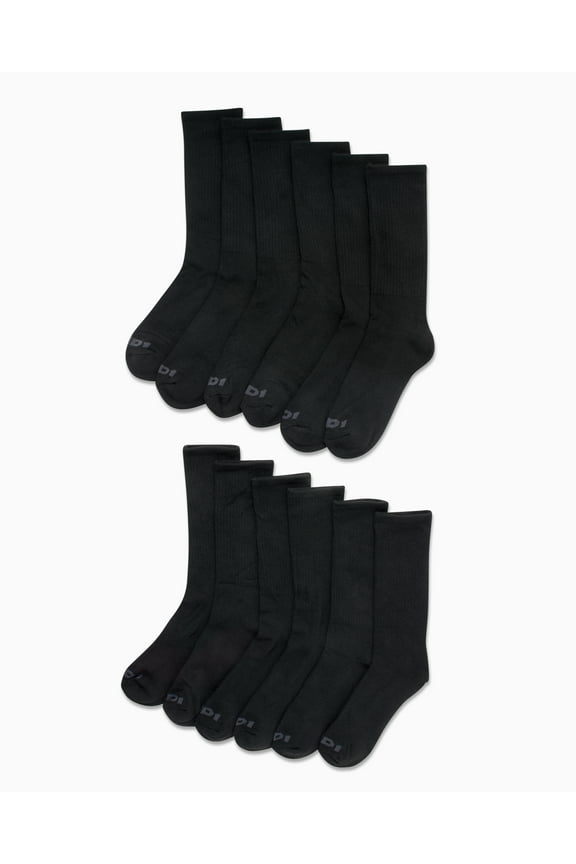
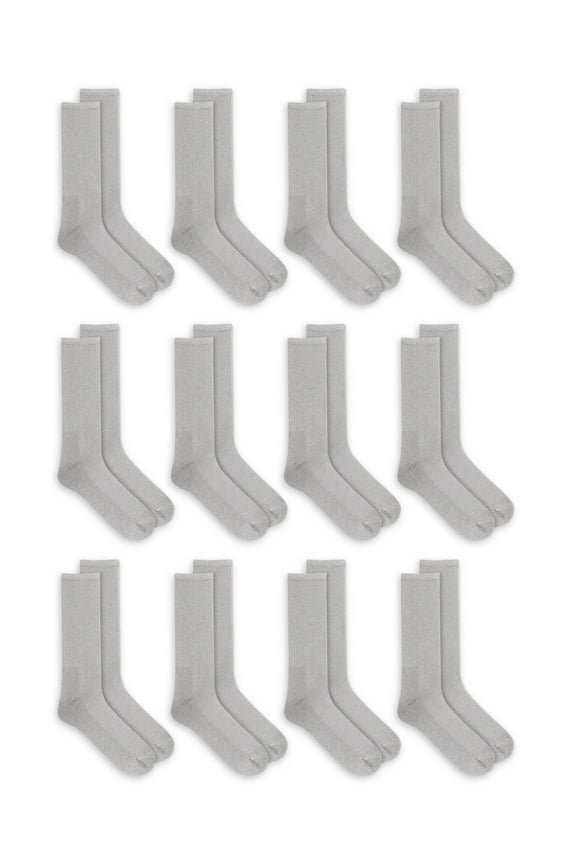
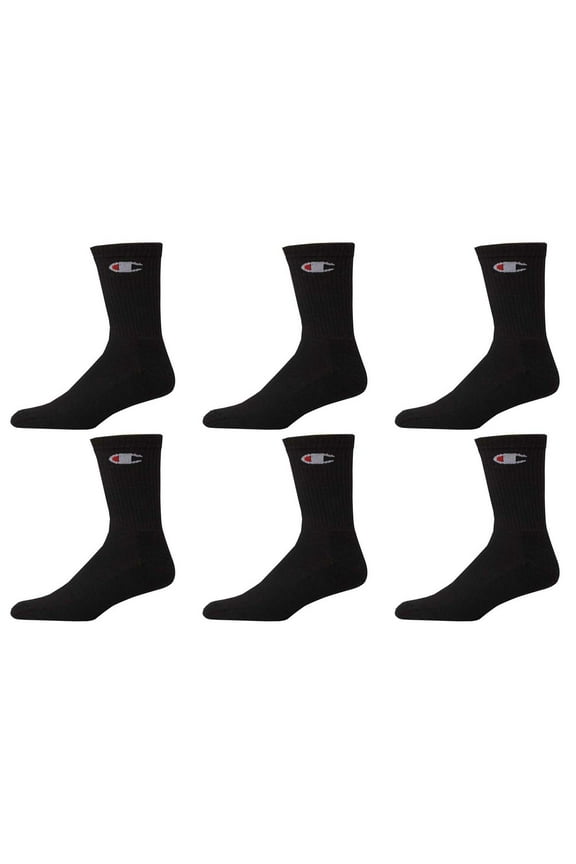
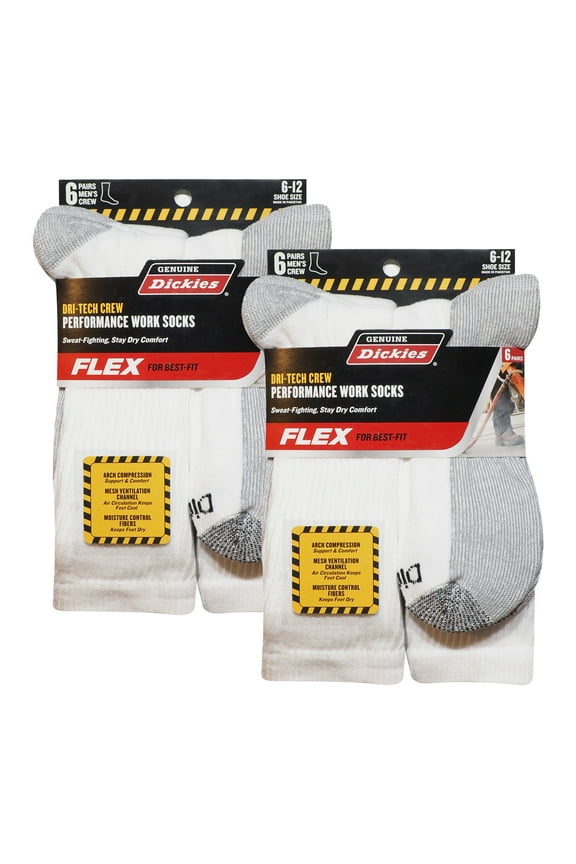
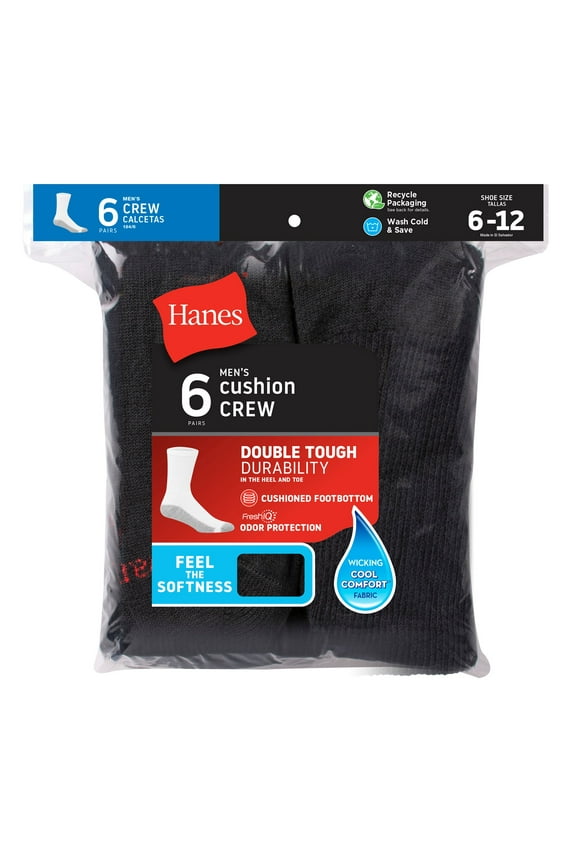
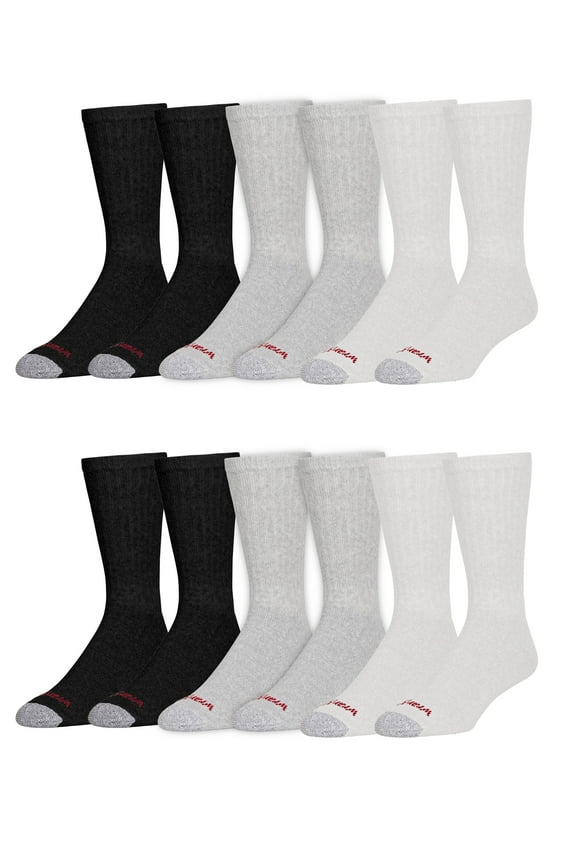
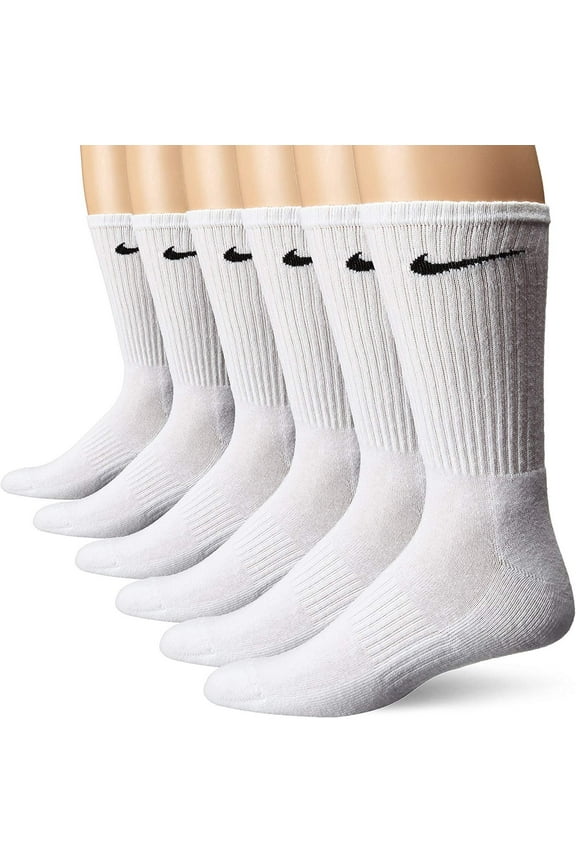
If you've wondered whats a crew sock, you can think of it as a style that rises above your ankle and below your calf. You get extra coverage around the lower leg, which works well with boots, trainers, and everyday sneakers.
When you compare materials, you should match fabric feel and performance to the weather and activity. Cotton can feel soft and breathable, while polyester blends can dry faster during active days.
If you need warmth and moisture-wicking performance, you can look at merino wool or wool-blend options. You'll often choose those pairs for colder weather, long walks, or boots that stay on for hours.
Spandex blends add stretch, which helps your socks stay in place through busy days and repeated wear. If you want a snug fit at the arch and cuff, you should check for that flexible fiber in the fabric mix.
Cushioning also changes how your socks feel inside different shoes. You may want full cushion with work boots or training shoes, while thinner pairs suit dress shoes and closer-fitting sneakers.
Understanding sock sizes for men
When you review sock sizes for men, you should start with your shoe size and then compare the listed size bracket. Common ranges include 6-12 and 12-15, and those numbers help you choose a closer fit.
If you wear extended sizes, you can look for big and tall options that give you more room through the foot and leg. You'll also see one size choices, which work best when the stretch range clearly matches your shoe size.
A close fit matters because you want the heel pocket to sit where your heel lands. If your socks bunch at the toe or slide at the cuff, you may need a different size range.
You should also compare ribbed cuffs, arch support zones, and stretch panels when fit matters most. Those details can help your socks stay aligned in boots, running shoes, and dress shoes.
Comparing pack size, cushioning, and daily use
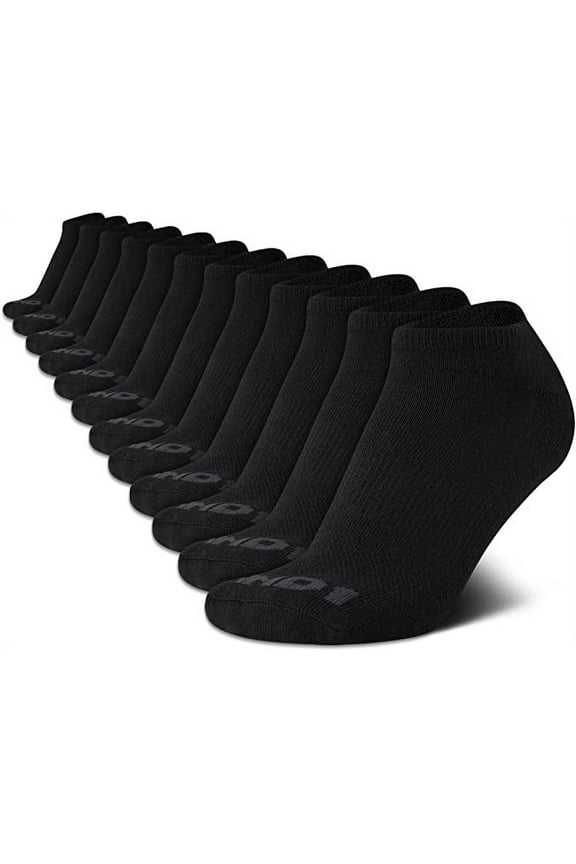
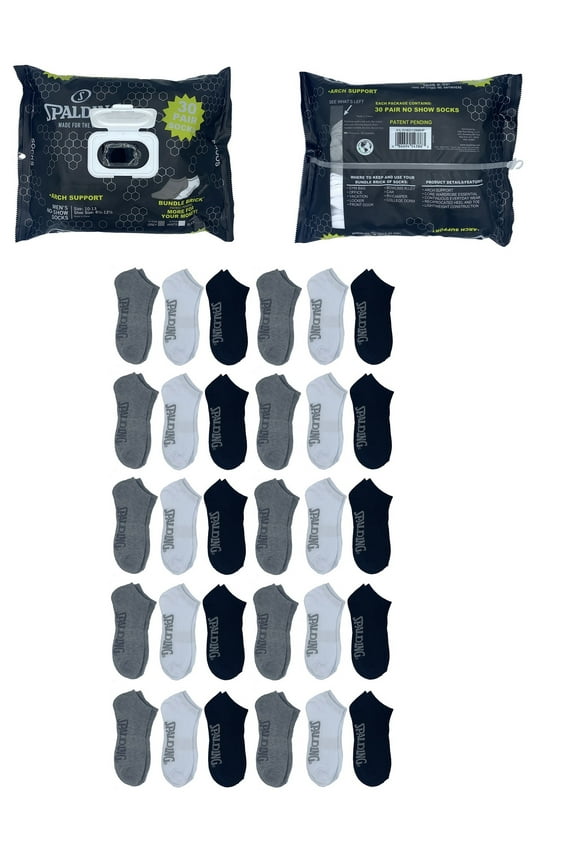
Pack size is another useful decision point when you're stocking everyday basics or replacing worn pairs. You can choose a single pair for a specific use, or pick six-pack, 10-pack, and 12-pack sets for weekly rotation.
If you wear socks daily for work, commuting, or the gym, larger packs can make restocking simpler. You can separate thicker pairs for boots and keep lighter pairs ready for office shoes or casual sneakers.
For workouts, you may look for athletic pairs with breathable panels, stretch support, and a secure cuff. If your routine includes long days on your feet, you might also prefer cushioned soles and moisture-wicking yarns.
At the office, you can lean toward lightweight socks that fit neatly under dress pants and inside slim shoes. For weekends, you may prefer crew or ankle styles that feel easy with jeans, joggers, and everyday sneakers.
Seasonal use matters too, so you should compare fabric weight before you choose multipacks. You'll often want lighter pairs for warm months and wool blends or fuller cushion when temperatures drop.
How to match men's socks to your routine
If your day starts in work boots, you can focus on crew or over-the-calf lengths with fuller cushioning. You'll likely want a secure cuff, a roomier fit, and fabric that handles long hours well.
When you wear running shoes or trainers, you can compare ankle and crew pairs by support and breathability. You may prefer a polyester or spandex blend when you want a closer fit during movement.
If your closet leans dressy, you can choose thinner socks with smooth coverage and size-specific fit. You'll get a neater feel inside loafers, oxfords, and other low-volume shoes.
For casual wear, you can build a flexible drawer with no-show, ankle, and crew options in different pack counts. That mix helps you match coverage to sneakers, slip-ons, boots, and lounge days without overthinking it.
With the right men's socks, you can match length, material, size, and cushioning to the shoes you actually wear. That makes each pair feel more comfortable, fit more consistently, and work harder through your week.