

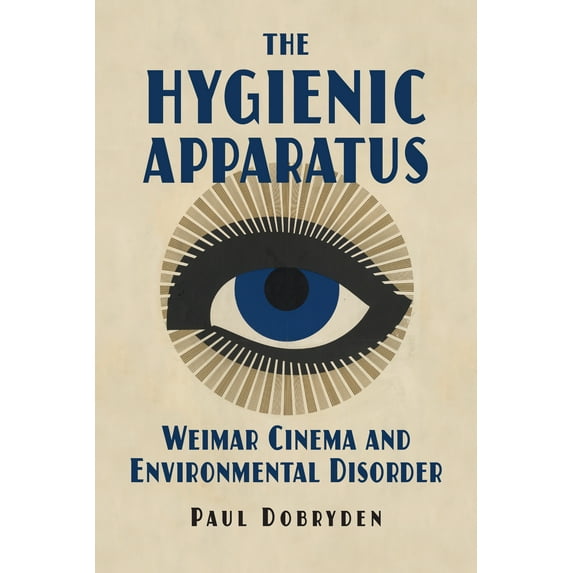
Hero image 0 of The Hygienic Apparatus : Weimar Cinema and Environmental Disorder (Paperback), 0 of 1
The Hygienic Apparatus : Weimar Cinema and Environmental Disorder (Paperback)
(No ratings yet)
Key item features
This study traces how the environmental effects of industrialization reverberated through the cinema of Germany’s Weimar Republic. In the early twentieth century, hygiene encompassed the myriad attempts to create healthy spaces for life and work amid the pollution, disease, accidents, and noise of industrial modernity. Examining classic films—including The Last Laugh, Faust, and Kuhle Wampe—as well as documentaries, cinema architecture, and studio practices, Paul Dobryden demonstrates how cinema envisioned and interrogated hygienic concerns about environmental disorder.
Framing hygiene within the project of national reconstruction after World War I, The Hygienic Apparatus explores cinema’s material contexts alongside its representations of housework, urban space, traffic, pollution, disability, aging, and labor. Reformers worried about the health risks associated with moviegoing but later used film to popularize hygienic ideas, encouraging viewers to see the world and themselves in relation to public health objectives. Modernist architecture and design fashioned theaters into regenerative environments for fatigued spectators. Filmmakers like F. W. Murnau and Slatan Dudow, meanwhile, explored the aesthetic and political possibilities of dirt, contagion, intoxication, and disorder. Dobryden recovers a set of ecological and biopolitical concerns to show how the problem of environmental disorder fundamentally shaped cinema’s relationship to modernity. As accessible as it is persuasive, the book adds to a growing body of scholarship on biopolitics within German studies and reveals fresh ways of understanding the apparatus of Weimar cinema.
Framing hygiene within the project of national reconstruction after World War I, The Hygienic Apparatus explores cinema’s material contexts alongside its representations of housework, urban space, traffic, pollution, disability, aging, and labor. Reformers worried about the health risks associated with moviegoing but later used film to popularize hygienic ideas, encouraging viewers to see the world and themselves in relation to public health objectives. Modernist architecture and design fashioned theaters into regenerative environments for fatigued spectators. Filmmakers like F. W. Murnau and Slatan Dudow, meanwhile, explored the aesthetic and political possibilities of dirt, contagion, intoxication, and disorder. Dobryden recovers a set of ecological and biopolitical concerns to show how the problem of environmental disorder fundamentally shaped cinema’s relationship to modernity. As accessible as it is persuasive, the book adds to a growing body of scholarship on biopolitics within German studies and reveals fresh ways of understanding the apparatus of Weimar cinema.
Specs
- Manual & guide typeInstruction Manual
- Book formatPaperback
- Pages208
- LanguageEnglish
- BrandPaul Dobryden
- Pub date2022-01-01
Current price is USD$42.24
Price when purchased online
- Free shipping
 Free 30-day returns
How do you want your item?
Ships to
Arrives between May 22 - May 29
|
Sold and shipped by newbookdeals
4.559063136456212 stars out of 5, based on 1964 seller reviews(4.6)1964 seller reviews

Free 30-day returns
About this item
Product details
The Hygienic Apparatus traces how the environmental effects of industrialization reverberated through the cinema of Germany’s Weimar Republic. The book analyzes classic films, documentaries, cinema architecture, and studio practices.
This study traces how the environmental effects of industrialization reverberated through the cinema of Germany’s Weimar Republic. In the early twentieth century, hygiene encompassed the myriad attempts to create healthy spaces for life and work amid the pollution, disease, accidents, and noise of industrial modernity. Examining classic films—including The Last Laugh, Faust, and Kuhle Wampe—as well as documentaries, cinema architecture, and studio practices, Paul Dobryden demonstrates how cinema envisioned and interrogated hygienic concerns about environmental disorder.
Framing hygiene within the project of national reconstruction after World War I, The Hygienic Apparatus explores cinema’s material contexts alongside its representations of housework, urban space, traffic, pollution, disability, aging, and labor. Reformers worried about the health risks associated with moviegoing but later used film to popularize hygienic ideas, encouraging viewers to see the world and themselves in relation to public health objectives. Modernist architecture and design fashioned theaters into regenerative environments for fatigued spectators. Filmmakers like F. W. Murnau and Slatan Dudow, meanwhile, explored the aesthetic and political possibilities of dirt, contagion, intoxication, and disorder. Dobryden recovers a set of ecological and biopolitical concerns to show how the problem of environmental disorder fundamentally shaped cinema’s relationship to modernity. As accessible as it is persuasive, the book adds to a growing body of scholarship on biopolitics within German studies and reveals fresh ways of understanding the apparatus of Weimar cinema.
Framing hygiene within the project of national reconstruction after World War I, The Hygienic Apparatus explores cinema’s material contexts alongside its representations of housework, urban space, traffic, pollution, disability, aging, and labor. Reformers worried about the health risks associated with moviegoing but later used film to popularize hygienic ideas, encouraging viewers to see the world and themselves in relation to public health objectives. Modernist architecture and design fashioned theaters into regenerative environments for fatigued spectators. Filmmakers like F. W. Murnau and Slatan Dudow, meanwhile, explored the aesthetic and political possibilities of dirt, contagion, intoxication, and disorder. Dobryden recovers a set of ecological and biopolitical concerns to show how the problem of environmental disorder fundamentally shaped cinema’s relationship to modernity. As accessible as it is persuasive, the book adds to a growing body of scholarship on biopolitics within German studies and reveals fresh ways of understanding the apparatus of Weimar cinema.
info:
We aim to show you accurate product information. Manufacturers, suppliers and others provide what you see here, and we have not verified it.
Specifications
Manual & guide type
Instruction Manual
Book format
Paperback
Pages
208
Language
English
Warranty
Warranty information
Please be aware that the warranty terms on items offered for sale by third party Marketplace sellers may differ from those displayed in this section (if any). To confirm warranty terms on an item offered for sale by a third party Marketplace seller, please use the 'Contact seller' feature on the third party Marketplace seller's information page and request the item's warranty terms prior to purchase.
Similar items you might like
Based on what customers bought
American Indies: Memento (Paperback) $33.58
 $3358current price $33.58
American Indies: Memento (Paperback)
Variety (April 1938); 130, (Paperback) $20.95
 $2095current price $20.95
Variety (April 1938); 130, (Paperback)
Stars, Stripes and Diamonds: American Culture and the Baseball Film, (Paperback) $28.45
 $2845current price $28.45
Stars, Stripes and Diamonds: American Culture and the Baseball Film, (Paperback)
Sacred Terror: Religion and Horror on the Silver Screen, (Paperback) $21.03
 $2103current price $21.03
Sacred Terror: Religion and Horror on the Silver Screen, (Paperback)
The Film Director: Updated for Today's Filmmaker, the Classic, Practical Reference to Motion Picture and Television Tech, (Paperback) $19.19
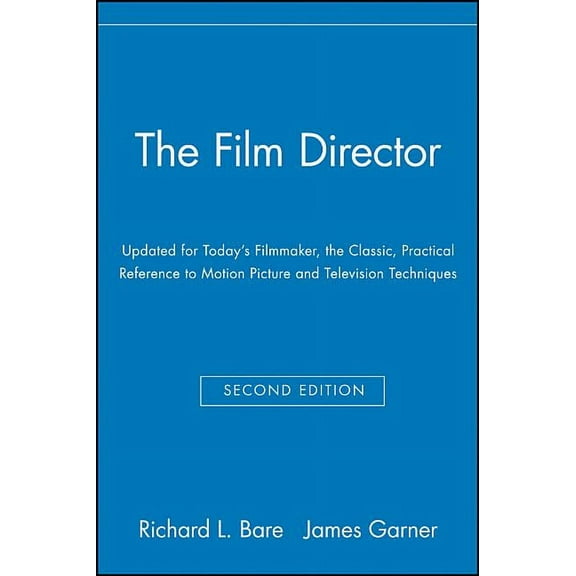 $1919current price $19.19
The Film Director: Updated for Today's Filmmaker, the Classic, Practical Reference to Motion Picture and Television Tech, (Paperback)
The Movie Lover's Guide to Paris, (Paperback) $23.63 Was $28.15
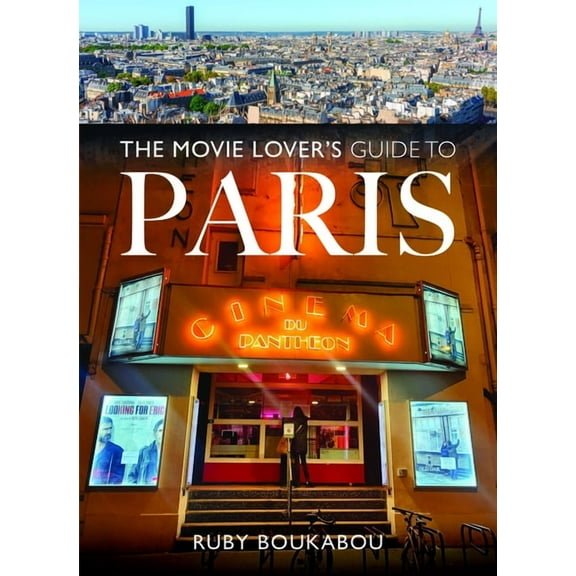 $2363current price $23.63, Was $28.15$28.15
The Movie Lover's Guide to Paris, (Paperback)
Stoogeology: Essays on the Three Stooges (Paperback) $29.95
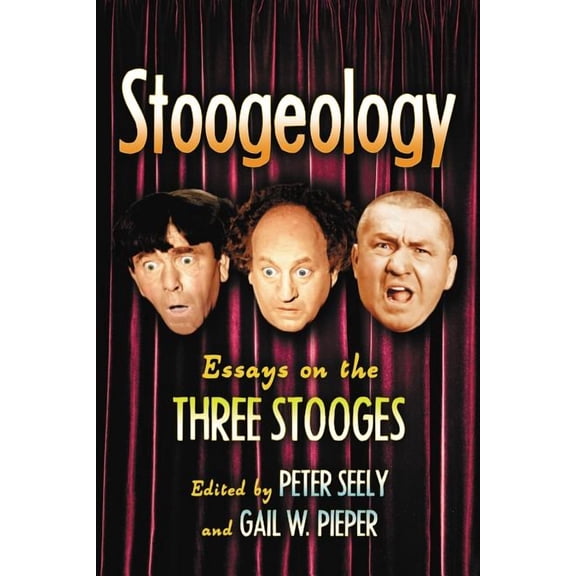 $2995current price $29.95
Stoogeology: Essays on the Three Stooges (Paperback)
Gustav Mahler: The Early Years, (Paperback) $33.09
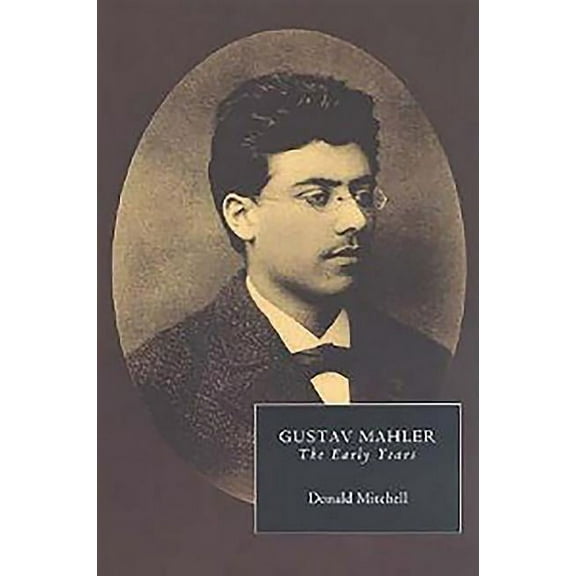 $3309current price $33.09
Gustav Mahler: The Early Years, (Paperback)
The Birth of a Nation (Paperback) $17.77 Was $19.77
 $1777current price $17.77, Was $19.77$19.77
The Birth of a Nation (Paperback)
Vivien Leigh: A Biography, (Paperback) $21.50 Was $29.95
 $2150current price $21.50, Was $29.95$29.95
Vivien Leigh: A Biography, (Paperback)
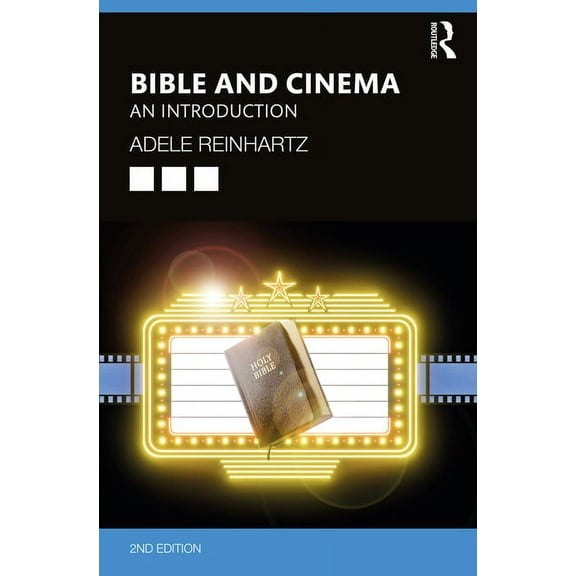
Bible and Cinema: An Introduction, (Paperback) $41.59
 $4159current price $41.59
Bible and Cinema: An Introduction, (Paperback)
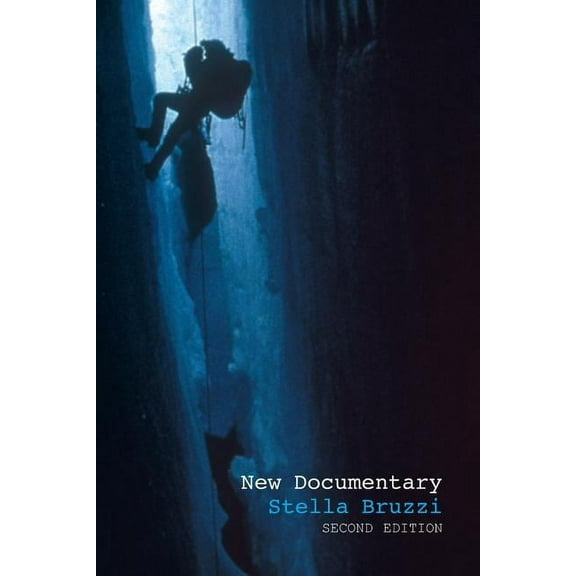
New Documentary, (Paperback) $39.03
 $3903current price $39.03
New Documentary, (Paperback)
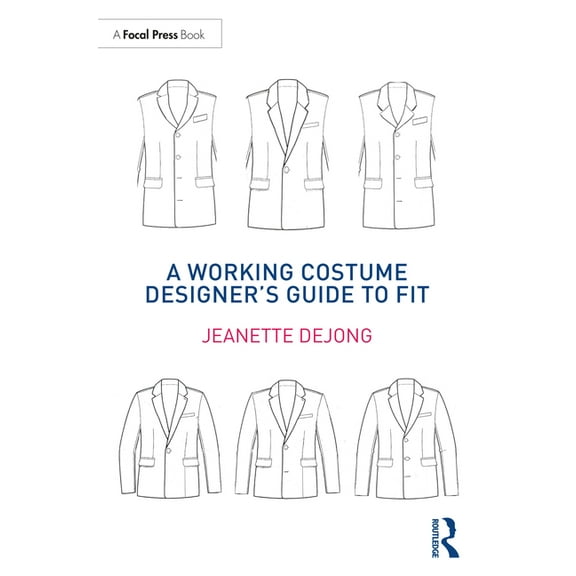
A Working Costume Designer's Guide to Fit, (Paperback) $25.59
 $2559current price $25.59
A Working Costume Designer's Guide to Fit, (Paperback)
What Is Theatre? Theatre, Communication, Critical Realism, (Paperback) $40.06
 $4006current price $40.06
What Is Theatre? Theatre, Communication, Critical Realism, (Paperback)
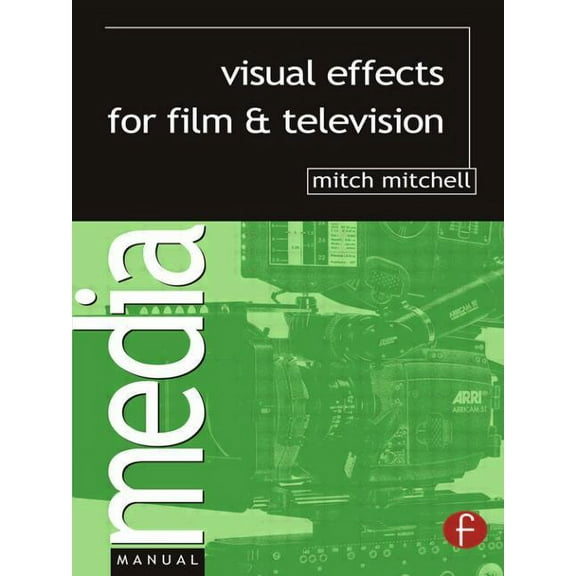
Media Manuals Visual Effects for Film and Television, (Paperback) $62.00
 $6200current price $62.00
Media Manuals Visual Effects for Film and Television, (Paperback)
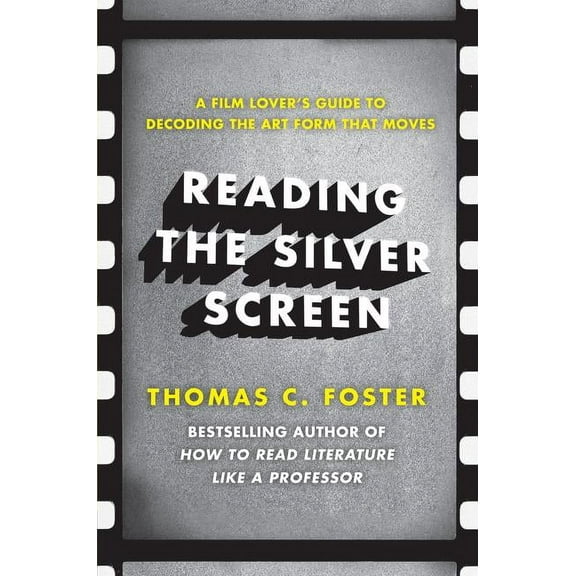
Reading the Silver Screen: A Film Lover's Guide to Decoding the Art Form That Moves, (Paperback) $8.49 Was $12.17
 $849current price $8.49, Was $12.17$12.17
Reading the Silver Screen: A Film Lover's Guide to Decoding the Art Form That Moves, (Paperback)
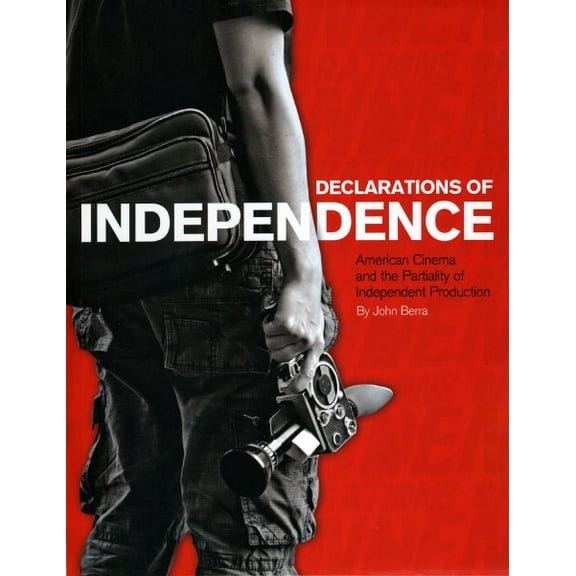
Declarations of Independence : American Cinema and the Partiality of Independent Production (Paperback) $50.48
 $5048current price $50.48
Declarations of Independence : American Cinema and the Partiality of Independent Production (Paperback)
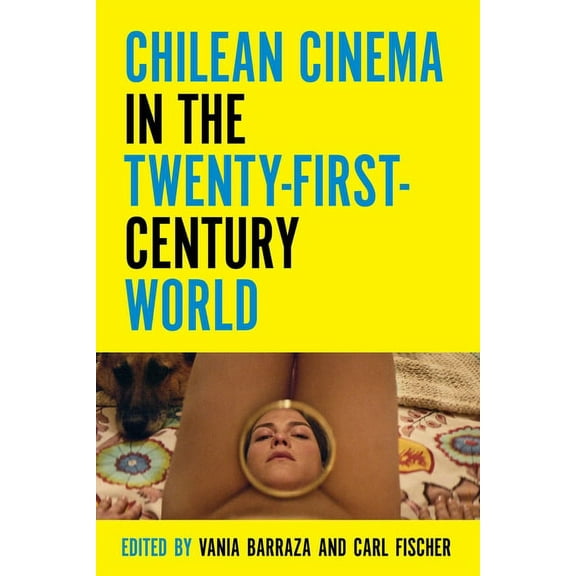
Contemporary Approaches to Film and Medi Chilean Cinema in the Twenty-First-Century World, (Paperback) $42.13
 $4213current price $42.13
Contemporary Approaches to Film and Medi Chilean Cinema in the Twenty-First-Century World, (Paperback)
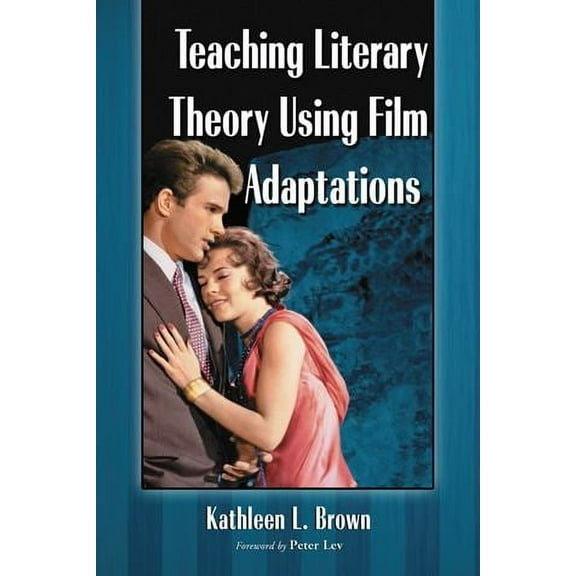
Teaching Literary Theory Using Film Adaptations (Paperback) $38.45
 $3845current price $38.45
Teaching Literary Theory Using Film Adaptations (Paperback)
Customer ratings & reviews
0 ratings|0 reviews
This item does not have any reviews yet
