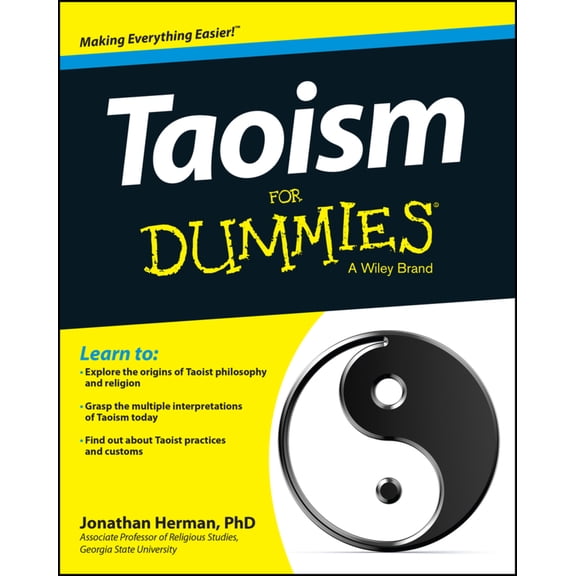
The wisdom of Lao Tzu has shaped Chinese philosophy and spiritual thought for more than two millennia, offering profound reflections on harmony, simplicity, and the nature of the Tao.
Traditionally regarded as the author of the Tao Te Ching, Lao Tzu is one of the central figures in the development of Taoist philosophy. His teachings emphasize living in accordance with the Tao-the underlying principle or natural order of the universe-through humility, moderation, and the practice of effortless action, often described as wu wei.
The sayings attributed to Lao Tzu present a series of concise and poetic reflections on the nature of leadership, personal conduct, and the balance between human life and the rhythms of the natural world. These brief yet powerful observations encourage readers to cultivate inner stillness, wisdom, and harmony rather than striving for domination or excessive control.
For centuries the teachings of Lao Tzu have influenced philosophy, religion, and literature throughout East Asia and beyond. Their timeless insight continues to resonate with readers seeking clarity, balance, and a deeper understanding of the principles that guide both nature and human life.