


Complicities : The People's Republic of China in Global Capitalism (Paperback)
(No ratings yet)
Key item features
As the People’s Republic of China has grown in economic power, so too have concerns about what its sustained growth and expanding global influence might mean for the established global order. Explorations of this changing dynamic in daily reporting as well as most recent scholarship ignore the part played by forces emanating from the global capitalist system in the PRC’s failures as well as its successes.
China scholar Arif Dirlik reflects in Complicities on a wide range of concerns, from the Tiananmen Square tragedy to the spread of Confucius Institutes across more than four hundred campuses worldwide, including nearly one hundred in the United States. Eschewing popular stereotypes and simple explanations, Dirlik’s discussion stresses foreign complicity in encouraging the PRC’s imperial ambitions and disdain for human rights. Eager for economic gain, the United States, Europe, and other Western countries have been complicit in supporting the PRC’s authoritarian capitalism. Such support has been a key factor in nourishing the PRC’s hegemonic aspirations. Infatuation with the PRC’s incorporation in global capitalism has been important to Communist Party leaders’ ability to suppress all memory and mention of Tiananmen, and their continuing abuse of human rights. More recently, the PRC’s focus has migrated to “soft power” as a means of expanding global influence, with organizations like the Confucius Institutes exploiting foreign educational institutions to promote the political aims of the state.
China scholar Arif Dirlik reflects in Complicities on a wide range of concerns, from the Tiananmen Square tragedy to the spread of Confucius Institutes across more than four hundred campuses worldwide, including nearly one hundred in the United States. Eschewing popular stereotypes and simple explanations, Dirlik’s discussion stresses foreign complicity in encouraging the PRC’s imperial ambitions and disdain for human rights. Eager for economic gain, the United States, Europe, and other Western countries have been complicit in supporting the PRC’s authoritarian capitalism. Such support has been a key factor in nourishing the PRC’s hegemonic aspirations. Infatuation with the PRC’s incorporation in global capitalism has been important to Communist Party leaders’ ability to suppress all memory and mention of Tiananmen, and their continuing abuse of human rights. More recently, the PRC’s focus has migrated to “soft power” as a means of expanding global influence, with organizations like the Confucius Institutes exploiting foreign educational institutions to promote the political aims of the state.
Specs
- Book formatPaperback
- Fiction/nonfictionNon-Fiction
- GenreNonfiction
- Pub date2017-06-15
- Pages86
- Series titleParadigm
Current price is USD$17.74
Price when purchased online
- Free shipping
 Free 30-day returns
How do you want your item?
Columbus, 43215
Arrives between Apr 29 - May 5
|
Sold and shipped by newbookdeals
4.560209424083769 stars out of 5, based on 1910 seller reviews(4.6)1910 seller reviews

Free 30-day returns - in store or online
About this item
Product details
As the People's Republic of China has grown in economic power, so too have concerns about what its sustained growth and expanding global influence might mean for the established global order. Explorations of this changing dynamic in daily reporting as well as most recent scholarship ignore the part played by forces emanating from the global capitalist system in the PRC's failures as well as its successes. China scholar Arif Dirlik reflects in Complicities on a wide range of concerns, from the Tiananmen Square tragedy to the spread of Confucius Institutes across more than four hundred campuses worldwide, including nearly one hundred in the United States. Eschewing popular stereotypes and simple explanations, Dirlik's discussion stresses foreign complicity in encouraging the PRC's imperial ambitions and disdain for human rights. Eager for economic gain, the United States, Europe, and other Western countries have been complicit in supporting the PRC's authoritarian capitalism. Such support has been a key factor in nourishing the PRC's hegemonic aspirations. Infatuation with the PRC's incorporation in global capitalism has been important to Communist Party leaders' ability to suppress all memory and mention of Tiananmen, and their continuing abuse of human rights. More recently, the PRC's focus has migrated to "soft power" as a means of expanding global influence, with organizations like the Confucius Institutes exploiting foreign educational institutions to promote the political aims of the state. -- As the People's Republic of China has grown in economic power, so too have concerns about what its sustained growth and expanding global influence might mean for the established global order. Explorations of this changing dynamic in daily reporting as well as most recent scholarship ignore the part played by forces emanating from the global capitalist system in the PRC's failures as well as its successes. China scholar Arif Dirlik reflects in Complicities on a wide range of concerns, from the Tiananmen Square tragedy to the spread of Confucius Institutes across more than four hundred campuses worldwide, including nearly one hundred in the United States. Eschewing popular stereotypes and simple explanations, Dirlik's discussion stresses foreign complicity in encouraging the PRC's imperial ambitions and disdain for human rights. Eager for economic gain, the United States, Europe, and other Western countries have been complicit in supporting the PRC's authoritarian capitalism. Such support has been a key factor in nourishing the PRC's hegemonic aspirations. Infatuation with the PRC's incorporation in global capitalism has been important to Communist Party leaders' ability to suppress all memory and mention of Tiananmen, and their continuing abuse of human rights. More recently, the PRC's focus has migrated to "soft power" as a means of expanding global influence, with organizations like the Confucius Institutes exploiting foreign educational institutions to promote the political aims of the state.
As the People’s Republic of China has grown in economic power, so too have concerns about what its sustained growth and expanding global influence might mean for the established global order. Explorations of this changing dynamic in daily reporting as well as most recent scholarship ignore the part played by forces emanating from the global capitalist system in the PRC’s failures as well as its successes.
China scholar Arif Dirlik reflects in Complicities on a wide range of concerns, from the Tiananmen Square tragedy to the spread of Confucius Institutes across more than four hundred campuses worldwide, including nearly one hundred in the United States. Eschewing popular stereotypes and simple explanations, Dirlik’s discussion stresses foreign complicity in encouraging the PRC’s imperial ambitions and disdain for human rights. Eager for economic gain, the United States, Europe, and other Western countries have been complicit in supporting the PRC’s authoritarian capitalism. Such support has been a key factor in nourishing the PRC’s hegemonic aspirations. Infatuation with the PRC’s incorporation in global capitalism has been important to Communist Party leaders’ ability to suppress all memory and mention of Tiananmen, and their continuing abuse of human rights. More recently, the PRC’s focus has migrated to “soft power” as a means of expanding global influence, with organizations like the Confucius Institutes exploiting foreign educational institutions to promote the political aims of the state.
China scholar Arif Dirlik reflects in Complicities on a wide range of concerns, from the Tiananmen Square tragedy to the spread of Confucius Institutes across more than four hundred campuses worldwide, including nearly one hundred in the United States. Eschewing popular stereotypes and simple explanations, Dirlik’s discussion stresses foreign complicity in encouraging the PRC’s imperial ambitions and disdain for human rights. Eager for economic gain, the United States, Europe, and other Western countries have been complicit in supporting the PRC’s authoritarian capitalism. Such support has been a key factor in nourishing the PRC’s hegemonic aspirations. Infatuation with the PRC’s incorporation in global capitalism has been important to Communist Party leaders’ ability to suppress all memory and mention of Tiananmen, and their continuing abuse of human rights. More recently, the PRC’s focus has migrated to “soft power” as a means of expanding global influence, with organizations like the Confucius Institutes exploiting foreign educational institutions to promote the political aims of the state.
info:
We aim to show you accurate product information. Manufacturers, suppliers and others provide what you see here, and we have not verified it.
Specifications
Book format
Paperback
Fiction/nonfiction
Non-Fiction
Genre
Nonfiction
Pub date
2017-06-15
Warranty
Warranty information
Please be aware that the warranty terms on items offered for sale by third party Marketplace sellers may differ from those displayed in this section (if any). To confirm warranty terms on an item offered for sale by a third party Marketplace seller, please use the 'Contact seller' feature on the third party Marketplace seller's information page and request the item's warranty terms prior to purchase.
Similar items you might like
Based on what customers bought
Theses and Dissertations by Chinese Students in America, (Paperback) $13.95
 $1395current price $13.95
Theses and Dissertations by Chinese Students in America, (Paperback)
The Rise of China and the Demise of the Capitalist World Economy, (Paperback) $20.00
 $2000current price $20.00
The Rise of China and the Demise of the Capitalist World Economy, (Paperback)
The China Fantasy: Why Capitalism Will Not Bring Democracy to China, (Paperback) $22.20
 $2220current price $22.20
The China Fantasy: Why Capitalism Will Not Bring Democracy to China, (Paperback)
Princeton Studies in Contemporary China From Click to Boom: The Political Economy of E-Commerce in China, Book 18, (Paperback) $15.00
 $1500current price $15.00
Princeton Studies in Contemporary China From Click to Boom: The Political Economy of E-Commerce in China, Book 18, (Paperback)
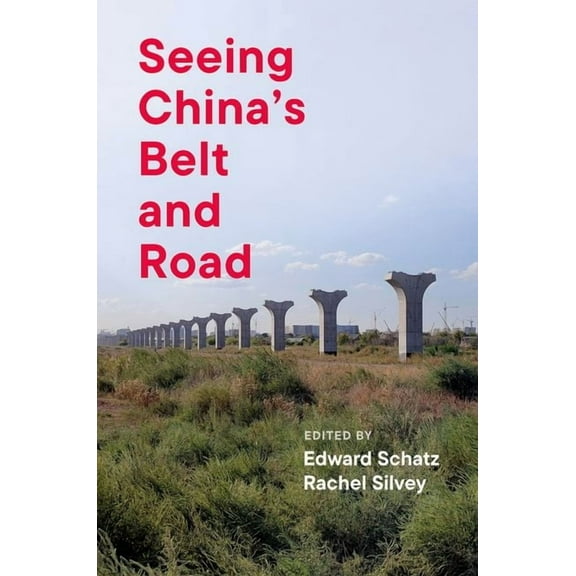
Seeing China's Belt and Road, (Paperback) $15.71
 $1571current price $15.71
Seeing China's Belt and Road, (Paperback)
Best seller 1929: Inside the Greatest Crash in Wall Street History--And How It Shattered a Nation (Hardcover) $20.59
Best seller $2059current price $20.59
1929: Inside the Greatest Crash in Wall Street History--And How It Shattered a Nation (Hardcover)
434.8 out of 5 Stars. 43 reviewsSetting the People Free: The Story of Democracy, Second Edition, (Paperback) $15.38
 $1538current price $15.38
Setting the People Free: The Story of Democracy, Second Edition, (Paperback)
"Socialism Is Great!": A Worker's Memoir of the New China, (Paperback) $15.81
 $1581current price $15.81
"Socialism Is Great!": A Worker's Memoir of the New China, (Paperback)
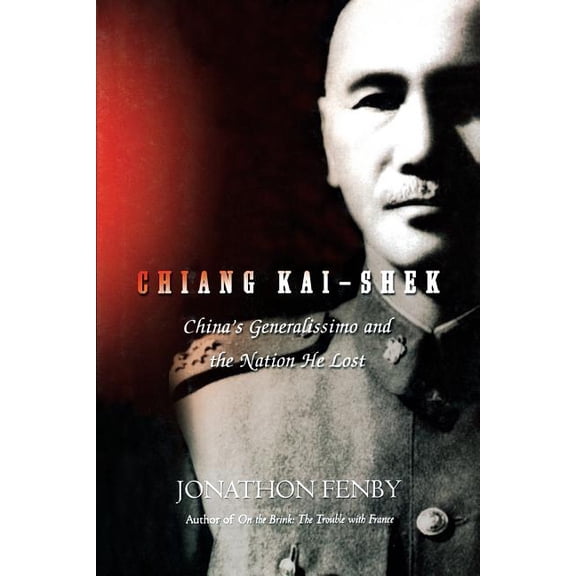
Chiang Kai Shek: China's Generalissimo and the Nation He Lost, (Paperback) $17.29
 $1729current price $17.29
Chiang Kai Shek: China's Generalissimo and the Nation He Lost, (Paperback)
Some Account of the Lower Family in in America (Paperback) $18.75
 $1875current price $18.75
Some Account of the Lower Family in in America (Paperback)
Overpopulation, Climate Change and Capitalism : Collected Writings Aug 2019-May 2020 (Paperback) $16.57
 $1657current price $16.57
Overpopulation, Climate Change and Capitalism : Collected Writings Aug 2019-May 2020 (Paperback)
Superfusion: How China and America Became One Economy and Why the World's Prosperity Depends on It, (Paperback) $16.76
 $1676current price $16.76
Superfusion: How China and America Became One Economy and Why the World's Prosperity Depends on It, (Paperback)
The World Is a Ghetto: Race and Democracy Since World War II, (Paperback) $24.99
 $2499current price $24.99
The World Is a Ghetto: Race and Democracy Since World War II, (Paperback)
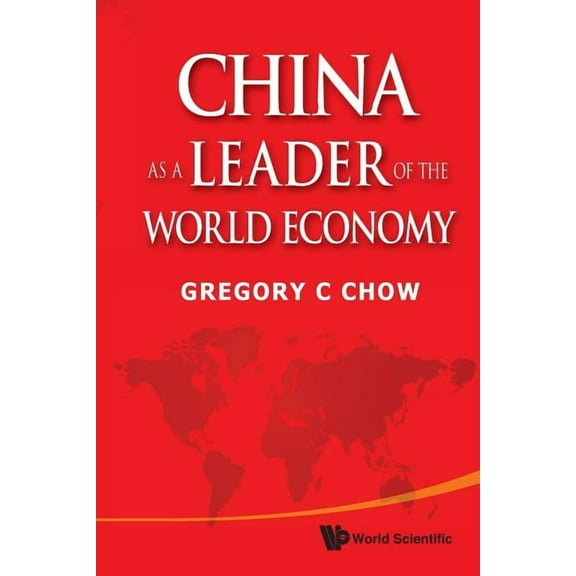
China as a Leader of the World Economy, (Paperback) $30.79
 $3079current price $30.79
China as a Leader of the World Economy, (Paperback)
The re-making of China, (Paperback) $19.30
 $1930current price $19.30
The re-making of China, (Paperback)

Customer ratings & reviews
0 ratings|0 reviews
This item does not have any reviews yet

Related pages
- Karl Marx; Friedrich Engels; Professor Of The Political Economy Of Policing George S Rigakos
- Capitalism China
- Middle Eastern Political Books
- Capitalism Communism
- Communism Eastern Europe
- Cicero Ny 13039
- Oligarch In Russia
- Asian Political Books
- Treaties in International Relations Books
- Diplomacy in International Relations Books
- Iraq Middle Eastern History Books
- Labor & Industrial Relations Political Books