


Hero image 0 of Richard Nixon : The Life, 0 of 1
Richard Nixon : The Life
Book Format:Hardcover-Out of stock
Key item features
From a prize-winning biographer comes the defining portrait of a man who led America in a time of turmoil and left us a darker age. We live today, John A. Farrell shows, in a world Richard Nixon made.
At the end of WWII, navy lieutenant “Nick” Nixon returned from the Pacific and set his cap at Congress, an idealistic dreamer seeking to build a better world. Yet amid the turns of that now-legendary 1946 campaign, Nixon’s finer attributes gave way to unapologetic ruthlessness. The story of that transformation is the stunning overture to John A. Farrell’s magisterial biography of the president who came to embody postwar American resentment and division.
Within four years of his first victory, Nixon was a U.S. senator; in six, the vice president of the United States of America. “Few came so far, so fast, and so alone,” Farrell writes. Nixon’s sins as a candidate were legion; and in one unlawful secret plot, as Farrell reveals here, Nixon acted to prolong the Vietnam War for his own political purposes. Finally elected president in 1969, Nixon packed his staff with bright young men who devised forward-thinking reforms addressing health care, welfare, civil rights, and protection of the environment. It was a fine legacy, but Nixon cared little for it. He aspired to make his mark on the world stage instead, and his 1972 opening to China was the first great crack in the Cold War.
Nixon had another legacy, too: an America divided and polarized. He was elected to end the war in Vietnam, but his bombing of Cambodia and Laos enraged the antiwar movement. It was Nixon who launched the McCarthy era, who played white against black with a “southern strategy,” and spurred the Silent Majority to despise and distrust the country’s elites. Ever insecure and increasingly paranoid, he persuaded Americans to gnaw, as he did, on grievances—and to look at one another as enemies. Finally, in August 1974, after two years of the mesmerizing intrigue and scandal of Watergate, Nixon became the only president to resign in disgrace.
Richard Nixon is a gripping and unsparing portrayal of our darkest president. Meticulously researched, brilliantly crafted, and offering fresh revelations, it will be hailed as a master work.
At the end of WWII, navy lieutenant “Nick” Nixon returned from the Pacific and set his cap at Congress, an idealistic dreamer seeking to build a better world. Yet amid the turns of that now-legendary 1946 campaign, Nixon’s finer attributes gave way to unapologetic ruthlessness. The story of that transformation is the stunning overture to John A. Farrell’s magisterial biography of the president who came to embody postwar American resentment and division.
Within four years of his first victory, Nixon was a U.S. senator; in six, the vice president of the United States of America. “Few came so far, so fast, and so alone,” Farrell writes. Nixon’s sins as a candidate were legion; and in one unlawful secret plot, as Farrell reveals here, Nixon acted to prolong the Vietnam War for his own political purposes. Finally elected president in 1969, Nixon packed his staff with bright young men who devised forward-thinking reforms addressing health care, welfare, civil rights, and protection of the environment. It was a fine legacy, but Nixon cared little for it. He aspired to make his mark on the world stage instead, and his 1972 opening to China was the first great crack in the Cold War.
Nixon had another legacy, too: an America divided and polarized. He was elected to end the war in Vietnam, but his bombing of Cambodia and Laos enraged the antiwar movement. It was Nixon who launched the McCarthy era, who played white against black with a “southern strategy,” and spurred the Silent Majority to despise and distrust the country’s elites. Ever insecure and increasingly paranoid, he persuaded Americans to gnaw, as he did, on grievances—and to look at one another as enemies. Finally, in August 1974, after two years of the mesmerizing intrigue and scandal of Watergate, Nixon became the only president to resign in disgrace.
Richard Nixon is a gripping and unsparing portrayal of our darkest president. Meticulously researched, brilliantly crafted, and offering fresh revelations, it will be hailed as a master work.
Specs
- Book formatHardcover
- Fiction/nonfictionNon-Fiction
- GenreBiography & Memoirs
- Publication dateMarch, 2017
- Pages752
- Series title9780385537353
Current price is USD$32.04
Price when purchased online
Selected option out of stock
More options available
How do you want your item?
Out of stock
About this item
Product details
From a prize-winning biographer comes the defining portrait of a man who led America in a time of turmoil and left us a darker age. We live today, John A. Farrell shows, in a world Richard Nixon made. At the end of WWII, navy lieutenant "Nick" Nixon returned from the Pacific and set his cap at Congress, an idealistic dreamer seeking to build a better world. Yet amid the turns of that now-legendary 1946 campaign, Nixon's finer attributes gave way to unapologetic ruthlessness. The story of that transformation is the stunning overture to John A. Farrell's magisterial biography of the president who came to embody postwar American resentment and division.
Within four years of his first victory, Nixon was a U.S. senator; in six, the vice president of the United States of America. "Few came so far, so fast, and so alone," Farrell writes. Nixon's sins as a candidate were legion; and in one unlawful secret plot, as Farrell reveals here, Nixon acted to prolong the Vietnam War for his own political purposes. Finally elected president in 1969, Nixon packed his staff with bright young men who devised forward-thinking reforms addressing health care, welfare, civil rights, and protection of the environment. It was a fine legacy, but Nixon cared little for it. He aspired to make his mark on the world stage instead, and his 1972 opening to China was the first great crack in the Cold War.
Nixon had another legacy, too: an America divided and polarized. He was elected to end the war in Vietnam, but his bombing of Cambodia and Laos enraged the antiwar movement. It was Nixon who launched the McCarthy era, who played white against black with a "southern strategy," and spurred the Silent Majority to despise and distrust the country's elites. Ever insecure and increasingly paranoid, he persuaded Americans to gnaw, as he did, on grievances--and to look at one another as enemies. Finally, in August 1974, after two years of the mesmerizing intrigue and scandal of Watergate, Nixon became the only president to resign in disgrace.
Richard Nixon is a gripping and unsparing portrayal of our darkest president. Meticulously researched, brilliantly crafted, and offering fresh revelations, it will be hailed as a master work.
Within four years of his first victory, Nixon was a U.S. senator; in six, the vice president of the United States of America. "Few came so far, so fast, and so alone," Farrell writes. Nixon's sins as a candidate were legion; and in one unlawful secret plot, as Farrell reveals here, Nixon acted to prolong the Vietnam War for his own political purposes. Finally elected president in 1969, Nixon packed his staff with bright young men who devised forward-thinking reforms addressing health care, welfare, civil rights, and protection of the environment. It was a fine legacy, but Nixon cared little for it. He aspired to make his mark on the world stage instead, and his 1972 opening to China was the first great crack in the Cold War.
Nixon had another legacy, too: an America divided and polarized. He was elected to end the war in Vietnam, but his bombing of Cambodia and Laos enraged the antiwar movement. It was Nixon who launched the McCarthy era, who played white against black with a "southern strategy," and spurred the Silent Majority to despise and distrust the country's elites. Ever insecure and increasingly paranoid, he persuaded Americans to gnaw, as he did, on grievances--and to look at one another as enemies. Finally, in August 1974, after two years of the mesmerizing intrigue and scandal of Watergate, Nixon became the only president to resign in disgrace.
Richard Nixon is a gripping and unsparing portrayal of our darkest president. Meticulously researched, brilliantly crafted, and offering fresh revelations, it will be hailed as a master work.
From a prize-winning biographer comes the defining portrait of a man who led America in a time of turmoil and left us a darker age. We live today, John A. Farrell shows, in a world Richard Nixon made.
At the end of WWII, navy lieutenant “Nick” Nixon returned from the Pacific and set his cap at Congress, an idealistic dreamer seeking to build a better world. Yet amid the turns of that now-legendary 1946 campaign, Nixon’s finer attributes gave way to unapologetic ruthlessness. The story of that transformation is the stunning overture to John A. Farrell’s magisterial biography of the president who came to embody postwar American resentment and division.
Within four years of his first victory, Nixon was a U.S. senator; in six, the vice president of the United States of America. “Few came so far, so fast, and so alone,” Farrell writes. Nixon’s sins as a candidate were legion; and in one unlawful secret plot, as Farrell reveals here, Nixon acted to prolong the Vietnam War for his own political purposes. Finally elected president in 1969, Nixon packed his staff with bright young men who devised forward-thinking reforms addressing health care, welfare, civil rights, and protection of the environment. It was a fine legacy, but Nixon cared little for it. He aspired to make his mark on the world stage instead, and his 1972 opening to China was the first great crack in the Cold War.
Nixon had another legacy, too: an America divided and polarized. He was elected to end the war in Vietnam, but his bombing of Cambodia and Laos enraged the antiwar movement. It was Nixon who launched the McCarthy era, who played white against black with a “southern strategy,” and spurred the Silent Majority to despise and distrust the country’s elites. Ever insecure and increasingly paranoid, he persuaded Americans to gnaw, as he did, on grievances—and to look at one another as enemies. Finally, in August 1974, after two years of the mesmerizing intrigue and scandal of Watergate, Nixon became the only president to resign in disgrace.
Richard Nixon is a gripping and unsparing portrayal of our darkest president. Meticulously researched, brilliantly crafted, and offering fresh revelations, it will be hailed as a master work.
At the end of WWII, navy lieutenant “Nick” Nixon returned from the Pacific and set his cap at Congress, an idealistic dreamer seeking to build a better world. Yet amid the turns of that now-legendary 1946 campaign, Nixon’s finer attributes gave way to unapologetic ruthlessness. The story of that transformation is the stunning overture to John A. Farrell’s magisterial biography of the president who came to embody postwar American resentment and division.
Within four years of his first victory, Nixon was a U.S. senator; in six, the vice president of the United States of America. “Few came so far, so fast, and so alone,” Farrell writes. Nixon’s sins as a candidate were legion; and in one unlawful secret plot, as Farrell reveals here, Nixon acted to prolong the Vietnam War for his own political purposes. Finally elected president in 1969, Nixon packed his staff with bright young men who devised forward-thinking reforms addressing health care, welfare, civil rights, and protection of the environment. It was a fine legacy, but Nixon cared little for it. He aspired to make his mark on the world stage instead, and his 1972 opening to China was the first great crack in the Cold War.
Nixon had another legacy, too: an America divided and polarized. He was elected to end the war in Vietnam, but his bombing of Cambodia and Laos enraged the antiwar movement. It was Nixon who launched the McCarthy era, who played white against black with a “southern strategy,” and spurred the Silent Majority to despise and distrust the country’s elites. Ever insecure and increasingly paranoid, he persuaded Americans to gnaw, as he did, on grievances—and to look at one another as enemies. Finally, in August 1974, after two years of the mesmerizing intrigue and scandal of Watergate, Nixon became the only president to resign in disgrace.
Richard Nixon is a gripping and unsparing portrayal of our darkest president. Meticulously researched, brilliantly crafted, and offering fresh revelations, it will be hailed as a master work.
info:
We aim to show you accurate product information. Manufacturers, suppliers and others provide what you see here, and we have not verified it.
Specifications
Book format
Hardcover
Fiction/nonfiction
Non-Fiction
Genre
Biography & Memoirs
Publication date
March, 2017
Warranty
Warranty information
Please be aware that the warranty terms on items offered for sale by third party Marketplace sellers may differ from those displayed in this section (if any). To confirm warranty terms on an item offered for sale by a third party Marketplace seller, please use the 'Contact seller' feature on the third party Marketplace seller's information page and request the item's warranty terms prior to purchase.
Similar items you might like
Based on what customers bought
The Works of John Witherspoon, (Hardcover) $34.95
 $3495current price $34.95
The Works of John Witherspoon, (Hardcover)
Quantrill and the Border Wars; c.1 $31.12
 $3112current price $31.12
Quantrill and the Border Wars; c.1
A Concise History of the United States, From the Discovery of America Till 1795 (Hardcover) $33.95
 $3395current price $33.95
A Concise History of the United States, From the Discovery of America Till 1795 (Hardcover)
A Narrative of the Indian Wars in New England 1814 (Paperback) $34.83
 $3483current price $34.83
A Narrative of the Indian Wars in New England 1814 (Paperback)
Natural Attachments: The Domestication of American Environmentalism, 1920-1970, (Paperback) $29.34
 $2934current price $29.34
Natural Attachments: The Domestication of American Environmentalism, 1920-1970, (Paperback)
War History (Hardcover) $26.95
 $2695current price $26.95
War History (Hardcover)
America in the 21st Century: A History of the Past Quarter Century, (Hardcover) $29.12
 $2912current price $29.12
America in the 21st Century: A History of the Past Quarter Century, (Hardcover)
Blank Space: A Cultural History of the Twenty-First Century, (Hardcover) $24.88
 $2488current price $24.88
Blank Space: A Cultural History of the Twenty-First Century, (Hardcover)
Hollywood in Ohio, (Paperback) $24.99
 $2499current price $24.99
Hollywood in Ohio, (Paperback)
The Everywhere Millionaire: Who Is Really Rich in America and How They Got There, (Hardcover) $28.88
 $2888current price $28.88
The Everywhere Millionaire: Who Is Really Rich in America and How They Got There, (Hardcover)
Fort Fisher to Elmira (Hardcover) by Richard H Triebe $32.79
 $3279current price $32.79
Fort Fisher to Elmira (Hardcover) by Richard H Triebe
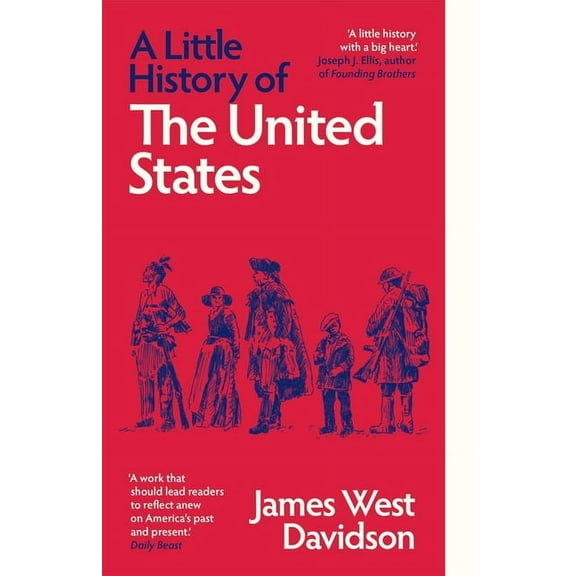
Little Histories A Little History of the United States, (Paperback) $7.42
 $742current price $7.42
Little Histories A Little History of the United States, (Paperback)
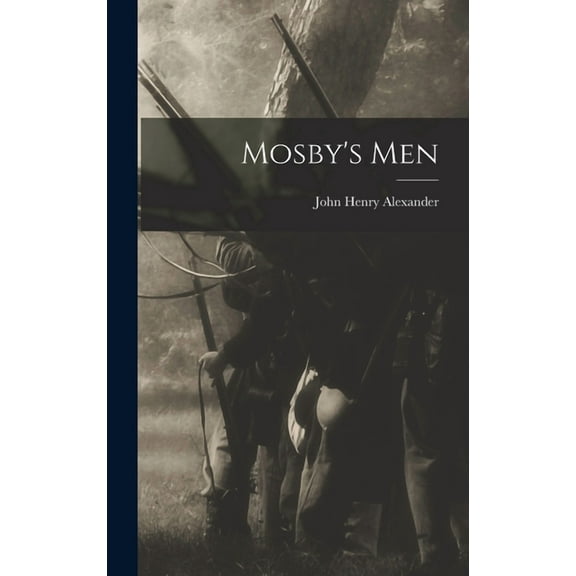
Mosby's Men, (Hardcover) $35.21
 $3521current price $35.21
Mosby's Men, (Hardcover)
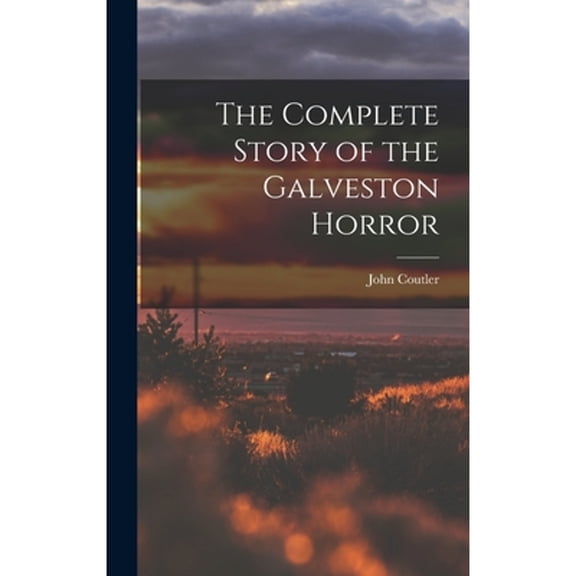
The Complete Story of the Galveston Horror (Hardcover) $36.22
 $3622current price $36.22
The Complete Story of the Galveston Horror (Hardcover)
Foreign Relations Of The United States (Hardcover) $31.95
 $3195current price $31.95
Foreign Relations Of The United States (Hardcover)
A Tour in the United States of America (Hardcover) $34.83
 $3483current price $34.83
A Tour in the United States of America (Hardcover)
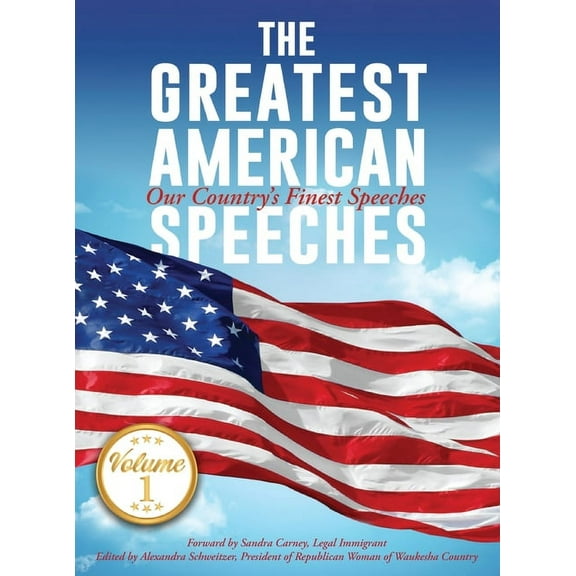
The Greatest American Speeches, (Hardcover) $39.95
 $3995current price $39.95
The Greatest American Speeches, (Hardcover)
Mysteries Of Ancient South America (Hardcover) $32.79
 $3279current price $32.79
Mysteries Of Ancient South America (Hardcover)
Negotiable Collateral Damage, (Paperback) $17.95
 $1795current price $17.95
Negotiable Collateral Damage, (Paperback)
Customer ratings & reviews
How item rating is calculated
Filtered and sorted results would be available on the new 'Customer ratings & reviews' page.
Sort by |
Showing 1-1 of 1 review
Sep 18, 2025
anonymous
Item details
Book format: Paperback
5 out of 5 stars review
Verified Purchase
A truly terrific single-book cradle to grave account of Nixon's life, in contrast to the other multi volume biographies out there. Its recency allows it to include sources from the 20th and 21st century and give a modern take on this former president. Farrell is harsh on his subject, but seemingly more harsh on his time period, as he builds a story of President Nixon who was last in a long line of Cold War presidents that took advantage of their office, but the first to get ‘caught' for it. This was also the first book that captures Nixon's efforts to scuttle Vietnam peace negotiations in a bid to win 1968 and it's covered in a fascinating way.
Incentivized Review
Helpful?2WRTTBQMBY3A55035225

Related pages
- State Senator
- Best Sellers In US Presidents
- Midwest State & Local United States History Books
- Colonial United States History Books
- Revolutionary Period United States History Books
- U S President 2021
- Presidents History Channel
- Western State & Local United States History Books
- Lincoln Papers Civil War United States History Books
- Presidents Delaware
- General United States History Books
- General State & Local United States History Books