


Hero image 0 of Absolute Monarchy and the Stuart Constitution (Paperback), 0 of 1
Absolute Monarchy and the Stuart Constitution (Paperback)
(No ratings yet)
Key item features
In this ambitious reinterpretation of the early Stuart period in England, Glenn Burgess contends that the common understanding of seventeenth-century English politics is oversimplified and inaccurate. The long-accepted standard view holds that gradual polarization between the Court and Parliament during the reigns of James I and Charles I reflected the split between absolutists--who upheld the divine right of monarchy to rule--and constitutionalists--who resisted tyranny by insisting the monarch was subject to law--and resulted inevitably in civil war. Yet, Burgess argues, the very terms that have been used to understand the period are misleading: there were almost no genuine absolutist thinkers in England before the Civil War, and the "constitutionalism" of common lawyers and parliamentarians was a very different notion from current understandings of that term.
Burgess turns to the great body of common law that enshrined many of England's liberties and institutions. Examining the political opinions of such key figures as Sir Edward Coke and Sir Francis Bacon, he concludes that the laws of the land represented a civilization no monarchist would have attacked. Further, absolutism was a rare creed at the time and, while it was accepted that the king was next to God in authority, this detracted nothing from the insistence that he rule under the law. Rather than a polarization of ideas fueling political division, says Burgess, it was Charles I's inappropriate exploitation of agreed prerogatives that exposed tensions, forged divisions, and ruptured the "pacified politics" of which the early modern English were so proud. Burgess's new perspective sets the political thought of Hobbes, Locke, and others into contemporary context, revises the distorted view of pre-civil war England, and refocuses discussion on the real conflicts and human complexities of the period.
Burgess turns to the great body of common law that enshrined many of England's liberties and institutions. Examining the political opinions of such key figures as Sir Edward Coke and Sir Francis Bacon, he concludes that the laws of the land represented a civilization no monarchist would have attacked. Further, absolutism was a rare creed at the time and, while it was accepted that the king was next to God in authority, this detracted nothing from the insistence that he rule under the law. Rather than a polarization of ideas fueling political division, says Burgess, it was Charles I's inappropriate exploitation of agreed prerogatives that exposed tensions, forged divisions, and ruptured the "pacified politics" of which the early modern English were so proud. Burgess's new perspective sets the political thought of Hobbes, Locke, and others into contemporary context, revises the distorted view of pre-civil war England, and refocuses discussion on the real conflicts and human complexities of the period.
Specs
- Book formatPaperback
- Fiction/nonfictionNon-Fiction
- GenreHistory
- Publication dateMay, 2015
- Pages240
- SubgenrePolitical Science
Current price is USD$31.00
Price when purchased online
 Free 90-day returns
How do you want your item?
Try 30 days for just $1! Choose a plan at checkout.
Ships to
Arrives by Thu, May 14
Sold and shipped by Walmart.com

Free 90-day returns

This item is gift eligible
More seller options (3)
Starting from $41.38

Try 30 days of Walmart+ for just $1!
T&C apply. Claim offer now
About this item
Product details
In this ambitious reinterpretation of the early Stuart period in England, Glenn Burgess contends that the common understanding of seventeenth-century English politics is oversimplified and inaccurate. The long-accepted standard view holds that gradual polarization between the Court and Parliament during the reigns of James I and Charles I reflected the split between absolutists--who upheld the divine right of monarchy to rule--and constitutionalists--who resisted tyranny by insisting the monarch was subject to law--and resulted inevitably in civil war. Yet, Burgess argues, the very terms that have been used to understand the period are misleading: there were almost no genuine absolutist thinkers in England before the Civil War, and the constitutionalism of common lawyers and parliamentarians was a very different notion from current understandings of that term. Burgess turns to the great body of common law that enshrined many of England's liberties and institutions. Examining the political opinions of such key figures as Sir Edward Coke and Sir Francis Bacon, he concludes that the laws of the land represented a civilization no monarchist would have attacked. Further, absolutism was a rare creed at the time and, while it was accepted that the king was next to God in authority, this detracted nothing from the insistence that he rule under the law. Rather than a polarization of ideas fueling political division, says Burgess, it was Charles I's inappropriate exploitation of agreed prerogatives that exposed tensions, forged divisions, and ruptured the pacified politics of which the early modern English were so proud. Burgess's new perspective sets the political thought of Hobbes, Locke, and others into contemporary context, revises the distorted view of pre-civil war England, and refocuses discussion on the real conflicts and human complexities of the period.
In this ambitious reinterpretation of the early Stuart period in England, Glenn Burgess contends that the common understanding of seventeenth-century English politics is oversimplified and inaccurate. The long-accepted standard view holds that gradual polarization between the Court and Parliament during the reigns of James I and Charles I reflected the split between absolutists--who upheld the divine right of monarchy to rule--and constitutionalists--who resisted tyranny by insisting the monarch was subject to law--and resulted inevitably in civil war. Yet, Burgess argues, the very terms that have been used to understand the period are misleading: there were almost no genuine absolutist thinkers in England before the Civil War, and the "constitutionalism" of common lawyers and parliamentarians was a very different notion from current understandings of that term.
Burgess turns to the great body of common law that enshrined many of England's liberties and institutions. Examining the political opinions of such key figures as Sir Edward Coke and Sir Francis Bacon, he concludes that the laws of the land represented a civilization no monarchist would have attacked. Further, absolutism was a rare creed at the time and, while it was accepted that the king was next to God in authority, this detracted nothing from the insistence that he rule under the law. Rather than a polarization of ideas fueling political division, says Burgess, it was Charles I's inappropriate exploitation of agreed prerogatives that exposed tensions, forged divisions, and ruptured the "pacified politics" of which the early modern English were so proud. Burgess's new perspective sets the political thought of Hobbes, Locke, and others into contemporary context, revises the distorted view of pre-civil war England, and refocuses discussion on the real conflicts and human complexities of the period.
Burgess turns to the great body of common law that enshrined many of England's liberties and institutions. Examining the political opinions of such key figures as Sir Edward Coke and Sir Francis Bacon, he concludes that the laws of the land represented a civilization no monarchist would have attacked. Further, absolutism was a rare creed at the time and, while it was accepted that the king was next to God in authority, this detracted nothing from the insistence that he rule under the law. Rather than a polarization of ideas fueling political division, says Burgess, it was Charles I's inappropriate exploitation of agreed prerogatives that exposed tensions, forged divisions, and ruptured the "pacified politics" of which the early modern English were so proud. Burgess's new perspective sets the political thought of Hobbes, Locke, and others into contemporary context, revises the distorted view of pre-civil war England, and refocuses discussion on the real conflicts and human complexities of the period.
info:
We aim to show you accurate product information. Manufacturers, suppliers and others provide what you see here, and we have not verified it.
Specifications
Book format
Paperback
Fiction/nonfiction
Non-Fiction
Genre
History
Publication date
May, 2015
Warranty
Warranty information
Please be aware that the warranty terms on items offered for sale by third party Marketplace sellers may differ from those displayed in this section (if any). To confirm warranty terms on an item offered for sale by a third party Marketplace seller, please use the 'Contact seller' feature on the third party Marketplace seller's information page and request the item's warranty terms prior to purchase.
Warnings
State Chemical Disclosure
None
Similar items you might like
Based on what customers bought
U.S. Constitution for Dummies, All New Edition, (Paperback) $24.99
 $2499current price $24.99
U.S. Constitution for Dummies, All New Edition, (Paperback)
Ratifying the Republic: Antifederalists and Federalists in Constitutional Time, (Paperback) $30.33
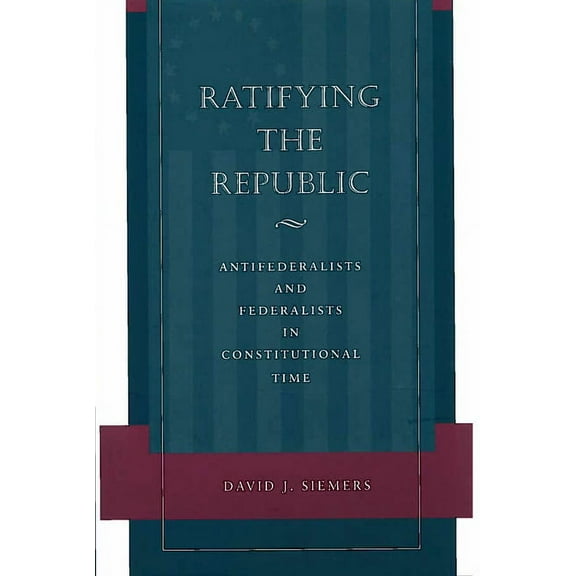 $3033current price $30.33
Ratifying the Republic: Antifederalists and Federalists in Constitutional Time, (Paperback)
Emergent Evolution, (Paperback) $29.94
 $2994current price $29.94
Emergent Evolution, (Paperback)
We the People: A History of the U.S. Constitution, (Hardcover) $29.85
 $2985current price $29.85
We the People: A History of the U.S. Constitution, (Hardcover)
83.9 out of 5 Stars. 8 reviewsPresidency in a Separated System, (Paperback) $6.56
 $656current price $6.56
Presidency in a Separated System, (Paperback)
Unbroken, (Paperback) $25.99
 $2599current price $25.99
Unbroken, (Paperback)
The Civil War and the Constitution 1859-1865; v. 2 (Paperback) $24.95
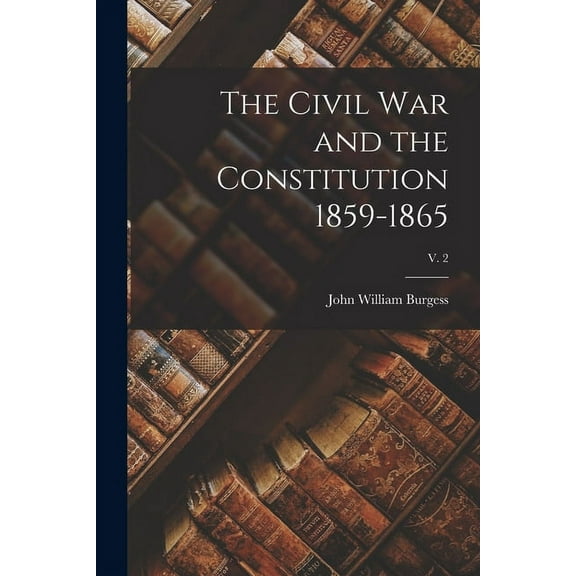 $2495current price $24.95
The Civil War and the Constitution 1859-1865; v. 2 (Paperback)
Authority (Paperback) $27.83
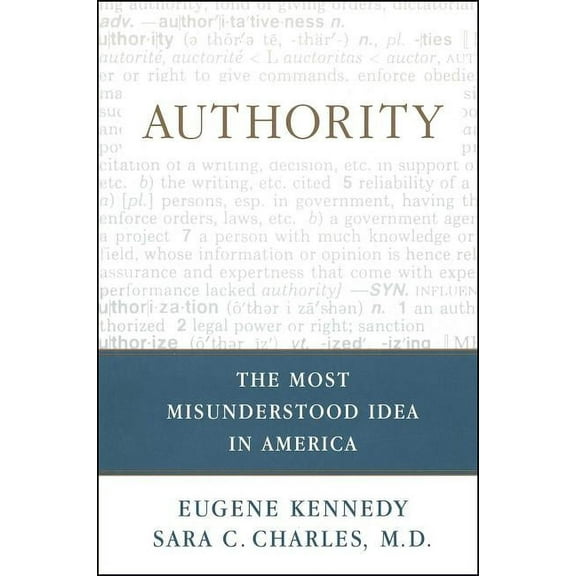 $2783current price $27.83
Authority (Paperback)
The Founding Fathers (Paperback) $48.45
 $4845current price $48.45
The Founding Fathers (Paperback)
Silent Power, (Paperback) $13.33
 $1333current price $13.33
Silent Power, (Paperback)
Political Thought in England from Locke to Bentham, (Paperback) $19.24
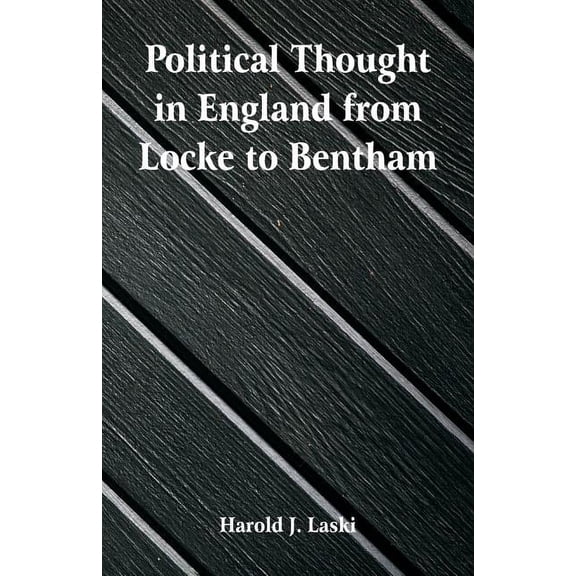 $1924current price $19.24
Political Thought in England from Locke to Bentham, (Paperback)
Grundrisse: manuscritos de 1857-1858, (Paperback) $37.99
 $3799current price $37.99
Grundrisse: manuscritos de 1857-1858, (Paperback)
Ethnographie der österreichischen Monarchie. (Paperback) $32.95
 $3295current price $32.95
Ethnographie der österreichischen Monarchie. (Paperback)
The Reign of Charles V (Paperback) $29.95
 $2995current price $29.95
The Reign of Charles V (Paperback)
How Tyrants Fall: And How Nations Survive, (Paperback) $12.23
 $1223current price $12.23
How Tyrants Fall: And How Nations Survive, (Paperback)
The Federal Reserve System (Paperback) $21.50
 $2150current price $21.50
The Federal Reserve System (Paperback)
The LEADER'S Window, (Paperback) $30.65
 $3065current price $30.65
The LEADER'S Window, (Paperback)
La Follette's Winning of Wisconsin (1894-1904), (Paperback) $31.12
 $3112current price $31.12
La Follette's Winning of Wisconsin (1894-1904), (Paperback)
Kentucky Obituaries, 1787-1854, (Paperback) $30.00
 $3000current price $30.00
Kentucky Obituaries, 1787-1854, (Paperback)
The Life of ... Charles James Fox (Paperback) $24.95
 $2495current price $24.95
The Life of ... Charles James Fox (Paperback)
Customer ratings & reviews
0 ratings|0 reviews
This item does not have any reviews yet

Related pages
- Constitution Political Books
- Impeachment Constitution
- Declaration Independence Publish
- University N Gregory Mankiw
- Geopolitics Books
- State And Local Government
- Governing States Localities
- State Authority
- Political Reference Books
- Political Essay Books
- Civics & Citizenship Political Books
- Local American Government Political Books