

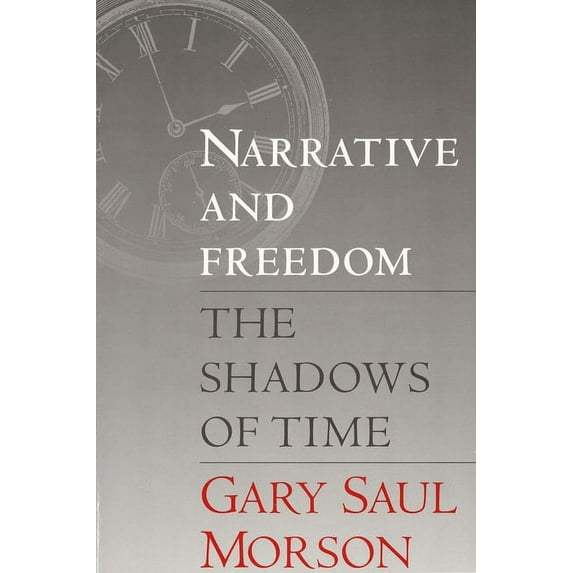
Hero image 0 of Narrative and Freedom : The Shadows of Time (Paperback), 0 of 1
Narrative and Freedom : The Shadows of Time (Paperback)
(No ratings yet)
Key item features
In this important and controversial book, one of our leading literary theorists presents a major philosophical statement about the meaning of literature and the shape of literary texts. Drawing on works by the Russian writers Dostoevsky, Tolstoy, and Chekhov, by other writers as diverse as Sophocles, Cervantes, and George Eliot, by thinkers as varied as William James, Mikhail Bakhtin, and Stephen Jay Gould, and from philosophy, the Bible, television, and much more, Gary Saul Morson examines the relation of time to narrative form and to an ethical dimension of the literary experience.
Morson asserts that the way we think about the world and narrate events is often in contradiction to the truly eventful and open nature of daily life. Literature, history, and the sciences frequently present experience as if contingency, chance, and the possibility of diverse futures were all illusory. As a result, people draw conclusions or accept ideologies without sufficiently examining their consequences or alternatives. However, says Morson, there is another way to read and construct texts. He explains that most narratives are developed through foreshadowing and "backshadowing" (foreshadowing ascribed after the fact), which tend to reduce the multiplicity of possibilities in each moment. But other literary works try to convey temporal openness through a device he calls "sideshadowing." Sideshadowing suggests that to understand an event is to grasp what else might have happened. Time is not a line but a shifting set of fields of possibility. Morson argues that this view of time and narrative encourages intellectual pluralism, helps to liberate us from the false certainties of dogmatism, creates a healthy skepticism of present orthodoxies, and makes us aware that there are moral choices available to us.
Morson asserts that the way we think about the world and narrate events is often in contradiction to the truly eventful and open nature of daily life. Literature, history, and the sciences frequently present experience as if contingency, chance, and the possibility of diverse futures were all illusory. As a result, people draw conclusions or accept ideologies without sufficiently examining their consequences or alternatives. However, says Morson, there is another way to read and construct texts. He explains that most narratives are developed through foreshadowing and "backshadowing" (foreshadowing ascribed after the fact), which tend to reduce the multiplicity of possibilities in each moment. But other literary works try to convey temporal openness through a device he calls "sideshadowing." Sideshadowing suggests that to understand an event is to grasp what else might have happened. Time is not a line but a shifting set of fields of possibility. Morson argues that this view of time and narrative encourages intellectual pluralism, helps to liberate us from the false certainties of dogmatism, creates a healthy skepticism of present orthodoxies, and makes us aware that there are moral choices available to us.
Specs
- Book formatPaperback
- Fiction/nonfictionNon-Fiction
- GenreLiterature & Fiction
- Publication dateSeptember, 1996
- Pages348
- SubgenreGeneral
Current price is USD$54.68
Price when purchased online
- Free shipping
 Free 30-day returns
How do you want your item?
Columbus, 43215
Arrives between May 1 - May 4
|
Sold and shipped by Alibris Books
4.566297076880784 stars out of 5, based on 10913 seller reviews(4.6)10913 seller reviews

Free 30-day returns - in store or online
Other sellers
$53.80
+ $7.98 shippingShipping, arrives by Fri, May 1 to Columbus, 43215
Sold and shipped by Best Prices & Service
Free 30-day returns
About this item
Product details
In this important and controversial book, one of our leading literary theorists presents a major philosophical statement about the meaning of literature and the shape of literary texts. Drawing on works by the Russian writers Dostoevsky, Tolstoy, and Chekhov, by other writers as diverse as Sophocles, Cervantes, and George Eliot, by thinkers as varied as William James, Mikhail Bakhtin, and Stephen Jay Gould, and from philosophy, the Bible, television, and much more, Gary Saul Morson examines the relation of time to narrative form and to an ethical dimension of the literary experience. Morson asserts that the way we think about the world and narrate events is often in contradiction to the truly eventful and open nature of daily life. Literature, history, and the sciences frequently present experience as if contingency, chance, and the possibility of diverse futures were all illusory. As a result, people draw conclusions or accept ideologies without sufficiently examining their consequences or alternatives. However, says Morson, there is another way to read and construct texts. He explains that most narratives are developed through foreshadowing and "backshadowing" (foreshadowing ascribed after the fact), which tend to reduce the multiplicity of possibilities in each moment. But other literary works try to convey temporal openness through a device he calls "sideshadowing." Sideshadowing suggests that to understand an event is to grasp what else might have happened. Time is not a line but a shifting set of fields of possibility. Morson argues that this view of time and narrative encourages intellectual pluralism, helps to liberate us from the false certainties of dogmatism, creates a healthy skepticism of present orthodoxies, and makes us aware that there are moral choices available to us.
In this important and controversial book, one of our leading literary theorists presents a major philosophical statement about the meaning of literature and the shape of literary texts. Drawing on works by the Russian writers Dostoevsky, Tolstoy, and Chekhov, by other writers as diverse as Sophocles, Cervantes, and George Eliot, by thinkers as varied as William James, Mikhail Bakhtin, and Stephen Jay Gould, and from philosophy, the Bible, television, and much more, Gary Saul Morson examines the relation of time to narrative form and to an ethical dimension of the literary experience.
Morson asserts that the way we think about the world and narrate events is often in contradiction to the truly eventful and open nature of daily life. Literature, history, and the sciences frequently present experience as if contingency, chance, and the possibility of diverse futures were all illusory. As a result, people draw conclusions or accept ideologies without sufficiently examining their consequences or alternatives. However, says Morson, there is another way to read and construct texts. He explains that most narratives are developed through foreshadowing and "backshadowing" (foreshadowing ascribed after the fact), which tend to reduce the multiplicity of possibilities in each moment. But other literary works try to convey temporal openness through a device he calls "sideshadowing." Sideshadowing suggests that to understand an event is to grasp what else might have happened. Time is not a line but a shifting set of fields of possibility. Morson argues that this view of time and narrative encourages intellectual pluralism, helps to liberate us from the false certainties of dogmatism, creates a healthy skepticism of present orthodoxies, and makes us aware that there are moral choices available to us.
Morson asserts that the way we think about the world and narrate events is often in contradiction to the truly eventful and open nature of daily life. Literature, history, and the sciences frequently present experience as if contingency, chance, and the possibility of diverse futures were all illusory. As a result, people draw conclusions or accept ideologies without sufficiently examining their consequences or alternatives. However, says Morson, there is another way to read and construct texts. He explains that most narratives are developed through foreshadowing and "backshadowing" (foreshadowing ascribed after the fact), which tend to reduce the multiplicity of possibilities in each moment. But other literary works try to convey temporal openness through a device he calls "sideshadowing." Sideshadowing suggests that to understand an event is to grasp what else might have happened. Time is not a line but a shifting set of fields of possibility. Morson argues that this view of time and narrative encourages intellectual pluralism, helps to liberate us from the false certainties of dogmatism, creates a healthy skepticism of present orthodoxies, and makes us aware that there are moral choices available to us.
info:
We aim to show you accurate product information. Manufacturers, suppliers and others provide what you see here, and we have not verified it.
Specifications
Book format
Paperback
Fiction/nonfiction
Non-Fiction
Genre
Literature & Fiction
Publication date
September, 1996
Warranty
Warranty information
Please be aware that the warranty terms on items offered for sale by third party Marketplace sellers may differ from those displayed in this section (if any). To confirm warranty terms on an item offered for sale by a third party Marketplace seller, please use the 'Contact seller' feature on the third party Marketplace seller's information page and request the item's warranty terms prior to purchase.
Warnings
State Chemical Disclosure
None
Similar items you might like
Based on what customers bought
Hidden in Plain View : Narrative and Creative Potentials in ‘War and Peace’ (Paperback) $21.91
 $2191current price $21.91
Hidden in Plain View : Narrative and Creative Potentials in ‘War and Peace’ (Paperback)
Almost Home, (Paperback) $97.37
 $9737current price $97.37
Almost Home, (Paperback)
In a Place of Darkness, (Paperback) $18.12
 $1812current price $18.12
In a Place of Darkness, (Paperback)
Jack's Place: A New Beginning, (Paperback) $10.67
 $1067current price $10.67
Jack's Place: A New Beginning, (Paperback)
The Lost Road to Hope, (Paperback) $22.83 Was $25.99
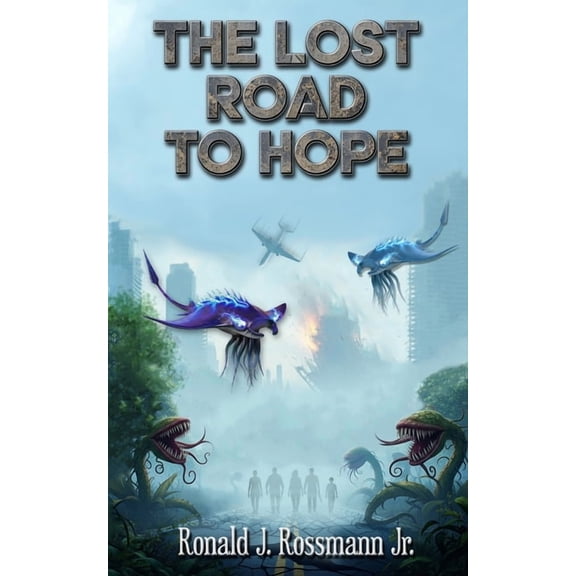 $2283current price $22.83, Was $25.99$25.99
The Lost Road to Hope, (Paperback)
Rhona MacLeod Follow the Dead, Book 12, (Paperback) $17.02
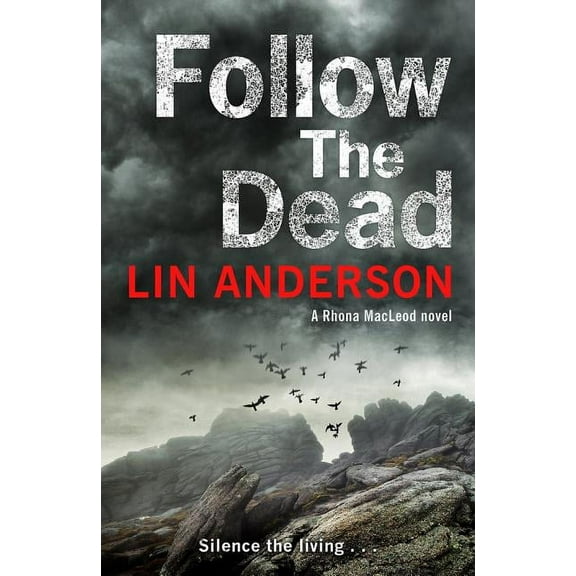 $1702current price $17.02
Rhona MacLeod Follow the Dead, Book 12, (Paperback)
Inspector Carlyle Mysteries A Man of Sorrows, Book 6, (Paperback) $11.99
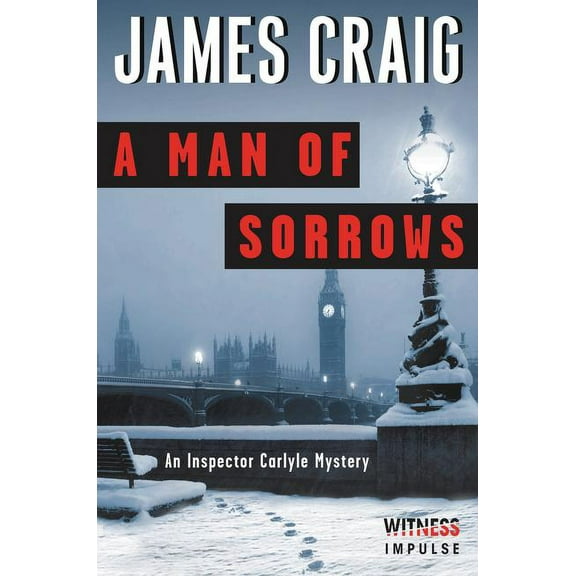 $1199current price $11.99
Inspector Carlyle Mysteries A Man of Sorrows, Book 6, (Paperback)
The Ravages of Time, (Paperback) $18.50
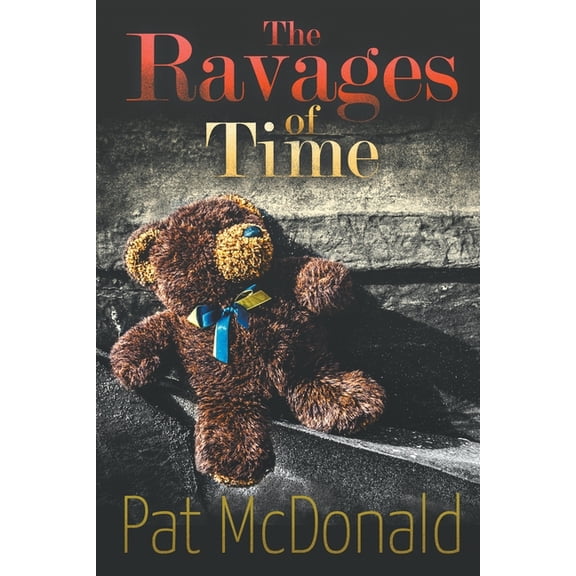 $1850current price $18.50
The Ravages of Time, (Paperback)
In Plain Sight Volume 3, (Paperback) $50.51 Was $59.59
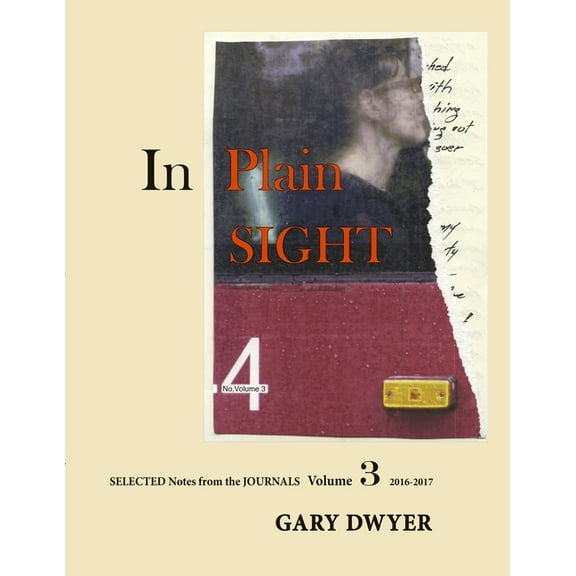 $5051current price $50.51, Was $59.59$59.59
In Plain Sight Volume 3, (Paperback)
The Book of Sin and Shadow, (Paperback) $18.79
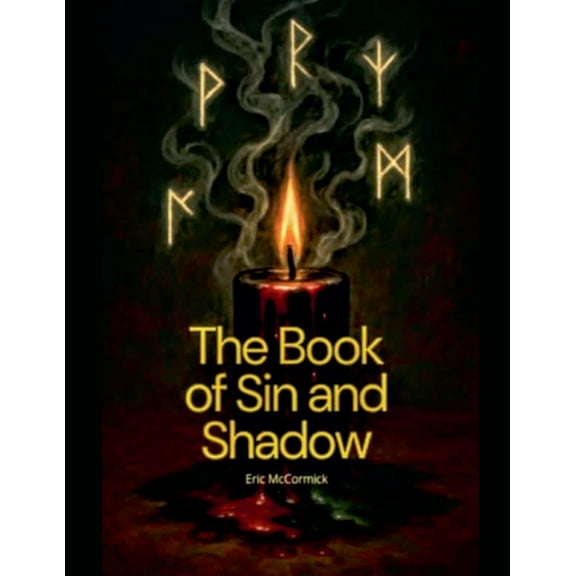 $1879current price $18.79
The Book of Sin and Shadow, (Paperback)
In the Shadow of What Was Lost, (Paperback) $52.99
 $5299current price $52.99
In the Shadow of What Was Lost, (Paperback)
Kurt Wallander Faceless Killers, Book 1, (Paperback) $11.39 Was $15.26
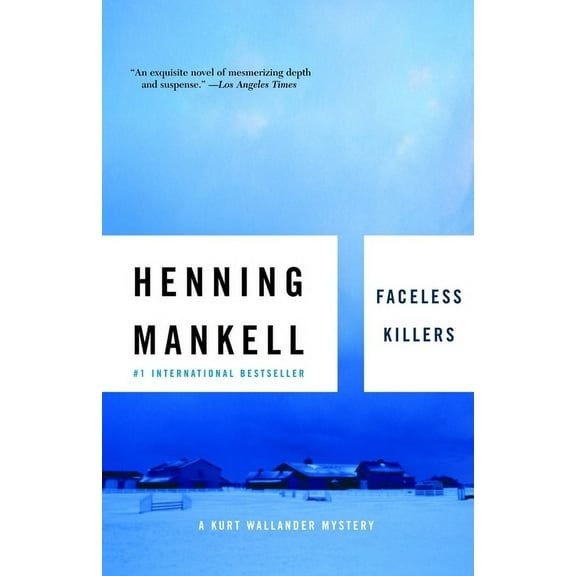 $1139current price $11.39, Was $15.26$15.26
Kurt Wallander Faceless Killers, Book 1, (Paperback)
893.6 out of 5 Stars. 89 reviewsThe Ogre Life, (Paperback) $17.45
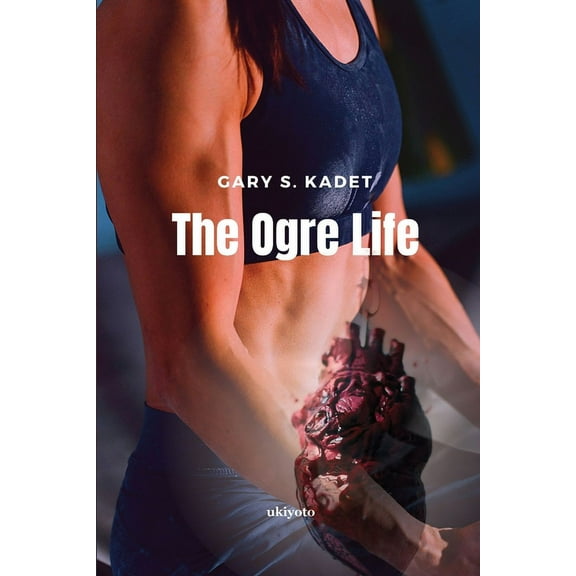 $1745current price $17.45
The Ogre Life, (Paperback)
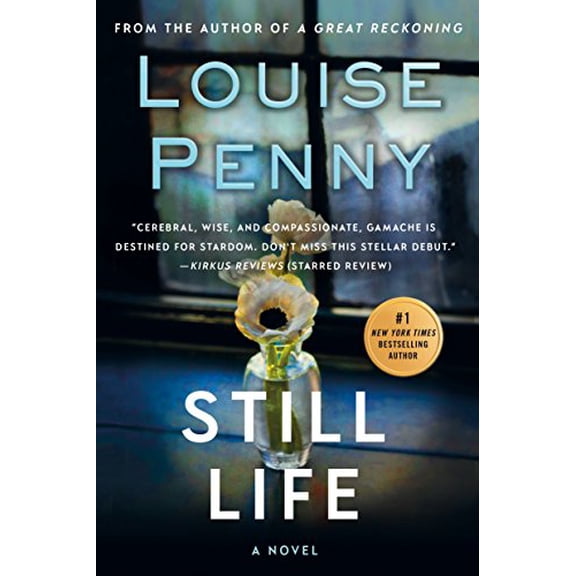
Pre-Owned Still Life: A Chief Inspector Gamache Novel (Paperback) 0312541538 9780312541538 $4.08
 3 optionsAvailable in additional 3 options$408current price $4.08
Pre-Owned Still Life: A Chief Inspector Gamache Novel (Paperback) 0312541538 9780312541538
45 out of 5 Stars. 4 reviewsBlue Deep Doom Breaker 03 (Paperback) $28.44
 $2844current price $28.44
Blue Deep Doom Breaker 03 (Paperback)
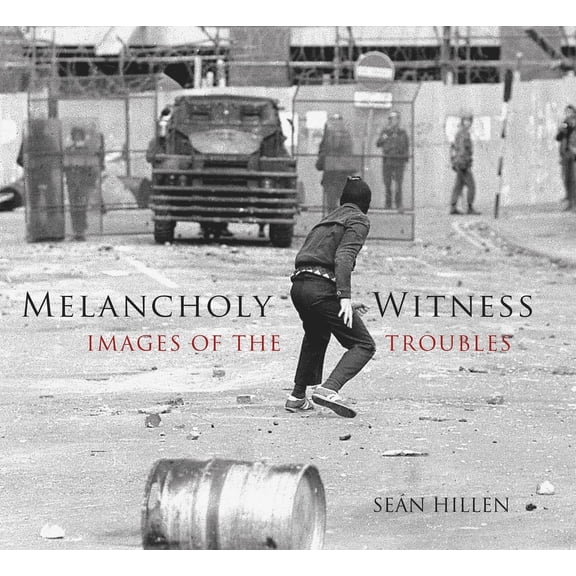
Melancholy Witness : Images of the Troubles (Paperback) $28.87
 $2887current price $28.87
Melancholy Witness : Images of the Troubles (Paperback)
Sawhorse, (Paperback) $19.54 Was $21.95
 $1954current price $19.54, Was $21.95$21.95
Sawhorse, (Paperback)
Trench 1915: Shadows of War, (Paperback) $24.95
 $2495current price $24.95
Trench 1915: Shadows of War, (Paperback)
The Boss's Illusion, (Paperback) $39.99
 $3999current price $39.99
The Boss's Illusion, (Paperback)
Poetic Journey, (Paperback) $10.95
 $1095current price $10.95
Poetic Journey, (Paperback)
Customer ratings & reviews
0 ratings|0 reviews
This item does not have any reviews yet
