


At the Origins of Modern Atheism (Paperback)
Key item features
The rise of atheism in the modern world is a religious phenomenon unprecedented in history, both in the number of its adherents and in the security of its cultural establishment. How did so revolutionary a conviction as this arise? What can theological reflection learn from this massive shift in religious consciousness?
In this book, Michael J. Buckley investigates the origins and development of modern atheism and argues convincingly that its impetus lies paradoxically in the very attempts to counter it. Although modern atheism finds its initial exponents in Denis Diderot and Paul d’Holbach in the eighteenth century, their works bring to completion a dialectical process that reaches back to the theologians and philosophers of an earlier period. During the seventeenth century, theologians such as Leonard Lessius and Marin Mersenne determined that in order to defend the existence of god, religious apologetics must become philosophy, surrendering as its primary warrant any intrinsically religious experience or evidence. The most influential philosophers of the period, René Descartes and Isaac Newton, and the theologians who followed them accepted this settlement, and the new sciences were enlisted to provide the foundation for religion.
Almost no one suspected the profound contradictions that this process entailed and that would eventually resolve themselves through the negation of god. In transferring to other areas of human experience and inquiry its fundamental responsibility to deal with the existence of god, religion dialectically generated its own denial. The origins and extraordinary power of modern atheism lie with this progressive self-alienation of religion itself.
Specs
- Book formatPaperback
- Fiction/nonfictionNon-Fiction
- GenreReligion
- Publication dateAugust, 1990
- Pages253
- Number in series1
- Free shipping
 Free 90-day returns
How do you want your item?



Get free delivery, shipping and more*
About this item
Product details
The rise of atheism in the modern world is a religious phenomenon unprecedented in history, both in the number of its adherents and in the security of its cultural establishment. How did so revolutionary a conviction as this arise? What can theological reflection learn from this massive shift in religious consciousness?
In this book, Michael J. Buckley investigates the origins and development of modern atheism and argues convincingly that its impetus lies paradoxically in the very attempts to counter it. Although modern atheism finds its initial exponents in Denis Diderot and Paul d'Holbach in the eighteenth century, their works bring to completion a dialectical process that reaches back to the theologians and philosophers of an earlier period. During the seventeenth century, theologians such as Leonard Lessius and Marin Mersenne determined that in order to defend the existence of god, religious apologetics must become philosophy, surrendering as its primary warrant any intrinsically religious experience or evidence. The most influential philosophers of the period, René Descartes and Isaac Newton, and the theologians who followed them accepted this settlement, and the new sciences were enlisted to provide the foundation for religion.
Almost no one suspected the profound contradictions that this process entailed and that would eventually resolve themselves through the negation of god. In transferring to other areas of human experience and inquiry its fundamental responsibility to deal with the existence of god, religion dialectically generated its own denial. The origins and extraordinary power of modern atheism lie with this progressive self-alienation of religion itself.The rise of atheism in the modern world is a religious phenomenon unprecedented in history, both in the number of its adherents and in the security of its cultural establishment. How did so revolutionary a conviction as this arise? What can theological reflection learn from this massive shift in religious consciousness?
In this book, Michael J. Buckley investigates the origins and development of modern atheism and argues convincingly that its impetus lies paradoxically in the very attempts to counter it. Although modern atheism finds its initial exponents in Denis Diderot and Paul d’Holbach in the eighteenth century, their works bring to completion a dialectical process that reaches back to the theologians and philosophers of an earlier period. During the seventeenth century, theologians such as Leonard Lessius and Marin Mersenne determined that in order to defend the existence of god, religious apologetics must become philosophy, surrendering as its primary warrant any intrinsically religious experience or evidence. The most influential philosophers of the period, René Descartes and Isaac Newton, and the theologians who followed them accepted this settlement, and the new sciences were enlisted to provide the foundation for religion.
Almost no one suspected the profound contradictions that this process entailed and that would eventually resolve themselves through the negation of god. In transferring to other areas of human experience and inquiry its fundamental responsibility to deal with the existence of god, religion dialectically generated its own denial. The origins and extraordinary power of modern atheism lie with this progressive self-alienation of religion itself.
Specifications
Book format
Fiction/nonfiction
Genre
Publication date
Warnings
State Chemical Disclosure
Similar items you might like
Based on what customers bought
The Intellectual Bible, (Paperback) $49.95
 $4995current price $49.95
The Intellectual Bible, (Paperback)
Sophia, (Paperback) $22.52
 $2252current price $22.52
Sophia, (Paperback)
Parochial And Cathedral Sermons, (Paperback) $51.90
 $5190current price $51.90
Parochial And Cathedral Sermons, (Paperback)
Book of 1st Enoch: For Biblical Scholars, (Paperback) $24.95
 $2495current price $24.95
Book of 1st Enoch: For Biblical Scholars, (Paperback)
Non-miraculous Christianity and other sermons: Second Edition, (Paperback) $29.90
 $2990current price $29.90
Non-miraculous Christianity and other sermons: Second Edition, (Paperback)
Kuji Goshin Hou, (Paperback) $16.60
 $1660current price $16.60
Kuji Goshin Hou, (Paperback)
Modern Jezebels, (Paperback) $24.99
 $2499current price $24.99
Modern Jezebels, (Paperback)
The Craftsman's Symbology, (Paperback) $19.95
 $1995current price $19.95
The Craftsman's Symbology, (Paperback)
Sophia (Paperback) $30.26
 $3026current price $30.26
Sophia (Paperback)
14 Days with God, (Paperback) $23.06 Was $26.81
 $2306current price $23.06, Was $26.81$26.81
14 Days with God, (Paperback)
Prophets, Priests and Politics (Paperback) $15.07
 $1507current price $15.07
Prophets, Priests and Politics (Paperback)
Anbetung im Gottesdienst, (Paperback) $53.90
 $5390current price $53.90
Anbetung im Gottesdienst, (Paperback)
The Atonement (Paperback) $15.73
 $1573current price $15.73
The Atonement (Paperback)
EPISTLES OF A PROLIFIC PONTIFF (Second & Updated edition), (Paperback) $19.99
 $1999current price $19.99
EPISTLES OF A PROLIFIC PONTIFF (Second & Updated edition), (Paperback)
What Do You Believe - Really?, (Paperback) $19.99
 $1999current price $19.99
What Do You Believe - Really?, (Paperback)
Studying Religion and Disability, (Paperback) $41.24
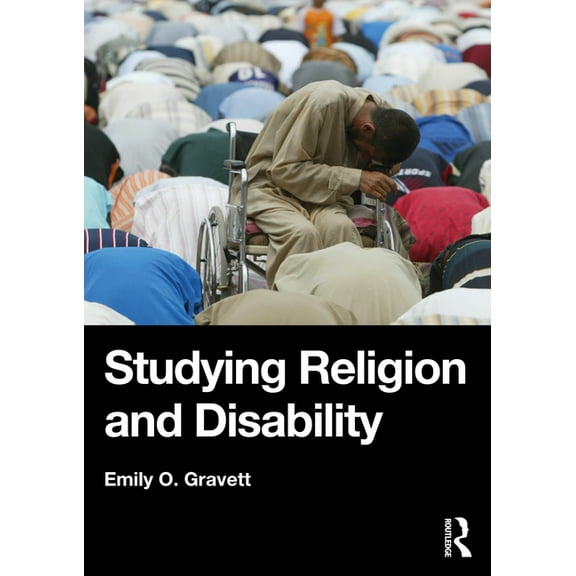 $4124current price $41.24
Studying Religion and Disability, (Paperback)
The Basis Of Morality, (Paperback) $17.08
 $1708current price $17.08
The Basis Of Morality, (Paperback)
From the Top Down, (Paperback) $14.99
 $1499current price $14.99
From the Top Down, (Paperback)
Afflicted But Not Destroyed, (Paperback) $19.95
 $1995current price $19.95
Afflicted But Not Destroyed, (Paperback)
Ceremonias y Caminos de Oshún, (Paperback) $30.00
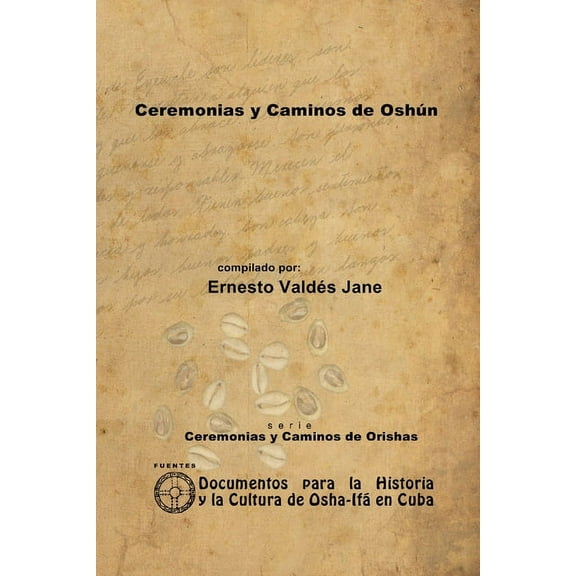 $3000current price $30.00
Ceremonias y Caminos de Oshún, (Paperback)
