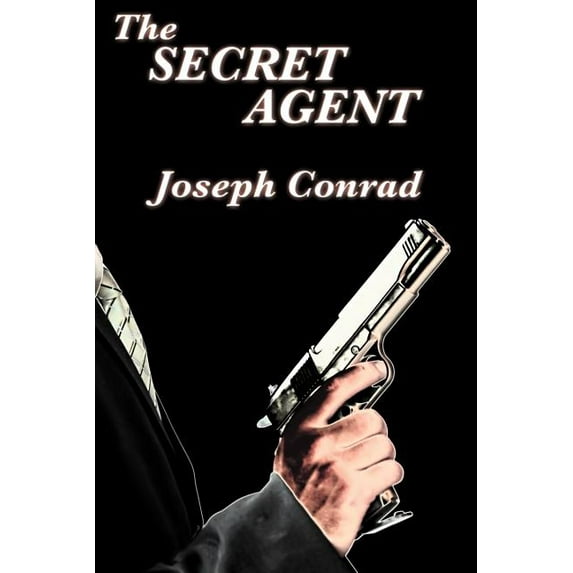
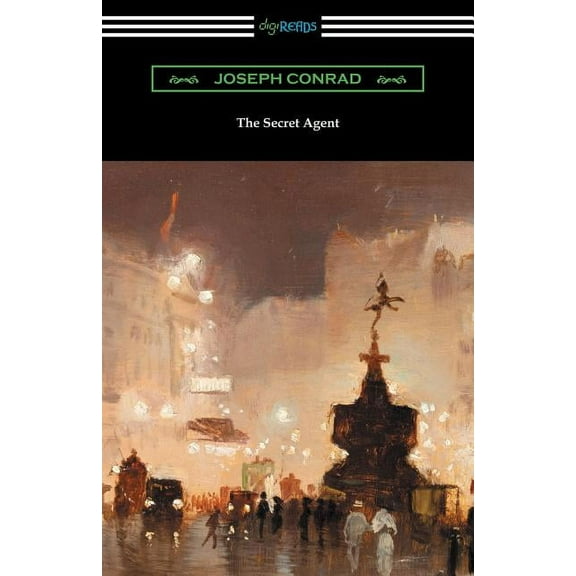
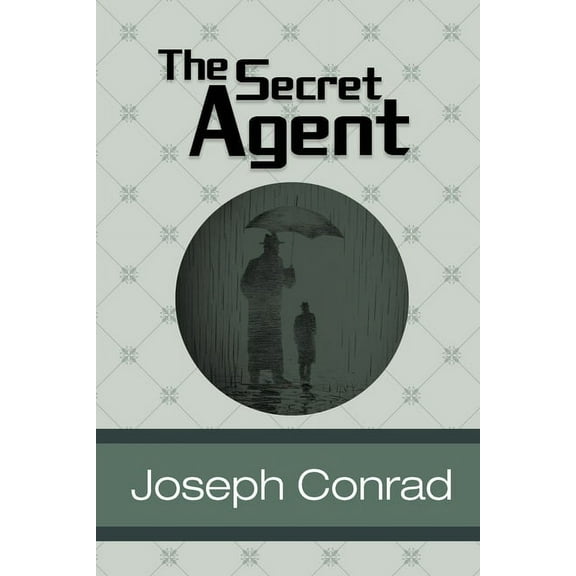
Joseph Conrad's The Secret Agent is a dark and penetrating novel of espionage, political extremism, and moral collapse set in the shadowy world of late Victorian London.
Published in 1907, the novel follows Adolf Verloc, a shopkeeper in Soho who secretly works as an agent provocateur for a foreign embassy. Pressured by his handlers to demonstrate results, Verloc becomes entangled in a reckless terrorist scheme involving anarchists, informers, and unsuspecting innocents. What begins as a cynical political maneuver quickly spirals into tragedy, exposing the human cost of ideological fanaticism and manipulation.
Conrad's portrayal of London is bleak and atmospheric, revealing a hidden network of spies, radicals, and bureaucrats operating beneath the calm surface of Edwardian society. The novel is notable for its psychological depth, its sharp critique of political extremism, and its unsettling exploration of how ordinary lives can be destroyed by forces of secrecy and conspiracy.
Often regarded as one of the first great modern espionage novels, The Secret Agent remains a powerful and unsettling study of terrorism, surveillance, and the fragile boundaries between politics and morality.






 Pickup or delivery?