


Hero image 0 of Young Athletic Movement: How We Move : Book 1 (Hardcover), 0 of 1
Young Athletic Movement: How We Move : Book 1 (Hardcover)
(No ratings yet)
Key item features
"How We Move" is the first book in the Young Athletic Movement Series. It focuses on helping children aged 2-6 gain a rudimentary understanding of how we as humans move, then helps them to create good subconscious movement habits of four of our most basic movements. These movements are breathing, sitting standing, and walking. Young Athletic Movement is a media company dedicated to promoting better health in young people. We believe that movement is essential to a healthy life and that understanding how humans move and the importance of proper movement can lead to better living. Our mission is to provide resources and tools to help young people achieve their health goals.
After years of thinking he was athletic and strong, the author Ray Terry started losing the ability to walk properly in 2009. He didn't acknowledge it (although thinking back he'd had symptoms as early as elementary school) until sometime in 2015. By 2018 he needed a cane to walk. He was 49 years old, way too young. Even then, he blamed the dysfunction on possible traumatic injuries he'd received in the past and present. This, he believes, turns out to be only partially true. While working with a group of Performance trainers known as The FootDoctor Sports he began studying, attending conferences, and talking to professionals from a variety of specializations to try and find solutions to his dysfunctions. Dysfunctions are simply deviations from what are considered normal behaviors. Most of them occur over time. The more time spent behaving dysfunctionally, the more dysfunctional the behaviors become in the future. All those years he had been practicing to move incorrectly. He could have been stronger and more athletic if he had been taught to move correctly.
While trauma certainly changes movement and other behaviors, our automatic reset must have a base. It must go back to a particular place and time. This starts with subconscious behaviors (basic operating systems), which coupled with our genetics (hardware) produce our familiar traits. For instance "That's Ray over there, I'd know that walk anywhere." These traits are trained and can be retrained. They can also be influenced and built upon by the conscious mind. The younger the better, the older the harder, and the best range to train and make it stick is from two to six years of age. This is how we create the base.
Young Athletic Movement is meant to be an open platform style of bringing valuable basic operating movements to young people aged two to six years old. We offer a few simple important movements that are based on human anatomy and physiology. These are put into media to capture a young person's attention and help them to repeat good basic movements until they have good basic habits. Why ages two to six, because most experts and stakeholders in child development believe in Piaget's Stages of Cognitive Development Theory. They also believe that 90% of a child's brain development takes place from two to seven years of age. Teaching this early on not only will create good everyday habits but should also govern their behavior in "fight or flight" situations like rough play and youth sports games. The goal is to mitigate traumatic injury that is based on dysfunctional movement patterns over time.
The one thing we at Young Athletic Movement do not want to instill in children (as a base) is hate in any way, shape, or form. We will never cover any movements involved with hate because we believe that behaviors should always move in a positive direction.
After years of thinking he was athletic and strong, the author Ray Terry started losing the ability to walk properly in 2009. He didn't acknowledge it (although thinking back he'd had symptoms as early as elementary school) until sometime in 2015. By 2018 he needed a cane to walk. He was 49 years old, way too young. Even then, he blamed the dysfunction on possible traumatic injuries he'd received in the past and present. This, he believes, turns out to be only partially true. While working with a group of Performance trainers known as The FootDoctor Sports he began studying, attending conferences, and talking to professionals from a variety of specializations to try and find solutions to his dysfunctions. Dysfunctions are simply deviations from what are considered normal behaviors. Most of them occur over time. The more time spent behaving dysfunctionally, the more dysfunctional the behaviors become in the future. All those years he had been practicing to move incorrectly. He could have been stronger and more athletic if he had been taught to move correctly.
While trauma certainly changes movement and other behaviors, our automatic reset must have a base. It must go back to a particular place and time. This starts with subconscious behaviors (basic operating systems), which coupled with our genetics (hardware) produce our familiar traits. For instance "That's Ray over there, I'd know that walk anywhere." These traits are trained and can be retrained. They can also be influenced and built upon by the conscious mind. The younger the better, the older the harder, and the best range to train and make it stick is from two to six years of age. This is how we create the base.
Young Athletic Movement is meant to be an open platform style of bringing valuable basic operating movements to young people aged two to six years old. We offer a few simple important movements that are based on human anatomy and physiology. These are put into media to capture a young person's attention and help them to repeat good basic movements until they have good basic habits. Why ages two to six, because most experts and stakeholders in child development believe in Piaget's Stages of Cognitive Development Theory. They also believe that 90% of a child's brain development takes place from two to seven years of age. Teaching this early on not only will create good everyday habits but should also govern their behavior in "fight or flight" situations like rough play and youth sports games. The goal is to mitigate traumatic injury that is based on dysfunctional movement patterns over time.
The one thing we at Young Athletic Movement do not want to instill in children (as a base) is hate in any way, shape, or form. We will never cover any movements involved with hate because we believe that behaviors should always move in a positive direction.
Specs
- Book formatHardcover
- Fiction/nonfictionNon-Fiction
- GenreNonfiction
- Publication dateFebruary, 2024
- Pages30
- Reading levelPreschool
Current price is USD$21.99
Price when purchased online
- Free shipping
 Free 30-day returns
How do you want your item?
Columbus, 43215
Arrives between May 11 - May 13
|
Sold and shipped by Keyes Consulting, LLC
4.664804469273743 stars out of 5, based on 179 seller reviews(4.7)179 seller reviews

Free 30-day returns - in store or online
About this item
Product details
"How We Move" is the first book in the Young Athletic Movement Series. It focuses on helping children aged 2-6 gain a rudimentary understanding of how we as humans move, then helps them to create good subconscious movement habits of four of our most basic movements. These movements are breathing, sitting standing, and walking. Young Athletic Movement is a media company dedicated to promoting better health in young people. We believe that movement is essential to a healthy life and that understanding how humans move and the importance of proper movement can lead to better living. Our mission is to provide resources and tools to help young people achieve their health goals. After years of thinking he was athletic and strong, the author Ray Terry started losing the ability to walk properly in 2009. He didn't acknowledge it (although thinking back he'd had symptoms as early as elementary school) until sometime in 2015. By 2018 he needed a cane to walk. He was 49 years old, way too young. Even then, he blamed the dysfunction on possible traumatic injuries he'd received in the past and present. This, he believes, turns out to be only partially true. While working with a group of Performance trainers known as The FootDoctor Sports he began studying, attending conferences, and talking to professionals from a variety of specializations to try and find solutions to his dysfunctions. Dysfunctions are simply deviations from what are considered normal behaviors. Most of them occur over time. The more time spent behaving dysfunctionally, the more dysfunctional the behaviors become in the future. All those years he had been practicing to move incorrectly. He could have been stronger and more athletic if he had been taught to move correctly. While trauma certainly changes movement and other behaviors, our automatic reset must have a base. It must go back to a particular place and time. This starts with subconscious behaviors (basic operating systems), which coupled with our genetics (hardware) produce our familiar traits. For instance "That's Ray over there, I'd know that walk anywhere." These traits are trained and can be retrained. They can also be influenced and built upon by the conscious mind. The younger the better, the older the harder, and the best range to train and make it stick is from two to six years of age. This is how we create the base. Young Athletic Movement is meant to be an open platform style of bringing valuable basic operating movements to young people aged two to six years old. We offer a few simple important movements that are based on human anatomy and physiology. These are put into media to capture a young person's attention and help them to repeat good basic movements until they have good basic habits. Why ages two to six, because most experts and stakeholders in child development believe in Piaget's Stages of Cognitive Development Theory. They also believe that 90% of a child's brain development takes place from two to seven years of age. Teaching this early on not only will create good everyday habits but should also govern their behavior in "fight or flight" situations like rough play and youth sports games. The goal is to mitigate traumatic injury that is based on dysfunctional movement patterns over time. The one thing we at Young Athletic Movement do not want to instill in children (as a base) is hate in any way, shape, or form. We will never cover any movements involved with hate because we believe that behaviors should always move in a positive direction.
"How We Move" is the first book in the Young Athletic Movement Series. It focuses on helping children aged 2-6 gain a rudimentary understanding of how we as humans move, then helps them to create good subconscious movement habits of four of our most basic movements. These movements are breathing, sitting standing, and walking. Young Athletic Movement is a media company dedicated to promoting better health in young people. We believe that movement is essential to a healthy life and that understanding how humans move and the importance of proper movement can lead to better living. Our mission is to provide resources and tools to help young people achieve their health goals.
After years of thinking he was athletic and strong, the author Ray Terry started losing the ability to walk properly in 2009. He didn't acknowledge it (although thinking back he'd had symptoms as early as elementary school) until sometime in 2015. By 2018 he needed a cane to walk. He was 49 years old, way too young. Even then, he blamed the dysfunction on possible traumatic injuries he'd received in the past and present. This, he believes, turns out to be only partially true. While working with a group of Performance trainers known as The FootDoctor Sports he began studying, attending conferences, and talking to professionals from a variety of specializations to try and find solutions to his dysfunctions. Dysfunctions are simply deviations from what are considered normal behaviors. Most of them occur over time. The more time spent behaving dysfunctionally, the more dysfunctional the behaviors become in the future. All those years he had been practicing to move incorrectly. He could have been stronger and more athletic if he had been taught to move correctly.
While trauma certainly changes movement and other behaviors, our automatic reset must have a base. It must go back to a particular place and time. This starts with subconscious behaviors (basic operating systems), which coupled with our genetics (hardware) produce our familiar traits. For instance "That's Ray over there, I'd know that walk anywhere." These traits are trained and can be retrained. They can also be influenced and built upon by the conscious mind. The younger the better, the older the harder, and the best range to train and make it stick is from two to six years of age. This is how we create the base.
Young Athletic Movement is meant to be an open platform style of bringing valuable basic operating movements to young people aged two to six years old. We offer a few simple important movements that are based on human anatomy and physiology. These are put into media to capture a young person's attention and help them to repeat good basic movements until they have good basic habits. Why ages two to six, because most experts and stakeholders in child development believe in Piaget's Stages of Cognitive Development Theory. They also believe that 90% of a child's brain development takes place from two to seven years of age. Teaching this early on not only will create good everyday habits but should also govern their behavior in "fight or flight" situations like rough play and youth sports games. The goal is to mitigate traumatic injury that is based on dysfunctional movement patterns over time.
The one thing we at Young Athletic Movement do not want to instill in children (as a base) is hate in any way, shape, or form. We will never cover any movements involved with hate because we believe that behaviors should always move in a positive direction.
After years of thinking he was athletic and strong, the author Ray Terry started losing the ability to walk properly in 2009. He didn't acknowledge it (although thinking back he'd had symptoms as early as elementary school) until sometime in 2015. By 2018 he needed a cane to walk. He was 49 years old, way too young. Even then, he blamed the dysfunction on possible traumatic injuries he'd received in the past and present. This, he believes, turns out to be only partially true. While working with a group of Performance trainers known as The FootDoctor Sports he began studying, attending conferences, and talking to professionals from a variety of specializations to try and find solutions to his dysfunctions. Dysfunctions are simply deviations from what are considered normal behaviors. Most of them occur over time. The more time spent behaving dysfunctionally, the more dysfunctional the behaviors become in the future. All those years he had been practicing to move incorrectly. He could have been stronger and more athletic if he had been taught to move correctly.
While trauma certainly changes movement and other behaviors, our automatic reset must have a base. It must go back to a particular place and time. This starts with subconscious behaviors (basic operating systems), which coupled with our genetics (hardware) produce our familiar traits. For instance "That's Ray over there, I'd know that walk anywhere." These traits are trained and can be retrained. They can also be influenced and built upon by the conscious mind. The younger the better, the older the harder, and the best range to train and make it stick is from two to six years of age. This is how we create the base.
Young Athletic Movement is meant to be an open platform style of bringing valuable basic operating movements to young people aged two to six years old. We offer a few simple important movements that are based on human anatomy and physiology. These are put into media to capture a young person's attention and help them to repeat good basic movements until they have good basic habits. Why ages two to six, because most experts and stakeholders in child development believe in Piaget's Stages of Cognitive Development Theory. They also believe that 90% of a child's brain development takes place from two to seven years of age. Teaching this early on not only will create good everyday habits but should also govern their behavior in "fight or flight" situations like rough play and youth sports games. The goal is to mitigate traumatic injury that is based on dysfunctional movement patterns over time.
The one thing we at Young Athletic Movement do not want to instill in children (as a base) is hate in any way, shape, or form. We will never cover any movements involved with hate because we believe that behaviors should always move in a positive direction.
info:
We aim to show you accurate product information. Manufacturers, suppliers and others provide what you see here, and we have not verified it.
Specifications
Book format
Hardcover
Fiction/nonfiction
Non-Fiction
Genre
Nonfiction
Publication date
February, 2024
Warranty
Warranty information
Please be aware that the warranty terms on items offered for sale by third party Marketplace sellers may differ from those displayed in this section (if any). To confirm warranty terms on an item offered for sale by a third party Marketplace seller, please use the 'Contact seller' feature on the third party Marketplace seller's information page and request the item's warranty terms prior to purchase.
Similar items you might like
Based on what customers bought
50+ bought since yesterday See, Touch, Feel: A First Sensory Book (Board Book) $5.91
50+ bought since yesterday $591current price $5.91
See, Touch, Feel: A First Sensory Book (Board Book)
4394.8 out of 5 Stars. 439 reviewsIn 100+ people's carts You're My Little Sunshine (Board Book) $4.08 Was $8.99
In 100+ people's carts $408current price $4.08, Was $8.99$8.99
You're My Little Sunshine (Board Book)
3884.8 out of 5 Stars. 388 reviewsBest seller See, Touch, Feel: ABC: A First Sensory Alphabet Book (Board Book) $6.87
Best seller $687current price $6.87
See, Touch, Feel: ABC: A First Sensory Alphabet Book (Board Book)
1954.6 out of 5 Stars. 195 reviewsBest seller Super Duper Extra Deluxe Essential Handbook (Pokémon) (Paperback) $6.50
Best seller 2 optionsAvailable in additional 2 options$650current price $6.50
Super Duper Extra Deluxe Essential Handbook (Pokémon) (Paperback)
1334.8 out of 5 Stars. 133 reviewsBest seller Big Book of Search & Find (Hardcover) $7.56
Best seller $756current price $7.56
Big Book of Search & Find (Hardcover)
2744.5 out of 5 Stars. 274 reviewsWhy Wisconsin?, (Hardcover) $22.57
 $2257current price $22.57
Why Wisconsin?, (Hardcover)
Best seller The Humble Pie (Hardcover) $9.49 Was $15.99
Best seller $949current price $9.49, Was $15.99$15.99
The Humble Pie (Hardcover)
194.2 out of 5 Stars. 19 reviewsThe Journey to You, (Hardcover) $22.17 Was $24.99
 $2217current price $22.17, Was $24.99$24.99
The Journey to You, (Hardcover)
Best seller Little Blue Truck and Racer Red (Hardcover) $12.85
Best seller $1285current price $12.85
Little Blue Truck and Racer Red (Hardcover)
334.9 out of 5 Stars. 33 reviewsQuizzlers What Do You Know about Sports?, (Hardcover) $29.99
 $2999current price $29.99
Quizzlers What Do You Know about Sports?, (Hardcover)
Best seller Zootopia 2: Book and Magnetic Play Set (Hardcover) $9.93 Was $16.93
Best seller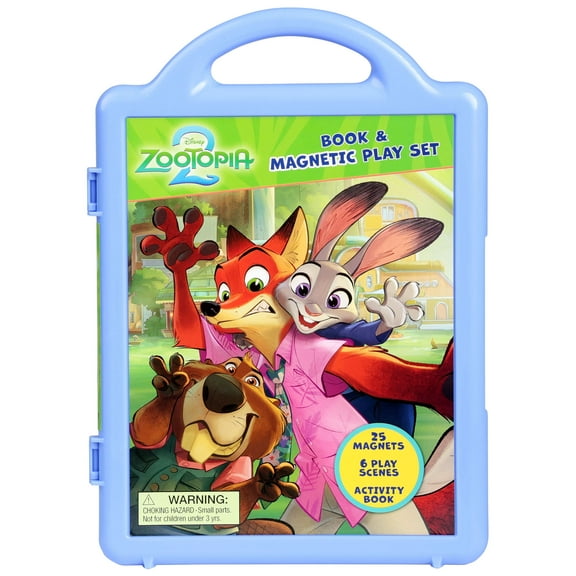 $993current price $9.93, Was $16.93$16.93
Zootopia 2: Book and Magnetic Play Set (Hardcover)
73.9 out of 5 Stars. 7 reviewsBest seller Love You Forever (Board Book) $6.46
Best seller $646current price $6.46
Love You Forever (Board Book)
2214.8 out of 5 Stars. 221 reviewsBest seller Junie B. Jones First Boxed Set Ever!: Books 1-4 (Hardcover) $10.58
Best seller $1058current price $10.58
Junie B. Jones First Boxed Set Ever!: Books 1-4 (Hardcover)
2004.7 out of 5 Stars. 200 reviewsYou Are With Me Always, (Hardcover) $22.17 Was $24.99
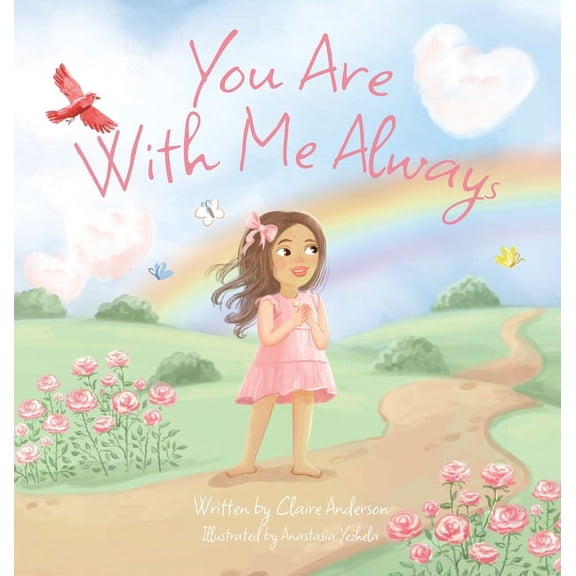 $2217current price $22.17, Was $24.99$24.99
You Are With Me Always, (Hardcover)
Best seller Bluey Busy Book Walmart Exclusive $13.48
Best seller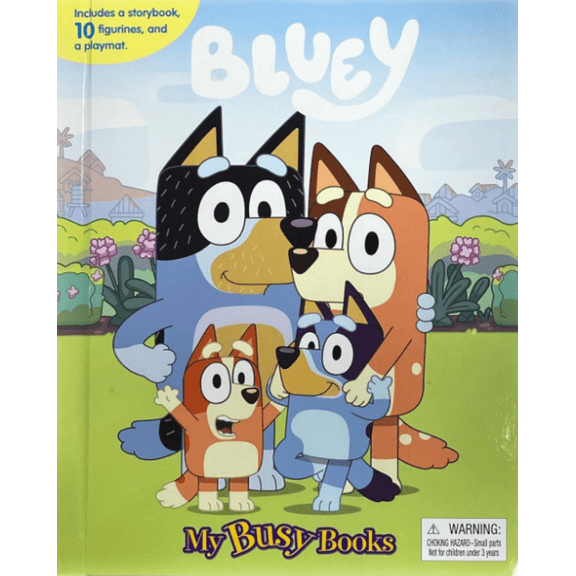 $1348current price $13.48
Bluey Busy Book Walmart Exclusive
374.6 out of 5 Stars. 37 reviewsBest seller What Do You Say, Little Blue Truck? Sound Book (Hardcover) $8.28
Best seller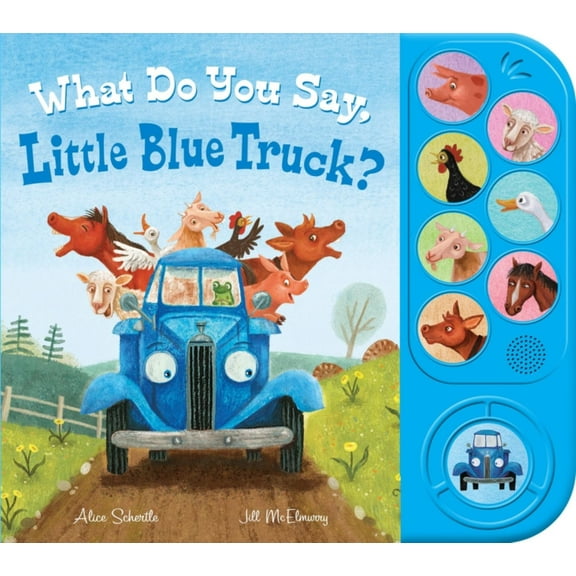 $828current price $8.28
What Do You Say, Little Blue Truck? Sound Book (Hardcover)
2164.7 out of 5 Stars. 216 reviewsBest seller Simple First Words Let's Talk (Board Book) $7.02 Was $12.72
Best seller $702current price $7.02, Was $12.72$12.72
Simple First Words Let's Talk (Board Book)
1164.3 out of 5 Stars. 116 reviewsI Am Me. I Am One., (Hardcover) $23.09
 $2309current price $23.09
I Am Me. I Am One., (Hardcover)
Calming my body is as easy as ABC, (Hardcover) $22.17 Was $24.99
 $2217current price $22.17, Was $24.99$24.99
Calming my body is as easy as ABC, (Hardcover)

Customer ratings & reviews
0 ratings|0 reviews
This item does not have any reviews yet
