


Hero image 0 of Concrete Cuba: Cuban Geometric Abstraction from the 1950s (Hardcover), 0 of 1
Concrete Cuba: Cuban Geometric Abstraction from the 1950s (Hardcover)
(No ratings yet)
Key item features
Concrete Cuba marks one of the first major presentations outside of Cuba to focus exclusively on the origins of concretism in the country.
Radical political shifts that raged throughout Cuba in the 1950s coincided with the development of Cuban geometric abstraction and, notably, the formation of Los Diez Pintores Concretos (Ten Concrete Painters). The decade was marked by widespread turmoil and corruption following the 1952 military coup and by rising nationalist sentiments. At the same time, Havana was undergoing rapid urbanization and quickly becoming an international city. Against this vibrant backdrop, artists sought a new visual language in which art, specifically abstract art, could function as political and social practice.
Concrete Cuba includes important works from the late 1940s through the early 1960s by the twelve artists who were at different times associated with the short-lived group: Pedro Álvarez, Wifredo Arcay, Mario Carreño, Salvador Corratgé, Sandú Darié, Luis Martínez Pedro, Alberto Menocal, José M. Mijares, Pedro de Oraá, José Ángel Rosabal, Loló Soldevilla, and Rafael Soriano. Many of the group’s members had traveled widely in the preceding years and corresponded with those at the forefront of European and South American abstract movements.
Produced on the occasion of the major exhibition at David Zwirner, Concrete Cuba is the first in-depth catalogue on the subject to be published in English; the show offered a “wonderful taste of a very complicated history,” according to Roberta Smith of The New York Times. With an extensive plate section, which includes works from the exhibition and a selection of important pieces from the permanent collection of Museo Nacional de Bellas Artes, Havana, this volume provides readers with a rich visual experience of this crucial period in modernism’s history. The catalogue also features an extensively researched illustrated chronology, compiled by Susanna Temkin, which tracks the development of the period artistically and politically from 1939 through 1964. New scholarship by Abigail McEwen offers an interpretative framework for this group of artists, and a deeper understanding of the forces behind the development of this movement. Also included is a conversation between Lucas Zwirner and Pedro de Oraá, one of the central members of Los Diez.
Radical political shifts that raged throughout Cuba in the 1950s coincided with the development of Cuban geometric abstraction and, notably, the formation of Los Diez Pintores Concretos (Ten Concrete Painters). The decade was marked by widespread turmoil and corruption following the 1952 military coup and by rising nationalist sentiments. At the same time, Havana was undergoing rapid urbanization and quickly becoming an international city. Against this vibrant backdrop, artists sought a new visual language in which art, specifically abstract art, could function as political and social practice.
Concrete Cuba includes important works from the late 1940s through the early 1960s by the twelve artists who were at different times associated with the short-lived group: Pedro Álvarez, Wifredo Arcay, Mario Carreño, Salvador Corratgé, Sandú Darié, Luis Martínez Pedro, Alberto Menocal, José M. Mijares, Pedro de Oraá, José Ángel Rosabal, Loló Soldevilla, and Rafael Soriano. Many of the group’s members had traveled widely in the preceding years and corresponded with those at the forefront of European and South American abstract movements.
Produced on the occasion of the major exhibition at David Zwirner, Concrete Cuba is the first in-depth catalogue on the subject to be published in English; the show offered a “wonderful taste of a very complicated history,” according to Roberta Smith of The New York Times. With an extensive plate section, which includes works from the exhibition and a selection of important pieces from the permanent collection of Museo Nacional de Bellas Artes, Havana, this volume provides readers with a rich visual experience of this crucial period in modernism’s history. The catalogue also features an extensively researched illustrated chronology, compiled by Susanna Temkin, which tracks the development of the period artistically and politically from 1939 through 1964. New scholarship by Abigail McEwen offers an interpretative framework for this group of artists, and a deeper understanding of the forces behind the development of this movement. Also included is a conversation between Lucas Zwirner and Pedro de Oraá, one of the central members of Los Diez.
Specs
- Book formatHardcover
- Fiction/nonfictionNon-Fiction
- Publication dateNovember, 2016
- Pages192
- Reading levelGeneral
- EditionStandard Edition
Current price is USD$41.20
Price when purchased online
- Free shipping
 Free 30-day returns
How do you want your item?
Columbus, 43215
Arrives between Apr 28 - Apr 30
|
Sold and shipped by BooksXpress
3.973353751914242 stars out of 5, based on 3265 seller reviews(4.0)3265 seller reviews

Free 30-day returns
More seller options (1)
Starting from $74.60
About this item
Product details
Concrete Cuba marks one of the first major presentations outside of Cuba to focus exclusively on the origins of concretism in the country.Radical political shifts that raged throughout Cuba in the 1950s coincided with the development of Cuban geometric abstraction and, notably, the formation of Los Diez Pintores Concretos (Ten Concrete Painters). The decade was marked by widespread turmoil and corruption following the 1952 military coup and by rising nationalist sentiments. At the same time, Havana was undergoing rapid urbanization and quickly becoming an international city. Against this vibrant backdrop, artists sought a new visual language in which art, specifically abstract art, could function as political and social practice.Concrete Cuba includes important works from the late 1940s through the early 1960s by the twelve artists who were at different times associated with the short-lived group: Pedro Álvarez, Wifredo Arcay, Mario Carreño, Salvador Corratgé, Sandú Darié, Luis Martínez Pedro, Alberto Menocal, José M. Mijares, Pedro de Oraá, José Ángel Rosabal, Loló Soldevilla, and Rafael Soriano. Many of the group’s members had traveled widely in the preceding years and corresponded with those at the forefront of European and South American abstract movements.Produced on the occasion of the major exhibition at David Zwirner, Concrete Cuba is the first in-depth catalogue on the subject to be published in English; the show offered a “wonderful taste of a very complicated history,” according to Roberta Smith of The New York Times. With an extensive plate section, which includes works from the exhibition and a selection of important pieces from the permanent collection of Museo Nacional de Bellas Artes, Havana, this volume provides readers with a rich visual experience of this crucial period in modernism’s history. The catalogue also features an extensively researched illustrated chronology, compiled by Susanna Temkin, which tracks the development of the period artistically and politically from 1939 through 1964. New scholarship by Abigail McEwen offers an interpretative framework for this group of artists, and a deeper understanding of the forces behind the development of this movement. Also included is a conversation between Lucas Zwirner and Pedro de Oraá, one of the central members of Los Diez.
Concrete Cuba marks one of the first major presentations outside of Cuba to focus exclusively on the origins of concretism in the country.
Radical political shifts that raged throughout Cuba in the 1950s coincided with the development of Cuban geometric abstraction and, notably, the formation of Los Diez Pintores Concretos (Ten Concrete Painters). The decade was marked by widespread turmoil and corruption following the 1952 military coup and by rising nationalist sentiments. At the same time, Havana was undergoing rapid urbanization and quickly becoming an international city. Against this vibrant backdrop, artists sought a new visual language in which art, specifically abstract art, could function as political and social practice.
Concrete Cuba includes important works from the late 1940s through the early 1960s by the twelve artists who were at different times associated with the short-lived group: Pedro Álvarez, Wifredo Arcay, Mario Carreño, Salvador Corratgé, Sandú Darié, Luis Martínez Pedro, Alberto Menocal, José M. Mijares, Pedro de Oraá, José Ángel Rosabal, Loló Soldevilla, and Rafael Soriano. Many of the group’s members had traveled widely in the preceding years and corresponded with those at the forefront of European and South American abstract movements.
Produced on the occasion of the major exhibition at David Zwirner, Concrete Cuba is the first in-depth catalogue on the subject to be published in English; the show offered a “wonderful taste of a very complicated history,” according to Roberta Smith of The New York Times. With an extensive plate section, which includes works from the exhibition and a selection of important pieces from the permanent collection of Museo Nacional de Bellas Artes, Havana, this volume provides readers with a rich visual experience of this crucial period in modernism’s history. The catalogue also features an extensively researched illustrated chronology, compiled by Susanna Temkin, which tracks the development of the period artistically and politically from 1939 through 1964. New scholarship by Abigail McEwen offers an interpretative framework for this group of artists, and a deeper understanding of the forces behind the development of this movement. Also included is a conversation between Lucas Zwirner and Pedro de Oraá, one of the central members of Los Diez.
Radical political shifts that raged throughout Cuba in the 1950s coincided with the development of Cuban geometric abstraction and, notably, the formation of Los Diez Pintores Concretos (Ten Concrete Painters). The decade was marked by widespread turmoil and corruption following the 1952 military coup and by rising nationalist sentiments. At the same time, Havana was undergoing rapid urbanization and quickly becoming an international city. Against this vibrant backdrop, artists sought a new visual language in which art, specifically abstract art, could function as political and social practice.
Concrete Cuba includes important works from the late 1940s through the early 1960s by the twelve artists who were at different times associated with the short-lived group: Pedro Álvarez, Wifredo Arcay, Mario Carreño, Salvador Corratgé, Sandú Darié, Luis Martínez Pedro, Alberto Menocal, José M. Mijares, Pedro de Oraá, José Ángel Rosabal, Loló Soldevilla, and Rafael Soriano. Many of the group’s members had traveled widely in the preceding years and corresponded with those at the forefront of European and South American abstract movements.
Produced on the occasion of the major exhibition at David Zwirner, Concrete Cuba is the first in-depth catalogue on the subject to be published in English; the show offered a “wonderful taste of a very complicated history,” according to Roberta Smith of The New York Times. With an extensive plate section, which includes works from the exhibition and a selection of important pieces from the permanent collection of Museo Nacional de Bellas Artes, Havana, this volume provides readers with a rich visual experience of this crucial period in modernism’s history. The catalogue also features an extensively researched illustrated chronology, compiled by Susanna Temkin, which tracks the development of the period artistically and politically from 1939 through 1964. New scholarship by Abigail McEwen offers an interpretative framework for this group of artists, and a deeper understanding of the forces behind the development of this movement. Also included is a conversation between Lucas Zwirner and Pedro de Oraá, one of the central members of Los Diez.
info:
We aim to show you accurate product information. Manufacturers, suppliers and others provide what you see here, and we have not verified it.
Specifications
Book format
Hardcover
Fiction/nonfiction
Non-Fiction
Genre
Art, Music, and Photography
Publication date
November, 2016
Warranty
Warranty information
Please be aware that the warranty terms on items offered for sale by third party Marketplace sellers may differ from those displayed in this section (if any). To confirm warranty terms on an item offered for sale by a third party Marketplace seller, please use the 'Contact seller' feature on the third party Marketplace seller's information page and request the item's warranty terms prior to purchase.
Similar items you might like
Based on what customers bought
Old Cuba, (Hardcover) $20.90
 $2090current price $20.90
Old Cuba, (Hardcover)
Tracing Dominican Identity: The Writings of Pedro Henríquez Ureña, (Hardcover) $40.24
 $4024current price $40.24
Tracing Dominican Identity: The Writings of Pedro Henríquez Ureña, (Hardcover)
Illuminations A New No-Man's-Land: Writing and Art at Guantánamo, Cuba, (Paperback) $17.56
 $1756current price $17.56
Illuminations A New No-Man's-Land: Writing and Art at Guantánamo, Cuba, (Paperback)
Havana Mystery Last Seen in Havana, (Hardcover) $40.61
 $4061current price $40.61
Havana Mystery Last Seen in Havana, (Hardcover)
Art Brut Cuba, (Paperback) $36.24
 $3624current price $36.24
Art Brut Cuba, (Paperback)
Within the House of Murdaugh: Amid a Unique Friendship, Blanca and Maggie, (Hardcover) $21.92 Was $24.99
 $2192current price $21.92, Was $24.99$24.99
Within the House of Murdaugh: Amid a Unique Friendship, Blanca and Maggie, (Hardcover)
15 out of 5 Stars. 1 reviewsAntonio Rico,Luciana Pasquini Cuba e sport. Evoluzione di una rivoluzione (Paperback) $34.80
 $3480current price $34.80
Antonio Rico,Luciana Pasquini Cuba e sport. Evoluzione di una rivoluzione (Paperback)
La Casa del Arbol, La Verdadera Historia De Hollywood El Ladrón de Bancos, (Paperback) $23.99
 $2399current price $23.99
La Casa del Arbol, La Verdadera Historia De Hollywood El Ladrón de Bancos, (Paperback)
Let's Pretend, (Paperback) $14.99 Was $17.99
 $1499current price $14.99, Was $17.99$17.99
Let's Pretend, (Paperback)
Remains - Tomorrow: Themes in Contemporary Latin American Abstraction, (Hardcover) $47.97
 $4797current price $47.97
Remains - Tomorrow: Themes in Contemporary Latin American Abstraction, (Hardcover)
New Directions in Latino American Cultur The Portable Island: Cubans at Home in the World, (Hardcover) $32.59
 $3259current price $32.59
New Directions in Latino American Cultur The Portable Island: Cubans at Home in the World, (Hardcover)
Cuban Mid-Century Design: A Modernist Regime, (Hardcover) $55.86
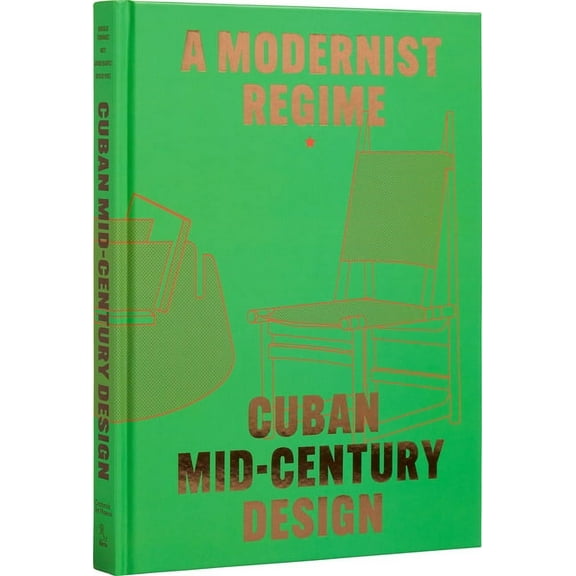 $5586current price $55.86
Cuban Mid-Century Design: A Modernist Regime, (Hardcover)
I am Cuba: Fidel Castro and the Cuban Revolution, (Hardcover) $27.99
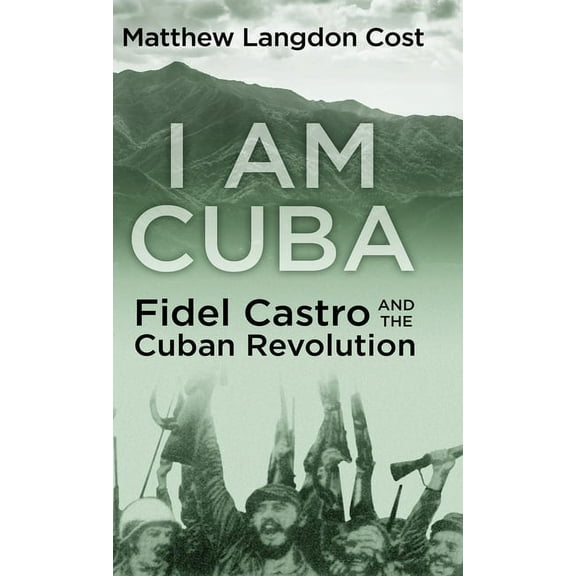 $2799current price $27.99
I am Cuba: Fidel Castro and the Cuban Revolution, (Hardcover)
Havana Modern: Critical Readings in Cuban Architecture, (Paperback) $20.80
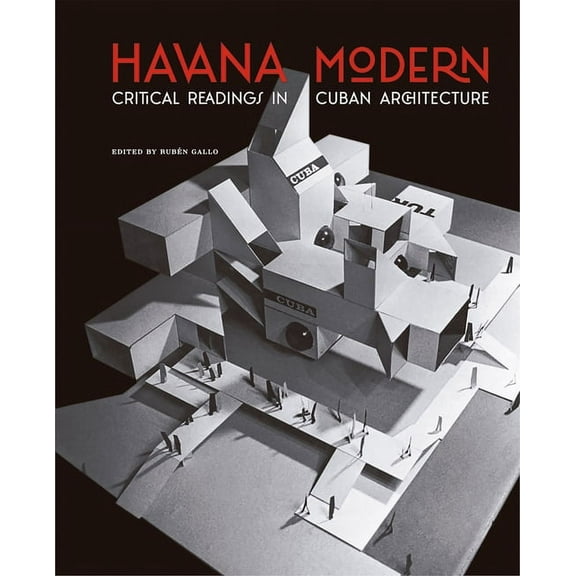 $2080current price $20.80
Havana Modern: Critical Readings in Cuban Architecture, (Paperback)
Eye of the Chickenhawk, (Hardcover) $31.96
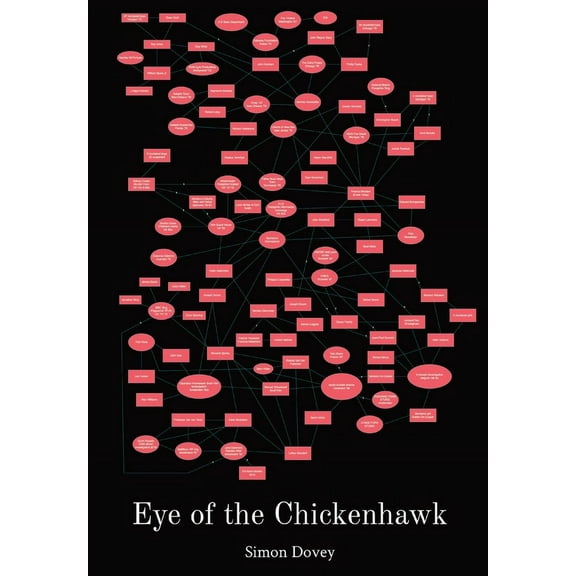 $3196current price $31.96
Eye of the Chickenhawk, (Hardcover)
15 out of 5 Stars. 1 reviewsPedro de Urdemalas, (Hardcover) $24.12
 $2412current price $24.12
Pedro de Urdemalas, (Hardcover)
Pre-Owned The Defense: A Novel (Eddie Flynn) (Hardcover) 1250082250 9781250082251 $14.90
 2 optionsAvailable in additional 2 options$1490current price $14.90
Pre-Owned The Defense: A Novel (Eddie Flynn) (Hardcover) 1250082250 9781250082251
Stalin's Apostles: The Cambridge Five and the Making of the Soviet Empire, (Hardcover) $32.00
 $3200current price $32.00
Stalin's Apostles: The Cambridge Five and the Making of the Soviet Empire, (Hardcover)
Anales De La Isla De Cuba : Diccionario Administrativo, Economico, Estadistico Y Legislativo. Año De 1855, Volume 1... (Hardcover) $44.95
 $4495current price $44.95
Anales De La Isla De Cuba : Diccionario Administrativo, Economico, Estadistico Y Legislativo. Año De 1855, Volume 1... (Hardcover)
Dangerous Moves : Performance and Politics in Cuba (Hardcover) $45.07
 $4507current price $45.07
Dangerous Moves : Performance and Politics in Cuba (Hardcover)
Customer ratings & reviews
0 ratings|0 reviews
This item does not have any reviews yet

Related pages
- Vienna Austria
- Austria Vienna
- Santo Domingo Maps
- Vienna German Austria
- September 1 1939 Poland
- Philippine Army
- Cuban History Books
- Russian & Former Soviet Union Art Books
- Pre-Columbian Era Latin American History Books
- Victorian Era Great Britain History Books
- Norman Conquest to Late Medieval Great Britain History Books
- Turkey & Ottoman Empire History Books