

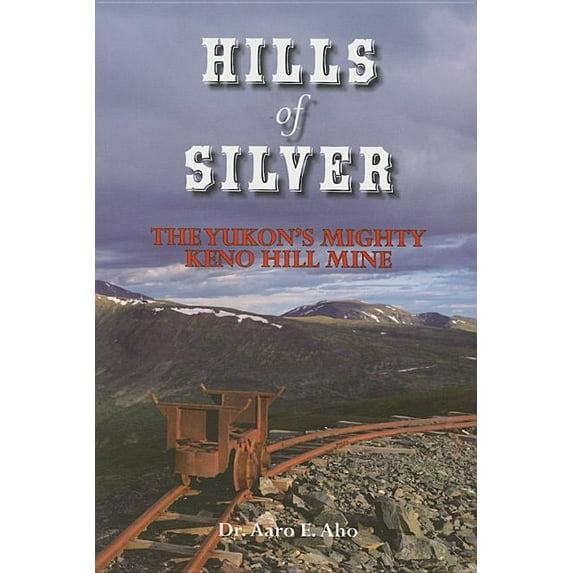
Hills of Silver : The Yukon's Mighty Keno Hill Mine (Paperback)
(No ratings yet)
Hills of Silver : The Yukon's Mighty Keno Hill Mine (Paperback)Hills of Silver The Yukon s Mighty Keno Hill Mine Paperback 9781550173949
Book Format:Paperback-Out of stock
Key item features
The Yukon is famous for its Klondike gold rush, but it was the site of another major mineral discovery in 1918 that touched off its own stampede of sourdoughs and eventually produced more paydirt than the Klondike. This was the fabulously rich Keno Hill silver deposit, which made the Yukon one of the world's leading silver producers and backstopped the territorial economy for decades.
And as the Klondike strike gave rise to the boom town of Dawson, the Keno strike fostered feisty Keno City, the last of the wild west mining towns: "Down in shacks by Lightning Creek, vintners and vendors of moonshine and the sporting girls catered to the miners on weekends amid scratching gramophone melodies. At that time Keno was a really lively town of 800 men, very few women and much hard drinking. Some of the boys had an old car called the Rum Runner that took cases of booze up to the camps every evening. At first both camps had the same second Sunday off but with two crews in, there was not enough of everything desirable to go around and a running donnybrook would break out. After a few wholesale brawls, which inevitably led to more drinking and absenteeism on Mondays, the companies alternated their Sundays off." At the top of the social order was the puritanical mine boss, Livingstone Wernecke, who never stopped inveighing against vice, "but Wernecke found that he did not run Keno; it ran itself."
The story of Keno's discovery, development and decline is one of the great adventures of the north, and it is told here by one of the Yukon's legendary mining personalities, Dr. Aaro Aho. Dr. Aho's authoritative voice on mining matters is nicely offset by his taste for juicy gossip, as he fills the book with delightful portraits of such characters as Arthur Hester (aka Whiskey Jack), a dishevelled former engraver to Queen Victoria of whom the Wernecke said, "Never give Hester anything but meat or grease or he will find some way of turning it into alcohol." Hester, who could dash off a passable likeness in trade for a drink no matter how drunk, kept well oiled nonetheless. Or Nora, the tough prostitute who went about town dressed in nothing but toenail paint. When a customer once asked why her foot was covered in blood she explained she had killed a rabbit for dinner by kicking it. Or Marie, a pretty young woman who did very well as a "girl on the line" bought two houses, started a restaurant and taxi business, but lost her mind and was seen wading through deep snow placing handfuls of jewellery in people's mail boxes before disappearing into the wilderness.
Aho extends his account to cover the mining history of the entire Stewart River basin, which in addition to its wealth of silver, was a major producer of lead, zinc and gold. Hills of Silver is not just the colourful story of Keno Hill, but an important addition to the history of Canadian mining.
And as the Klondike strike gave rise to the boom town of Dawson, the Keno strike fostered feisty Keno City, the last of the wild west mining towns: "Down in shacks by Lightning Creek, vintners and vendors of moonshine and the sporting girls catered to the miners on weekends amid scratching gramophone melodies. At that time Keno was a really lively town of 800 men, very few women and much hard drinking. Some of the boys had an old car called the Rum Runner that took cases of booze up to the camps every evening. At first both camps had the same second Sunday off but with two crews in, there was not enough of everything desirable to go around and a running donnybrook would break out. After a few wholesale brawls, which inevitably led to more drinking and absenteeism on Mondays, the companies alternated their Sundays off." At the top of the social order was the puritanical mine boss, Livingstone Wernecke, who never stopped inveighing against vice, "but Wernecke found that he did not run Keno; it ran itself."
The story of Keno's discovery, development and decline is one of the great adventures of the north, and it is told here by one of the Yukon's legendary mining personalities, Dr. Aaro Aho. Dr. Aho's authoritative voice on mining matters is nicely offset by his taste for juicy gossip, as he fills the book with delightful portraits of such characters as Arthur Hester (aka Whiskey Jack), a dishevelled former engraver to Queen Victoria of whom the Wernecke said, "Never give Hester anything but meat or grease or he will find some way of turning it into alcohol." Hester, who could dash off a passable likeness in trade for a drink no matter how drunk, kept well oiled nonetheless. Or Nora, the tough prostitute who went about town dressed in nothing but toenail paint. When a customer once asked why her foot was covered in blood she explained she had killed a rabbit for dinner by kicking it. Or Marie, a pretty young woman who did very well as a "girl on the line" bought two houses, started a restaurant and taxi business, but lost her mind and was seen wading through deep snow placing handfuls of jewellery in people's mail boxes before disappearing into the wilderness.
Aho extends his account to cover the mining history of the entire Stewart River basin, which in addition to its wealth of silver, was a major producer of lead, zinc and gold. Hills of Silver is not just the colourful story of Keno Hill, but an important addition to the history of Canadian mining.
Specs
- Book formatPaperback
- Fiction/nonfictionNon-Fiction
- GenreHistory
- Pub date2006-06-28
- Pages320
- Number in series1
Current price is USD$25.31
Price when purchased online
Out of stock
How do you want your item?
Out of stock
About this item
Product details
Keno City embraces more of the early-day spirit of the North country than any other spot in the North. Here is a glowing little city where miners and prospectors, visitors and transients alike, may have a taste of the typical life of a real frontier town.
--A.A. Gillespie, c. 1930 The Yukon is famous for its Klondike gold rush, but it was the site of another major mineral discovery in 1918 that touched off its own stampede of sourdoughs and eventually produced more paydirt than the Klondike. This was the fabulously rich Keno Hill silver deposit, which made the Yukon one of the world's leading silver producers and backstopped the territorial economy for decades.
And as the Klondike strike gave rise to the boom town of Dawson, the Keno strike fostered feisty Keno City, the last of the wild west mining towns: Down in shacks by Lightning Creek, vintners and vendors of moonshine and the sporting girls catered to the miners on weekends amid scratching gramophone melodies. At that time Keno was a really lively town of 800 men, very few women and much hard drinking. Some of the boys had an old car called the Rum Runner that took cases of booze up to the camps every evening. At first both camps had the same second Sunday off but with two crews in, there was not enough of everything desirable to go around and a running donnybrook would break out. After a few wholesale brawls, which inevitably led to more drinking and absenteeism on Mondays, the companies alternated their Sundays off. At the top of the social order was the puritanical mine boss, Livingstone Wernecke, who never stopped inveighing against vice, but Wernecke found that he did not run Keno; it ran itself.
The story of Keno's discovery, development and decline is one of the great adventures of the north, and it is told here by one of the Yukon's legendary mining personalities, Dr. Aaro Aho. Dr. Aho's authoritative voice on mining matters is nicely offset by his taste for juicy gossip, as he fills the book with delightful portraits of such characters as Arthur Hester (aka Whiskey Jack), a dishevelled former engraver to Queen Victoria of whom the Wernecke said, Never give Hester anything but meat or grease or he will find some way of turning it into alcohol. Hester, who could dash off a passable likeness in trade for a drink no matter how drunk, kept well oiled nonetheless. Or Nora, the tough prostitute who went about town dressed in nothing but toenail paint. When a customer once asked why her foot was covered in blood she explained she had killed a rabbit for dinner by kicking it. Or Marie, a pretty young woman who did very well as a girl on the line bought two houses, started a restaurant and taxi business, but lost her mind and was seen wading through deep snow placing handfuls of jewellery in people's mail boxes before disappearing into the wilderness.
Aho extends his account to cover the mining history of the entire Stewart River basin, which in addition to its wealth of silver, was a major producer of lead, zinc and gold. Hills of Silver is not just the colourful story of Keno Hill, but an important addition to the history of Canadian mining.
--A.A. Gillespie, c. 1930 The Yukon is famous for its Klondike gold rush, but it was the site of another major mineral discovery in 1918 that touched off its own stampede of sourdoughs and eventually produced more paydirt than the Klondike. This was the fabulously rich Keno Hill silver deposit, which made the Yukon one of the world's leading silver producers and backstopped the territorial economy for decades.
And as the Klondike strike gave rise to the boom town of Dawson, the Keno strike fostered feisty Keno City, the last of the wild west mining towns: Down in shacks by Lightning Creek, vintners and vendors of moonshine and the sporting girls catered to the miners on weekends amid scratching gramophone melodies. At that time Keno was a really lively town of 800 men, very few women and much hard drinking. Some of the boys had an old car called the Rum Runner that took cases of booze up to the camps every evening. At first both camps had the same second Sunday off but with two crews in, there was not enough of everything desirable to go around and a running donnybrook would break out. After a few wholesale brawls, which inevitably led to more drinking and absenteeism on Mondays, the companies alternated their Sundays off. At the top of the social order was the puritanical mine boss, Livingstone Wernecke, who never stopped inveighing against vice, but Wernecke found that he did not run Keno; it ran itself.
The story of Keno's discovery, development and decline is one of the great adventures of the north, and it is told here by one of the Yukon's legendary mining personalities, Dr. Aaro Aho. Dr. Aho's authoritative voice on mining matters is nicely offset by his taste for juicy gossip, as he fills the book with delightful portraits of such characters as Arthur Hester (aka Whiskey Jack), a dishevelled former engraver to Queen Victoria of whom the Wernecke said, Never give Hester anything but meat or grease or he will find some way of turning it into alcohol. Hester, who could dash off a passable likeness in trade for a drink no matter how drunk, kept well oiled nonetheless. Or Nora, the tough prostitute who went about town dressed in nothing but toenail paint. When a customer once asked why her foot was covered in blood she explained she had killed a rabbit for dinner by kicking it. Or Marie, a pretty young woman who did very well as a girl on the line bought two houses, started a restaurant and taxi business, but lost her mind and was seen wading through deep snow placing handfuls of jewellery in people's mail boxes before disappearing into the wilderness.
Aho extends his account to cover the mining history of the entire Stewart River basin, which in addition to its wealth of silver, was a major producer of lead, zinc and gold. Hills of Silver is not just the colourful story of Keno Hill, but an important addition to the history of Canadian mining.
The Yukon is famous for its Klondike gold rush, but it was the site of another major mineral discovery in 1918 that touched off its own stampede of sourdoughs and eventually produced more paydirt than the Klondike. This was the fabulously rich Keno Hill silver deposit, which made the Yukon one of the world's leading silver producers and backstopped the territorial economy for decades.
And as the Klondike strike gave rise to the boom town of Dawson, the Keno strike fostered feisty Keno City, the last of the wild west mining towns: "Down in shacks by Lightning Creek, vintners and vendors of moonshine and the sporting girls catered to the miners on weekends amid scratching gramophone melodies. At that time Keno was a really lively town of 800 men, very few women and much hard drinking. Some of the boys had an old car called the Rum Runner that took cases of booze up to the camps every evening. At first both camps had the same second Sunday off but with two crews in, there was not enough of everything desirable to go around and a running donnybrook would break out. After a few wholesale brawls, which inevitably led to more drinking and absenteeism on Mondays, the companies alternated their Sundays off." At the top of the social order was the puritanical mine boss, Livingstone Wernecke, who never stopped inveighing against vice, "but Wernecke found that he did not run Keno; it ran itself."
The story of Keno's discovery, development and decline is one of the great adventures of the north, and it is told here by one of the Yukon's legendary mining personalities, Dr. Aaro Aho. Dr. Aho's authoritative voice on mining matters is nicely offset by his taste for juicy gossip, as he fills the book with delightful portraits of such characters as Arthur Hester (aka Whiskey Jack), a dishevelled former engraver to Queen Victoria of whom the Wernecke said, "Never give Hester anything but meat or grease or he will find some way of turning it into alcohol." Hester, who could dash off a passable likeness in trade for a drink no matter how drunk, kept well oiled nonetheless. Or Nora, the tough prostitute who went about town dressed in nothing but toenail paint. When a customer once asked why her foot was covered in blood she explained she had killed a rabbit for dinner by kicking it. Or Marie, a pretty young woman who did very well as a "girl on the line" bought two houses, started a restaurant and taxi business, but lost her mind and was seen wading through deep snow placing handfuls of jewellery in people's mail boxes before disappearing into the wilderness.
Aho extends his account to cover the mining history of the entire Stewart River basin, which in addition to its wealth of silver, was a major producer of lead, zinc and gold. Hills of Silver is not just the colourful story of Keno Hill, but an important addition to the history of Canadian mining.
And as the Klondike strike gave rise to the boom town of Dawson, the Keno strike fostered feisty Keno City, the last of the wild west mining towns: "Down in shacks by Lightning Creek, vintners and vendors of moonshine and the sporting girls catered to the miners on weekends amid scratching gramophone melodies. At that time Keno was a really lively town of 800 men, very few women and much hard drinking. Some of the boys had an old car called the Rum Runner that took cases of booze up to the camps every evening. At first both camps had the same second Sunday off but with two crews in, there was not enough of everything desirable to go around and a running donnybrook would break out. After a few wholesale brawls, which inevitably led to more drinking and absenteeism on Mondays, the companies alternated their Sundays off." At the top of the social order was the puritanical mine boss, Livingstone Wernecke, who never stopped inveighing against vice, "but Wernecke found that he did not run Keno; it ran itself."
The story of Keno's discovery, development and decline is one of the great adventures of the north, and it is told here by one of the Yukon's legendary mining personalities, Dr. Aaro Aho. Dr. Aho's authoritative voice on mining matters is nicely offset by his taste for juicy gossip, as he fills the book with delightful portraits of such characters as Arthur Hester (aka Whiskey Jack), a dishevelled former engraver to Queen Victoria of whom the Wernecke said, "Never give Hester anything but meat or grease or he will find some way of turning it into alcohol." Hester, who could dash off a passable likeness in trade for a drink no matter how drunk, kept well oiled nonetheless. Or Nora, the tough prostitute who went about town dressed in nothing but toenail paint. When a customer once asked why her foot was covered in blood she explained she had killed a rabbit for dinner by kicking it. Or Marie, a pretty young woman who did very well as a "girl on the line" bought two houses, started a restaurant and taxi business, but lost her mind and was seen wading through deep snow placing handfuls of jewellery in people's mail boxes before disappearing into the wilderness.
Aho extends his account to cover the mining history of the entire Stewart River basin, which in addition to its wealth of silver, was a major producer of lead, zinc and gold. Hills of Silver is not just the colourful story of Keno Hill, but an important addition to the history of Canadian mining.
info:
We aim to show you accurate product information. Manufacturers, suppliers and others provide what you see here, and we have not verified it.
Specifications
Book format
Paperback
Fiction/nonfiction
Non-Fiction
Genre
History
Pub date
2006-06-28
Warranty
Warranty information
Please be aware that the warranty terms on items offered for sale by third party Marketplace sellers may differ from those displayed in this section (if any). To confirm warranty terms on an item offered for sale by a third party Marketplace seller, please use the 'Contact seller' feature on the third party Marketplace seller's information page and request the item's warranty terms prior to purchase.
Similar items you might like
Based on what customers bought
Books about Tulsa Tulsa Baseball History 2025 Edition, Book 4, (Paperback) $25.00
 $2500current price $25.00
Books about Tulsa Tulsa Baseball History 2025 Edition, Book 4, (Paperback)
The Untamed : Range Life in the Southwest (Paperback) $22.95
 $2295current price $22.95
The Untamed : Range Life in the Southwest (Paperback)
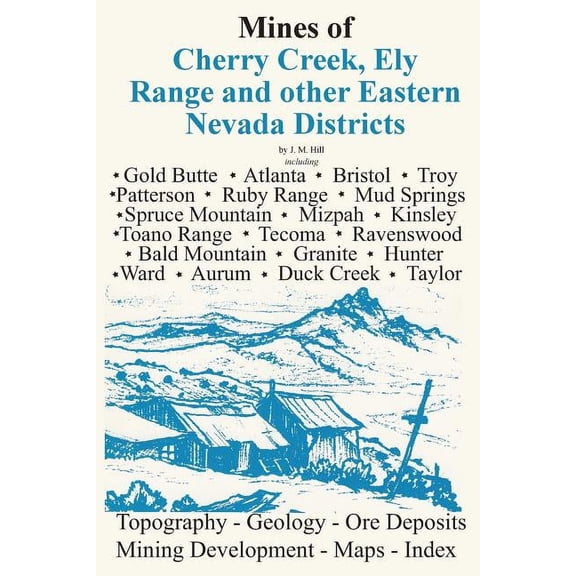
Mines of Eastern Nevada (Paperback) $17.95
 $1795current price $17.95
Mines of Eastern Nevada (Paperback)
Best seller The Psychology of Money: Timeless Lessons on Wealth, Greed, and Happiness (Paperback) $10.99 Was $14.99
Best seller $1099current price $10.99, Was $14.99$14.99
The Psychology of Money: Timeless Lessons on Wealth, Greed, and Happiness (Paperback)
1374.5 out of 5 Stars. 137 reviewsThe Jailhouse Financial Playbook, (Paperback) $19.99
 $1999current price $19.99
The Jailhouse Financial Playbook, (Paperback)
Digging Gold Among the Rockies, (Paperback) $25.68
 $2568current price $25.68
Digging Gold Among the Rockies, (Paperback)
Hill's Ups and Downs, (Paperback) $23.81
 $2381current price $23.81
Hill's Ups and Downs, (Paperback)
The Quarry Fox: And Other Critters of the Wild Catskills, (Paperback) $20.00
 $2000current price $20.00
The Quarry Fox: And Other Critters of the Wild Catskills, (Paperback)
Short Grass Country (Paperback) $23.95
 $2395current price $23.95
Short Grass Country (Paperback)
The Hatchet, (Paperback) $23.95
 $2395current price $23.95
The Hatchet, (Paperback)
Greene County coal book and purchasers' official guide, (Paperback) $19.58 Was $23.53
 $1958current price $19.58, Was $23.53$23.53
Greene County coal book and purchasers' official guide, (Paperback)
Think Your Way to Wealth (Original Classic Editon), (Paperback) $25.30
 $2530current price $25.30
Think Your Way to Wealth (Original Classic Editon), (Paperback)
The Low Road: Walking the Walk for Veterans, (Paperback) $26.39
 $2639current price $26.39
The Low Road: Walking the Walk for Veterans, (Paperback)
Prairie Smoke, a Collection of Lore of the Prairies, (Paperback) $18.01
 $1801current price $18.01
Prairie Smoke, a Collection of Lore of the Prairies, (Paperback)
The Allure and Peril of the Appalachian Trail, (Paperback) $16.87 Was $19.95
 $1687current price $16.87, Was $19.95$19.95
The Allure and Peril of the Appalachian Trail, (Paperback)
The A.M.C. White Mountain Guide (Paperback) $21.59
 $2159current price $21.59
The A.M.C. White Mountain Guide (Paperback)
Hastain'S Township Plats Of The Creek Nation, (Paperback) $22.87
 $2287current price $22.87
Hastain'S Township Plats Of The Creek Nation, (Paperback)
Mountain Time: A Field Guide to Astonishment, (Paperback) $18.90
 $1890current price $18.90
Mountain Time: A Field Guide to Astonishment, (Paperback)
Mineral Resources of the Waynesboro Quadrangle, Tennessee (Paperback) $21.59
 $2159current price $21.59
Mineral Resources of the Waynesboro Quadrangle, Tennessee (Paperback)
Customer ratings & reviews
0 ratings|0 reviews
This item does not have any reviews yet
