


Hero image 0 of Perfidious Albion : The Story of Stendhal and British Culture (Hardcover), 0 of 1
Perfidious Albion : The Story of Stendhal and British Culture (Hardcover)
(No ratings yet)
Key item features
"What to make of the British?" is a question that puzzled Stendhal throughout his whole life. In this new work, which is both a biography and an exercise in cultural history, David Ellis brings to bear on the issues it raises much new and unfamiliar information. Italy is the foreign country with which Stendhal is most commonly associated. The multiplicity of his Italian connections makes it less surprising that so much has been written about them, and so comparatively little about his consuming interest in British culture. Yet this book makes a strong case for believing that Britain mattered just as much to him, if not often more, than Italy, especially as far as his interest in literature and politics is concerned. In these days when Anglo-French relations are about to enter a new phase, much of what is discussed here remains surprisingly relevant. After the fall of Napoleon, and the restoration of British links with the European continent, Stendhal was by no means the only French writer who was anxious to know more about this comparatively small island which had emerged victorious from more than twenty years of warfare. How had the wealth that had financed so many alliances against the French Empire been generated and what were the consequences of rapid industrialisation on the country’s social fabric? More importantly, how had it managed to be so effective and influential when power was not in the hands of a single authority but divided between a king and two houses of parliament? These were questions which Stendhal felt were highly relevant, not only to the political future of his own country but also to Europe in general. As a writer, he was however also fascinated by Britain’s literature, both of the past and present. From the beginning of his literary education, Shakespeare struck him as the most impressive dramatist he had ever read and when he himself made a modest entry on the literary scene, after Waterloo, the most famous poet in Europe was Byron. Among many other matters, Ellis examines the significance of Stendhal’s meeting with Byron and the impact on him of the novels of Scott, at a time when these two writers were dominating the European scene. He describes the efforts Stendhal made to learn enough English to be able to read in the original, not only both of these contemporary writers but Shakespeare, Fielding as well as many other British authors from the past. He shows how the political ideas about Britain which Stendhal had developed during the years of separation were modified by personal contacts, new reading and the three trips he made across the Channel in the 1820s. That was the decade when he was also writing hundreds of articles for publication in London journals and it is in these years especially that Stendhal’s own literary development is intertwined with his numerous British contacts (who include Hazlitt). At the end of his book, Ellis reflects on how far the relationship was reciprocal. That is to say that it is one thing to investigate what Stendhal thought of the British as well as what he might have gained from them, which is the major part of this study; and another to wonder what they could gain from him.
Specs
- Book formatHardcover
- Fiction/nonfictionNon-Fiction
- GenreLiterature & Fiction
- Publication dateMarch, 2018
- Pages1
- EditionStandard Edition
Current price is USD$86.85
Price when purchased online
 Free 30-day returns
How do you want your item?
Columbus, 43215
Arrives by Tue, Apr 28
|Shipping fee $7.98

Sold and shipped by Best Prices & Service
4.3625 stars out of 5, based on 240 seller reviews(4.4)240 seller reviews

Free 30-day returns
About this item
Product details
"What to make of the British?" is a question that puzzled Stendhal throughout his whole life. In this new work, which is both a biography and an exercise in cultural history, David Ellis brings to bear on the issues it raises much new and unfamiliar information.
"What to make of the British?" is a question that puzzled Stendhal throughout his whole life. In this new work, which is both a biography and an exercise in cultural history, David Ellis brings to bear on the issues it raises much new and unfamiliar information. Italy is the foreign country with which Stendhal is most commonly associated. The multiplicity of his Italian connections makes it less surprising that so much has been written about them, and so comparatively little about his consuming interest in British culture. Yet this book makes a strong case for believing that Britain mattered just as much to him, if not often more, than Italy, especially as far as his interest in literature and politics is concerned. In these days when Anglo-French relations are about to enter a new phase, much of what is discussed here remains surprisingly relevant. After the fall of Napoleon, and the restoration of British links with the European continent, Stendhal was by no means the only French writer who was anxious to know more about this comparatively small island which had emerged victorious from more than twenty years of warfare. How had the wealth that had financed so many alliances against the French Empire been generated and what were the consequences of rapid industrialisation on the country’s social fabric? More importantly, how had it managed to be so effective and influential when power was not in the hands of a single authority but divided between a king and two houses of parliament? These were questions which Stendhal felt were highly relevant, not only to the political future of his own country but also to Europe in general. As a writer, he was however also fascinated by Britain’s literature, both of the past and present. From the beginning of his literary education, Shakespeare struck him as the most impressive dramatist he had ever read and when he himself made a modest entry on the literary scene, after Waterloo, the most famous poet in Europe was Byron. Among many other matters, Ellis examines the significance of Stendhal’s meeting with Byron and the impact on him of the novels of Scott, at a time when these two writers were dominating the European scene. He describes the efforts Stendhal made to learn enough English to be able to read in the original, not only both of these contemporary writers but Shakespeare, Fielding as well as many other British authors from the past. He shows how the political ideas about Britain which Stendhal had developed during the years of separation were modified by personal contacts, new reading and the three trips he made across the Channel in the 1820s. That was the decade when he was also writing hundreds of articles for publication in London journals and it is in these years especially that Stendhal’s own literary development is intertwined with his numerous British contacts (who include Hazlitt). At the end of his book, Ellis reflects on how far the relationship was reciprocal. That is to say that it is one thing to investigate what Stendhal thought of the British as well as what he might have gained from them, which is the major part of this study; and another to wonder what they could gain from him.
info:
We aim to show you accurate product information. Manufacturers, suppliers and others provide what you see here, and we have not verified it.
Specifications
Book format
Hardcover
Fiction/nonfiction
Non-Fiction
Genre
Literature & Fiction
Publication date
March, 2018
Warranty
Warranty information
Please be aware that the warranty terms on items offered for sale by third party Marketplace sellers may differ from those displayed in this section (if any). To confirm warranty terms on an item offered for sale by a third party Marketplace seller, please use the 'Contact seller' feature on the third party Marketplace seller's information page and request the item's warranty terms prior to purchase.
Similar items you might like
Based on what customers bought
Best seller Hope Rises (Hardcover) $19.00
Best seller $1900current price $19.00
Hope Rises (Hardcover)
25 out of 5 Stars. 2 reviewsKeep Them Close, (Hardcover) $30.00
 $3000current price $30.00
Keep Them Close, (Hardcover)
Studies in Eighteenth-Century Culture, (Hardcover) $65.16
 $6516current price $65.16
Studies in Eighteenth-Century Culture, (Hardcover)
The Legacies of Modernism, (Hardcover) $73.99 Was $93.82
 $7399current price $73.99, Was $93.82$93.82
The Legacies of Modernism, (Hardcover)
The Best Lies, (Hardcover) $39.60
 $3960current price $39.60
The Best Lies, (Hardcover)
Great War Prostheses in American Literature and Culture, (Hardcover) $56.54
 $5654current price $56.54
Great War Prostheses in American Literature and Culture, (Hardcover)
British Playwrights, 1956-1995: A Research and Production Sourcebook, (Hardcover) $101.11
 $10111current price $101.11
British Playwrights, 1956-1995: A Research and Production Sourcebook, (Hardcover)
Ruskin, the Theatre and Victorian Visual Culture, (Hardcover) $56.14
 $5614current price $56.14
Ruskin, the Theatre and Victorian Visual Culture, (Hardcover)
Finnegans Wake - Human and Nonhuman Histories, (Hardcover) $145.66
 $14566current price $145.66
Finnegans Wake - Human and Nonhuman Histories, (Hardcover)
Fabricating the Antique : Neoclassicism in Britain, 1760-1800 (Hardcover) $84.13
 $8413current price $84.13
Fabricating the Antique : Neoclassicism in Britain, 1760-1800 (Hardcover)
Imagining the Dead in British Literature and Culture, 1790-1848, (Hardcover) $75.08
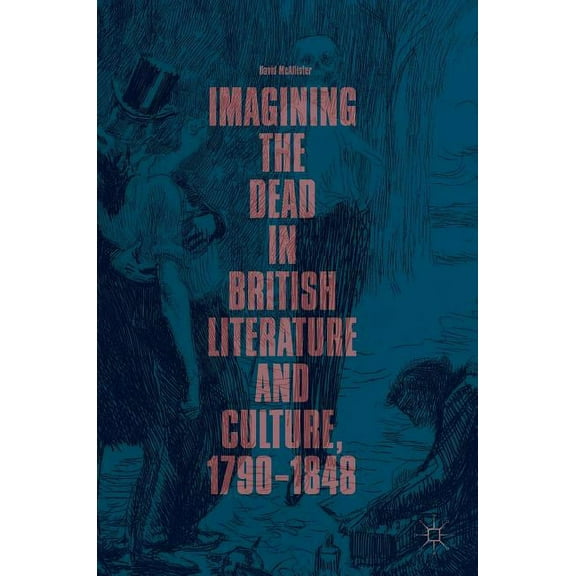 $7508current price $75.08
Imagining the Dead in British Literature and Culture, 1790-1848, (Hardcover)
The Historian, (Paperback) $4.78 Was $5.50
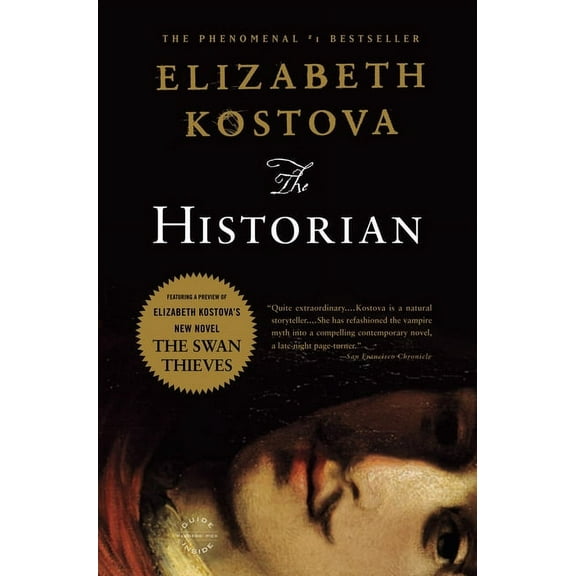 $478current price $4.78, Was $5.50$5.50
The Historian, (Paperback)
4133.6 out of 5 Stars. 413 reviewsA Cultural History of the American Novel, 1890 1940: Henry James to William Faulkner, (Paperback) $70.77
 $7077current price $70.77
A Cultural History of the American Novel, 1890 1940: Henry James to William Faulkner, (Paperback)
The Seduction Narrative in Britain, 1747 - 1800, (Hardcover) $70.11
 $7011current price $70.11
The Seduction Narrative in Britain, 1747 - 1800, (Hardcover)
Cafae Latte Heart of Iron, Book 1, (Hardcover) $33.76
 $3376current price $33.76
Cafae Latte Heart of Iron, Book 1, (Hardcover)
15 out of 5 Stars. 1 reviewsDavid Ricci: Hunter Gatherer: Salvaged Stories of American Culture, (Hardcover) $59.69
 $5969current price $59.69
David Ricci: Hunter Gatherer: Salvaged Stories of American Culture, (Hardcover)
The Three Musketeers, (Paperback) $18.95
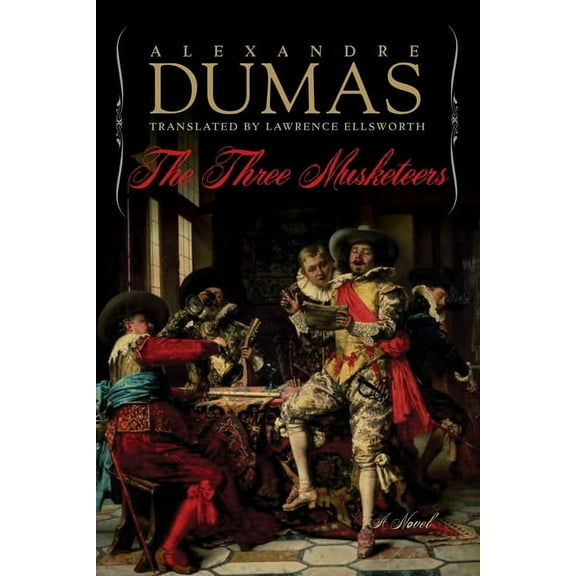 $1895current price $18.95
The Three Musketeers, (Paperback)
25 out of 5 Stars. 2 reviewsAnthem Nineteenth-Century Outsiders Looking in: The Rossettis Then and Now, (Hardcover) $92.53
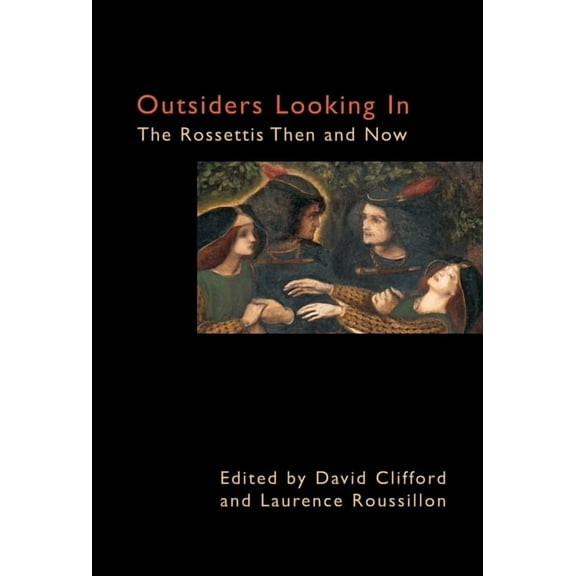 $9253current price $92.53
Anthem Nineteenth-Century Outsiders Looking in: The Rossettis Then and Now, (Hardcover)
Milton Reinvented: Cultural Reception in 19th-Century America and 'Our Day', (Hardcover) $150.75
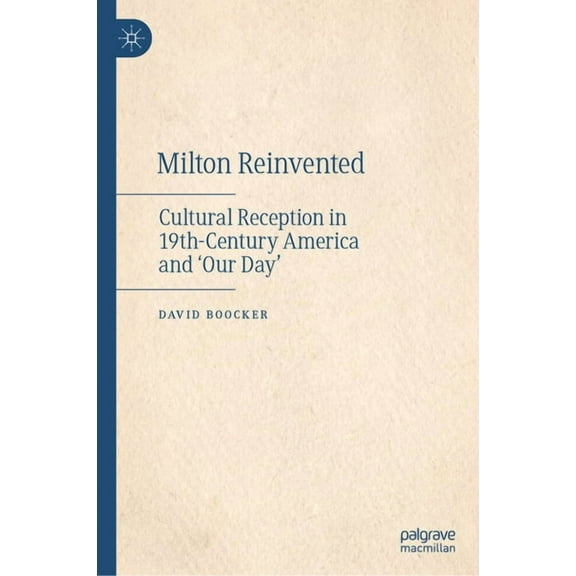 $15075current price $150.75
Milton Reinvented: Cultural Reception in 19th-Century America and 'Our Day', (Hardcover)
Eighteenth-Century Letters and British Culture, (Hardcover) $89.00
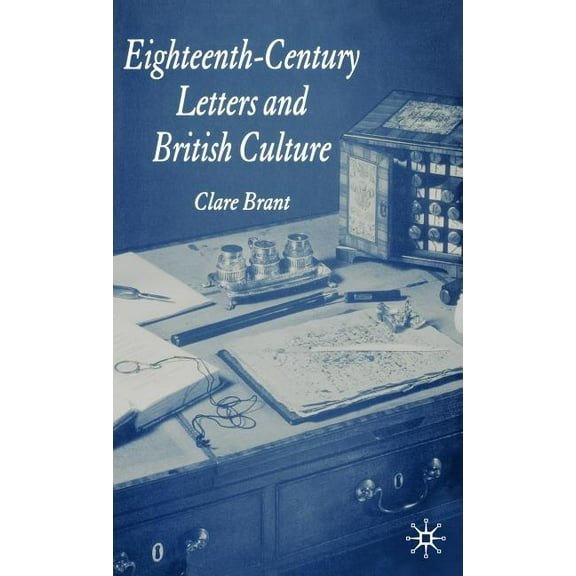 $8900current price $89.00
Eighteenth-Century Letters and British Culture, (Hardcover)
Customer ratings & reviews
0 ratings|0 reviews
This item does not have any reviews yet

Related pages
- Ancient Underwater City
- Best Sellers In Prehistory
- Alveolar Structure
- Liquid Transport
- Esophagus
- Earthbound Guide Book
- Middle East Historical Teen & Young Adult Books
- Renaissance History Kids' Books
- Enology & Viticulture Books
- Ancient Civilizations Historical Teen & Young Adult Books
- Middle East People & Places Teen & Young Adult Books
- Ship Repair & Maintenance Books