


The Future without a Past : The Humanities in a Technological Society (Hardcover)
(No ratings yet)
Key item features
In The Future without a Past, John Paul Russo goes beyond currently given reasons for the decline of the humanities and searches out its root causes in the technologization of everyday life. His main premise is that we are undergoing a transformation at the hands of technological imperatives such as rationalization, universalism, monism, and autonomy. The relation between ourselves and nature has altered to such a degree that we no longer live in a natural environment but in a technological one. According to Russo, technological values have actually eroded human values instead of being “humanized” by them.
What are the implications of this shift for the humanities, traditionally seen as safeguards of the human? Russo addresses this question by situating the decline of the humanities within the larger social and historical panorama. He explores how technological values have infiltrated the humanities to the point of weakening their instruction and undermining their force; at the same time, he shows how the humanities have confronted these trends and can continue to do so. Russo believes that if we understand how technology “works” and the nature of its powers, we will then know in which realms it must be accepted and where it should be resisted.
Russo outlines the components of the technological system and examines their impact on the educational system. He also discusses the loss of historical memory, including the so-called loss of the self and the transformation of the library. He studies the parallels between technological and literary values in criticism and theory, concluding with an analysis of the fiction of Don DeLillo, one of the most prominent contemporary novelists. DeLillo’s exploration of technology in American life, matched by a powerful critique of it from a broadly humanistic and religious perspective, serves to summarize the themes of the book as a whole.
The Future without a Past will appeal to scholars and students of literary studies, intellectual and cultural history, philosophy, ethics, media studies, and American studies, as well as to general readers who are seeking deeper insights into today’s cultural debates.
Specs
- Book formatHardcover
- Fiction/nonfictionNon-Fiction
- Publication dateJune, 2005
- Pages328
- Age range18 - 100 Years
- Number in series1
Current price is USD$45.04
Price when purchased online
Out of stock
How do you want your item?
Out of stock
About this item
Product details
In The Future without a Past, John Paul Russo goes beyond currently given reasons for the decline of the humanities and searches out its root causes in the technologization of everyday life. His main premise is that we are undergoing a transformation at the hands of technological imperatives such as rationalization, universalism, monism, and autonomy. The relation between ourselves and nature has altered to such a degree that we no longer live in a natural environment but in a technological one. According to Russo, technological values have actually eroded human values instead of being "humanized" by them. What are the implications of this shift for the humanities, traditionally seen as safeguards of the human? Russo addresses this question by situating the decline of the humanities within the larger social and historical panorama. He explores how technological values have infiltrated the humanities to the point of weakening their instruction and undermining their force; at the same time, he shows how the humanities have confronted these trends and can continue to do so. Russo believes that if we understand how technology "works" and the nature of its powers, we will then know in which realms it must be accepted and where it should be resisted. Russo outlines the components of the technological system and examines their impact on the educational system. He also discusses the loss of historical memory, including the so-called loss of the self and the transformation of the library. He studies the parallels between technological and literary values in criticism and theory, concluding with an analysis of the fiction of Don DeLillo, one of the most prominent contemporary novelists. DeLillo's exploration of technology in American life, matched by a powerful critique of it from a broadly humanistic and religious perspective, serves to summarize the themes of the book as a whole. The Future without a Past will appeal to scholars and students of literary studies, intellectual and cultural history, philosophy, ethics, media studies, and American studies, as well as to general readers who are seeking deeper insights into today's cultural debates.
In The Future without a Past, John Paul Russo goes beyond currently given reasons for the decline of the humanities and searches out its root causes in the technologization of everyday life. His main premise is that we are undergoing a transformation at the hands of technological imperatives such as rationalization, universalism, monism, and autonomy. The relation between ourselves and nature has altered to such a degree that we no longer live in a natural environment but in a technological one. According to Russo, technological values have actually eroded human values instead of being “humanized” by them.
What are the implications of this shift for the humanities, traditionally seen as safeguards of the human? Russo addresses this question by situating the decline of the humanities within the larger social and historical panorama. He explores how technological values have infiltrated the humanities to the point of weakening their instruction and undermining their force; at the same time, he shows how the humanities have confronted these trends and can continue to do so. Russo believes that if we understand how technology “works” and the nature of its powers, we will then know in which realms it must be accepted and where it should be resisted.
Russo outlines the components of the technological system and examines their impact on the educational system. He also discusses the loss of historical memory, including the so-called loss of the self and the transformation of the library. He studies the parallels between technological and literary values in criticism and theory, concluding with an analysis of the fiction of Don DeLillo, one of the most prominent contemporary novelists. DeLillo’s exploration of technology in American life, matched by a powerful critique of it from a broadly humanistic and religious perspective, serves to summarize the themes of the book as a whole.
The Future without a Past will appeal to scholars and students of literary studies, intellectual and cultural history, philosophy, ethics, media studies, and American studies, as well as to general readers who are seeking deeper insights into today’s cultural debates.
info:
We aim to show you accurate product information. Manufacturers, suppliers and others provide what you see here, and we have not verified it.
Specifications
Book format
Hardcover
Fiction/nonfiction
Non-Fiction
Genre
Philosophy/History & Surveys - Modern
Publication date
June, 2005
Warranty
Warranty information
Please be aware that the warranty terms on items offered for sale by third party Marketplace sellers may differ from those displayed in this section (if any). To confirm warranty terms on an item offered for sale by a third party Marketplace seller, please use the 'Contact seller' feature on the third party Marketplace seller's information page and request the item's warranty terms prior to purchase.
Similar items you might like
Based on what customers bought
The Invisible Weapon: Telecommunications and International Politics, 1851-1945, (Paperback) $44.70
 $4470current price $44.70
The Invisible Weapon: Telecommunications and International Politics, 1851-1945, (Paperback)
The American Revolution and the Fate of the World, (Hardcover) $21.57
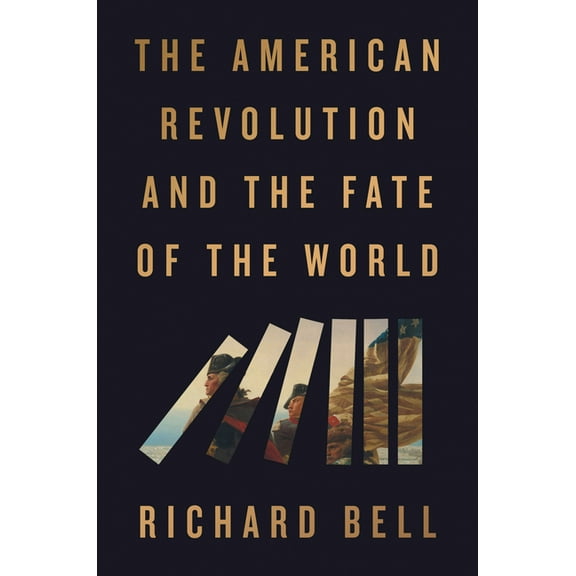 $2157current price $21.57
The American Revolution and the Fate of the World, (Hardcover)
William Dean Howells : A Writer’s Life (Edition 1) (Hardcover) $44.49
 $4449current price $44.49
William Dean Howells : A Writer’s Life (Edition 1) (Hardcover)
The Sociologist and the Historian, (Paperback) $13.84
 $1384current price $13.84
The Sociologist and the Historian, (Paperback)
Seeds of the Sixties, (Paperback) $40.94
 $4094current price $40.94
Seeds of the Sixties, (Paperback)
Human Societies SG, (Paperback) $48.17
 $4817current price $48.17
Human Societies SG, (Paperback)
The Society of Equals, (Hardcover) $44.00
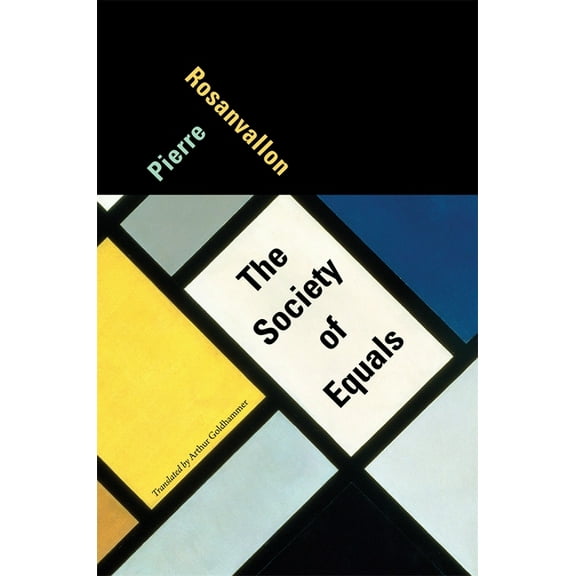 $4400current price $44.00
The Society of Equals, (Hardcover)
The Will of the People (Hardcover) $40.79
 $4079current price $40.79
The Will of the People (Hardcover)
The Icarus Question: Essays on Science, Technology, and the Search for Home in a Changing World, (Hardcover) $22.66 Was $25.99
 $2266current price $22.66, Was $25.99$25.99
The Icarus Question: Essays on Science, Technology, and the Search for Home in a Changing World, (Hardcover)
World Cities in a World-System, (Paperback) $50.12
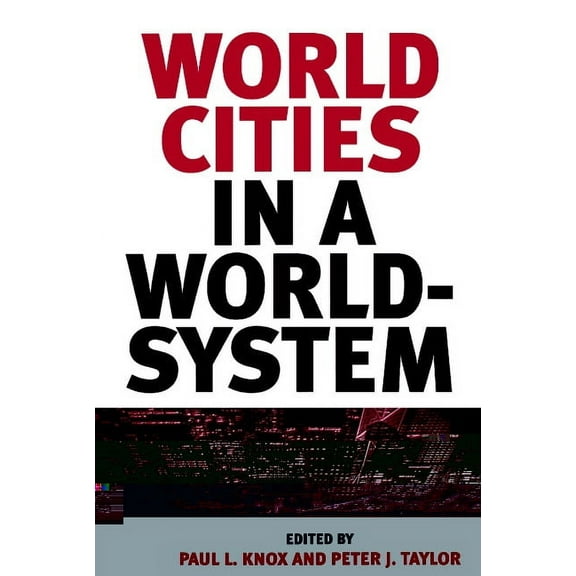 $5012current price $50.12
World Cities in a World-System, (Paperback)
Internet Revolution in the Sciences and Humanities, (Paperback) $41.71
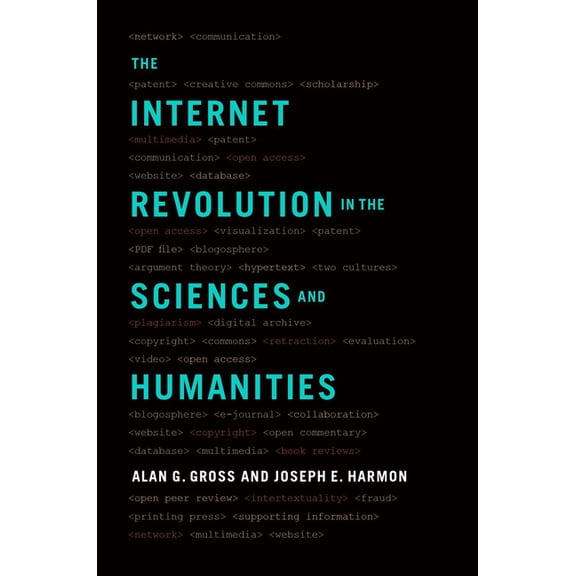 $4171current price $41.71
Internet Revolution in the Sciences and Humanities, (Paperback)
Man and Technology: How Humanity Thrives in a Changing World, (Hardcover) $51.20
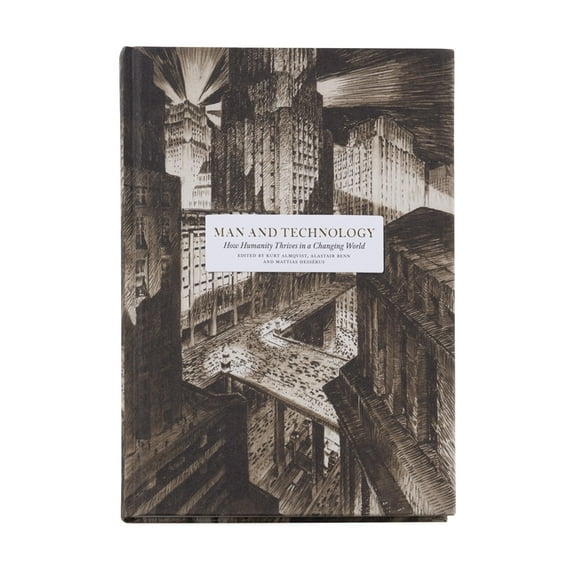 $5120current price $51.20
Man and Technology: How Humanity Thrives in a Changing World, (Hardcover)
The Sociologist and the Historian (Hardcover) $46.06
$4606current price $46.06The Sociologist and the Historian (Hardcover)
Sciences Sociales: L'Anarchie Dans Le Monde Moderne (Paperback) $32.88
 $3288current price $32.88
Sciences Sociales: L'Anarchie Dans Le Monde Moderne (Paperback)
Unmasking the Social Engineer: The Human Element of Security, (Paperback) $28.65
 $2865current price $28.65
Unmasking the Social Engineer: The Human Element of Security, (Paperback)
Historical Perspectives on Climate Change, (Hardcover) $161.63
 $16163current price $161.63
Historical Perspectives on Climate Change, (Hardcover)
Customer ratings & reviews
0 ratings|0 reviews
This item does not have any reviews yet
