

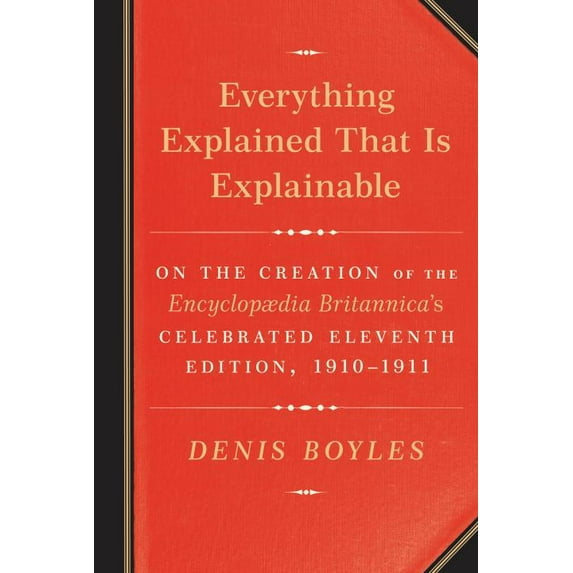
Everything Explained That Is Explainable : On the Creation of the Encyclopaedia Britannica's Celebrated Eleventh Edition, 1910-1911 (Hardcover)
(No ratings yet)
Key item features
The publication of the Eleventh Edition of the Encyclopædia Britannica in 1911 marked the last stand of the Enlightenment and a turbulent end to an era. The Eleventh Edition summed up the high point of optimism and belief in human progress that dominated Anglo-Saxon thought from the time of the Enlightenment.
Eagerly embraced by hundreds of thousands of middle-class Americans, the Eleventh Edition was read as a twenty-nine-volume anthology of some of the best essays written in English. Among the names of those who contributed to its volumes: T. H. Huxley, Algernon Swinburne, Bertrand Russell; it was the work of 1,500 eminent contributors and was edited by Hugh Chisholm, charismatic star editor.
The Britannica combined scholarship and readability in a way no previous encyclopedia had or ever has again. Within less than a decade after its publication, the Edwardian worldview was at an end: the “unsinkable” White Star Titanic had sunk on its maiden voyage; Archduke Franz Ferdinand was assassinated and the Great War had begun.
In Everything Explained That Is Explainable, Denis Boyles tells the audacious, improbable story of twentieth-century American hucksterism and vision that resurrected a dying Encyclopædia Britannica by means of a floundering London Times, and writes of how its astonishing success changed publishing and produced the Britannica’s Eleventh Edition, still the most revered—all 44 million words—of English-language encyclopedias, considered by many to be the last great work of the age of reason.
The author writes of the man whose inspiration it was: Horace Everett Hooper, American entrepreneur who stumbled into the book business at sixteen on a hunch that he could make money selling inexpensive editions of classics by direct mail to isolated settlers scattered across the American West. Hooper found an outdated set of reference books gathering dust in a warehouse, bought them for almost nothing, repackaged them, and sold them on credit as “one-shelf libraries” to farmers concerned about their children’s education in frontier schools; his Western Book and Stationery Company became one of the largest publishers in the Midwest, sending books directly to readers, bypassing traditional booksellers, and inventing a model that was forever after emulated . . .
Boyles writes that Hooper and his partner, Henry Haxton, a former Hearst reporter and ingenious adman, came across the Encyclopædia Britannica, published by Adam & Charles Black, whose Ninth Edition’s final volume, published in 1890, was seen by many as the height of English intellectual achievement. The Ninth had everything an encyclopedia needed. Except readers.
Hooper and Haxton came up with a new market for the encyclopedia’s next two editions, which they planned to produce, and approached the then-struggling London Times, which became their publishing partner.
Boyles tells the outlandish, bumpy tale of the making of the Eleventh; of the young staff of university graduates working with fanatical conviction (40,000 entries by 1,500-odd contributors), scattered around the globe . . . more than 200 members of the Royal Society or fellows of the British Academy; diplomats; government officials; officers of learned societies . . . contributions by the most admired writers, thinkers, and scientists of the day; of their scheme to sell the Eleventh Edition and of the storm that erupted around its publication—and after.
An extraordinary tale of American know-how, enterprise, and spirit.
Eagerly embraced by hundreds of thousands of middle-class Americans, the Eleventh Edition was read as a twenty-nine-volume anthology of some of the best essays written in English. Among the names of those who contributed to its volumes: T. H. Huxley, Algernon Swinburne, Bertrand Russell; it was the work of 1,500 eminent contributors and was edited by Hugh Chisholm, charismatic star editor.
The Britannica combined scholarship and readability in a way no previous encyclopedia had or ever has again. Within less than a decade after its publication, the Edwardian worldview was at an end: the “unsinkable” White Star Titanic had sunk on its maiden voyage; Archduke Franz Ferdinand was assassinated and the Great War had begun.
In Everything Explained That Is Explainable, Denis Boyles tells the audacious, improbable story of twentieth-century American hucksterism and vision that resurrected a dying Encyclopædia Britannica by means of a floundering London Times, and writes of how its astonishing success changed publishing and produced the Britannica’s Eleventh Edition, still the most revered—all 44 million words—of English-language encyclopedias, considered by many to be the last great work of the age of reason.
The author writes of the man whose inspiration it was: Horace Everett Hooper, American entrepreneur who stumbled into the book business at sixteen on a hunch that he could make money selling inexpensive editions of classics by direct mail to isolated settlers scattered across the American West. Hooper found an outdated set of reference books gathering dust in a warehouse, bought them for almost nothing, repackaged them, and sold them on credit as “one-shelf libraries” to farmers concerned about their children’s education in frontier schools; his Western Book and Stationery Company became one of the largest publishers in the Midwest, sending books directly to readers, bypassing traditional booksellers, and inventing a model that was forever after emulated . . .
Boyles writes that Hooper and his partner, Henry Haxton, a former Hearst reporter and ingenious adman, came across the Encyclopædia Britannica, published by Adam & Charles Black, whose Ninth Edition’s final volume, published in 1890, was seen by many as the height of English intellectual achievement. The Ninth had everything an encyclopedia needed. Except readers.
Hooper and Haxton came up with a new market for the encyclopedia’s next two editions, which they planned to produce, and approached the then-struggling London Times, which became their publishing partner.
Boyles tells the outlandish, bumpy tale of the making of the Eleventh; of the young staff of university graduates working with fanatical conviction (40,000 entries by 1,500-odd contributors), scattered around the globe . . . more than 200 members of the Royal Society or fellows of the British Academy; diplomats; government officials; officers of learned societies . . . contributions by the most admired writers, thinkers, and scientists of the day; of their scheme to sell the Eleventh Edition and of the storm that erupted around its publication—and after.
An extraordinary tale of American know-how, enterprise, and spirit.
Specs
- Book formatHardcover
- Fiction/nonfictionNon-Fiction
- Publication dateJune, 2016
- Pages464
- Original languagesEnglish
- LanguageEnglish
Price when purchased online
Not Available
How do you want your item?
Not available
About this item
Product details
"The audacious, improbable tale of 20th century American hucksterism, outlandish daring, and vision that resurrected a dying Encyclopedia Britannica in collaboration with a floundering London Times, its astonishing success that changed publishing and that produced the Britannica's eleventh edition (published between 1910 and 1911), the most revered edition of English-language encyclopedias (all 44 million words), considered by many to be "the last great work of the age of reason" (Hans Koening, the New Yorker)"-- The publication of the Eleventh Edition of the Encyclopædia Britannica in 1911 marked the last stand of the Enlightenment and a turbulent end to an era. The Eleventh Edition summed up the high point of optimism and belief in human progress that dominated Anglo-Saxon thought from the time of the Enlightenment. Eagerly embraced by hundreds of thousands of middle-class Americans, the Eleventh Edition was read as a twenty-nine-volume anthology of some of the best essays written in English. Among the names of those who contributed to its volumes: T. H. Huxley, Algernon Swinburne, Bertrand Russell; it was the work of 1,500 eminent contributors and was edited by Hugh Chisholm, charismatic star editor. The Britannica combined scholarship and readability in a way no previous encyclopedia had or ever has again. Within less than a decade after its publication, the Edwardian worldview was at an end: the "unsinkable" White Star Titanic had sunk on its maiden voyage; Archduke Franz Ferdinand was assassinated and the Great War had begun. In Everything Explained That Is Explainable, Denis Boyles tells the audacious, improbable story of twentieth-century American hucksterism and vision that resurrected a dying Encyclopædia Britannica by means of a floundering London Times, and writes of how its astonishing success changed publishing and produced the Britannica's Eleventh Edition, still the most revered--all 44 million words--of English-language encyclopedias, considered by many to be the last great work of the age of reason. The author writes of the man whose inspiration it was: Horace Everett Hooper, American entrepreneur who stumbled into the book business at sixteen on a hunch that he could make money selling inexpensive editions of classics by direct mail to isolated settlers scattered across the American West. Hooper found an outdated set of reference books gathering dust in a warehouse, bought them for almost nothing, repackaged them, and sold them on credit as "one-shelf libraries" to farmers concerned about their children's education in frontier schools; his Western Book and Stationery Company became one of the largest publishers in the Midwest, sending books directly to readers, bypassing traditional booksellers, and inventing a model that was forever after emulated . . . Boyles writes that Hooper and his partner, Henry Haxton, a former Hearst reporter and ingenious adman, came across the Encyclopædia Britannica, published by Adam & Charles Black, whose Ninth Edition's final volume, published in 1890, was seen by many as the height of English intellectual achievement. The Ninth had everything an encyclopedia needed. Except readers. Hooper and Haxton came up with a new market for the encyclopedia's next two editions, which they planned to produce, and approached the then-struggling London Times, which became their publishing partner. Boyles tells the outlandish, bumpy tale of the making of the Eleventh; of the young staff of university graduates working with fanatical conviction (40,000 entries by 1,500-odd contributors), scattered around the globe . . . more than 200 members of the Royal Society or fellows of the British Academy; diplomats; government officials; officers of learned societies . . . contributions by the most admired writers, thinkers, and scientists of the day; of their scheme to sell the Eleventh Edition and of the storm that erupted around its publication--and after. An extraordinary tale of American know-how, enterprise, and spirit.
The publication of the Eleventh Edition of the Encyclopædia Britannica in 1911 marked the last stand of the Enlightenment and a turbulent end to an era. The Eleventh Edition summed up the high point of optimism and belief in human progress that dominated Anglo-Saxon thought from the time of the Enlightenment.
Eagerly embraced by hundreds of thousands of middle-class Americans, the Eleventh Edition was read as a twenty-nine-volume anthology of some of the best essays written in English. Among the names of those who contributed to its volumes: T. H. Huxley, Algernon Swinburne, Bertrand Russell; it was the work of 1,500 eminent contributors and was edited by Hugh Chisholm, charismatic star editor.
The Britannica combined scholarship and readability in a way no previous encyclopedia had or ever has again. Within less than a decade after its publication, the Edwardian worldview was at an end: the “unsinkable” White Star Titanic had sunk on its maiden voyage; Archduke Franz Ferdinand was assassinated and the Great War had begun.
In Everything Explained That Is Explainable, Denis Boyles tells the audacious, improbable story of twentieth-century American hucksterism and vision that resurrected a dying Encyclopædia Britannica by means of a floundering London Times, and writes of how its astonishing success changed publishing and produced the Britannica’s Eleventh Edition, still the most revered—all 44 million words—of English-language encyclopedias, considered by many to be the last great work of the age of reason.
The author writes of the man whose inspiration it was: Horace Everett Hooper, American entrepreneur who stumbled into the book business at sixteen on a hunch that he could make money selling inexpensive editions of classics by direct mail to isolated settlers scattered across the American West. Hooper found an outdated set of reference books gathering dust in a warehouse, bought them for almost nothing, repackaged them, and sold them on credit as “one-shelf libraries” to farmers concerned about their children’s education in frontier schools; his Western Book and Stationery Company became one of the largest publishers in the Midwest, sending books directly to readers, bypassing traditional booksellers, and inventing a model that was forever after emulated . . .
Boyles writes that Hooper and his partner, Henry Haxton, a former Hearst reporter and ingenious adman, came across the Encyclopædia Britannica, published by Adam & Charles Black, whose Ninth Edition’s final volume, published in 1890, was seen by many as the height of English intellectual achievement. The Ninth had everything an encyclopedia needed. Except readers.
Hooper and Haxton came up with a new market for the encyclopedia’s next two editions, which they planned to produce, and approached the then-struggling London Times, which became their publishing partner.
Boyles tells the outlandish, bumpy tale of the making of the Eleventh; of the young staff of university graduates working with fanatical conviction (40,000 entries by 1,500-odd contributors), scattered around the globe . . . more than 200 members of the Royal Society or fellows of the British Academy; diplomats; government officials; officers of learned societies . . . contributions by the most admired writers, thinkers, and scientists of the day; of their scheme to sell the Eleventh Edition and of the storm that erupted around its publication—and after.
An extraordinary tale of American know-how, enterprise, and spirit.
Eagerly embraced by hundreds of thousands of middle-class Americans, the Eleventh Edition was read as a twenty-nine-volume anthology of some of the best essays written in English. Among the names of those who contributed to its volumes: T. H. Huxley, Algernon Swinburne, Bertrand Russell; it was the work of 1,500 eminent contributors and was edited by Hugh Chisholm, charismatic star editor.
The Britannica combined scholarship and readability in a way no previous encyclopedia had or ever has again. Within less than a decade after its publication, the Edwardian worldview was at an end: the “unsinkable” White Star Titanic had sunk on its maiden voyage; Archduke Franz Ferdinand was assassinated and the Great War had begun.
In Everything Explained That Is Explainable, Denis Boyles tells the audacious, improbable story of twentieth-century American hucksterism and vision that resurrected a dying Encyclopædia Britannica by means of a floundering London Times, and writes of how its astonishing success changed publishing and produced the Britannica’s Eleventh Edition, still the most revered—all 44 million words—of English-language encyclopedias, considered by many to be the last great work of the age of reason.
The author writes of the man whose inspiration it was: Horace Everett Hooper, American entrepreneur who stumbled into the book business at sixteen on a hunch that he could make money selling inexpensive editions of classics by direct mail to isolated settlers scattered across the American West. Hooper found an outdated set of reference books gathering dust in a warehouse, bought them for almost nothing, repackaged them, and sold them on credit as “one-shelf libraries” to farmers concerned about their children’s education in frontier schools; his Western Book and Stationery Company became one of the largest publishers in the Midwest, sending books directly to readers, bypassing traditional booksellers, and inventing a model that was forever after emulated . . .
Boyles writes that Hooper and his partner, Henry Haxton, a former Hearst reporter and ingenious adman, came across the Encyclopædia Britannica, published by Adam & Charles Black, whose Ninth Edition’s final volume, published in 1890, was seen by many as the height of English intellectual achievement. The Ninth had everything an encyclopedia needed. Except readers.
Hooper and Haxton came up with a new market for the encyclopedia’s next two editions, which they planned to produce, and approached the then-struggling London Times, which became their publishing partner.
Boyles tells the outlandish, bumpy tale of the making of the Eleventh; of the young staff of university graduates working with fanatical conviction (40,000 entries by 1,500-odd contributors), scattered around the globe . . . more than 200 members of the Royal Society or fellows of the British Academy; diplomats; government officials; officers of learned societies . . . contributions by the most admired writers, thinkers, and scientists of the day; of their scheme to sell the Eleventh Edition and of the storm that erupted around its publication—and after.
An extraordinary tale of American know-how, enterprise, and spirit.
info:
We aim to show you accurate product information. Manufacturers, suppliers and others provide what you see here, and we have not verified it.
Specifications
Book format
Hardcover
Fiction/nonfiction
Non-Fiction
Genre
Literary Criticism/Books & Reading, Reference/Encyclopedias, Language Arts & Disciplines/Library & Information Science - General, Language Arts & Disciplines/Publishers & Publishing Industry
Publication date
June, 2016
Similar items you might like
Based on what customers bought
Best seller Baby Record Book: Newborn Journal (Hardcover) $11.56
Best seller $1156current price $11.56
Baby Record Book: Newborn Journal (Hardcover)
344.6 out of 5 Stars. 34 reviewsThe End of the World Confusion About the Bible, (Paperback) $12.94
 $1294current price $12.94
The End of the World Confusion About the Bible, (Paperback)
Best seller The Secret of Secrets: A Novel (Hardcover) $14.00
Best seller $1400current price $14.00
The Secret of Secrets: A Novel (Hardcover)
1804.6 out of 5 Stars. 180 reviewsPre-Owned 1984: 75th Anniversary $9.25
 2 optionsAvailable in additional 2 options$925current price $9.25
Pre-Owned 1984: 75th Anniversary
Pre-Owned J. P. Beaumont Novel A More Perfect Union, Book 6, (Paperback) $4.39
 $439current price $4.39
Pre-Owned J. P. Beaumont Novel A More Perfect Union, Book 6, (Paperback)
45 out of 5 Stars. 4 reviewsBest seller You Shouldn't Have Come Here (Unabridged edition) (Paperback) $8.99
Best seller $899current price $8.99
You Shouldn't Have Come Here (Unabridged edition) (Paperback)
774.8 out of 5 Stars. 77 reviewsCatholic Compendium: Second Edition (Paperback) $19.94
 $1994current price $19.94
Catholic Compendium: Second Edition (Paperback)
J. P. Beaumont Novel A More Perfect Union, Book 6, (Paperback) $4.34 Was $5.41
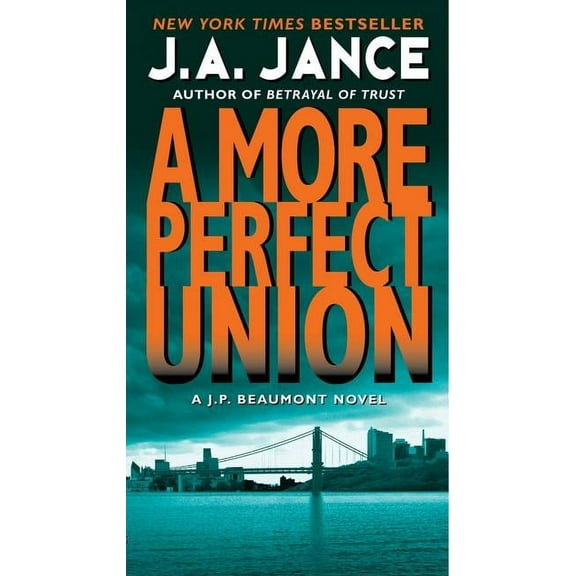 $434current price $4.34, Was $5.41$5.41
J. P. Beaumont Novel A More Perfect Union, Book 6, (Paperback)
55 out of 5 Stars. 5 reviewsWind Chronicles Alchemist's Shadow on Christmas, Book 1, (Paperback) $8.99
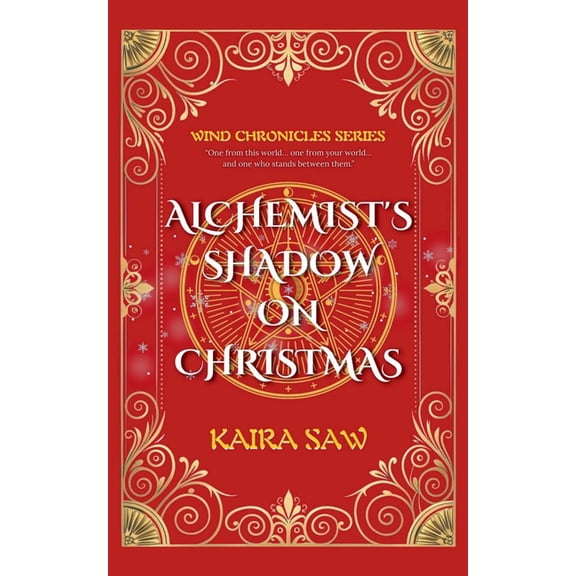 $899current price $8.99
Wind Chronicles Alchemist's Shadow on Christmas, Book 1, (Paperback)
Confess: The Autobiography, (Hardcover) $10.90
 $1090current price $10.90
Confess: The Autobiography, (Hardcover)
25 out of 5 Stars. 2 reviewsThe Waiting: A Ballard and Bosch Novel (Paperback) $8.91
 $891current price $8.91
The Waiting: A Ballard and Bosch Novel (Paperback)
33 out of 5 Stars. 3 reviewsLe Barbier de Séville, (Paperback) $12.90
 $1290current price $12.90
Le Barbier de Séville, (Paperback)
Pre-Owned Spectacular Things: Reese's Book Club Hardcover $11.20
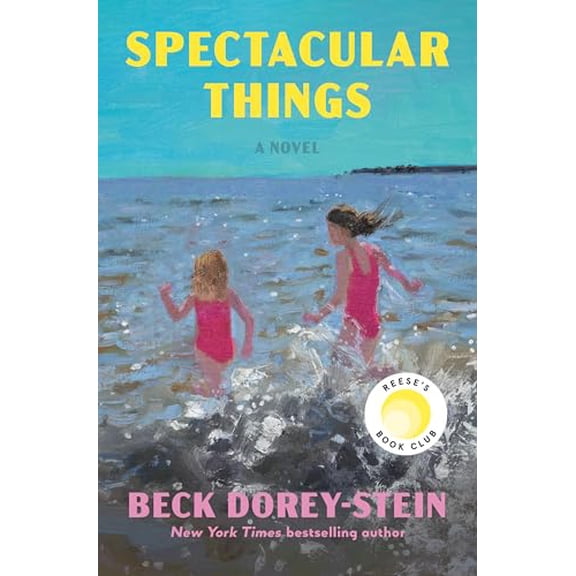 $1120current price $11.20
Pre-Owned Spectacular Things: Reese's Book Club Hardcover
Pre-Owned Marrow (Hardcover) 0312868014 9780312868017 $11.09
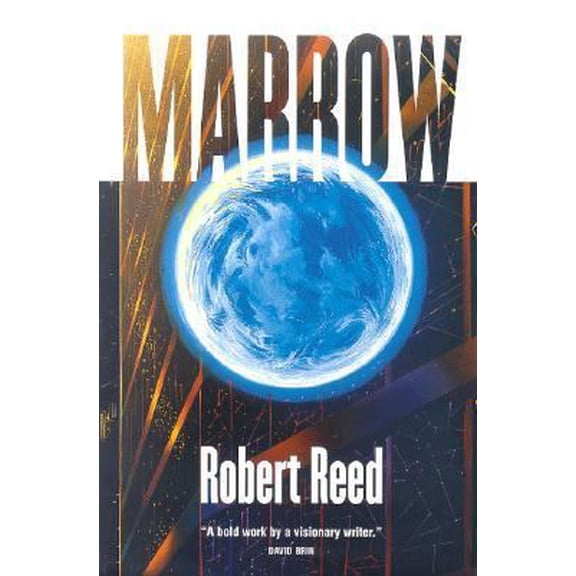 2 optionsAvailable in additional 2 options$1109current price $11.09
Pre-Owned Marrow (Hardcover) 0312868014 9780312868017
Pre-Owned The Name of the Rose: including the Author's Postscript (Paperback) 0156001314 9780156001311 $4.48
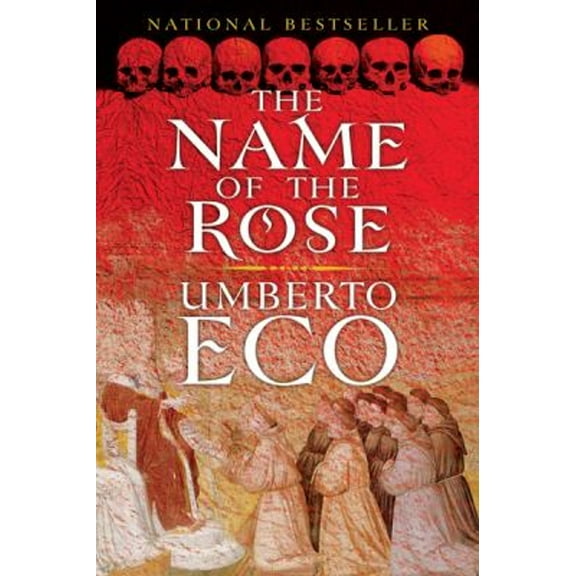 2 optionsAvailable in additional 2 options$448current price $4.48
Pre-Owned The Name of the Rose: including the Author's Postscript (Paperback) 0156001314 9780156001311
Skipping Christmas (Special Edition): With a New Afterword (Special edition) (Hardcover) $13.00
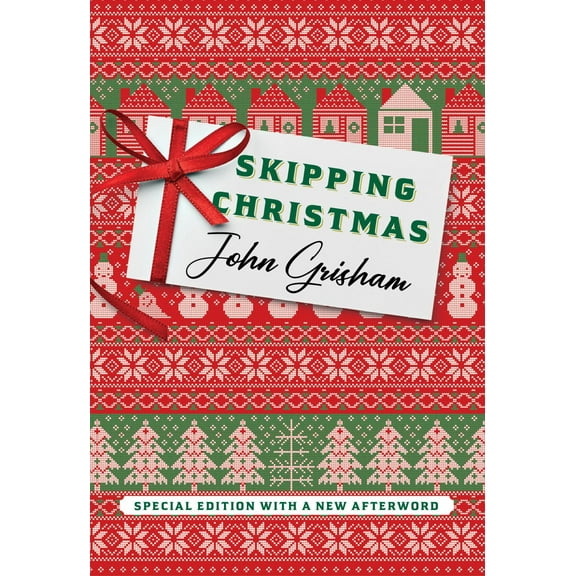 $1300current price $13.00
Skipping Christmas (Special Edition): With a New Afterword (Special edition) (Hardcover)
24.5 out of 5 Stars. 2 reviewsPre-Owned Life! By Design: 6 Steps to an Extraordinary You (Hardcover) 0345520645 9780345520647 $5.23
 2 optionsAvailable in additional 2 options$523current price $5.23
Pre-Owned Life! By Design: 6 Steps to an Extraordinary You (Hardcover) 0345520645 9780345520647
Harbingers Invitation, (Paperback) $11.38
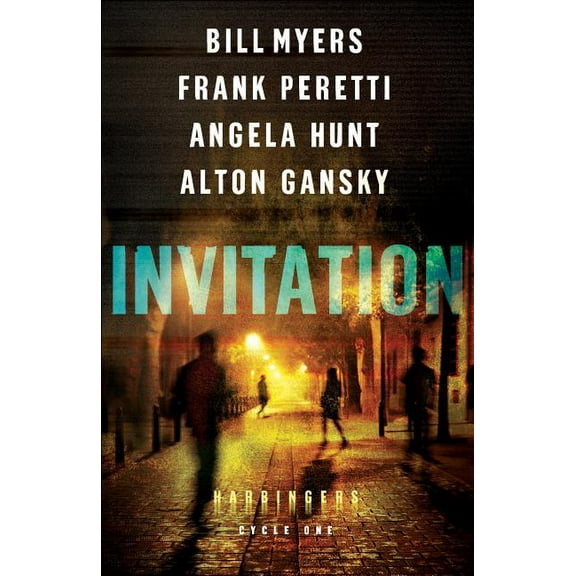 $1138current price $11.38
Harbingers Invitation, (Paperback)
33.3 out of 5 Stars. 3 reviewsPre-Owned Death bed: A detective story, 9780803717015, 0803717016, Hardcover, First Edition edition $6.64
 $664current price $6.64
Pre-Owned Death bed: A detective story, 9780803717015, 0803717016, Hardcover, First Edition edition
Pre-Owned Christmas Stars (Paperback) by David G Hartwell $10.24
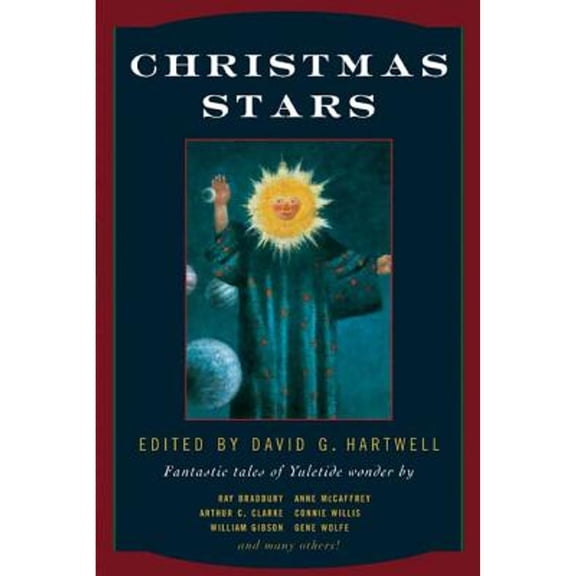 $1024current price $10.24
Pre-Owned Christmas Stars (Paperback) by David G Hartwell
Customer ratings & reviews
0 ratings|0 reviews
This item does not have any reviews yet

Related pages
- Professor Of Australian Studies Stephen Webb
- Professor Of Geography Ash Amin
- General Anthropology Books
- Brand: Barron's
- Professor Of Geography Russell King
- Physical Anthropology Books
- Math Rome
- General Library & Information Science Books
- General Reference Books
- Professor Of Geography John Agnew
- Essays on Science Books
- Research & Methodology in Science Books