

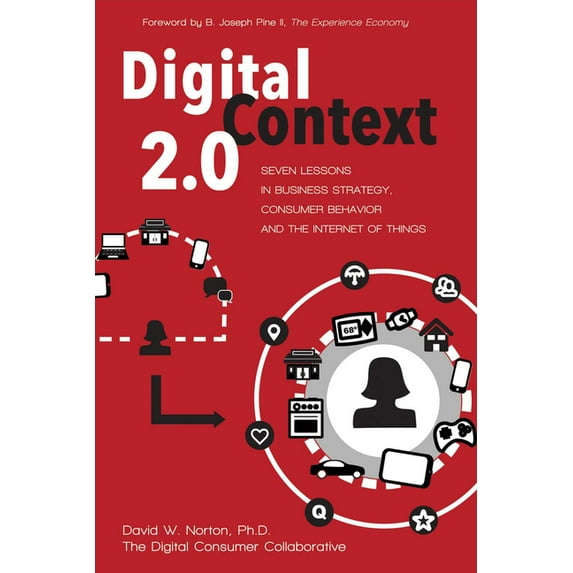
Digital Context 2.0 : Seven Lessons in Business Strategy, Consumer Behavior, and the Internet of Things (Paperback)
(No ratings yet)
Key item features
We are in the midst of yet another shift in business models because of digital. This time the force for change is not mobility; it’s data and the Internet of Things. The more devices that connect to each other, the more digital creates a personal ecosystem, called Digital Context. Digital Context is as distinct a shift in business strategy from omni-channel as omni-channel was from the first multi-channel business models. Companies need strategies grounded in consumer behavior to guide the development of business models, brand experiences, and customer journey work. Based on two years of in-depth research on consumers, Digital Context 2.0, provides seven lessons on how to prepare your business for the next wave of technologies—and make your customers happier. Lesson 1: A Watch is not a Watch A watch is not a watch. An IoT-enabled razor is not a razor. An IoT-enabled hearing aid is not a hearing aid. They can each do the basic functionality that the name implies but they do much more and will be hired by consumers to do more than what the name of the item suggests. The consumer hires the tool to do much more than what you originally intended the product to do. The more tools that connect to each other the more each tool becomes a part of an ecosystem that supports other activities. That ecosystem will change your business model. Lesson 2: Over Time All Channels Become Queues Critical to every business model are the marketing, transactional, and customer service channels that ensure that you can share your offerings with your customers. We have progressed from a world of single channels, to multi-channels, to omni-channels, and now to Digital Context. Along the way the channel has become smart and when channels become smart they queue things. Lesson 3: Consumers Get that Context Requires Data Despite the constant hacks and security breaches, most consumers share their data with companies freely if they understand and agree to the purpose for sharing the data. The Internet of Things and Digital Context depend upon the free flow of data between things. Lesson three explains why consumers share data, who the Context Comfortables are, and why they are important to every company’s business strategy. Lesson 4: Design Your Value Proposition to Target a Consumer Mode Increasingly, if companies are to be relevant and differentiated to their customers, they will need to understand modes. Modes are ways of thinking and behaving that consumers ‘get into’ that helps them get things done. By targeting a mode for your value proposition, you are effectively aligning your goods, services, or experiences with the way that consumers go about doing what they want to do. Lesson 5: Data + Content Creates the Package Companies that are focused on creating content for distribution should turn their attention to focusing on ways to create the Package. Smart Media companies need to find ways to increase the amount of data that travels with the content they produce. In Digital Context, consumers will want their content to be informed by different data types. Companies are used to very basic data being embedded in or attached to content. However, context-aware content requires that companies find ways to share data about much more. Lesson 6: Don’t Focus on Loyalty; Focus on Positive Engagement The promise of Digital Context cannot just be to speed things up. Context must improve the wellbeing of people. Research in positive psychology can help companies think about delivering happiness to consumers. Digital Context should tap into that body of research. This lesson explores why a loyalty mindset is wrong for Digital Context and why a positive engagement mindset is what companies need to go after. Lesson 7: Doing Digital Strategy: A Case Study Using a fictional example based on P&G's Swiffer product, David W. Norton, Ph.D. shows how to bring the other six lessons together into strategic activities that guide business decision-making.
Specs
- Book formatPaperback
- Fiction/nonfictionNon-Fiction
- GenreBusiness & Investing
- Publication dateFebruary, 2016
- Pages238
- Number in series1
Current price is USD$11.91
Price when purchased online
Out of stock
How do you want your item?
Out of stock
About this item
Product details
We are in the midst of yet another shift in business models because of digital. This time the force for change is not mobility; it's data and the Internet of Things. The more devices that connect to each other, the more digital creates a personal ecosystem, called Digital Context. Digital Context is as distinct a shift in business strategy from omni-channel as omni-channel was from the first multi-channel business models. Companies need strategies grounded in consumer behavior to guide the development of business models, brand experiences, and customer journey work. Based on two years of in-depth research on consumers, Digital Context 2.0, provides seven lessons on how to prepare your business for the next wave of technologies--and make your customers happier. Lesson 1: A Watch is not a Watch A watch is not a watch. An IoT-enabled razor is not a razor. An IoT-enabled hearing aid is not a hearing aid. They can each do the basic functionality that the name implies but they do much more and will be hired by consumers to do more than what the name of the item suggests. The consumer hires the tool to do much more than what you originally intended the product to do. The more tools that connect to each other the more each tool becomes a part of an ecosystem that supports other activities. That ecosystem will change your business model. Lesson 2: Over Time All Channels Become Queues Critical to every business model are the marketing, transactional, and customer service channels that ensure that you can share your offerings with your customers. We have progressed from a world of single channels, to multi-channels, to omni-channels, and now to Digital Context. Along the way the channel has become smart and when channels become smart they queue things. Lesson 3: Consumers Get that Context Requires Data Despite the constant hacks and security breaches, most consumers share their data with companies freely if they understand and agree to the purpose for sharing the data. The Internet of Things and Digital Context depend upon the free flow of data between things. Lesson three explains why consumers share data, who the Context Comfortables are, and why they are important to every company's business strategy. Lesson 4: Design Your Value Proposition to Target a Consumer Mode Increasingly, if companies are to be relevant and differentiated to their customers, they will need to understand modes. Modes are ways of thinking and behaving that consumers 'get into' that helps them get things done. By targeting a mode for your value proposition, you are effectively aligning your goods, services, or experiences with the way that consumers go about doing what they want to do. Lesson 5: Data + Content Creates the Package Companies that are focused on creating content for distribution should turn their attention to focusing on ways to create the Package. Smart Media companies need to find ways to increase the amount of data that travels with the content they produce. In Digital Context, consumers will want their content to be informed by different data types. Companies are used to very basic data being embedded in or attached to content. However, context-aware content requires that companies find ways to share data about much more. Lesson 6: Don't Focus on Loyalty; Focus on Positive Engagement The promise of Digital Context cannot just be to speed things up. Context must improve the wellbeing of people. Research in positive psychology can help companies think about delivering happiness to consumers. Digital Context should tap into that body of research. This lesson explores why a loyalty mindset is wrong for Digital Context and why a positive engagement mindset is what companies need to go after. Lesson 7: Doing Digital Strategy: A Case Study Using a fictional example based on P&G's Swiffer product, David W. Norton, Ph.D. shows how to bring the other six lessons together into strategic activities that guide business decision-making.
We are in the midst of yet another shift in business models because of digital. This time the force for change is not mobility; it’s data and the Internet of Things. The more devices that connect to each other, the more digital creates a personal ecosystem, called Digital Context. Digital Context is as distinct a shift in business strategy from omni-channel as omni-channel was from the first multi-channel business models. Companies need strategies grounded in consumer behavior to guide the development of business models, brand experiences, and customer journey work. Based on two years of in-depth research on consumers, Digital Context 2.0, provides seven lessons on how to prepare your business for the next wave of technologies—and make your customers happier. Lesson 1: A Watch is not a Watch A watch is not a watch. An IoT-enabled razor is not a razor. An IoT-enabled hearing aid is not a hearing aid. They can each do the basic functionality that the name implies but they do much more and will be hired by consumers to do more than what the name of the item suggests. The consumer hires the tool to do much more than what you originally intended the product to do. The more tools that connect to each other the more each tool becomes a part of an ecosystem that supports other activities. That ecosystem will change your business model. Lesson 2: Over Time All Channels Become Queues Critical to every business model are the marketing, transactional, and customer service channels that ensure that you can share your offerings with your customers. We have progressed from a world of single channels, to multi-channels, to omni-channels, and now to Digital Context. Along the way the channel has become smart and when channels become smart they queue things. Lesson 3: Consumers Get that Context Requires Data Despite the constant hacks and security breaches, most consumers share their data with companies freely if they understand and agree to the purpose for sharing the data. The Internet of Things and Digital Context depend upon the free flow of data between things. Lesson three explains why consumers share data, who the Context Comfortables are, and why they are important to every company’s business strategy. Lesson 4: Design Your Value Proposition to Target a Consumer Mode Increasingly, if companies are to be relevant and differentiated to their customers, they will need to understand modes. Modes are ways of thinking and behaving that consumers ‘get into’ that helps them get things done. By targeting a mode for your value proposition, you are effectively aligning your goods, services, or experiences with the way that consumers go about doing what they want to do. Lesson 5: Data + Content Creates the Package Companies that are focused on creating content for distribution should turn their attention to focusing on ways to create the Package. Smart Media companies need to find ways to increase the amount of data that travels with the content they produce. In Digital Context, consumers will want their content to be informed by different data types. Companies are used to very basic data being embedded in or attached to content. However, context-aware content requires that companies find ways to share data about much more. Lesson 6: Don’t Focus on Loyalty; Focus on Positive Engagement The promise of Digital Context cannot just be to speed things up. Context must improve the wellbeing of people. Research in positive psychology can help companies think about delivering happiness to consumers. Digital Context should tap into that body of research. This lesson explores why a loyalty mindset is wrong for Digital Context and why a positive engagement mindset is what companies need to go after. Lesson 7: Doing Digital Strategy: A Case Study Using a fictional example based on P&G's Swiffer product, David W. Norton, Ph.D. shows how to bring the other six lessons together into strategic activities that guide business decision-making.
info:
We aim to show you accurate product information. Manufacturers, suppliers and others provide what you see here, and we have not verified it.
Specifications
Book format
Paperback
Fiction/nonfiction
Non-Fiction
Genre
Business & Investing
Publication date
February, 2016
Warranty
Warranty information
Please be aware that the warranty terms on items offered for sale by third party Marketplace sellers may differ from those displayed in this section (if any). To confirm warranty terms on an item offered for sale by a third party Marketplace seller, please use the 'Contact seller' feature on the third party Marketplace seller's information page and request the item's warranty terms prior to purchase.
Similar items you might like
Based on what customers bought
The Old Money Book: How To Live Better While Spending Less: Secrets of America's Upper Class, (Paperback) $11.99
 $1199current price $11.99
The Old Money Book: How To Live Better While Spending Less: Secrets of America's Upper Class, (Paperback)
Mindful Work: How Meditation Is Changing Business from the Inside Out, (Paperback) $10.03
 $1003current price $10.03
Mindful Work: How Meditation Is Changing Business from the Inside Out, (Paperback)
Best seller The Psychology of Money: Timeless Lessons on Wealth, Greed, and Happiness (Paperback) $10.99 Was $14.99
Best seller $1099current price $10.99, Was $14.99$14.99
The Psychology of Money: Timeless Lessons on Wealth, Greed, and Happiness (Paperback)
1404.5 out of 5 Stars. 140 reviewsConcise Advice: The Consumer Behaviour Book (Paperback) $15.37
 $1537current price $15.37
Concise Advice: The Consumer Behaviour Book (Paperback)
Breakthrough Network Marketing Strategies for the Internet Age, (Paperback) $12.60
 $1260current price $12.60
Breakthrough Network Marketing Strategies for the Internet Age, (Paperback)
The New Strategic Selling: The Unique Sales System Proven Successful by the World's Best Companies, (Paperback) $12.18
 $1218current price $12.18
The New Strategic Selling: The Unique Sales System Proven Successful by the World's Best Companies, (Paperback)
Reality in Advertising, (Paperback) $11.99
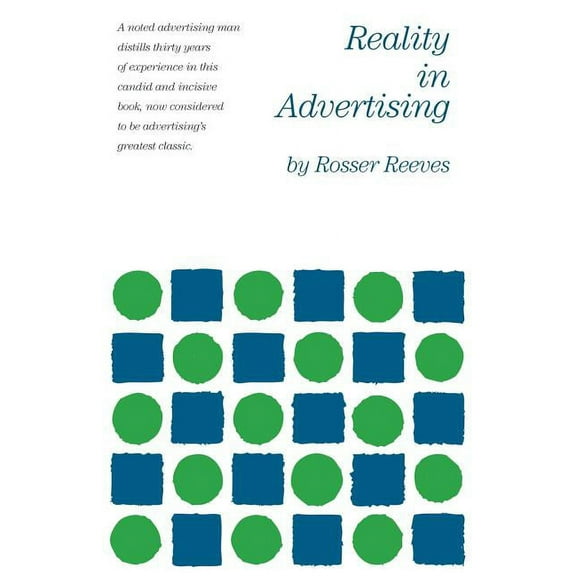 2 optionsAvailable in additional 2 options$1199current price $11.99
Reality in Advertising, (Paperback)
Best seller The Way of the Superior Man $9.13 Was $18.95
Best seller $913current price $9.13, Was $18.95$18.95
The Way of the Superior Man
954.7 out of 5 Stars. 95 reviewsModern Internet Marketing Stratigies $12.00
 $1200current price $12.00
Modern Internet Marketing Stratigies
Digital Zettelkasten: Principles, Methods, & Examples, (Paperback) $13.95
 $1395current price $13.95
Digital Zettelkasten: Principles, Methods, & Examples, (Paperback)
50 Winning Lessons in Business and Life, (Paperback) $17.19
 $1719current price $17.19
50 Winning Lessons in Business and Life, (Paperback)
Strategies and Techniques for Earning with E-commerce, (Paperback) $11.99
 $1199current price $11.99
Strategies and Techniques for Earning with E-commerce, (Paperback)
Digital Philosophy, (Paperback) $13.04
 $1304current price $13.04
Digital Philosophy, (Paperback)
The Hidden Corporation: A Data Management Security Novel, (Paperback) $11.45
 $1145current price $11.45
The Hidden Corporation: A Data Management Security Novel, (Paperback)
Take It from Me... : Occasional Thoughts on Marketing and Media (Paperback) $11.99
 $1199current price $11.99
Take It from Me... : Occasional Thoughts on Marketing and Media (Paperback)
Biff: Quick Responses to High-Conflict People, Their Personal Attacks, Hostile Email and Social Media Meltdowns, (Paperback) $11.01
 $1101current price $11.01
Biff: Quick Responses to High-Conflict People, Their Personal Attacks, Hostile Email and Social Media Meltdowns, (Paperback)
23 out of 5 Stars. 2 reviewsWhy We Buy: The Science of Shopping--Updated and Revised for the Internet, the Global Consumer, and Beyond, (Paperback) $10.71
 $1071current price $10.71
Why We Buy: The Science of Shopping--Updated and Revised for the Internet, the Global Consumer, and Beyond, (Paperback)

Customer ratings & reviews
0 ratings|0 reviews
This item does not have any reviews yet
