


Hero image 0 of How the Post Office Created America : A History (Hardcover), 0 of 1
How the Post Office Created America : A History (Hardcover)
(No ratings yet)
Key item features
A masterful history of a long underappreciated institution, How the Post Office Created America examines the surprising role of the postal service in our nation’s political, social, economic, and physical development.
The founders established the post office before they had even signed the Declaration of Independence, and for a very long time, it was the U.S. government’s largest and most important endeavor—indeed, it was the government for most citizens. This was no conventional mail network but the central nervous system of the new body politic, designed to bind thirteen quarrelsome colonies into the United States by delivering news about public affairs to every citizen—a radical idea that appalled Europe’s great powers. America’s uniquely democratic post powerfully shaped its lively, argumentative culture of uncensored ideas and opinions and made it the world’s information and communications superpower with astonishing speed.
Winifred Gallagher presents the history of the post office as America’s own story, told from a fresh perspective over more than two centuries. The mandate to deliver the mail—then “the media”—imposed the federal footprint on vast, often contested parts of the continent and transformed a wilderness into a social landscape of post roads and villages centered on post offices. The post was the catalyst of the nation’s transportation grid, from the stagecoach lines to the airlines, and the lifeline of the great migration from the Atlantic to the Pacific. It enabled America to shift from an agrarian to an industrial economy and to develop the publishing industry, the consumer culture, and the political party system. Still one of the country’s two major civilian employers, the post was the first to hire women, African Americans, and other minorities for positions in public life.
Starved by two world wars and the Great Depression, confronted with the country’s increasingly anti-institutional mind-set, and struggling with its doubled mail volume, the post stumbled badly in the turbulent 1960s. Distracted by the ensuing modernization of its traditional services, however, it failed to transition from paper mail to email, which prescient observers saw as its logical next step. Now the post office is at a crossroads. Before deciding its future, Americans should understand what this grand yet overlooked institution has accomplished since 1775 and consider what it should and could contribute in the twenty-first century.
Gallagher argues that now, more than ever before, the imperiled post office deserves this effort, because just as the founders anticipated, it created forward-looking, communication-oriented, idea-driven America.
The founders established the post office before they had even signed the Declaration of Independence, and for a very long time, it was the U.S. government’s largest and most important endeavor—indeed, it was the government for most citizens. This was no conventional mail network but the central nervous system of the new body politic, designed to bind thirteen quarrelsome colonies into the United States by delivering news about public affairs to every citizen—a radical idea that appalled Europe’s great powers. America’s uniquely democratic post powerfully shaped its lively, argumentative culture of uncensored ideas and opinions and made it the world’s information and communications superpower with astonishing speed.
Winifred Gallagher presents the history of the post office as America’s own story, told from a fresh perspective over more than two centuries. The mandate to deliver the mail—then “the media”—imposed the federal footprint on vast, often contested parts of the continent and transformed a wilderness into a social landscape of post roads and villages centered on post offices. The post was the catalyst of the nation’s transportation grid, from the stagecoach lines to the airlines, and the lifeline of the great migration from the Atlantic to the Pacific. It enabled America to shift from an agrarian to an industrial economy and to develop the publishing industry, the consumer culture, and the political party system. Still one of the country’s two major civilian employers, the post was the first to hire women, African Americans, and other minorities for positions in public life.
Starved by two world wars and the Great Depression, confronted with the country’s increasingly anti-institutional mind-set, and struggling with its doubled mail volume, the post stumbled badly in the turbulent 1960s. Distracted by the ensuing modernization of its traditional services, however, it failed to transition from paper mail to email, which prescient observers saw as its logical next step. Now the post office is at a crossroads. Before deciding its future, Americans should understand what this grand yet overlooked institution has accomplished since 1775 and consider what it should and could contribute in the twenty-first century.
Gallagher argues that now, more than ever before, the imperiled post office deserves this effort, because just as the founders anticipated, it created forward-looking, communication-oriented, idea-driven America.
Specs
- Book formatHardcover
- Fiction/nonfictionNon-Fiction
- GenreHistory
- Publication dateJune 28, 2016
- Pages336
- PublisherPenguin Press
Price when purchased online
Not Available
How do you want your item?
Not available
About this item
Product details
"The history of the post office as America's own story, told from a ... perspective over more than two centuries. The mandate to deliver the mail--then 'the media'--imposed the federal footprint on vast, often contested parts of the continent and transformed a wilderness into a social landscape of post roads and villages centered on post offices. The post was the catalyst of the nation's transportation grid, from the stagecoach lines to the airlines, and the lifeline of the great migration from the Atlantic to the Pacific. It enabled America to shift from an agrarian to an industrial economy and to develop the publishing industry, the consumer culture, and the political party system"--Amazon.com. A masterful history of a long underappreciated institution, How the Post Office Created America examines the surprising role of the postal service in our nation's political, social, economic, and physical development. The founders established the post office before they had even signed the Declaration of Independence, and for a very long time, it was the U.S. government's largest and most important endeavor--indeed, it was the government for most citizens. This was no conventional mail network but the central nervous system of the new body politic, designed to bind thirteen quarrelsome colonies into the United States by delivering news about public affairs to every citizen--a radical idea that appalled Europe's great powers. America's uniquely democratic post powerfully shaped its lively, argumentative culture of uncensored ideas and opinions and made it the world's information and communications superpower with astonishing speed. Winifred Gallagher presents the history of the post office as America's own story, told from a fresh perspective over more than two centuries. The mandate to deliver the mail--then "the media"--imposed the federal footprint on vast, often contested parts of the continent and transformed a wilderness into a social landscape of post roads and villages centered on post offices. The post was the catalyst of the nation's transportation grid, from the stagecoach lines to the airlines, and the lifeline of the great migration from the Atlantic to the Pacific. It enabled America to shift from an agrarian to an industrial economy and to develop the publishing industry, the consumer culture, and the political party system. Still one of the country's two major civilian employers, the post was the first to hire women, African Americans, and other minorities for positions in public life. Starved by two world wars and the Great Depression, confronted with the country's increasingly anti-institutional mind-set, and struggling with its doubled mail volume, the post stumbled badly in the turbulent 1960s. Distracted by the ensuing modernization of its traditional services, however, it failed to transition from paper mail to email, which prescient observers saw as its logical next step. Now the post office is at a crossroads. Before deciding its future, Americans should understand what this grand yet overlooked institution has accomplished since 1775 and consider what it should and could contribute in the twenty-first century. Gallagher argues that now, more than ever before, the imperiled post office deserves this effort, because just as the founders anticipated, it created forward-looking, communication-oriented, idea-driven America.
A masterful history of a long underappreciated institution, How the Post Office Created America examines the surprising role of the postal service in our nation’s political, social, economic, and physical development.
The founders established the post office before they had even signed the Declaration of Independence, and for a very long time, it was the U.S. government’s largest and most important endeavor—indeed, it was the government for most citizens. This was no conventional mail network but the central nervous system of the new body politic, designed to bind thirteen quarrelsome colonies into the United States by delivering news about public affairs to every citizen—a radical idea that appalled Europe’s great powers. America’s uniquely democratic post powerfully shaped its lively, argumentative culture of uncensored ideas and opinions and made it the world’s information and communications superpower with astonishing speed.
Winifred Gallagher presents the history of the post office as America’s own story, told from a fresh perspective over more than two centuries. The mandate to deliver the mail—then “the media”—imposed the federal footprint on vast, often contested parts of the continent and transformed a wilderness into a social landscape of post roads and villages centered on post offices. The post was the catalyst of the nation’s transportation grid, from the stagecoach lines to the airlines, and the lifeline of the great migration from the Atlantic to the Pacific. It enabled America to shift from an agrarian to an industrial economy and to develop the publishing industry, the consumer culture, and the political party system. Still one of the country’s two major civilian employers, the post was the first to hire women, African Americans, and other minorities for positions in public life.
Starved by two world wars and the Great Depression, confronted with the country’s increasingly anti-institutional mind-set, and struggling with its doubled mail volume, the post stumbled badly in the turbulent 1960s. Distracted by the ensuing modernization of its traditional services, however, it failed to transition from paper mail to email, which prescient observers saw as its logical next step. Now the post office is at a crossroads. Before deciding its future, Americans should understand what this grand yet overlooked institution has accomplished since 1775 and consider what it should and could contribute in the twenty-first century.
Gallagher argues that now, more than ever before, the imperiled post office deserves this effort, because just as the founders anticipated, it created forward-looking, communication-oriented, idea-driven America.
The founders established the post office before they had even signed the Declaration of Independence, and for a very long time, it was the U.S. government’s largest and most important endeavor—indeed, it was the government for most citizens. This was no conventional mail network but the central nervous system of the new body politic, designed to bind thirteen quarrelsome colonies into the United States by delivering news about public affairs to every citizen—a radical idea that appalled Europe’s great powers. America’s uniquely democratic post powerfully shaped its lively, argumentative culture of uncensored ideas and opinions and made it the world’s information and communications superpower with astonishing speed.
Winifred Gallagher presents the history of the post office as America’s own story, told from a fresh perspective over more than two centuries. The mandate to deliver the mail—then “the media”—imposed the federal footprint on vast, often contested parts of the continent and transformed a wilderness into a social landscape of post roads and villages centered on post offices. The post was the catalyst of the nation’s transportation grid, from the stagecoach lines to the airlines, and the lifeline of the great migration from the Atlantic to the Pacific. It enabled America to shift from an agrarian to an industrial economy and to develop the publishing industry, the consumer culture, and the political party system. Still one of the country’s two major civilian employers, the post was the first to hire women, African Americans, and other minorities for positions in public life.
Starved by two world wars and the Great Depression, confronted with the country’s increasingly anti-institutional mind-set, and struggling with its doubled mail volume, the post stumbled badly in the turbulent 1960s. Distracted by the ensuing modernization of its traditional services, however, it failed to transition from paper mail to email, which prescient observers saw as its logical next step. Now the post office is at a crossroads. Before deciding its future, Americans should understand what this grand yet overlooked institution has accomplished since 1775 and consider what it should and could contribute in the twenty-first century.
Gallagher argues that now, more than ever before, the imperiled post office deserves this effort, because just as the founders anticipated, it created forward-looking, communication-oriented, idea-driven America.
info:
We aim to show you accurate product information. Manufacturers, suppliers and others provide what you see here, and we have not verified it.
Specifications
Book format
Hardcover
Fiction/nonfiction
Non-Fiction
Genre
History
Publication date
June 28, 2016
Similar items you might like
Based on what customers bought
Best seller Holy Bible: The New Testament (Hardcover) $1.98
Best seller $198current price $1.98
Holy Bible: The New Testament (Hardcover)
1664.3 out of 5 Stars. 166 reviewsBeaverland: How One Weird Rodent Made America, (Paperback) $13.98
 $1398current price $13.98
Beaverland: How One Weird Rodent Made America, (Paperback)
The Wretched of the Earth, (Paperback) $12.97
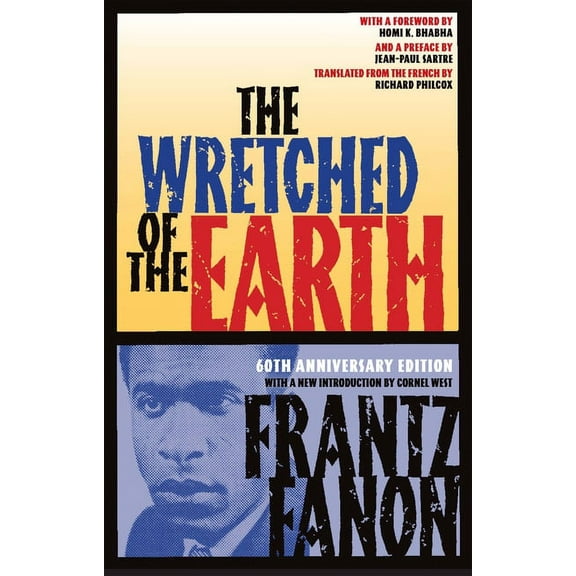 $1297current price $12.97
The Wretched of the Earth, (Paperback)
Best seller Alchemised (Hardcover) $24.48
Best seller $2448current price $24.48
Alchemised (Hardcover)
1444.6 out of 5 Stars. 144 reviewsBest seller Nobody's Girl: A Memoir of Surviving Abuse and Fighting for Justice (Hardcover) $24.92
Best seller $2492current price $24.92
Nobody's Girl: A Memoir of Surviving Abuse and Fighting for Justice (Hardcover)
2234.7 out of 5 Stars. 223 reviewsBooks of American Wisdom The Way to Wealth, (Hardcover) $10.42
 2 optionsAvailable in additional 2 options$1042current price $10.42
Books of American Wisdom The Way to Wealth, (Hardcover)
25 out of 5 Stars. 2 reviewsA Republic By the People, (Hardcover) $22.18
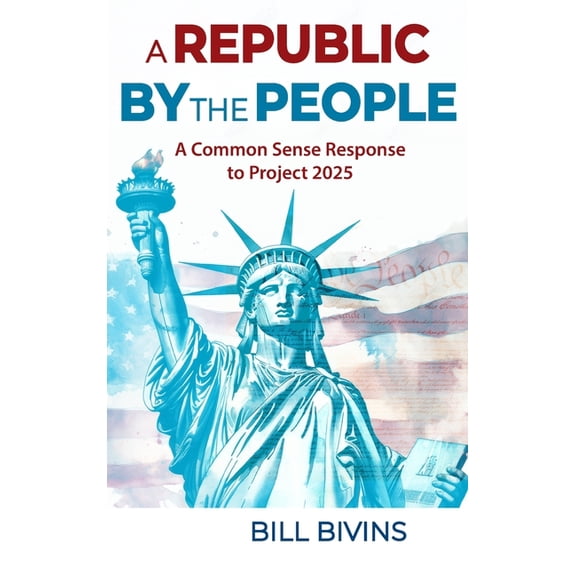 $2218current price $22.18
A Republic By the People, (Hardcover)
¡Viva México! (Spanish Edition), (Hardcover) $14.02
 $1402current price $14.02
¡Viva México! (Spanish Edition), (Hardcover)
America: Hope for Change (Hardcover) $21.33
 $2133current price $21.33
America: Hope for Change (Hardcover)
Pre-Owned The African Americans: Many Rivers to Cross (Hardcover) 1401935141 9781401935146 $4.68
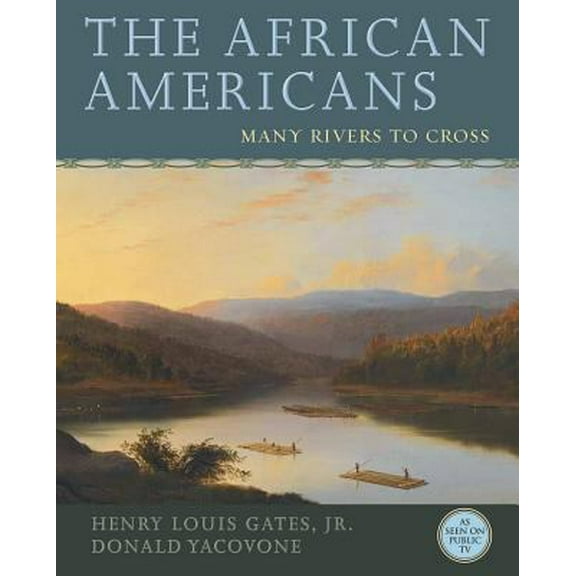 3 optionsAvailable in additional 3 options$468current price $4.68
Pre-Owned The African Americans: Many Rivers to Cross (Hardcover) 1401935141 9781401935146
Best seller Pre-Owned Magic of Thinking Big (Paperback) 0671646788 9780671646783 $4.08 6.4 ¢/lb
Best seller 2 optionsAvailable in additional 2 options$408current price $4.086.4 ¢/lb
Pre-Owned Magic of Thinking Big (Paperback) 0671646788 9780671646783
15 out of 5 Stars. 1 reviewsA History of the World in Twelve Shipwrecks, (Hardcover) $12.18
 $1218current price $12.18
A History of the World in Twelve Shipwrecks, (Hardcover)
25 out of 5 Stars. 2 reviewsThe Last American Road Trip: A Memoir, (Hardcover) $10.23
 $1023current price $10.23
The Last American Road Trip: A Memoir, (Hardcover)
Subversive Subversive, Book 1, (Paperback) $14.99
 $1499current price $14.99
Subversive Subversive, Book 1, (Paperback)
Tailspin, (Hardcover) $20.69
 $2069current price $20.69
Tailspin, (Hardcover)
25 out of 5 Stars. 2 reviewsPre-Owned Tarascon Pocket Orthopaedica (Paperback) 0763766011 9780763766016 $5.07 Was $7.75
 $507current price $5.07, Was $7.75$7.75
Pre-Owned Tarascon Pocket Orthopaedica (Paperback) 0763766011 9780763766016
The History of Utopian Thought, (Hardcover) $34.95 Was $40.58
 $3495current price $34.95, Was $40.58$40.58
The History of Utopian Thought, (Hardcover)
Pre-Owned Weight Watchers Light & Easy Cookbook (Hardcover) 0848716264 9780848716264 $9.12
 $912current price $9.12
Pre-Owned Weight Watchers Light & Easy Cookbook (Hardcover) 0848716264 9780848716264
Beaverland: How One Weird Rodent Made America, (Hardcover) $13.09 Was $41.09
 $1309current price $13.09, Was $41.09$41.09
Beaverland: How One Weird Rodent Made America, (Hardcover)
35 out of 5 Stars. 3 reviewsPre-Owned No Wonder They Call Him the Savior: Chronicles of the Cross (Hardcover) 0880706112 9780880706117 $5.53 Was $6.64
 $553current price $5.53, Was $6.64$6.64
Pre-Owned No Wonder They Call Him the Savior: Chronicles of the Cross (Hardcover) 0880706112 9780880706117
Customer ratings & reviews
0 ratings|0 reviews
This item does not have any reviews yet

Related pages
- Professor Emeritus Of Politics Malcolm Anderson
- Civil Rights Law Books
- Professor Emeritus Of Political Theory Christopher J Berry
- Emeritus Professor Of Government Rodney Barker
- Essay History Books
- Political Essay Books
- Social History Books
- Geopolitics Books
- Emeritus Professor Of Local History Christopher Dyer
- Newsweek
- Emeritus Professor Of History Michael Roe
- World History Books