


Food Controversies: Fast Food : The Good, the Bad and the Hungry (Paperback)
(No ratings yet)
Key item features
The single most influential culinary trend of our time is fast food. It has spawned an industry that has changed eating, the most fundamental of human activities. From the first flipping of burgers in tiny shacks in the western United States to the forging of neon signs that spell out “Pizza Hut” in Cyrillic or Arabic scripts, the fast food industry has exploded into dominance, becoming one of the leading examples of global corporate success. And with this success it has become one of the largest targets of political criticism, blamed for widespread obesity, cultural erasure, oppressive labor practices, and environmental destruction on massive scales.
In this book, expert culinary historian Andrew F. Smith explores why the fast food industry has been so successful and examines the myriad ethical lines it has crossed to become so. As he shows, fast food—plain and simple—devised a perfect retail model, one that works everywhere, providing highly flavored calories with speed, economy, and convenience. But there is no such thing as a free lunch, they say, and the costs with fast food have been enormous: an assault on proper nutrition, a minimum-wage labor standard, and a powerful pressure on farmers and ranchers to deploy some of the worst agricultural practices in history. As Smith shows, we have long known about these problems, and the fast food industry for nearly all of its existence has been beset with scathing exposés, boycotts, protests, and government interventions, which it has sometimes met with real changes but more often with token gestures, blame-passing, and an unrelenting gauntlet of lawyers and lobbyists.
Fast Food ultimately looks at food as a business, an examination of the industry’s options and those of consumers, and a serious inquiry into what society can do to ameliorate the problems this cheap and tasty product has created.
In this book, expert culinary historian Andrew F. Smith explores why the fast food industry has been so successful and examines the myriad ethical lines it has crossed to become so. As he shows, fast food—plain and simple—devised a perfect retail model, one that works everywhere, providing highly flavored calories with speed, economy, and convenience. But there is no such thing as a free lunch, they say, and the costs with fast food have been enormous: an assault on proper nutrition, a minimum-wage labor standard, and a powerful pressure on farmers and ranchers to deploy some of the worst agricultural practices in history. As Smith shows, we have long known about these problems, and the fast food industry for nearly all of its existence has been beset with scathing exposés, boycotts, protests, and government interventions, which it has sometimes met with real changes but more often with token gestures, blame-passing, and an unrelenting gauntlet of lawyers and lobbyists.
Fast Food ultimately looks at food as a business, an examination of the industry’s options and those of consumers, and a serious inquiry into what society can do to ameliorate the problems this cheap and tasty product has created.
Specs
- Book formatPaperback
- Fiction/nonfictionNon-Fiction
- Publication dateMarch, 2016
- Pages208
- Series titleFood Controversies
- EditionStandard Edition
Current price is USD$24.33
Price when purchased online
- Free shipping
 Free 30-day returns
How do you want your item?
Ships to
Arrives between May 22 - May 29
|
Sold and shipped by newbookdeals
4.55861365953109 stars out of 5, based on 1962 seller reviews(4.6)1962 seller reviews

Free 30-day returns
About this item
Product details
9781780235745. New condition. Paperback. Language: English. Contains: Illustrations. Food Controversies . Includes illustrations. Fast food is the most pervasive culinary trend of our time. It is an industry that has changed the way the world eats, as the model works virtually everywhere. At its heart are large multinational chains, running an estimated one million outlets in virtually every corner of the world, serving hundreds of millions of people every day. It provides access to reasonably tasty food with speed, economy and convenience, and appeals to customers of practically every nationality, ethnicity, religion, age, gender, class, financial status and culinary tradition on earth.Fast Food: A Global Perspective explores why this industry has been so successful, and at the same time examines its many negative effects. Fast food has harmed the environment, undermined the health of customers, degraded the diets of children, and underpaid its workers. Indirectly, through its suppliers, it has supported factory farming and condoned dangerous working conditions from field to processing plant. The fast-food industry has undercut indigenous food purveyors, contributed to the loss of local and regional diversity and promoted culinary homogenization around the world.Critics have published scathing exposes, supported boycotts, engaged in demonstrations, and lobbied political leaders in an attempt to force the fast-food corporations to reduce the harm they cause - usually to little effect. Fast Food: A Global Perspective examines the industry's options and those of its customers, and asks what society as a whole can and should do to ameliorate the major problems generated by fast food.
The single most influential culinary trend of our time is fast food. It has spawned an industry that has changed eating, the most fundamental of human activities. From the first flipping of burgers in tiny shacks in the western United States to the forging of neon signs that spell out “Pizza Hut” in Cyrillic or Arabic scripts, the fast food industry has exploded into dominance, becoming one of the leading examples of global corporate success. And with this success it has become one of the largest targets of political criticism, blamed for widespread obesity, cultural erasure, oppressive labor practices, and environmental destruction on massive scales.
In this book, expert culinary historian Andrew F. Smith explores why the fast food industry has been so successful and examines the myriad ethical lines it has crossed to become so. As he shows, fast food—plain and simple—devised a perfect retail model, one that works everywhere, providing highly flavored calories with speed, economy, and convenience. But there is no such thing as a free lunch, they say, and the costs with fast food have been enormous: an assault on proper nutrition, a minimum-wage labor standard, and a powerful pressure on farmers and ranchers to deploy some of the worst agricultural practices in history. As Smith shows, we have long known about these problems, and the fast food industry for nearly all of its existence has been beset with scathing exposés, boycotts, protests, and government interventions, which it has sometimes met with real changes but more often with token gestures, blame-passing, and an unrelenting gauntlet of lawyers and lobbyists.
Fast Food ultimately looks at food as a business, an examination of the industry’s options and those of consumers, and a serious inquiry into what society can do to ameliorate the problems this cheap and tasty product has created.
In this book, expert culinary historian Andrew F. Smith explores why the fast food industry has been so successful and examines the myriad ethical lines it has crossed to become so. As he shows, fast food—plain and simple—devised a perfect retail model, one that works everywhere, providing highly flavored calories with speed, economy, and convenience. But there is no such thing as a free lunch, they say, and the costs with fast food have been enormous: an assault on proper nutrition, a minimum-wage labor standard, and a powerful pressure on farmers and ranchers to deploy some of the worst agricultural practices in history. As Smith shows, we have long known about these problems, and the fast food industry for nearly all of its existence has been beset with scathing exposés, boycotts, protests, and government interventions, which it has sometimes met with real changes but more often with token gestures, blame-passing, and an unrelenting gauntlet of lawyers and lobbyists.
Fast Food ultimately looks at food as a business, an examination of the industry’s options and those of consumers, and a serious inquiry into what society can do to ameliorate the problems this cheap and tasty product has created.
info:
We aim to show you accurate product information. Manufacturers, suppliers and others provide what you see here, and we have not verified it.
Specifications
Book format
Paperback
Fiction/nonfiction
Non-Fiction
Genre
Political & Social Sciences
Publication date
March, 2016
Warranty
Warranty information
Please be aware that the warranty terms on items offered for sale by third party Marketplace sellers may differ from those displayed in this section (if any). To confirm warranty terms on an item offered for sale by a third party Marketplace seller, please use the 'Contact seller' feature on the third party Marketplace seller's information page and request the item's warranty terms prior to purchase.
Similar items you might like
Based on what customers bought
M : M15's First Spymaster (Paperback) $12.35
 $1235current price $12.35
M : M15's First Spymaster (Paperback)
Executive Eats: The Cookbook for a Better Working Life, (Paperback) $18.99
 $1899current price $18.99
Executive Eats: The Cookbook for a Better Working Life, (Paperback)
Ecological Ethics: An Introduction (Paperback) $36.95
 $3695current price $36.95
Ecological Ethics: An Introduction (Paperback)
The Last Intellectuals: American Culture in the Age of Academe, (Paperback) $20.72
 $2072current price $20.72
The Last Intellectuals: American Culture in the Age of Academe, (Paperback)
Food Peanuts: The Illustrious History of the Goober Pea, (Paperback) $16.89
 $1689current price $16.89
Food Peanuts: The Illustrious History of the Goober Pea, (Paperback)
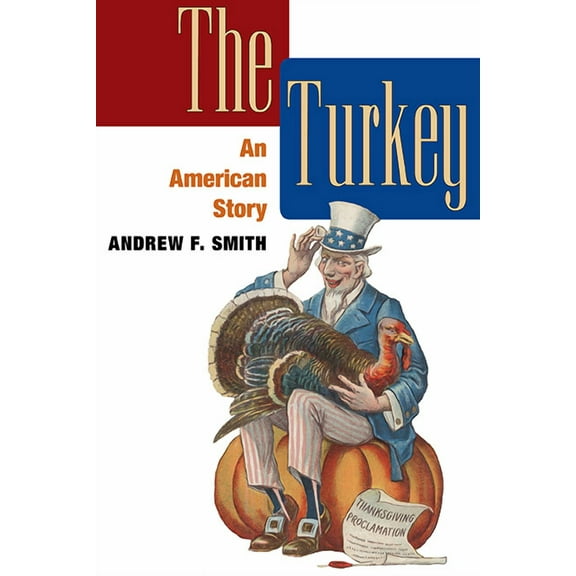
Food The Turkey, (Paperback) $18.67
 $1867current price $18.67
Food The Turkey, (Paperback)
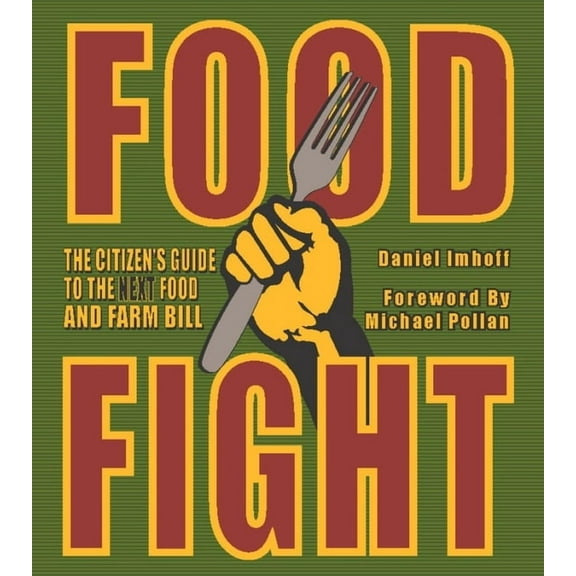
Food Fight: The Citizen's Guide to the Next Food and Farm Bill, (Paperback) $17.00 Was $30.34
 $1700current price $17.00, Was $30.34$30.34
Food Fight: The Citizen's Guide to the Next Food and Farm Bill, (Paperback)
Food Fraud, (Paperback) $38.65
 $3865current price $38.65
Food Fraud, (Paperback)
Nutrition Now Safe Food for You and Your Family, Book 8, (Paperback) $13.24
 $1324current price $13.24
Nutrition Now Safe Food for You and Your Family, Book 8, (Paperback)
Fast Food Nation: The Dark Side of the All-American Meal, (Paperback) $7.49 Was $11.00
 $749current price $7.49, Was $11.00$11.00
Fast Food Nation: The Dark Side of the All-American Meal, (Paperback)
45 out of 5 Stars. 4 reviewsPure Ketchup, (Paperback) $26.47
 $2647current price $26.47
Pure Ketchup, (Paperback)
The Real Disaster Is Above Ground: A Mine Fire and Social Conflict, (Paperback) $24.62
 $2462current price $24.62
The Real Disaster Is Above Ground: A Mine Fire and Social Conflict, (Paperback)
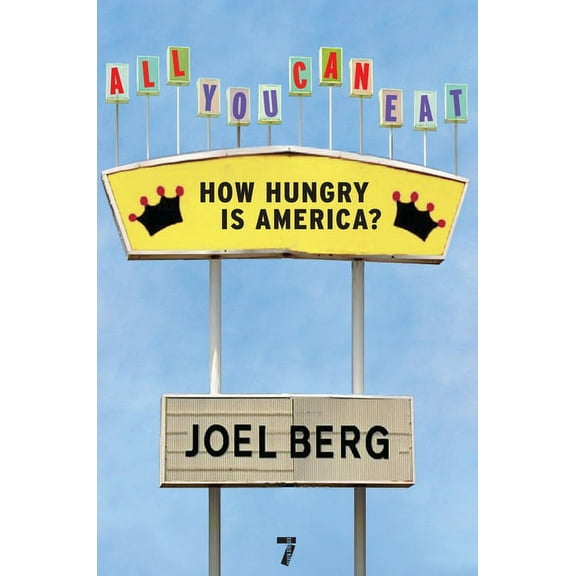
All You Can Eat : How Hungry is America? (Paperback) $17.33 Was $22.95
 $1733current price $17.33, Was $22.95$22.95
All You Can Eat : How Hungry is America? (Paperback)
Deconstructing the Food Pyramid: Balance and Moderation in Food Consumption, (Paperback) $21.42
 $2142current price $21.42
Deconstructing the Food Pyramid: Balance and Moderation in Food Consumption, (Paperback)
Dead Weight: Essays on Hunger and Harm, (Paperback) $16.38
 $1638current price $16.38
Dead Weight: Essays on Hunger and Harm, (Paperback)
Food Controversies In Defense of Processed Food, (Paperback) $15.97
 $1597current price $15.97
Food Controversies In Defense of Processed Food, (Paperback)
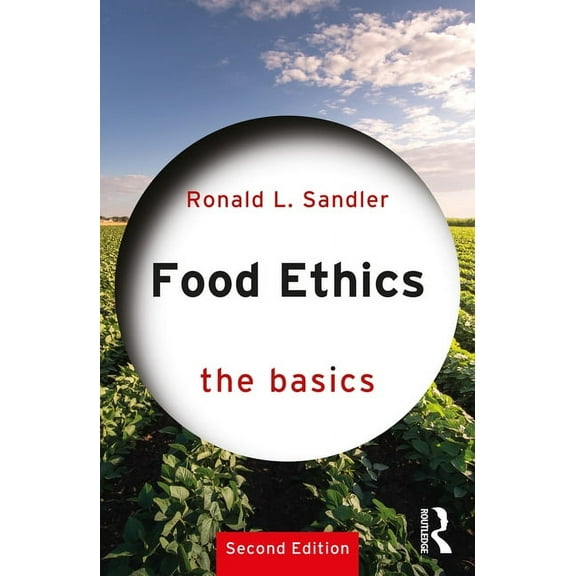
Basics Food Ethics: The Basics, (Paperback) $18.99
 $1899current price $18.99
Basics Food Ethics: The Basics, (Paperback)
50 Beef Lunch Meals, (Paperback) $23.87
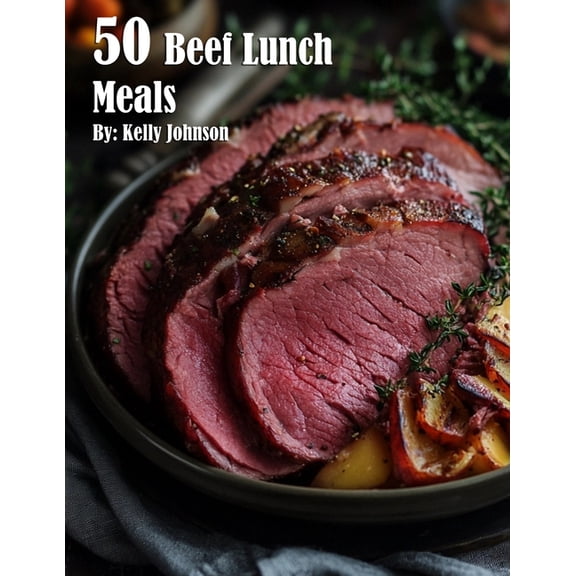 $2387current price $23.87
50 Beef Lunch Meals, (Paperback)


Customer ratings & reviews
0 ratings|0 reviews
This item does not have any reviews yet
