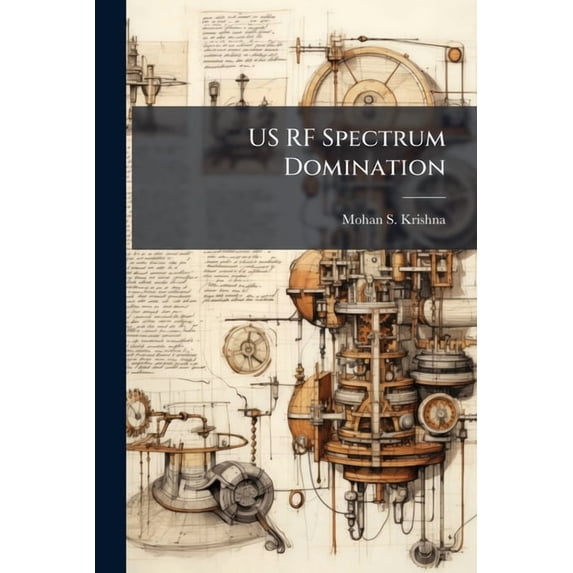
At the dawn of the radio age, the possibilities of the electromagnetic spectrum were limitless and there was enough spectrum for everyone to use. As radio frequency (RF) devices proliferated exponentially, governments stepped in to allocate spectrum based on fairness and fiscal capacity of the requested user. As equipment has become more capable of using the spectrum more efficiently, regulations and operating procedures have not evolved. This paper will discuss the future of RF technology, identify and critique the processes and vision of each level (International, Federal, DoD, Service) in the RF allocation process and suggests improvements to improve to the current guidance. All current guidance fails to merge the operations, intelligence and communications disciplines. These specialties need to work together to write the doctrine and procedures for the future of spectrum operations. If the US military continues to allow technology to outrun policies and procedures, the future battlespace may see a technologically astute enemy dominating the spectrum while the coalition tries to learn how to fight in the dynamic RF spectrum world.
This work has been selected by scholars as being culturally important, and is part of the knowledge base of civilization as we know it. This work was reproduced from the original artifact, and remains as true to the original work as possible. Therefore, you will see the original copyright references, library stamps (as most of these works have been housed in our most important libraries around the world), and other notations in the work.
This work is in the public domain in the United States of America, and possibly other nations. Within the United States, you may freely copy and distribute this work, as no entity (individual or corporate) has a copyright on the body of the work.
As a reproduction of a historical artifact, this work may contain missing or blurred pages, poor pictures, errant marks, etc. Scholars believe, and we concur, that this work is important enough to be preserved, reproduced, and made generally available to the public. We appreciate your support of the preservation process, and thank you for being an important part of keeping this knowledge alive and relevant.