


Hero image 0 of Los Desposeidos / The Dispossessed: Has the Meshiyah Left Yet?, 0 of 1
Los Desposeidos / The Dispossessed: Has the Meshiyah Left Yet?
(No ratings yet)
Key item features
A través de su historia, Bórbely nos muestra el retrato fehaciente de una comunidad rural cerrada, despiadada y brutal, narrada con las frases breves de un niño sensible y observador que posee un extraordinario sentido del tacto y del olfato. Con solo once años de edad, ya trabaja en unas condiciones extremas y a menudo pasa hambre y frío, pero con la ayuda de un mundo propio gobernado por los números primos descubre un lugar donde evadirse de su existencia miserable. A través de su mirada inocente e inmediata, asistimos a un lugar dejado de la mano de Dios, impregnado por una pobreza extrema y en el que violencia se ha vuelto algo cotidiano. Después de su trágica muerte este año, Szilárd Borbély nos deja un legado de incalculable valor que se ha convertido en un fénomeno literario en Hungría. Borbély retrata escenas de la infancia en un mundo embrutecido. Y lo describe de tal manera que mantiene la respiración contenida del lector hasta la última página. En un acto de auto-observación Borbély desarrolla una comprensión sin precedentes del que fue su propio mundo. Probablemente sólo Imre Kertész y Agota Kristof habían contado historias de supervivencia de una manera tan lacónica y lúcida. ENGLISH DESCRIPTION "Szilárd Borbély's book The Dispossessed: Has the Meshiyah Left Yet? explores the world of extreme poverty and deprivation experienced in a tiny Hungarian village, close to the Romanian and Ukrainian borders, in the mid-1960s. It is narrated by a small boy who records his family life, and the lives of the villagers, with a clarity and an "unknowing knowingness" that shocks in its determination not to look away from the brutality, the cruelty and bestiality that for the most part determines their lives. The situation of the boy's family is even much more desperate—due to the father's presumed Jewish heritage, the family is relentlessly ostracized. The father is clearly far too traumatized to discuss this matter—and nothing is ever discussed openly in this milieu. The brilliant portrayal of the trauma of all of these overlapping and often conflicting identities brings to mind the words of the Czech folksinger Jaromír Nohavica: "Only the unmarked will be saved." Throughout the narrative, the little boy seeks consolation in the idea of prime numbers, "which can only be divided by themselves. And by one.""
Specs
- Book formatPaperback
- Fiction/nonfictionNon-Fiction
- GenreLiterature & Fiction
- Publication dateJanuary, 2016
- Pages240
- EditionTranslation
Current price is USD$35.38
Price when purchased online
Out of stock
How do you want your item?
Out of stock
About this item
Product details
Los Desposeidos / The Dispossessed: Has the Meshiyah Left Yet?
A través de su historia, Bórbely nos muestra el retrato fehaciente de una comunidad rural cerrada, despiadada y brutal, narrada con las frases breves de un niño sensible y observador que posee un extraordinario sentido del tacto y del olfato. Con solo once años de edad, ya trabaja en unas condiciones extremas y a menudo pasa hambre y frío, pero con la ayuda de un mundo propio gobernado por los números primos descubre un lugar donde evadirse de su existencia miserable. A través de su mirada inocente e inmediata, asistimos a un lugar dejado de la mano de Dios, impregnado por una pobreza extrema y en el que violencia se ha vuelto algo cotidiano. Después de su trágica muerte este año, Szilárd Borbély nos deja un legado de incalculable valor que se ha convertido en un fénomeno literario en Hungría. Borbély retrata escenas de la infancia en un mundo embrutecido. Y lo describe de tal manera que mantiene la respiración contenida del lector hasta la última página. En un acto de auto-observación Borbély desarrolla una comprensión sin precedentes del que fue su propio mundo. Probablemente sólo Imre Kertész y Agota Kristof habían contado historias de supervivencia de una manera tan lacónica y lúcida. ENGLISH DESCRIPTION "Szilárd Borbély's book The Dispossessed: Has the Meshiyah Left Yet? explores the world of extreme poverty and deprivation experienced in a tiny Hungarian village, close to the Romanian and Ukrainian borders, in the mid-1960s. It is narrated by a small boy who records his family life, and the lives of the villagers, with a clarity and an "unknowing knowingness" that shocks in its determination not to look away from the brutality, the cruelty and bestiality that for the most part determines their lives. The situation of the boy's family is even much more desperate—due to the father's presumed Jewish heritage, the family is relentlessly ostracized. The father is clearly far too traumatized to discuss this matter—and nothing is ever discussed openly in this milieu. The brilliant portrayal of the trauma of all of these overlapping and often conflicting identities brings to mind the words of the Czech folksinger Jaromír Nohavica: "Only the unmarked will be saved." Throughout the narrative, the little boy seeks consolation in the idea of prime numbers, "which can only be divided by themselves. And by one.""
info:
We aim to show you accurate product information. Manufacturers, suppliers and others provide what you see here, and we have not verified it.
Specifications
Book format
Paperback
Fiction/nonfiction
Non-Fiction
Genre
Literature & Fiction
Publication date
January, 2016
Warranty
Warranty information
Please be aware that the warranty terms on items offered for sale by third party Marketplace sellers may differ from those displayed in this section (if any). To confirm warranty terms on an item offered for sale by a third party Marketplace seller, please use the 'Contact seller' feature on the third party Marketplace seller's information page and request the item's warranty terms prior to purchase.
Similar items you might like
Based on what customers bought
Pájaros, Los, (Paperback) $26.95
 $2695current price $26.95
Pájaros, Los, (Paperback)
Beginning Middle End, (Paperback) $32.00
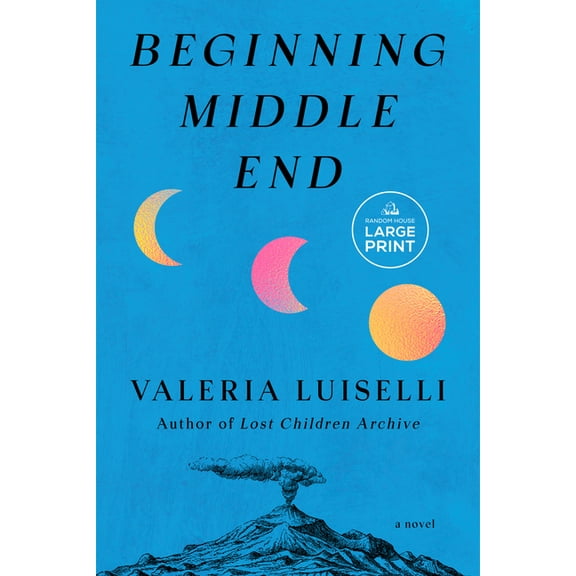 $3200current price $32.00
Beginning Middle End, (Paperback)
Grete Minde, (Paperback) $32.90
 $3290current price $32.90
Grete Minde, (Paperback)
Golpistas, Los, (Paperback) $23.95
 $2395current price $23.95
Golpistas, Los, (Paperback)
En Leganés, (Paperback) $29.90
 $2990current price $29.90
En Leganés, (Paperback)
The Historian, (Paperback) $5.21
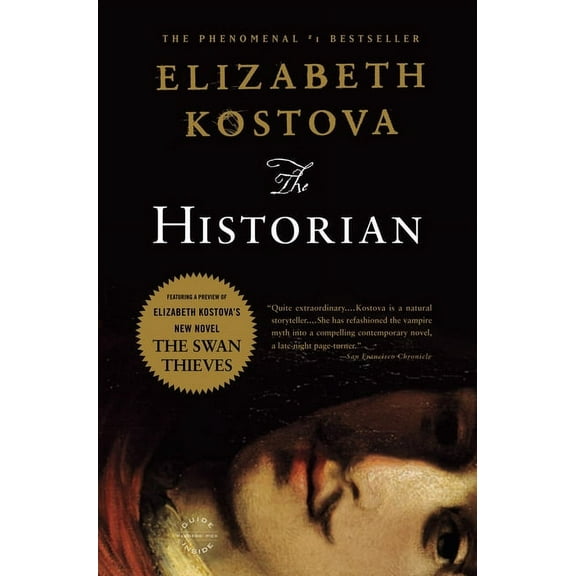 $521current price $5.21
The Historian, (Paperback)
4133.6 out of 5 Stars. 413 reviewsJahresbericht des Mannheimer Vereins für Naturkunde, (Paperback) $32.90
 $3290current price $32.90
Jahresbericht des Mannheimer Vereins für Naturkunde, (Paperback)
Ultramarine, (Paperback) $11.00
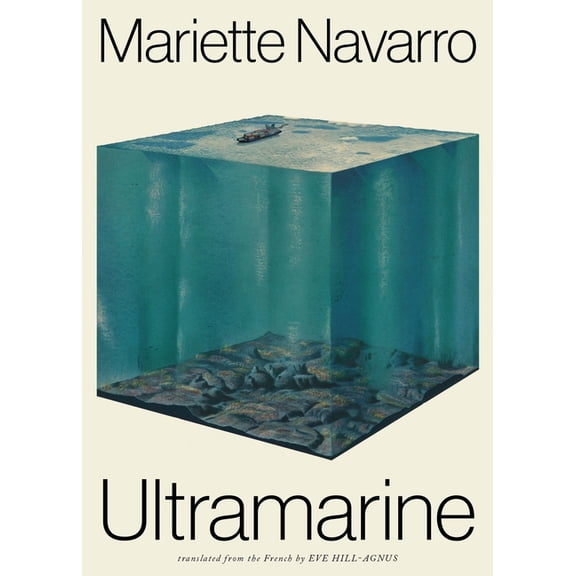 $1100current price $11.00
Ultramarine, (Paperback)
Discontent, (Paperback) $14.98
 $1498current price $14.98
Discontent, (Paperback)
15 out of 5 Stars. 1 reviewsThe Coming, (Paperback) $18.20 Was $20.33
 $1820current price $18.20, Was $20.33$20.33
The Coming, (Paperback)
Der Augustinismus, (Paperback) $29.90
 $2990current price $29.90
Der Augustinismus, (Paperback)
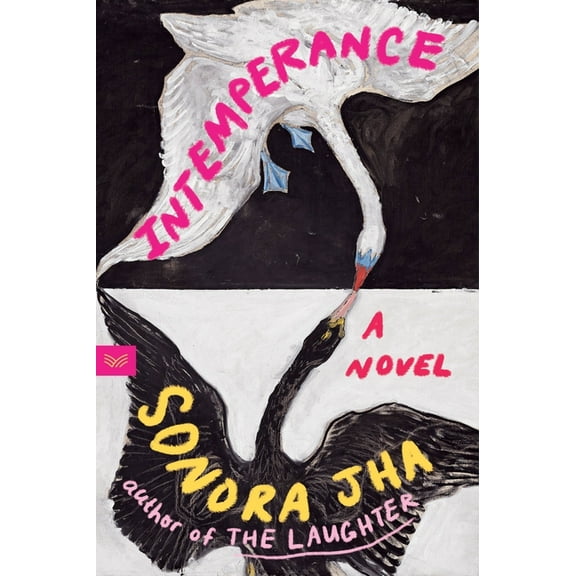
Intemperance, (Paperback) $18.99
 $1899current price $18.99
Intemperance, (Paperback)
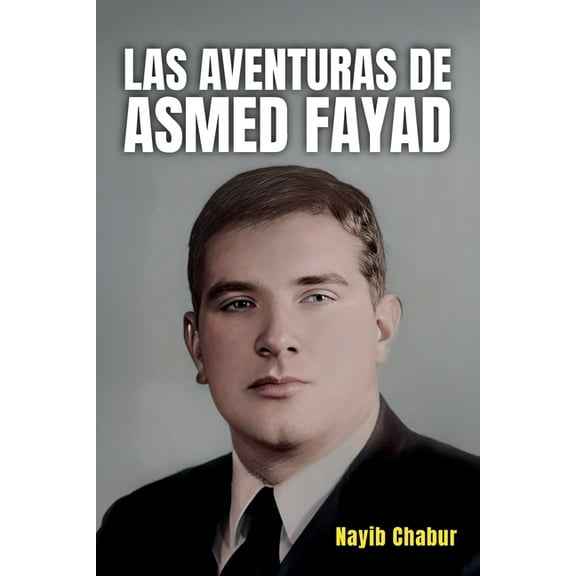
Las Aventuras de Asmed Fayad, (Paperback) $15.00
 $1500current price $15.00
Las Aventuras de Asmed Fayad, (Paperback)
Pan, (Paperback) $22.95
$2295current price $22.95Pan, (Paperback)
Widowhood: its Desolation and Consolations (Paperback) $32.90
 $3290current price $32.90
Widowhood: its Desolation and Consolations (Paperback)
Dendrites, (Paperback) $17.26
 $1726current price $17.26
Dendrites, (Paperback)
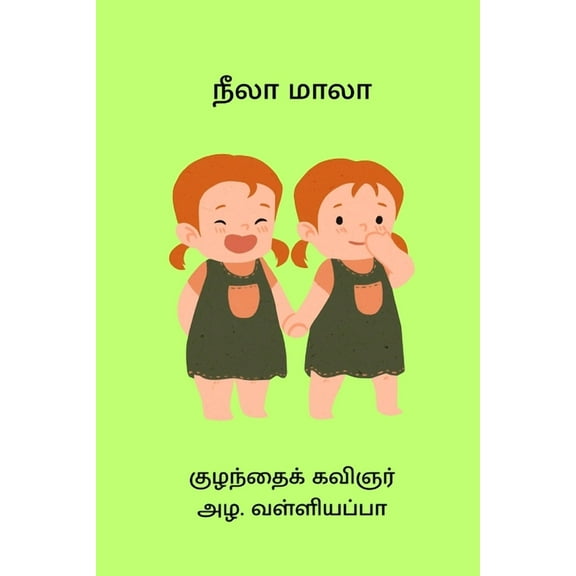
Neela Mala, (Paperback) $22.57
 $2257current price $22.57
Neela Mala, (Paperback)
Nalla Nanbargal, (Paperback) $15.01
 $1501current price $15.01
Nalla Nanbargal, (Paperback)
Pillai Paruvathiley, (Paperback) $16.99
 $1699current price $16.99
Pillai Paruvathiley, (Paperback)
Anonymi Orestis Tragoedia Emendatiorem, (Paperback) $15.95
 $1595current price $15.95
Anonymi Orestis Tragoedia Emendatiorem, (Paperback)
Customer ratings & reviews
0 ratings|0 reviews
This item does not have any reviews yet
