


Poisonous Muse : The Female Poisoner and the Framing of Popular Authorship in Jacksonian America (Paperback)
(No ratings yet)
Key item features
The nineteenth century was, we have been told, the “century of the poisoner,” when Britain and the United States trembled under an onslaught of unruly women who poisoned husbands with gleeful abandon. That story, however, is only half true. While British authorities did indeed round up and execute a number of impoverished women with minimal evidence and fomented media hysteria, American juries refused to convict suspected women and newspapers laughed at men who feared them.
This difference in outcome doesn’t mean that poisonous women didn’t preoccupy Americans. In the decades following Andrew Jackson’s first presidential bid, Americans buzzed over women who used poison to kill men. They produced and devoured reams of ephemeral newsprint, cheap trial transcripts, and sensational “true” pamphlets, as well as novels, plays, and poems. Female poisoners served as crucial elements in the literary manifestos of writers from Nathaniel Hawthorne and Edgar Allan Poe to George Lippard and the cheap pamphleteer E. E. Barclay, but these characters were given a strangely positive spin, appearing as innocent victims, avenging heroes, or engaging humbugs.
The reason for this poison predilection lies in the political logic of metaphor. Nineteenth-century Britain strove to rein in democratic and populist movements by labeling popular print “poison” and its providers “poisoners,” drawing on centuries of established metaphor that negatively associated poison, women, and popular speech or writing. Jacksonian America, by contrast, was ideologically committed to the popular—although what and who counted as such was up for serious debate. The literary gadfly John Neal called on his fellow Jacksonian writers to defy British critical standards, saying, “Let us have poison.” Poisonous Muse investigates how they answered, how they deployed the figure of the female poisoner to theorize popular authorship, to validate or undermine it, and to fight over its limits, particularly its political, gendered, and racial boundaries.
Poisonous Muse tracks the progress of this debate from approximately 1820 to 1845. Uncovering forgotten writers and restoring forgotten context to well-remembered authors, it seeks to understand Jacksonian print culture from the inside out, through its own poisonous language.
This difference in outcome doesn’t mean that poisonous women didn’t preoccupy Americans. In the decades following Andrew Jackson’s first presidential bid, Americans buzzed over women who used poison to kill men. They produced and devoured reams of ephemeral newsprint, cheap trial transcripts, and sensational “true” pamphlets, as well as novels, plays, and poems. Female poisoners served as crucial elements in the literary manifestos of writers from Nathaniel Hawthorne and Edgar Allan Poe to George Lippard and the cheap pamphleteer E. E. Barclay, but these characters were given a strangely positive spin, appearing as innocent victims, avenging heroes, or engaging humbugs.
The reason for this poison predilection lies in the political logic of metaphor. Nineteenth-century Britain strove to rein in democratic and populist movements by labeling popular print “poison” and its providers “poisoners,” drawing on centuries of established metaphor that negatively associated poison, women, and popular speech or writing. Jacksonian America, by contrast, was ideologically committed to the popular—although what and who counted as such was up for serious debate. The literary gadfly John Neal called on his fellow Jacksonian writers to defy British critical standards, saying, “Let us have poison.” Poisonous Muse investigates how they answered, how they deployed the figure of the female poisoner to theorize popular authorship, to validate or undermine it, and to fight over its limits, particularly its political, gendered, and racial boundaries.
Poisonous Muse tracks the progress of this debate from approximately 1820 to 1845. Uncovering forgotten writers and restoring forgotten context to well-remembered authors, it seeks to understand Jacksonian print culture from the inside out, through its own poisonous language.
Specs
- Book formatPaperback
- Fiction/nonfictionNon-Fiction
- Publication dateApril, 2016
- Pages258
- Edition1st Edition
- PublisherUniversity of Iowa Press
Current price is USD$81.67
Price when purchased online
Out of stock
How do you want your item?
Out of stock
About this item
Product details
Nineteenth-century Britain strove to rein in democratic and populist movements by labeling popular print “poison” and its providers “poisoners,” drawing on centuries of established metaphor that negatively associated poison, women, and popular speech or writing. Jacksonian America, by contrast, was ideologically committed to the popular—although what and who counted as such was up for serious debate. The literary gadfly John Neal called on his fellow Jacksonian writers to defy British critical standards, saying, “Let us have poison.” Poisonous Muse investigates how they answered, how they deployed the figure of the female poisoner to theorize popular authorship, to validate or undermine it, and to fight over its limits, particularly its political, gendered, and racial boundaries.
Poisonous Muse tracks the progress of this debate from approximately 1820 to 1845. Uncovering forgotten writers and restoring forgotten context to well-remembered authors, it seeks to understand Jacksonian print culture from the inside out, through its own poisonous language.
Poisonous Muse tracks the progress of this debate from approximately 1820 to 1845. Uncovering forgotten writers and restoring forgotten context to well-remembered authors, it seeks to understand Jacksonian print culture from the inside out, through its own poisonous language.
The nineteenth century was, we have been told, the “century of the poisoner,” when Britain and the United States trembled under an onslaught of unruly women who poisoned husbands with gleeful abandon. That story, however, is only half true. While British authorities did indeed round up and execute a number of impoverished women with minimal evidence and fomented media hysteria, American juries refused to convict suspected women and newspapers laughed at men who feared them.
This difference in outcome doesn’t mean that poisonous women didn’t preoccupy Americans. In the decades following Andrew Jackson’s first presidential bid, Americans buzzed over women who used poison to kill men. They produced and devoured reams of ephemeral newsprint, cheap trial transcripts, and sensational “true” pamphlets, as well as novels, plays, and poems. Female poisoners served as crucial elements in the literary manifestos of writers from Nathaniel Hawthorne and Edgar Allan Poe to George Lippard and the cheap pamphleteer E. E. Barclay, but these characters were given a strangely positive spin, appearing as innocent victims, avenging heroes, or engaging humbugs.
The reason for this poison predilection lies in the political logic of metaphor. Nineteenth-century Britain strove to rein in democratic and populist movements by labeling popular print “poison” and its providers “poisoners,” drawing on centuries of established metaphor that negatively associated poison, women, and popular speech or writing. Jacksonian America, by contrast, was ideologically committed to the popular—although what and who counted as such was up for serious debate. The literary gadfly John Neal called on his fellow Jacksonian writers to defy British critical standards, saying, “Let us have poison.” Poisonous Muse investigates how they answered, how they deployed the figure of the female poisoner to theorize popular authorship, to validate or undermine it, and to fight over its limits, particularly its political, gendered, and racial boundaries.
Poisonous Muse tracks the progress of this debate from approximately 1820 to 1845. Uncovering forgotten writers and restoring forgotten context to well-remembered authors, it seeks to understand Jacksonian print culture from the inside out, through its own poisonous language.
This difference in outcome doesn’t mean that poisonous women didn’t preoccupy Americans. In the decades following Andrew Jackson’s first presidential bid, Americans buzzed over women who used poison to kill men. They produced and devoured reams of ephemeral newsprint, cheap trial transcripts, and sensational “true” pamphlets, as well as novels, plays, and poems. Female poisoners served as crucial elements in the literary manifestos of writers from Nathaniel Hawthorne and Edgar Allan Poe to George Lippard and the cheap pamphleteer E. E. Barclay, but these characters were given a strangely positive spin, appearing as innocent victims, avenging heroes, or engaging humbugs.
The reason for this poison predilection lies in the political logic of metaphor. Nineteenth-century Britain strove to rein in democratic and populist movements by labeling popular print “poison” and its providers “poisoners,” drawing on centuries of established metaphor that negatively associated poison, women, and popular speech or writing. Jacksonian America, by contrast, was ideologically committed to the popular—although what and who counted as such was up for serious debate. The literary gadfly John Neal called on his fellow Jacksonian writers to defy British critical standards, saying, “Let us have poison.” Poisonous Muse investigates how they answered, how they deployed the figure of the female poisoner to theorize popular authorship, to validate or undermine it, and to fight over its limits, particularly its political, gendered, and racial boundaries.
Poisonous Muse tracks the progress of this debate from approximately 1820 to 1845. Uncovering forgotten writers and restoring forgotten context to well-remembered authors, it seeks to understand Jacksonian print culture from the inside out, through its own poisonous language.
info:
We aim to show you accurate product information. Manufacturers, suppliers and others provide what you see here, and we have not verified it.
Specifications
Book format
Paperback
Fiction/nonfiction
Non-Fiction
Genre
Literary Criticism/Subjects & Themes - Women
Publication date
April, 2016
Warranty
Warranty information
Please be aware that the warranty terms on items offered for sale by third party Marketplace sellers may differ from those displayed in this section (if any). To confirm warranty terms on an item offered for sale by a third party Marketplace seller, please use the 'Contact seller' feature on the third party Marketplace seller's information page and request the item's warranty terms prior to purchase.
Similar items you might like
Based on what customers bought
Shadow of the Solstice: A Leaphorn, Chee and Manuelito Novel (Paperback) $15.20
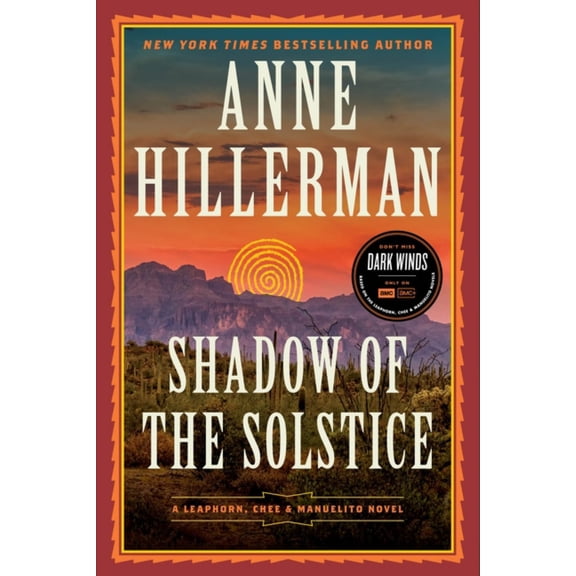 $1520current price $15.20
Shadow of the Solstice: A Leaphorn, Chee and Manuelito Novel (Paperback)
Letting Frogs Go, (Paperback) $12.95 Was $17.99
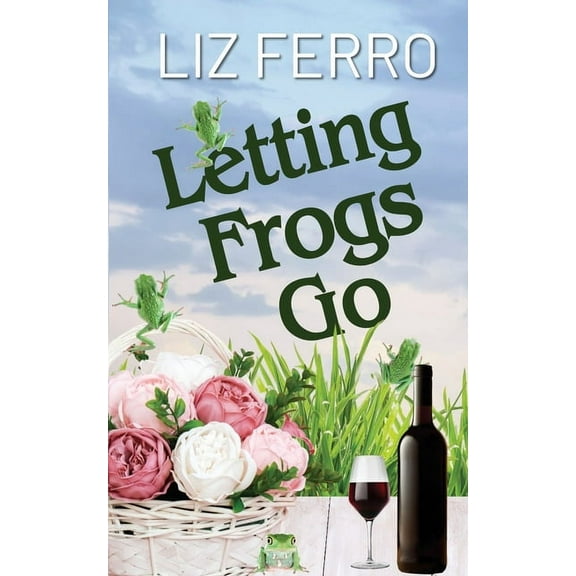 $1295current price $12.95, Was $17.99$17.99
Letting Frogs Go, (Paperback)
Pretty as a Peach, (Paperback) $18.98
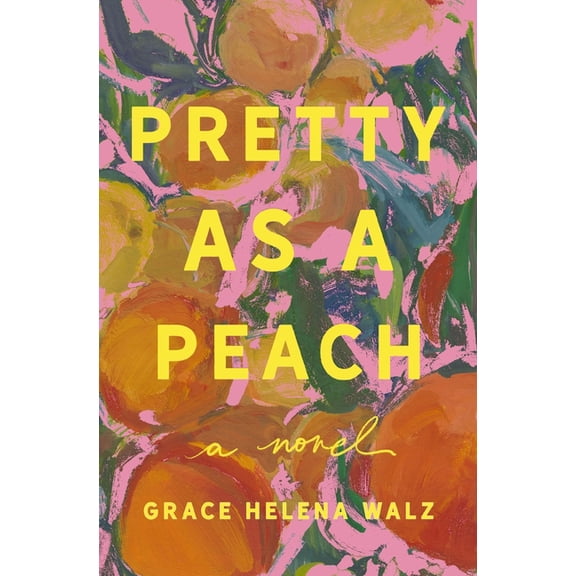 $1898current price $18.98
Pretty as a Peach, (Paperback)
Siren's Capture, (Paperback) $22.00
 $2200current price $22.00
Siren's Capture, (Paperback)
Wild People Quiet: A Novel (Paperback) $14.24 Was $18.99
 $1424current price $14.24, Was $18.99$18.99
Wild People Quiet: A Novel (Paperback)
The Life of Herod the Great: A Novel (Paperback) $16.00
 $1600current price $16.00
The Life of Herod the Great: A Novel (Paperback)
Single Girls, (Paperback) $36.00
 $3600current price $36.00
Single Girls, (Paperback)
Pre-Owned Kiss of the Spider Woman (Paperback) 0679724494 9780679724490 $5.27 Was $5.87
 $527current price $5.27, Was $5.87$5.87
Pre-Owned Kiss of the Spider Woman (Paperback) 0679724494 9780679724490
13 out of 5 Stars. 1 reviewsBest seller The Great Alone: A Novel (Paperback) $15.23 Was $17.99
Best seller $1523current price $15.23, Was $17.99$17.99
The Great Alone: A Novel (Paperback)
864.8 out of 5 Stars. 86 reviewsThe Queen of Wishful Thinking, (Paperback) $15.66
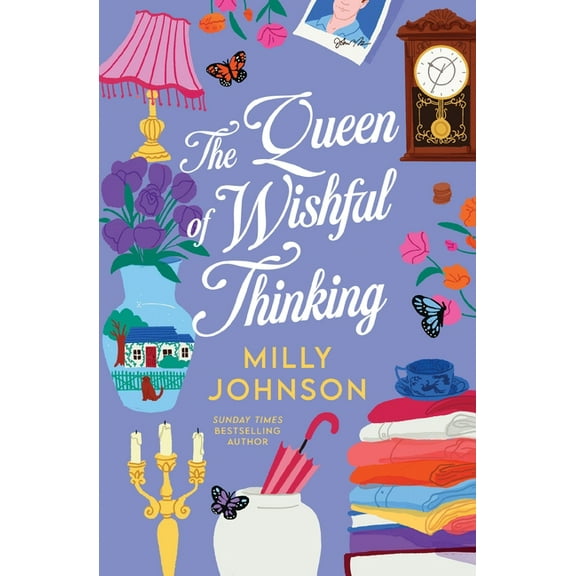 $1566current price $15.66
The Queen of Wishful Thinking, (Paperback)
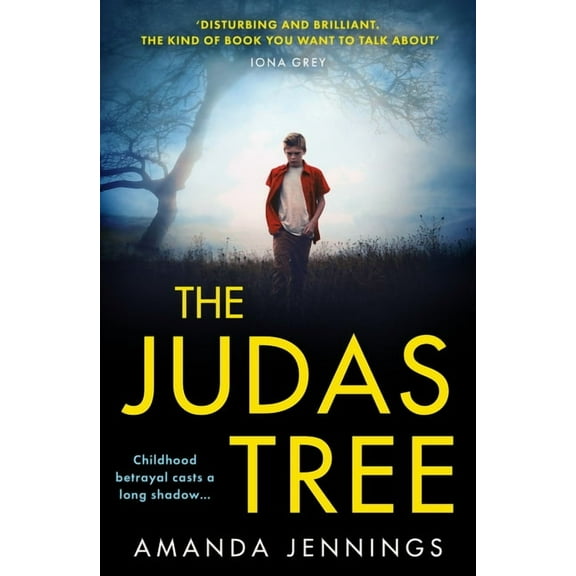
The Judas Tree, (Paperback) $13.59
 $1359current price $13.59
The Judas Tree, (Paperback)
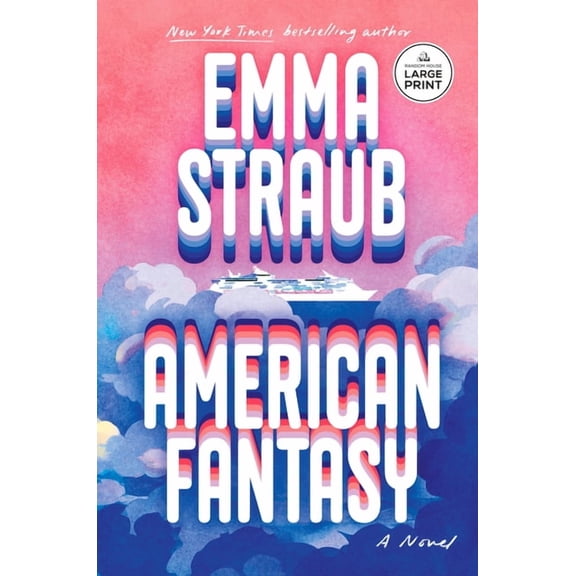
American Fantasy, (Paperback) $26.66
 $2666current price $26.66
American Fantasy, (Paperback)
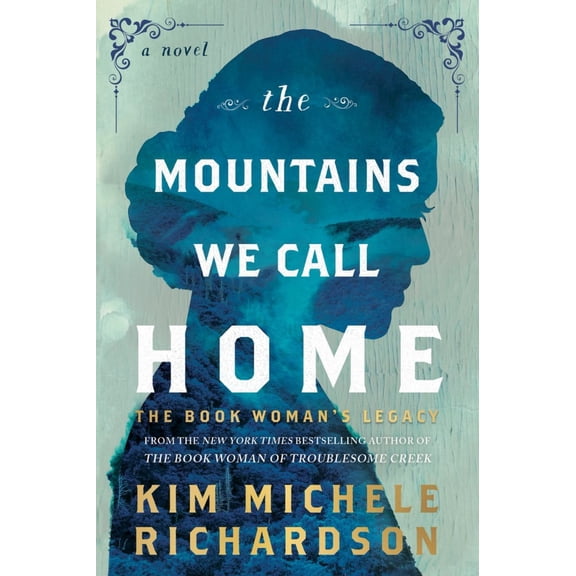
The Mountains We Call Home: The Book Woman's Legacy (Paperback) $17.70
 $1770current price $17.70
The Mountains We Call Home: The Book Woman's Legacy (Paperback)
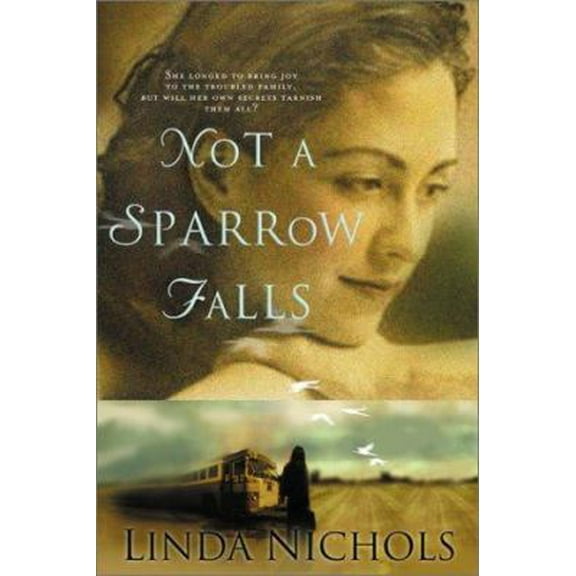
Pre-Owned Not a Sparrow Falls (Paperback) 0764227270 9780764227271 $4.57 6.9 ¢/lb
 3 optionsAvailable in additional 3 options$457current price $4.576.9 ¢/lb
Pre-Owned Not a Sparrow Falls (Paperback) 0764227270 9780764227271
34 out of 5 Stars. 3 reviewsThe Old Gals' Bucket List, (Paperback) $18.87
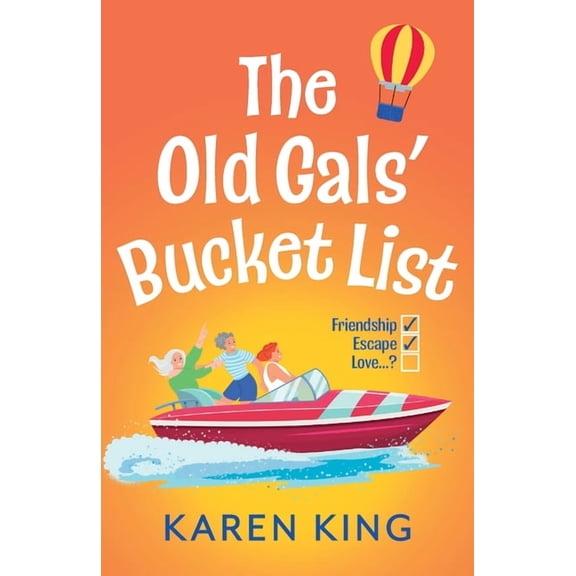 $1887current price $18.87
The Old Gals' Bucket List, (Paperback)
15 out of 5 Stars. 1 reviewsMy Dreadful Body, (Paperback) $17.95
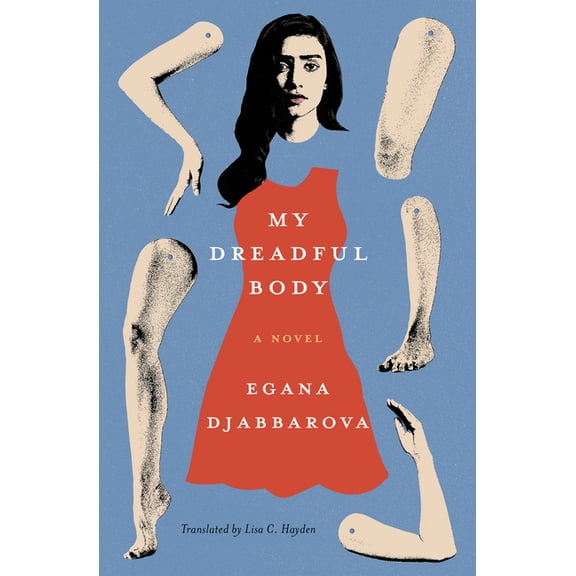 $1795current price $17.95
My Dreadful Body, (Paperback)
Creatures That Once Were Men : in large print (Paperback) $39.90
 $3990current price $39.90
Creatures That Once Were Men : in large print (Paperback)
A Mulberry Lane Novel Tea for Three, Book 1, (Paperback) $16.99
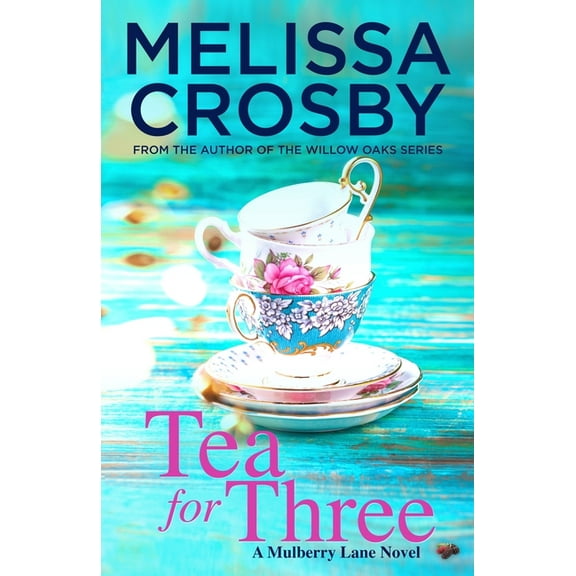 $1699current price $16.99
A Mulberry Lane Novel Tea for Three, Book 1, (Paperback)
Customer ratings & reviews
0 ratings|0 reviews
This item does not have any reviews yet
