


The Stone Soup Experiment : Why Cultural Boundaries Persist (Paperback)
(No ratings yet)
Key item features
The Stone Soup Experiment is a remarkable story of cultural difference, of in-groups, out-groups, and how quickly and strongly the lines between them are drawn. It is also a story about simulation and reality, and how quickly the lines between them can be dismantled. In a compulsively readable account, Deborah Downing Wilson details a ten-week project in which forty university students were split into two different simulated cultures: the carefree Stoners, and the market-driven Traders. Through their eyes we are granted intimate access to the very foundations of human society: how group identities are formed and what happens when opposing ones come into contact.
The experience of the Stoners and Traders is a profound testament to human sociality. Even in the form of simulation, even as a game, the participants found themselves quickly—and with real conviction—bound to the ideologies and practices of their in-group. The Stoners enjoyed their days lounging, chatting, and making crafts, while the Traders—through a complex market of playing cards—competed for the highest bankrolls. When they came into contact, misunderstanding, competition, and even manipulation prevailed, to the point that each group became so convinced of its own superiority that even after the simulation’s end the students could not reconcile.
Throughout her riveting narrative, Downing Wilson interweaves fascinating discussions on the importance of play, emotions, and intergroup interaction in the formation and maintenance of group identities, as well as on the dynamic social processes at work when different cultural groups interact. A fascinating account of social experimentation, the book paints a vivid portrait of our deepest social tendencies and the powers they have over how we make friends and enemies alike.
The experience of the Stoners and Traders is a profound testament to human sociality. Even in the form of simulation, even as a game, the participants found themselves quickly—and with real conviction—bound to the ideologies and practices of their in-group. The Stoners enjoyed their days lounging, chatting, and making crafts, while the Traders—through a complex market of playing cards—competed for the highest bankrolls. When they came into contact, misunderstanding, competition, and even manipulation prevailed, to the point that each group became so convinced of its own superiority that even after the simulation’s end the students could not reconcile.
Throughout her riveting narrative, Downing Wilson interweaves fascinating discussions on the importance of play, emotions, and intergroup interaction in the formation and maintenance of group identities, as well as on the dynamic social processes at work when different cultural groups interact. A fascinating account of social experimentation, the book paints a vivid portrait of our deepest social tendencies and the powers they have over how we make friends and enemies alike.
Specs
- Book formatPaperback
- Fiction/nonfictionNon-Fiction
- GenreTextbooks
- Publication dateOctober, 2015
- Pages176
- Edition1
Current price is USD$25.53
Price when purchased online
- Free shipping
 Free 30-day returns
How do you want your item?
Columbus, 43215
Arrives between May 14 - May 20
|
Sold and shipped by newbookdeals
4.558899844317592 stars out of 5, based on 1927 seller reviews(4.6)1927 seller reviews

Free 30-day returns
About this item
Product details
The Stone Soup Experiment tells the often surprising story of a cultural simulation game the author entered into with a class of undergraduate psychology students in the spring of 2008. It was part of a participatory science investigation designed to shed light on the ways culture emerges in newly-forming groups and the ways common understandings are developed among potential group members. As a researcher, Downing Wilson hoped to see evidence of the students’ identification with their groups, the invention and elaboration of cultural conventions and materials, as well as the borrowing and adaptation of cultural products from other groups when they came into contact with each other. Despite her knowledge from the relevant literature, the author was surprised by the strong emotional investments demonstrated by all of those involved, by the almost immediate formation of well-defined in-group vs. out-group boundaries, by the complexity and intensity of the negotiations that took place when these boundaries were breached, and by the sustained identification with the “natal” group long after the simulation phase of the investigation was over. As she says in her introduction, “I was completely unprepared for the stealing, cheating, lying, conspiracy, and betrayal that sent the project careening in entirely unexpected ways, and I certainly did not expect to be consumed by the group competition in a way that distorted my perspective and made impartial analyses impossible.” Even at the end of the class when the simulation was finished, the author’s efforts at reconciliation further polarized the groups and the group leaders alike. If they learned nothing else, they are all now certain that they did indeed create two distinct cultural groups, and that cultural boundaries are far easier to construct and fortify than they are to negotiate or tear down.
The Stone Soup Experiment is a remarkable story of cultural difference, of in-groups, out-groups, and how quickly and strongly the lines between them are drawn. It is also a story about simulation and reality, and how quickly the lines between them can be dismantled. In a compulsively readable account, Deborah Downing Wilson details a ten-week project in which forty university students were split into two different simulated cultures: the carefree Stoners, and the market-driven Traders. Through their eyes we are granted intimate access to the very foundations of human society: how group identities are formed and what happens when opposing ones come into contact.
The experience of the Stoners and Traders is a profound testament to human sociality. Even in the form of simulation, even as a game, the participants found themselves quickly—and with real conviction—bound to the ideologies and practices of their in-group. The Stoners enjoyed their days lounging, chatting, and making crafts, while the Traders—through a complex market of playing cards—competed for the highest bankrolls. When they came into contact, misunderstanding, competition, and even manipulation prevailed, to the point that each group became so convinced of its own superiority that even after the simulation’s end the students could not reconcile.
Throughout her riveting narrative, Downing Wilson interweaves fascinating discussions on the importance of play, emotions, and intergroup interaction in the formation and maintenance of group identities, as well as on the dynamic social processes at work when different cultural groups interact. A fascinating account of social experimentation, the book paints a vivid portrait of our deepest social tendencies and the powers they have over how we make friends and enemies alike.
The experience of the Stoners and Traders is a profound testament to human sociality. Even in the form of simulation, even as a game, the participants found themselves quickly—and with real conviction—bound to the ideologies and practices of their in-group. The Stoners enjoyed their days lounging, chatting, and making crafts, while the Traders—through a complex market of playing cards—competed for the highest bankrolls. When they came into contact, misunderstanding, competition, and even manipulation prevailed, to the point that each group became so convinced of its own superiority that even after the simulation’s end the students could not reconcile.
Throughout her riveting narrative, Downing Wilson interweaves fascinating discussions on the importance of play, emotions, and intergroup interaction in the formation and maintenance of group identities, as well as on the dynamic social processes at work when different cultural groups interact. A fascinating account of social experimentation, the book paints a vivid portrait of our deepest social tendencies and the powers they have over how we make friends and enemies alike.
info:
We aim to show you accurate product information. Manufacturers, suppliers and others provide what you see here, and we have not verified it.
Specifications
Book format
Paperback
Fiction/nonfiction
Non-Fiction
Genre
Textbooks
Publication date
October, 2015
Warranty
Warranty information
Please be aware that the warranty terms on items offered for sale by third party Marketplace sellers may differ from those displayed in this section (if any). To confirm warranty terms on an item offered for sale by a third party Marketplace seller, please use the 'Contact seller' feature on the third party Marketplace seller's information page and request the item's warranty terms prior to purchase.
Warnings
State Chemical Disclosure
None
Similar items you might like
Based on what customers bought
Misteriosos DÃas de Jesús Resucitado, Los, (Paperback) $18.89
 $1889current price $18.89
Misteriosos DÃas de Jesús Resucitado, Los, (Paperback)
War In Soil, (Paperback) $22.99
 $2299current price $22.99
War In Soil, (Paperback)
Returning Amanda, (Paperback) $7.99
 $799current price $7.99
Returning Amanda, (Paperback)
L'évolution psychologique de la personnalité, (Paperback) $22.41
 $2241current price $22.41
L'évolution psychologique de la personnalité, (Paperback)
A Life's Work, (Paperback) $25.37 Was $31.31
 $2537current price $25.37, Was $31.31$31.31
A Life's Work, (Paperback)
Rückkehr aus dem Exil, (Paperback) $25.00
 $2500current price $25.00
Rückkehr aus dem Exil, (Paperback)
Lekti Kreyòl Liv Aktivite 2: Liv Aktivite 2, (Paperback) $24.95
 $2495current price $24.95
Lekti Kreyòl Liv Aktivite 2: Liv Aktivite 2, (Paperback)
Sandy Curle: Letters home from liberated Ethiopia 1941-1945, (Paperback) $34.13
 $3413current price $34.13
Sandy Curle: Letters home from liberated Ethiopia 1941-1945, (Paperback)
Dressed for the Kingdom of God, (Paperback) $21.45
 $2145current price $21.45
Dressed for the Kingdom of God, (Paperback)
Anansi's Journey: A Story of Jamaican Cultural Resistance, (Paperback) $35.00
 $3500current price $35.00
Anansi's Journey: A Story of Jamaican Cultural Resistance, (Paperback)
The Life of Lady Jane Grey (Paperback) $27.75
 $2775current price $27.75
The Life of Lady Jane Grey (Paperback)
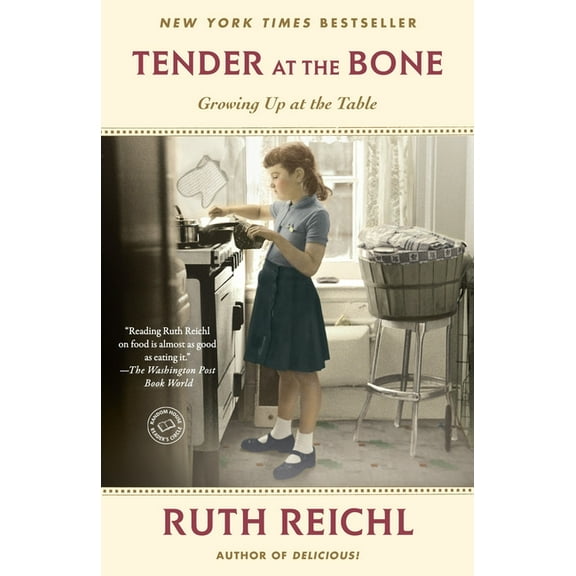
Random House Reader's Circle Tender at the Bone: Growing Up at the Table, (Paperback) $11.06
 $1106current price $11.06
Random House Reader's Circle Tender at the Bone: Growing Up at the Table, (Paperback)
Heritage Observations on the Alewife, Pomolobus Pseudoharengus (Wilson), in Fresh Wate, (Paperback) $16.52
 $1652current price $16.52
Heritage Observations on the Alewife, Pomolobus Pseudoharengus (Wilson), in Fresh Wate, (Paperback)
BA Kompakt Dienstleistung Und Produktion, (Paperback) $29.99
 $2999current price $29.99
BA Kompakt Dienstleistung Und Produktion, (Paperback)
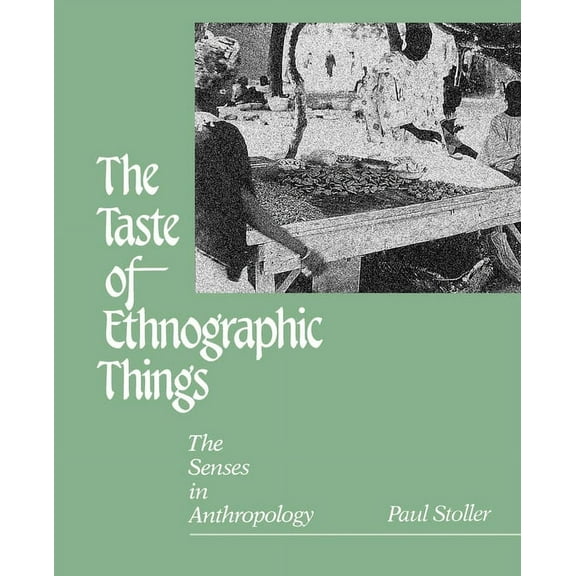
Contemporary Ethnography The Taste of Ethnographic Things: The Senses in Anthropology, (Paperback) $23.81
 $2381current price $23.81
Contemporary Ethnography The Taste of Ethnographic Things: The Senses in Anthropology, (Paperback)
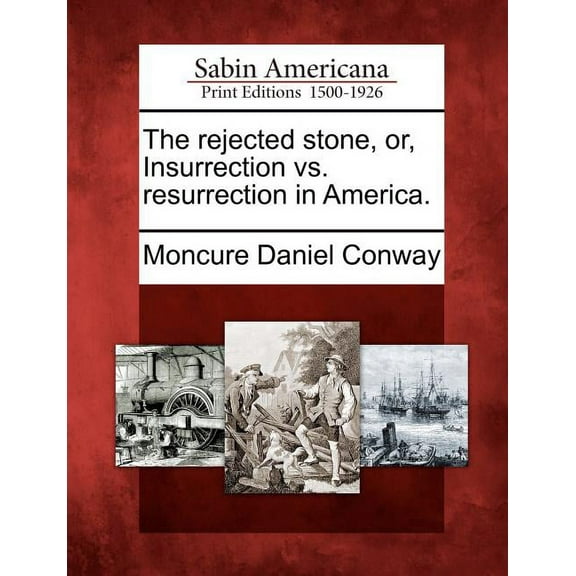
The Rejected Stone, Or, Insurrection vs. Resurrection in America. (Paperback) $16.49 Was $20.34
 $1649current price $16.49, Was $20.34$20.34
The Rejected Stone, Or, Insurrection vs. Resurrection in America. (Paperback)
Setting Boundaries, (Paperback) $28.04
 $2804current price $28.04
Setting Boundaries, (Paperback)
de Gruyter Studium Gemeindepädagogik, (Paperback) $23.87
 $2387current price $23.87
de Gruyter Studium Gemeindepädagogik, (Paperback)
Les Démocrates Assermentés Et Les Réfractaires (Paperback) $17.95
 $1795current price $17.95
Les Démocrates Assermentés Et Les Réfractaires (Paperback)
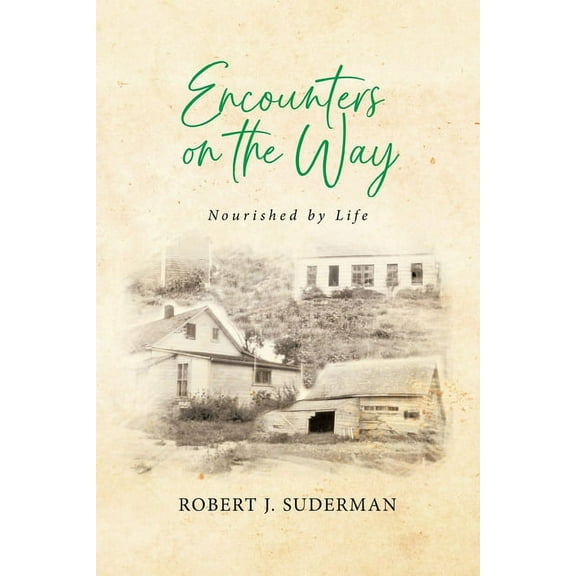
Encounters on the Way: Nourished by Life, (Paperback) $13.18
 $1318current price $13.18
Encounters on the Way: Nourished by Life, (Paperback)
Customer ratings & reviews
0 ratings|0 reviews
This item does not have any reviews yet

Related pages
- Summer Deals
- Chicken Soup Teenage Soul
- Literature Holt Mcdougal
- Dr Bruce Lipton
- Chicken Soup Soul Teenage
- Joey Doesnt Share Food
- Make America Eat Again
- People with Disabilities Biographies & Memoirs
- Eating Disorders & Body Image Social Themes Teen & Young Adult Books
- Homelessness & Poverty Kids' Books
- Eating Disorders & Body Image Self-Help Books
- Bullying