


Hero image 0 of Medicine and Society: Mind Games : American Culture and the Birth of Psychotherapy (Series #9) (Edition 1) (Paperback), 0 of 1
Medicine and Society: Mind Games : American Culture and the Birth of Psychotherapy (Series #9) (Edition 1) (Paperback)
(No ratings yet)
Key item features
Eric Caplan's fascinating exploration of Victorian culture in the United States shatters the myth of Freud's seminal role in the creation of American psychotherapy. Resurrecting the long-buried "prehistory" of American mental therapeutics, Mind Games tells the remarkable story of how a widely assorted group of actors—none of them hailing from Vienna or from any other European city—compelled a reluctant medical profession to accept a new role for the mind in medicine. By the time Freud first set foot on American soil in 1909, as Caplan demonstrates, psychotherapy was already integrally woven into the fabric of American culture and medicine.
What came to be known as psychotherapy emerged in the face of considerable opposition, much—indeed most—of which was generated by the medical profession itself. Caplan examines the contentious interplay within the American medical community, as well as between American physicians and their lay rivals, who included faith-healers, mind-curists, Christian Scientists, and Protestant ministers. These early practitioners of alternative medicine ultimately laid the groundwork for a distinctive and much heralded American type of psychotherapy. Its grudging acceptance by both medical elites and rank and file physicians signified their understanding that reliance on physical therapies to treat nervous and mental symptoms compromised their capacity to treat—and compete—effectively in a rapidly expanding mental-medical marketplace. Mind Games shows how psychotherapy came to occupy its central position in mainstream American culture.
What came to be known as psychotherapy emerged in the face of considerable opposition, much—indeed most—of which was generated by the medical profession itself. Caplan examines the contentious interplay within the American medical community, as well as between American physicians and their lay rivals, who included faith-healers, mind-curists, Christian Scientists, and Protestant ministers. These early practitioners of alternative medicine ultimately laid the groundwork for a distinctive and much heralded American type of psychotherapy. Its grudging acceptance by both medical elites and rank and file physicians signified their understanding that reliance on physical therapies to treat nervous and mental symptoms compromised their capacity to treat—and compete—effectively in a rapidly expanding mental-medical marketplace. Mind Games shows how psychotherapy came to occupy its central position in mainstream American culture.
Specs
- Book formatPaperback
- Fiction/nonfictionNon-Fiction
- Publication dateMarch, 2001
- Pages246
- SubgenreHistory
- Series titleMedicine and Society
Current price is USD$38.80
Price when purchased online
Out of stock
How do you want your item?
Out of stock
About this item
Product details
Eric Caplan's fascinating exploration of Victorian culture in the United States shatters the myth of Freud's seminal role in the creation of American psychotherapy. Resurrecting the long-buried "prehistory" of American mental therapeutics, Mind Games tells the remarkable story of how a widely assorted group of actors-none of them hailing from Vienna or from any other European city-compelled a reluctant medical profession to accept a new role for the mind in medicine. By the time Freud first set foot on American soil in 1909, as Caplan demonstrates, psychotherapy was already integrally woven into the fabric of American culture and medicine.
What came to be known as psychotherapy emerged in the face of considerable opposition, much-indeed most-of which was generated by the medical profession itself. Caplan examines the contentious interplay within the American medical community, as well as between American physicians and their lay rivals, who included faith-healers, mind-curists, Christian Scientists, and Protestant ministers. These early practitioners of alternative medicine ultimately laid the groundwork for a distinctive and much heralded American type of psychotherapy. Its grudging acceptance by both medical elites and rank and file physicians signified their understanding that reliance on physical therapies to treat nervous and mental symptoms compromised their capacity to treat-and compete-effectively in a rapidly expanding mental-medical marketplace. Mind Games shows how psychotherapy came to occupy its central position in mainstream American culture.
What came to be known as psychotherapy emerged in the face of considerable opposition, much-indeed most-of which was generated by the medical profession itself. Caplan examines the contentious interplay within the American medical community, as well as between American physicians and their lay rivals, who included faith-healers, mind-curists, Christian Scientists, and Protestant ministers. These early practitioners of alternative medicine ultimately laid the groundwork for a distinctive and much heralded American type of psychotherapy. Its grudging acceptance by both medical elites and rank and file physicians signified their understanding that reliance on physical therapies to treat nervous and mental symptoms compromised their capacity to treat-and compete-effectively in a rapidly expanding mental-medical marketplace. Mind Games shows how psychotherapy came to occupy its central position in mainstream American culture.
Eric Caplan's fascinating exploration of Victorian culture in the United States shatters the myth of Freud's seminal role in the creation of American psychotherapy. Resurrecting the long-buried "prehistory" of American mental therapeutics, Mind Games tells the remarkable story of how a widely assorted group of actors—none of them hailing from Vienna or from any other European city—compelled a reluctant medical profession to accept a new role for the mind in medicine. By the time Freud first set foot on American soil in 1909, as Caplan demonstrates, psychotherapy was already integrally woven into the fabric of American culture and medicine.
What came to be known as psychotherapy emerged in the face of considerable opposition, much—indeed most—of which was generated by the medical profession itself. Caplan examines the contentious interplay within the American medical community, as well as between American physicians and their lay rivals, who included faith-healers, mind-curists, Christian Scientists, and Protestant ministers. These early practitioners of alternative medicine ultimately laid the groundwork for a distinctive and much heralded American type of psychotherapy. Its grudging acceptance by both medical elites and rank and file physicians signified their understanding that reliance on physical therapies to treat nervous and mental symptoms compromised their capacity to treat—and compete—effectively in a rapidly expanding mental-medical marketplace. Mind Games shows how psychotherapy came to occupy its central position in mainstream American culture.
What came to be known as psychotherapy emerged in the face of considerable opposition, much—indeed most—of which was generated by the medical profession itself. Caplan examines the contentious interplay within the American medical community, as well as between American physicians and their lay rivals, who included faith-healers, mind-curists, Christian Scientists, and Protestant ministers. These early practitioners of alternative medicine ultimately laid the groundwork for a distinctive and much heralded American type of psychotherapy. Its grudging acceptance by both medical elites and rank and file physicians signified their understanding that reliance on physical therapies to treat nervous and mental symptoms compromised their capacity to treat—and compete—effectively in a rapidly expanding mental-medical marketplace. Mind Games shows how psychotherapy came to occupy its central position in mainstream American culture.
info:
We aim to show you accurate product information. Manufacturers, suppliers and others provide what you see here, and we have not verified it.
Specifications
Book format
Paperback
Fiction/nonfiction
Non-Fiction
Genre
Political & Social Sciences
Publication date
March, 2001
Warranty
Warranty information
Please be aware that the warranty terms on items offered for sale by third party Marketplace sellers may differ from those displayed in this section (if any). To confirm warranty terms on an item offered for sale by a third party Marketplace seller, please use the 'Contact seller' feature on the third party Marketplace seller's information page and request the item's warranty terms prior to purchase.
Similar items you might like
Based on what customers bought
Psychology for Everyman (and Woman) (Paperback) $33.99
 $3399current price $33.99
Psychology for Everyman (and Woman) (Paperback)
Psychoanalysis & Culture Nightmares and Human Conflict, (Paperback) $38.85
 $3885current price $38.85
Psychoanalysis & Culture Nightmares and Human Conflict, (Paperback)
Best seller Wordsearch: With Over 500 Puzzles, (Paperback) $10.34
Best seller $1034current price $10.34
Wordsearch: With Over 500 Puzzles, (Paperback)
2214.5 out of 5 Stars. 221 reviewsThe American Practice Condensed, Or, the Family Physician (Paperback) $38.95
 $3895current price $38.95
The American Practice Condensed, Or, the Family Physician (Paperback)
Vital Signs: Nature, Culture, Psychoanalysis, (Paperback) $55.99
 $5599current price $55.99
Vital Signs: Nature, Culture, Psychoanalysis, (Paperback)
American Folklore Studies (P), (Paperback) $35.62
 $3562current price $35.62
American Folklore Studies (P), (Paperback)
Early Modern Cultural Studies My First Booke of My Life, (Paperback) $27.51
 $2751current price $27.51
Early Modern Cultural Studies My First Booke of My Life, (Paperback)
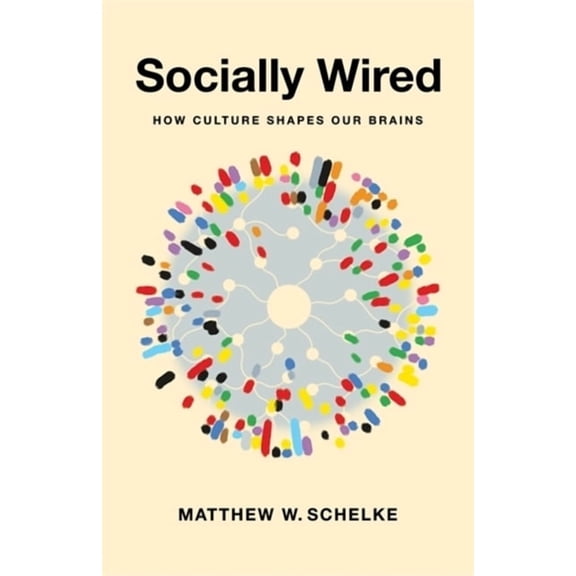
Socially Wired: How Culture Shapes Our Brains, (Paperback) $28.00
 $2800current price $28.00
Socially Wired: How Culture Shapes Our Brains, (Paperback)
The Psychology of Human Temporality, (Paperback) $33.00
 $3300current price $33.00
The Psychology of Human Temporality, (Paperback)
The family physician: Every man his own doctor, (Paperback) $36.33
 $3633current price $36.33
The family physician: Every man his own doctor, (Paperback)
Social Media and Mental Health, (Paperback) $29.16
 $2916current price $29.16
Social Media and Mental Health, (Paperback)
My America: The Culture of Giving (Paperback) $18.06 Was $22.95
 $1806current price $18.06, Was $22.95$22.95
My America: The Culture of Giving (Paperback)
International Psychoanalytical Associati Freud and Culture, (Paperback) $38.39 Was $47.99
 $3839current price $38.39, Was $47.99$47.99
International Psychoanalytical Associati Freud and Culture, (Paperback)
Psychology and the World of Work, (Paperback) $46.63
 $4663current price $46.63
Psychology and the World of Work, (Paperback)
McFarland Health Topics The American Cardiovascular Pandemic: A 100-Year History, (Paperback) $38.45
 $3845current price $38.45
McFarland Health Topics The American Cardiovascular Pandemic: A 100-Year History, (Paperback)
Patient Centered Medicine: A Human Experience, (Paperback) $65.23
 $6523current price $65.23
Patient Centered Medicine: A Human Experience, (Paperback)
Of Others Inside : Insanity, Addiction And Belonging in America (Paperback) $36.64
 $3664current price $36.64
Of Others Inside : Insanity, Addiction And Belonging in America (Paperback)
The Western Medical Tradition: 800 BC to Ad 1800, (Paperback) $36.70
 $3670current price $36.70
The Western Medical Tradition: 800 BC to Ad 1800, (Paperback)
The Social Brain : The Psychology of Successful Groups (Paperback) $19.72
 $1972current price $19.72
The Social Brain : The Psychology of Successful Groups (Paperback)
Understanding Mental Disorders: A Philosophical Approach to the Medicine of the Mind, (Paperback) $57.10
 $5710current price $57.10
Understanding Mental Disorders: A Philosophical Approach to the Medicine of the Mind, (Paperback)
Customer ratings & reviews
0 ratings|0 reviews
This item does not have any reviews yet
