

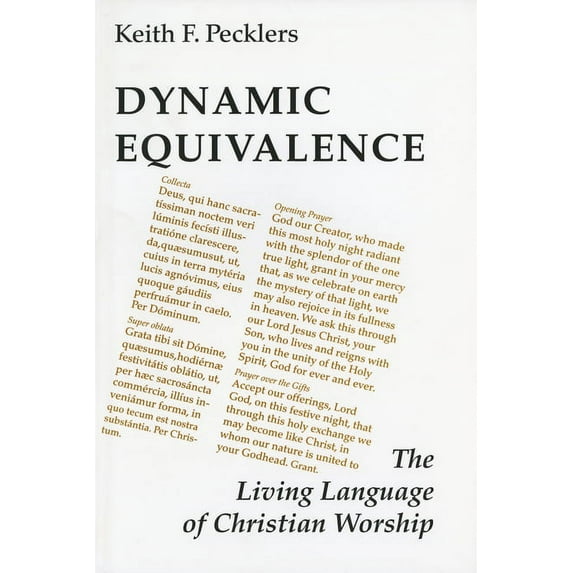
Hero image 0 of Dynamic Equivalence : The Living Language of Christian Worship (Paperback), 0 of 2
Dynamic Equivalence : The Living Language of Christian Worship (Paperback)
(No ratings yet)
Key item features
In studying the history of the vernacular in worship beginning with the Christian Scriptures, Dynamic Equivalence uncovers the power of a living language to transform communities of faith.
How we pray when we come together for common worship has always been significant, but the issue of liturgical language received unprecedented attention in the twentieth century when Latin Rite Roman Catholic worship was opened to the vernacular at Vatican II. Worshiping in one's native tongue continues to be of issue as the churches debate over what type of vernacular should be employed.
Dynamic Equivalence traces the history of liturgical language in the Western Christian tradition as a dynamic and living reality. Particular attention is paid to the twentieth century Vernacular Society within the United States and how the vernacular issue was treated at Vatican II, especially within an ecumenical context.
The first chapter offers a short history of the vernacular from the first century through the twentieth. The second and third chapters contain a significant amount of archival material, much of which has never been published before. These chapters tell the story of a mixed group of Catholic laity and clergy dedicated to promoting the vernacular during the first half of the twentieth century. Chapter Four begins with a survey of vernacular promotion in the Reformation itself, explores the issue of vernacular worship as an instrument of ecumenical hospitality and concludes with some examples of ecumenical liturgical cooperation in the years immediately preceding the Council. The final chapter treats the vernacular debate at the Council with attention to the Vernacular Society's role in helping with theimplementation of the vernacular.
Chapters are "A Brief History of the Vernacular," "The Origins of the Vernacular Society: 1946-1956," "Pressure for the Vernacular Mounts: 1956-1962," "Vernacular Worship and Ecumenical Exchange," "Vatican II and the Vindication of the Vernacular: 1962-1965"
Keith F. Pecklers, SJ, SLD, is professor of liturgy at the Pontifical Gregorian University in Rome and professor of liturgical history at the Pontifical Liturgical Institute of Sant ‘Anselmo. He is the author of The Unread Vision: The Liturgical Movement in the United States of America 1926-1955, and co-editor of Liturgy for the New Millennium: A Commentary on the Revised Sacramentary, published by The Liturgical Press.
How we pray when we come together for common worship has always been significant, but the issue of liturgical language received unprecedented attention in the twentieth century when Latin Rite Roman Catholic worship was opened to the vernacular at Vatican II. Worshiping in one's native tongue continues to be of issue as the churches debate over what type of vernacular should be employed.
Dynamic Equivalence traces the history of liturgical language in the Western Christian tradition as a dynamic and living reality. Particular attention is paid to the twentieth century Vernacular Society within the United States and how the vernacular issue was treated at Vatican II, especially within an ecumenical context.
The first chapter offers a short history of the vernacular from the first century through the twentieth. The second and third chapters contain a significant amount of archival material, much of which has never been published before. These chapters tell the story of a mixed group of Catholic laity and clergy dedicated to promoting the vernacular during the first half of the twentieth century. Chapter Four begins with a survey of vernacular promotion in the Reformation itself, explores the issue of vernacular worship as an instrument of ecumenical hospitality and concludes with some examples of ecumenical liturgical cooperation in the years immediately preceding the Council. The final chapter treats the vernacular debate at the Council with attention to the Vernacular Society's role in helping with theimplementation of the vernacular.
Chapters are "A Brief History of the Vernacular," "The Origins of the Vernacular Society: 1946-1956," "Pressure for the Vernacular Mounts: 1956-1962," "Vernacular Worship and Ecumenical Exchange," "Vatican II and the Vindication of the Vernacular: 1962-1965"
Keith F. Pecklers, SJ, SLD, is professor of liturgy at the Pontifical Gregorian University in Rome and professor of liturgical history at the Pontifical Liturgical Institute of Sant ‘Anselmo. He is the author of The Unread Vision: The Liturgical Movement in the United States of America 1926-1955, and co-editor of Liturgy for the New Millennium: A Commentary on the Revised Sacramentary, published by The Liturgical Press.
Specs
- Book formatPaperback
- Fiction/nonfictionNon-Fiction
- GenreReligion
- Publication dateMay, 2003
- Pages264
- SubgenreReligion
Current price is USD$26.60
Price when purchased online
- Free shipping
 Free 30-day returns
$26.60
Out of stock
How do you want your item?
Ships to
Arrives between May 15 - May 18
|
Sold and shipped by Alibris Books
4.569214228115761 stars out of 5, based on 11161 seller reviews(4.6)11161 seller reviews

Free 30-day returns
Other sellers
$29.94
+Free shippingShipping, arrives by Tue, May 12 to Columbus, 43215
Sold and shipped by Walmart.com
Free 90-day returns
About this item
Product details
In studying the history of the vernacular in worship beginning with the Christian Scriptures, Dynamic Equivalence uncovers the power of a living language to transform communities of faith.
How we pray when we come together for common worship has always been significant, but the issue of liturgical language received unprecedented attention in the twentieth century when Latin Rite Roman Catholic worship was opened to the vernacular at Vatican II. Worshiping in one's native tongue continues to be of issue as the churches debate over what type of vernacular should be employed.
Dynamic Equivalence traces the history of liturgical language in the Western Christian tradition as a dynamic and living reality. Particular attention is paid to the twentieth century Vernacular Society within the United States and how the vernacular issue was treated at Vatican II, especially within an ecumenical context.
The first chapter offers a short history of the vernacular from the first century through the twentieth. The second and third chapters contain a significant amount of archival material, much of which has never been published before. These chapters tell the story of a mixed group of Catholic laity and clergy dedicated to promoting the vernacular during the first half of the twentieth century. Chapter Four begins with a survey of vernacular promotion in the Reformation itself, explores the issue of vernacular worship as an instrument of ecumenical hospitality and concludes with some examples of ecumenical liturgical cooperation in the years immediately preceding the Council. The final chapter treats the vernacular debate at the Council with attention to the Vernacular Society's role in helping with theimplementation of the vernacular.
Chapters are "A Brief History of the Vernacular," "The Origins of the Vernacular Society: 1946-1956," "Pressure for the Vernacular Mounts: 1956-1962," "Vernacular Worship and Ecumenical Exchange," "Vatican II and the Vindication of the Vernacular: 1962-1965"
Keith F. Pecklers, SJ, SLD, is professor of liturgy at the Pontifical Gregorian University in Rome and professor of liturgical history at the Pontifical Liturgical Institute of Sant 'Anselmo. He is the author of The Unread Vision: The Liturgical Movement in the United States of America 1926-1955, and co-editor of Liturgy for the New Millennium: A Commentary on the Revised Sacramentary, published by The Liturgical Press.
How we pray when we come together for common worship has always been significant, but the issue of liturgical language received unprecedented attention in the twentieth century when Latin Rite Roman Catholic worship was opened to the vernacular at Vatican II. Worshiping in one's native tongue continues to be of issue as the churches debate over what type of vernacular should be employed.
Dynamic Equivalence traces the history of liturgical language in the Western Christian tradition as a dynamic and living reality. Particular attention is paid to the twentieth century Vernacular Society within the United States and how the vernacular issue was treated at Vatican II, especially within an ecumenical context.
The first chapter offers a short history of the vernacular from the first century through the twentieth. The second and third chapters contain a significant amount of archival material, much of which has never been published before. These chapters tell the story of a mixed group of Catholic laity and clergy dedicated to promoting the vernacular during the first half of the twentieth century. Chapter Four begins with a survey of vernacular promotion in the Reformation itself, explores the issue of vernacular worship as an instrument of ecumenical hospitality and concludes with some examples of ecumenical liturgical cooperation in the years immediately preceding the Council. The final chapter treats the vernacular debate at the Council with attention to the Vernacular Society's role in helping with theimplementation of the vernacular.
Chapters are "A Brief History of the Vernacular," "The Origins of the Vernacular Society: 1946-1956," "Pressure for the Vernacular Mounts: 1956-1962," "Vernacular Worship and Ecumenical Exchange," "Vatican II and the Vindication of the Vernacular: 1962-1965"
Keith F. Pecklers, SJ, SLD, is professor of liturgy at the Pontifical Gregorian University in Rome and professor of liturgical history at the Pontifical Liturgical Institute of Sant 'Anselmo. He is the author of The Unread Vision: The Liturgical Movement in the United States of America 1926-1955, and co-editor of Liturgy for the New Millennium: A Commentary on the Revised Sacramentary, published by The Liturgical Press.
In studying the history of the vernacular in worship beginning with the Christian Scriptures, Dynamic Equivalence uncovers the power of a living language to transform communities of faith.
How we pray when we come together for common worship has always been significant, but the issue of liturgical language received unprecedented attention in the twentieth century when Latin Rite Roman Catholic worship was opened to the vernacular at Vatican II. Worshiping in one's native tongue continues to be of issue as the churches debate over what type of vernacular should be employed.
Dynamic Equivalence traces the history of liturgical language in the Western Christian tradition as a dynamic and living reality. Particular attention is paid to the twentieth century Vernacular Society within the United States and how the vernacular issue was treated at Vatican II, especially within an ecumenical context.
The first chapter offers a short history of the vernacular from the first century through the twentieth. The second and third chapters contain a significant amount of archival material, much of which has never been published before. These chapters tell the story of a mixed group of Catholic laity and clergy dedicated to promoting the vernacular during the first half of the twentieth century. Chapter Four begins with a survey of vernacular promotion in the Reformation itself, explores the issue of vernacular worship as an instrument of ecumenical hospitality and concludes with some examples of ecumenical liturgical cooperation in the years immediately preceding the Council. The final chapter treats the vernacular debate at the Council with attention to the Vernacular Society's role in helping with theimplementation of the vernacular.
Chapters are "A Brief History of the Vernacular," "The Origins of the Vernacular Society: 1946-1956," "Pressure for the Vernacular Mounts: 1956-1962," "Vernacular Worship and Ecumenical Exchange," "Vatican II and the Vindication of the Vernacular: 1962-1965"
Keith F. Pecklers, SJ, SLD, is professor of liturgy at the Pontifical Gregorian University in Rome and professor of liturgical history at the Pontifical Liturgical Institute of Sant ‘Anselmo. He is the author of The Unread Vision: The Liturgical Movement in the United States of America 1926-1955, and co-editor of Liturgy for the New Millennium: A Commentary on the Revised Sacramentary, published by The Liturgical Press.
How we pray when we come together for common worship has always been significant, but the issue of liturgical language received unprecedented attention in the twentieth century when Latin Rite Roman Catholic worship was opened to the vernacular at Vatican II. Worshiping in one's native tongue continues to be of issue as the churches debate over what type of vernacular should be employed.
Dynamic Equivalence traces the history of liturgical language in the Western Christian tradition as a dynamic and living reality. Particular attention is paid to the twentieth century Vernacular Society within the United States and how the vernacular issue was treated at Vatican II, especially within an ecumenical context.
The first chapter offers a short history of the vernacular from the first century through the twentieth. The second and third chapters contain a significant amount of archival material, much of which has never been published before. These chapters tell the story of a mixed group of Catholic laity and clergy dedicated to promoting the vernacular during the first half of the twentieth century. Chapter Four begins with a survey of vernacular promotion in the Reformation itself, explores the issue of vernacular worship as an instrument of ecumenical hospitality and concludes with some examples of ecumenical liturgical cooperation in the years immediately preceding the Council. The final chapter treats the vernacular debate at the Council with attention to the Vernacular Society's role in helping with theimplementation of the vernacular.
Chapters are "A Brief History of the Vernacular," "The Origins of the Vernacular Society: 1946-1956," "Pressure for the Vernacular Mounts: 1956-1962," "Vernacular Worship and Ecumenical Exchange," "Vatican II and the Vindication of the Vernacular: 1962-1965"
Keith F. Pecklers, SJ, SLD, is professor of liturgy at the Pontifical Gregorian University in Rome and professor of liturgical history at the Pontifical Liturgical Institute of Sant ‘Anselmo. He is the author of The Unread Vision: The Liturgical Movement in the United States of America 1926-1955, and co-editor of Liturgy for the New Millennium: A Commentary on the Revised Sacramentary, published by The Liturgical Press.
info:
We aim to show you accurate product information. Manufacturers, suppliers and others provide what you see here, and we have not verified it.
Specifications
Book format
Paperback
Fiction/nonfiction
Non-Fiction
Genre
Religion
Publication date
May, 2003
Warranty
Warranty information
Please be aware that the warranty terms on items offered for sale by third party Marketplace sellers may differ from those displayed in this section (if any). To confirm warranty terms on an item offered for sale by a third party Marketplace seller, please use the 'Contact seller' feature on the third party Marketplace seller's information page and request the item's warranty terms prior to purchase.
Similar items you might like
Based on what customers bought
The Essentials: An Orthodox Christian Catechism, (Paperback) $13.95
 $1395current price $13.95
The Essentials: An Orthodox Christian Catechism, (Paperback)
Best seller Jesus Calling(r): Jesus Calling: Enjoying Peace in His Presence $8.68
Best seller 3 optionsAvailable in additional 3 options$868current price $8.68
Jesus Calling(r): Jesus Calling: Enjoying Peace in His Presence
2364.9 out of 5 Stars. 236 reviewsKatolik anamie-masinaigan. A Catholic prayerbook and catechism in the Otchipwe-Indian language, (Paperback) $28.55
 $2855current price $28.55
Katolik anamie-masinaigan. A Catholic prayerbook and catechism in the Otchipwe-Indian language, (Paperback)
Spirited Lives: How Nuns Shaped Catholic Culture and American Life, 1836-1920, (Paperback) $44.42
 $4442current price $44.42
Spirited Lives: How Nuns Shaped Catholic Culture and American Life, 1836-1920, (Paperback)
Best seller The Bible Made Easy - For Kids (Paperback) $7.73
Best seller 2 optionsAvailable in additional 2 options$773current price $7.73
The Bible Made Easy - For Kids (Paperback)
1264.8 out of 5 Stars. 126 reviewsThe Bells of Old St. Paul's., (Paperback) $13.95
 $1395current price $13.95
The Bells of Old St. Paul's., (Paperback)
Christian Life and Worship, (Paperback) $21.95
 $2195current price $21.95
Christian Life and Worship, (Paperback)
La Diocèse De Langres (Paperback) $25.95
 $2595current price $25.95
La Diocèse De Langres (Paperback)
Life of St. Chrysostom, (Paperback) $11.38
 $1138current price $11.38
Life of St. Chrysostom, (Paperback)
The Radiance in Your Eyes, (Paperback) $8.10
 $810current price $8.10
The Radiance in Your Eyes, (Paperback)
The Ethiopic Didascalia; or, the Ethiopic Version of the Apostolical Constitutions, (Paperback) $18.95
 $1895current price $18.95
The Ethiopic Didascalia; or, the Ethiopic Version of the Apostolical Constitutions, (Paperback)
The Christian Philosophy of Life (Paperback) $33.89
 $3389current price $33.89
The Christian Philosophy of Life (Paperback)
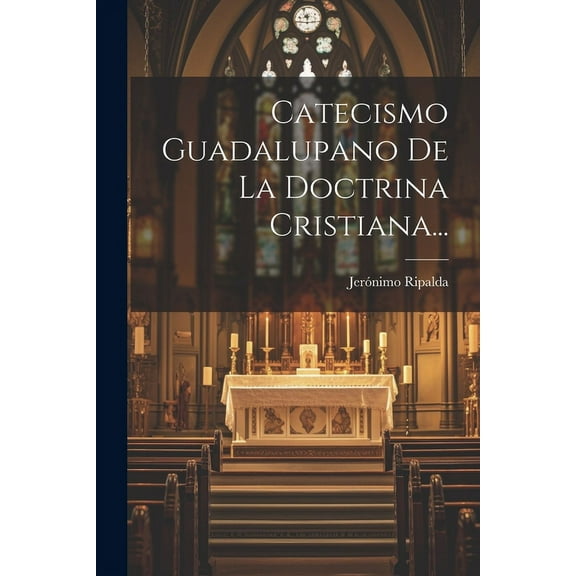
Catecismo Guadalupano De La Doctrina Cristiana... (Paperback) $20.76
 $2076current price $20.76
Catecismo Guadalupano De La Doctrina Cristiana... (Paperback)
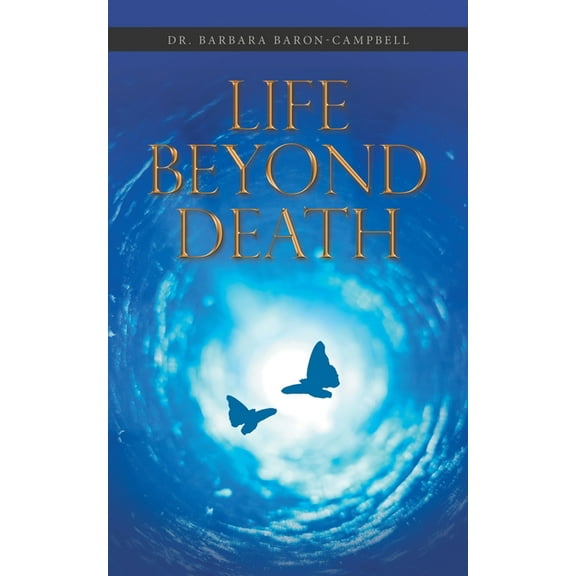
Life Beyond Death (Paperback) $9.95
 $995current price $9.95
Life Beyond Death (Paperback)
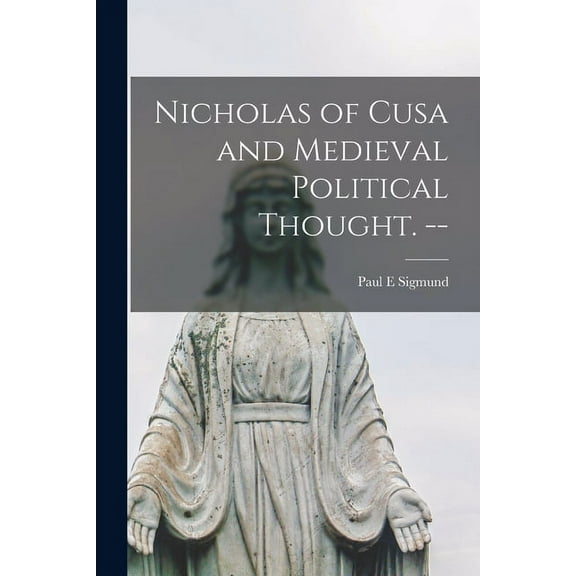
Nicholas of Cusa and Medieval Political Thought. --, (Paperback) $28.06
 $2806current price $28.06
Nicholas of Cusa and Medieval Political Thought. --, (Paperback)
Never Too Late To Love: Our Lady's Sublime Teaching on Prayer, (Paperback) $16.99
 $1699current price $16.99
Never Too Late To Love: Our Lady's Sublime Teaching on Prayer, (Paperback)
Apocalipsis, El (Sekotia), (Paperback) $24.95 Was $29.94
 $2495current price $24.95, Was $29.94$29.94
Apocalipsis, El (Sekotia), (Paperback)
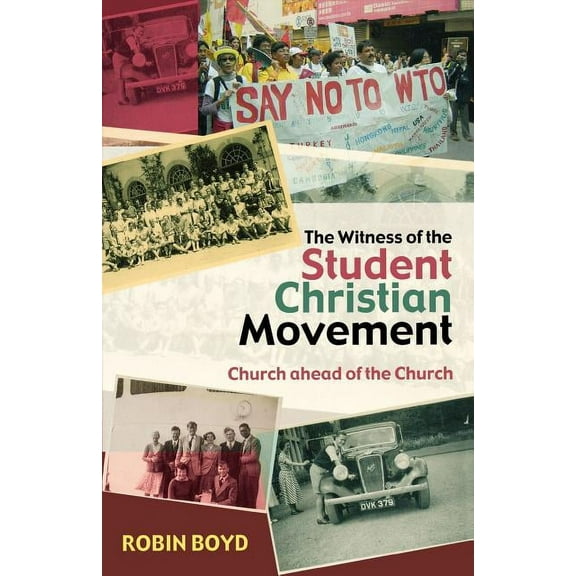
The Witness of the Student Christian Movement, (Paperback) $26.62 Was $29.99
 $2662current price $26.62, Was $29.99$29.99
The Witness of the Student Christian Movement, (Paperback)

Customer ratings & reviews
0 ratings|0 reviews
This item does not have any reviews yet
