


The Wall (Paperback)
(No ratings yet)
Key item features
NAMED ONE OF THE BEST BOOKS OF THE YEAR BY PUBLISHERS WEEKLY
Compared by critics to Kafka, Joyce, and Musil, H. G. Adler is becoming recognized as one of the towering figures of twentieth-century fiction. Nobel Prize winner Elias Canetti wrote that “Adler has restored hope to modern literature,” and the first two novels rediscovered after his death, Panorama and The Journey, were acclaimed as “modernist masterpieces” by The New Yorker. Now his magnum opus, The Wall, the final installment of Adler’s Shoah trilogy and his crowning achievement as a novelist, is available for the first time in English.
Drawing upon Adler’s own experiences in the Holocaust and his postwar life, The Wall, like the other works in the trilogy, nonetheless avoids detailed historical specifics. The novel tells the story of Arthur Landau, survivor of a wartime atrocity, a man struggling with his nightmares and his memories of the past as he strives to forge a new life for himself. Haunted by the death of his wife, Franziska, he returns to the city of his youth and receives confirmation of his parents’ fates, then crosses the border and leaves his homeland for good.
Embarking on a life of exile, he continues searching for his place within the world. He attempts to publish his study of the victims of the war, yet he is treated with curiosity, competitiveness, and contempt by fellow intellectuals who escaped the conflict unscathed. Afflicted with survivor’s guilt, Arthur tries to leave behind the horrors of the past and find a foothold in the present. Ultimately, it is the love of his second wife, Johanna, and his two children that allows him to reaffirm his humanity while remembering all he’s left behind.
The Wall is a magnificent epic of survival and redemption, powerfully told through stream of consciousness and suffused with daydream, fantasy, memory, nightmare, and pure imagination. More than a portrait of a Holocaust survivor’s journey, it is a universal novel about recovering from the traumas of the past and finding a way to live again.
Praise for The Wall
“[A] majestic novel . . . Adler’s prose is tidal, surge after narrative surge rushing forward and then enigmatically receding, the moment displaced by memory, and memory by introspective soliloquy.”—Cynthia Ozick, The New York Times Book Review
“A towering meditation on the self and spirit . . . The writing is sonorous and so entirely devastating that the reader is compelled to pore over every word.”—Publishers Weekly (starred review)
“Masterful and utterly unique.”—The Jerusalem Post
“Haunting and utterly heart-wrenching . . . a literary masterpiece.”—Historical Novels Review
“An epic novel . . . an unforgettable portrait.”—The Jewish Week
“[A] pensive portrait of a man struggling to find a place in the world after enduring transformative calamity . . . an eloquent record of suffering—and perhaps of redemption as well.”—Kirkus Reviews
Praise for H. G. Adler’s novels The Journey and Panorama, translated by Peter Filkins
“Modernist masterpieces worthy of comparison to those of Kafka or Musil.”—The New Yorker
“Haunting . . . as remarkable for its literary experimentation as for its historical testimony.”—San Francisco Chronicle, on Panorama
Compared by critics to Kafka, Joyce, and Musil, H. G. Adler is becoming recognized as one of the towering figures of twentieth-century fiction. Nobel Prize winner Elias Canetti wrote that “Adler has restored hope to modern literature,” and the first two novels rediscovered after his death, Panorama and The Journey, were acclaimed as “modernist masterpieces” by The New Yorker. Now his magnum opus, The Wall, the final installment of Adler’s Shoah trilogy and his crowning achievement as a novelist, is available for the first time in English.
Drawing upon Adler’s own experiences in the Holocaust and his postwar life, The Wall, like the other works in the trilogy, nonetheless avoids detailed historical specifics. The novel tells the story of Arthur Landau, survivor of a wartime atrocity, a man struggling with his nightmares and his memories of the past as he strives to forge a new life for himself. Haunted by the death of his wife, Franziska, he returns to the city of his youth and receives confirmation of his parents’ fates, then crosses the border and leaves his homeland for good.
Embarking on a life of exile, he continues searching for his place within the world. He attempts to publish his study of the victims of the war, yet he is treated with curiosity, competitiveness, and contempt by fellow intellectuals who escaped the conflict unscathed. Afflicted with survivor’s guilt, Arthur tries to leave behind the horrors of the past and find a foothold in the present. Ultimately, it is the love of his second wife, Johanna, and his two children that allows him to reaffirm his humanity while remembering all he’s left behind.
The Wall is a magnificent epic of survival and redemption, powerfully told through stream of consciousness and suffused with daydream, fantasy, memory, nightmare, and pure imagination. More than a portrait of a Holocaust survivor’s journey, it is a universal novel about recovering from the traumas of the past and finding a way to live again.
Praise for The Wall
“[A] majestic novel . . . Adler’s prose is tidal, surge after narrative surge rushing forward and then enigmatically receding, the moment displaced by memory, and memory by introspective soliloquy.”—Cynthia Ozick, The New York Times Book Review
“A towering meditation on the self and spirit . . . The writing is sonorous and so entirely devastating that the reader is compelled to pore over every word.”—Publishers Weekly (starred review)
“Masterful and utterly unique.”—The Jerusalem Post
“Haunting and utterly heart-wrenching . . . a literary masterpiece.”—Historical Novels Review
“An epic novel . . . an unforgettable portrait.”—The Jewish Week
“[A] pensive portrait of a man struggling to find a place in the world after enduring transformative calamity . . . an eloquent record of suffering—and perhaps of redemption as well.”—Kirkus Reviews
Praise for H. G. Adler’s novels The Journey and Panorama, translated by Peter Filkins
“Modernist masterpieces worthy of comparison to those of Kafka or Musil.”—The New Yorker
“Haunting . . . as remarkable for its literary experimentation as for its historical testimony.”—San Francisco Chronicle, on Panorama
Specs
- Book formatPaperback
- Fiction/nonfictionFiction
- GenreLiterature & Fiction
- Publication dateSeptember, 2015
- Pages656
- Series titleShoah Trilogy
Current price is USD$18.00
Price when purchased online
- Free shipping
 Free 30-day returns
How do you want your item?
Columbus, 43215
Arrives between May 2 - May 5
|
Sold and shipped by RAREWAVES-USA
4.578856749311295 stars out of 5, based on 2904 seller reviews(4.6)2904 seller reviews

Free 30-day returns - in store or online
More seller options (1)
Starting from $17.97
About this item
Product details
NAMED ONE OF THE BEST BOOKS OF THE YEAR BY PUBLISHERS WEEKLY Compared by critics to Kafka, Joyce, and Musil, H. G. Adler is becoming recognized as one of the towering figures of twentieth-century fiction. Nobel Prize winner Elias Canetti wrote that "Adler has restored hope to modern literature," and the first two novels rediscovered after his death, Panorama and The Journey, were acclaimed as "modernist masterpieces" by The New Yorker. Now his magnum opus, The Wall, the final installment of Adler's Shoah trilogy and his crowning achievement as a novelist, is available for the first time in English. Drawing upon Adler's own experiences in the Holocaust and his postwar life, The Wall, like the other works in the trilogy, nonetheless avoids detailed historical specifics. The novel tells the story of Arthur Landau, survivor of a wartime atrocity, a man struggling with his nightmares and his memories of the past as he strives to forge a new life for himself. Haunted by the death of his wife, Franziska, he returns to the city of his youth and receives confirmation of his parents' fates, then crosses the border and leaves his homeland for good. Embarking on a life of exile, he continues searching for his place within the world. He attempts to publish his study of the victims of the war, yet he is treated with curiosity, competitiveness, and contempt by fellow intellectuals who escaped the conflict unscathed. Afflicted with survivor's guilt, Arthur tries to leave behind the horrors of the past and find a foothold in the present. Ultimately, it is the love of his second wife, Johanna, and his two children that allows him to reaffirm his humanity while remembering all he's left behind. The Wall is a magnificent epic of survival and redemption, powerfully told through stream of consciousness and suffused with daydream, fantasy, memory, nightmare, and pure imagination. More than a portrait of a Holocaust survivor's journey, it is a universal novel about recovering from the traumas of the past and finding a way to live again. Praise for The Wall
"[A] majestic novel . . . Adler's prose is tidal, surge after narrative surge rushing forward and then enigmatically receding, the moment displaced by memory, and memory by introspective soliloquy."--Cynthia Ozick, The New York Times Book Review "A towering meditation on the self and spirit . . . The writing is sonorous and so entirely devastating that the reader is compelled to pore over every word."--Publishers Weekly (starred review)
"Masterful and utterly unique."--The Jerusalem Post "Haunting and utterly heart-wrenching . . . a literary masterpiece."--Historical Novels Review "An epic novel . . . an unforgettable portrait."--The Jewish Week "[A] pensive portrait of a man struggling to find a place in the world after enduring transformative calamity . . . an eloquent record of suffering--and perhaps of redemption as well."--Kirkus Reviews Praise for H. G. Adler's novels The Journey and Panorama, translated by Peter Filkins "Modernist masterpieces worthy of comparison to those of Kafka or Musil."--The New Yorker "Haunting . . . as remarkable for its literary experimentation as for its historical testimony."--San Francisco Chronicle, on Panorama
"[A] majestic novel . . . Adler's prose is tidal, surge after narrative surge rushing forward and then enigmatically receding, the moment displaced by memory, and memory by introspective soliloquy."--Cynthia Ozick, The New York Times Book Review "A towering meditation on the self and spirit . . . The writing is sonorous and so entirely devastating that the reader is compelled to pore over every word."--Publishers Weekly (starred review)
"Masterful and utterly unique."--The Jerusalem Post "Haunting and utterly heart-wrenching . . . a literary masterpiece."--Historical Novels Review "An epic novel . . . an unforgettable portrait."--The Jewish Week "[A] pensive portrait of a man struggling to find a place in the world after enduring transformative calamity . . . an eloquent record of suffering--and perhaps of redemption as well."--Kirkus Reviews Praise for H. G. Adler's novels The Journey and Panorama, translated by Peter Filkins "Modernist masterpieces worthy of comparison to those of Kafka or Musil."--The New Yorker "Haunting . . . as remarkable for its literary experimentation as for its historical testimony."--San Francisco Chronicle, on Panorama
NAMED ONE OF THE BEST BOOKS OF THE YEAR BY PUBLISHERS WEEKLY
Compared by critics to Kafka, Joyce, and Musil, H. G. Adler is becoming recognized as one of the towering figures of twentieth-century fiction. Nobel Prize winner Elias Canetti wrote that “Adler has restored hope to modern literature,” and the first two novels rediscovered after his death, Panorama and The Journey, were acclaimed as “modernist masterpieces” by The New Yorker. Now his magnum opus, The Wall, the final installment of Adler’s Shoah trilogy and his crowning achievement as a novelist, is available for the first time in English.
Drawing upon Adler’s own experiences in the Holocaust and his postwar life, The Wall, like the other works in the trilogy, nonetheless avoids detailed historical specifics. The novel tells the story of Arthur Landau, survivor of a wartime atrocity, a man struggling with his nightmares and his memories of the past as he strives to forge a new life for himself. Haunted by the death of his wife, Franziska, he returns to the city of his youth and receives confirmation of his parents’ fates, then crosses the border and leaves his homeland for good.
Embarking on a life of exile, he continues searching for his place within the world. He attempts to publish his study of the victims of the war, yet he is treated with curiosity, competitiveness, and contempt by fellow intellectuals who escaped the conflict unscathed. Afflicted with survivor’s guilt, Arthur tries to leave behind the horrors of the past and find a foothold in the present. Ultimately, it is the love of his second wife, Johanna, and his two children that allows him to reaffirm his humanity while remembering all he’s left behind.
The Wall is a magnificent epic of survival and redemption, powerfully told through stream of consciousness and suffused with daydream, fantasy, memory, nightmare, and pure imagination. More than a portrait of a Holocaust survivor’s journey, it is a universal novel about recovering from the traumas of the past and finding a way to live again.
Praise for The Wall
“[A] majestic novel . . . Adler’s prose is tidal, surge after narrative surge rushing forward and then enigmatically receding, the moment displaced by memory, and memory by introspective soliloquy.”—Cynthia Ozick, The New York Times Book Review
“A towering meditation on the self and spirit . . . The writing is sonorous and so entirely devastating that the reader is compelled to pore over every word.”—Publishers Weekly (starred review)
“Masterful and utterly unique.”—The Jerusalem Post
“Haunting and utterly heart-wrenching . . . a literary masterpiece.”—Historical Novels Review
“An epic novel . . . an unforgettable portrait.”—The Jewish Week
“[A] pensive portrait of a man struggling to find a place in the world after enduring transformative calamity . . . an eloquent record of suffering—and perhaps of redemption as well.”—Kirkus Reviews
Praise for H. G. Adler’s novels The Journey and Panorama, translated by Peter Filkins
“Modernist masterpieces worthy of comparison to those of Kafka or Musil.”—The New Yorker
“Haunting . . . as remarkable for its literary experimentation as for its historical testimony.”—San Francisco Chronicle, on Panorama
Compared by critics to Kafka, Joyce, and Musil, H. G. Adler is becoming recognized as one of the towering figures of twentieth-century fiction. Nobel Prize winner Elias Canetti wrote that “Adler has restored hope to modern literature,” and the first two novels rediscovered after his death, Panorama and The Journey, were acclaimed as “modernist masterpieces” by The New Yorker. Now his magnum opus, The Wall, the final installment of Adler’s Shoah trilogy and his crowning achievement as a novelist, is available for the first time in English.
Drawing upon Adler’s own experiences in the Holocaust and his postwar life, The Wall, like the other works in the trilogy, nonetheless avoids detailed historical specifics. The novel tells the story of Arthur Landau, survivor of a wartime atrocity, a man struggling with his nightmares and his memories of the past as he strives to forge a new life for himself. Haunted by the death of his wife, Franziska, he returns to the city of his youth and receives confirmation of his parents’ fates, then crosses the border and leaves his homeland for good.
Embarking on a life of exile, he continues searching for his place within the world. He attempts to publish his study of the victims of the war, yet he is treated with curiosity, competitiveness, and contempt by fellow intellectuals who escaped the conflict unscathed. Afflicted with survivor’s guilt, Arthur tries to leave behind the horrors of the past and find a foothold in the present. Ultimately, it is the love of his second wife, Johanna, and his two children that allows him to reaffirm his humanity while remembering all he’s left behind.
The Wall is a magnificent epic of survival and redemption, powerfully told through stream of consciousness and suffused with daydream, fantasy, memory, nightmare, and pure imagination. More than a portrait of a Holocaust survivor’s journey, it is a universal novel about recovering from the traumas of the past and finding a way to live again.
Praise for The Wall
“[A] majestic novel . . . Adler’s prose is tidal, surge after narrative surge rushing forward and then enigmatically receding, the moment displaced by memory, and memory by introspective soliloquy.”—Cynthia Ozick, The New York Times Book Review
“A towering meditation on the self and spirit . . . The writing is sonorous and so entirely devastating that the reader is compelled to pore over every word.”—Publishers Weekly (starred review)
“Masterful and utterly unique.”—The Jerusalem Post
“Haunting and utterly heart-wrenching . . . a literary masterpiece.”—Historical Novels Review
“An epic novel . . . an unforgettable portrait.”—The Jewish Week
“[A] pensive portrait of a man struggling to find a place in the world after enduring transformative calamity . . . an eloquent record of suffering—and perhaps of redemption as well.”—Kirkus Reviews
Praise for H. G. Adler’s novels The Journey and Panorama, translated by Peter Filkins
“Modernist masterpieces worthy of comparison to those of Kafka or Musil.”—The New Yorker
“Haunting . . . as remarkable for its literary experimentation as for its historical testimony.”—San Francisco Chronicle, on Panorama
info:
We aim to show you accurate product information. Manufacturers, suppliers and others provide what you see here, and we have not verified it.
Specifications
Book format
Paperback
Fiction/nonfiction
Fiction
Genre
Literature & Fiction
Publication date
September, 2015
Warranty
Warranty information
Please be aware that the warranty terms on items offered for sale by third party Marketplace sellers may differ from those displayed in this section (if any). To confirm warranty terms on an item offered for sale by a third party Marketplace seller, please use the 'Contact seller' feature on the third party Marketplace seller's information page and request the item's warranty terms prior to purchase.
Similar items you might like
Based on what customers bought
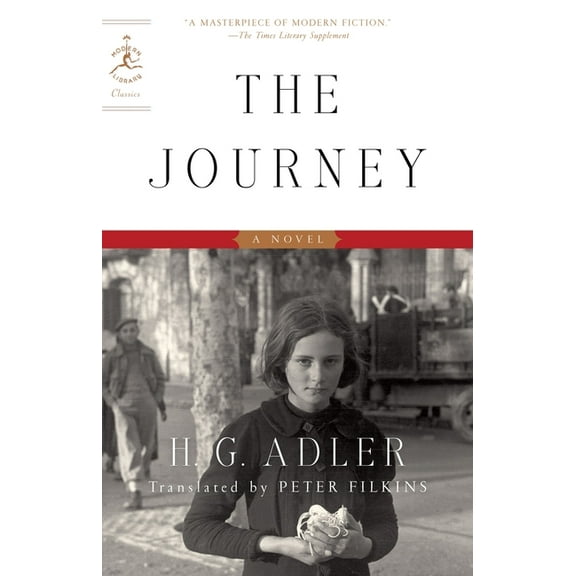
Modern Library Classics: The Journey : A Novel (Paperback) $15.83
 $1583current price $15.83
Modern Library Classics: The Journey : A Novel (Paperback)
O Esqueleto, (Paperback) $16.00
 $1600current price $16.00
O Esqueleto, (Paperback)
A Room With A View(Illustrated), (Paperback) $17.84
 $1784current price $17.84
A Room With A View(Illustrated), (Paperback)
Momentos Estelares de la Humanidad, (Paperback) $25.41
 $2541current price $25.41
Momentos Estelares de la Humanidad, (Paperback)
Chandrakanta (Paperback) $19.99
 $1999current price $19.99
Chandrakanta (Paperback)
The Magic of Oz (Paperback) $17.95
 $1795current price $17.95
The Magic of Oz (Paperback)
First Light, (Paperback) $15.99 Was $17.99
 $1599current price $15.99, Was $17.99$17.99
First Light, (Paperback)
Touch and Go (Paperback) $22.75
 $2275current price $22.75
Touch and Go (Paperback)
Chandrakanta Santati- 1 (Paperback) $21.92
 $2192current price $21.92
Chandrakanta Santati- 1 (Paperback)
GottesSpuren: Autobiografische Einsichten, (Paperback) $15.29
 $1529current price $15.29
GottesSpuren: Autobiografische Einsichten, (Paperback)
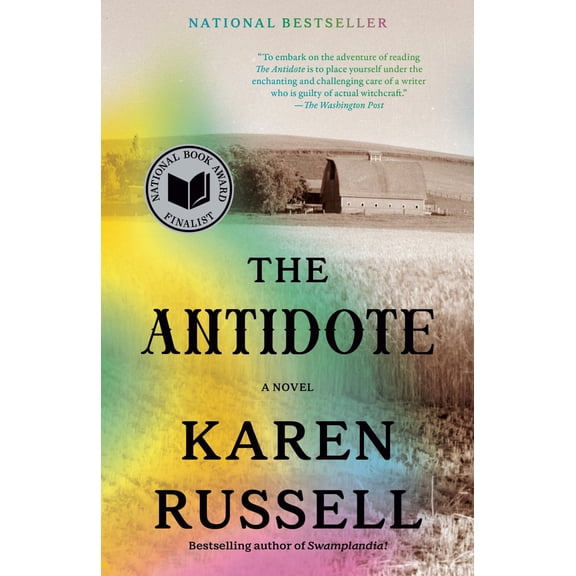
The Antidote: A Novel (Paperback) $14.25
 $1425current price $14.25
The Antidote: A Novel (Paperback)
Golden Dawn, (Paperback) $19.39
 $1939current price $19.39
Golden Dawn, (Paperback)
Through stained glass, (Paperback) $20.95
 $2095current price $20.95
Through stained glass, (Paperback)
Le Conscrit $15.95
 $1595current price $15.95
Le Conscrit
Der Struwwelpeter, (Paperback) $14.00
 $1400current price $14.00
Der Struwwelpeter, (Paperback)
Siroe (Paperback) $14.95
 $1495current price $14.95
Siroe (Paperback)
A Woman Sibilla Aleramo (Paperback) $16.65
 $1665current price $16.65
A Woman Sibilla Aleramo (Paperback)
MadStone, (Paperback) $18.40
 $1840current price $18.40
MadStone, (Paperback)
Tales of the Magid, (Paperback) $8.99 Was $15.38
 $899current price $8.99, Was $15.38$15.38
Tales of the Magid, (Paperback)
The Way It Haunted Him, (Paperback) $17.70
 $1770current price $17.70
The Way It Haunted Him, (Paperback)
Customer ratings & reviews
0 ratings|0 reviews
This item does not have any reviews yet
