


Hero image 0 of Self-Governance in Communities and Families (Paperback), 0 of 1
Self-Governance in Communities and Families (Paperback)
(No ratings yet)
Key item features
We are entering the 21st century in a period of great uncertainty and change. People are wary of government and have lost confidence in social institutions-from social welfare and schools to healthcare programs. That loss of confidence has undermined the community and family life that is the very foundation of our society. Self-Governance in Communities and Families shows how individuals can reconnect to and revitalize their social institutions so that they are effective in serving the needs of all.
Gary Nelson identifies the existing social models we are moving away from and explores the new, emerging pattern of relationships we are shifting to in our social institutions. He reveals why open dialogue and partnerships between people and their social institutions are essential to the well-being of families and thriving communities. He describes why social regeneration is best pursued through these partnerships, with people and stakeholders within communities taking positive action to develop and protect the well-being of their families and the health of their communities.
Applying both business and social science concepts to the day-to-day management of social institutions, Nelson offers a proven, practical method-community self-governance dialogues-for engaging people in the redesign and revitalization of social institutions. The author shows how-by creating opportunities for individuals and families to proactively participate in developing a strategic plan for how their institutions are managed, run, and evaluated-this dialogue method ultimately empowers people to take control of their own lives. He also reveals how active participation in these open dialogues ignites creative ideas and new energy for the redirection and reshaping of those institutions.
With numerous examples and anecdotes, Nelson illustrates the values, beliefs, and principles that underlie how we learn and make decisions in a self-governing democratic culture. He provides tips for shared learning and accountability, ownership and governance, and the creation of a culture of self-governance. And he offers advice on how to maintain an ongoing engagement and partnership between the public and its social institutions.
Communities and families can be strengthened when each of us takes responsibility for ourselves and works in partnership with others to restore our social institutions. Self-Governance in Communities and Families sets forth clear, doable strategies for fostering both responsibility and ownership through dialogue and collaboration between public and private sectors.
Gary Nelson identifies the existing social models we are moving away from and explores the new, emerging pattern of relationships we are shifting to in our social institutions. He reveals why open dialogue and partnerships between people and their social institutions are essential to the well-being of families and thriving communities. He describes why social regeneration is best pursued through these partnerships, with people and stakeholders within communities taking positive action to develop and protect the well-being of their families and the health of their communities.
Applying both business and social science concepts to the day-to-day management of social institutions, Nelson offers a proven, practical method-community self-governance dialogues-for engaging people in the redesign and revitalization of social institutions. The author shows how-by creating opportunities for individuals and families to proactively participate in developing a strategic plan for how their institutions are managed, run, and evaluated-this dialogue method ultimately empowers people to take control of their own lives. He also reveals how active participation in these open dialogues ignites creative ideas and new energy for the redirection and reshaping of those institutions.
With numerous examples and anecdotes, Nelson illustrates the values, beliefs, and principles that underlie how we learn and make decisions in a self-governing democratic culture. He provides tips for shared learning and accountability, ownership and governance, and the creation of a culture of self-governance. And he offers advice on how to maintain an ongoing engagement and partnership between the public and its social institutions.
Communities and families can be strengthened when each of us takes responsibility for ourselves and works in partnership with others to restore our social institutions. Self-Governance in Communities and Families sets forth clear, doable strategies for fostering both responsibility and ownership through dialogue and collaboration between public and private sectors.
Specs
- Book formatPaperback
- Fiction/nonfictionNon-Fiction
- GenreNonfiction
- Publication dateJuly, 2000
- Pages232
- EditionStandard Edition
Current price is USD$20.77
Price when purchased online
- Free shipping
 Free 30-day returns
How do you want your item?
Columbus, 43215
Arrives between May 2 - May 5
|
Sold and shipped by BooksXpress
3.975863122517568 stars out of 5, based on 3273 seller reviews(4.0)3273 seller reviews

Free 30-day returns - in store or online
Other sellers
$23.71
+Free shippingShipping, arrives by Sat, May 2 to Columbus, 43215
Sold and shipped by RAREWAVES-USA
Free 30-day returns
About this item
Product details
We are entering the 21st century in a period of great uncertainty and change. People are wary of government and have lost confidence in social institutions-from social welfare and schools to healthcare programs. That loss of confidence has undermined the community and family life that is the very foundation of our society. Self-Governance in Communities and Families shows how individuals can reconnect to and revitalize their social institutions so that they are effective in serving the needs of all.
Gary Nelson identifies the existing social models we are moving away from and explores the new, emerging pattern of relationships we are shifting to in our social institutions. He reveals why open dialogue and partnerships between people and their social institutions are essential to the well-being of families and thriving communities. He describes why social regeneration is best pursued through these partnerships, with people and stakeholders within communities taking positive action to develop and protect the well-being of their families and the health of their communities.
Applying both business and social science concepts to the day-to-day management of social institutions, Nelson offers a proven, practical method-community self-governance dialogues-for engaging people in the redesign and revitalization of social institutions. The author shows how-by creating opportunities for individuals and families to proactively participate in developing a strategic plan for how their institutions are managed, run, and evaluated-this dialogue method ultimately empowers people to take control of their own lives. He also reveals how active participation in these open dialogues ignites creative ideas and new energy for the redirection and reshaping of those institutions.
With numerous examples and anecdotes, Nelson illustrates the values, beliefs, and principles that underlie how we learn and make decisions in a self-governing democratic culture. He provides tips for shared learning and accountability, ownership and governance, and the creation of a culture of self-governance. And he offers advice on how to maintain an ongoing engagement and partnership between the public and its social institutions.
Communities and families can be strengthened when each of us takes responsibility for ourselves and works in partnership with others to restore our social institutions. Self-Governance in Communities and Families sets forth clear, doable strategies for fostering both responsibility and ownership through dialogue and collaboration between public and private sectors.
Gary Nelson identifies the existing social models we are moving away from and explores the new, emerging pattern of relationships we are shifting to in our social institutions. He reveals why open dialogue and partnerships between people and their social institutions are essential to the well-being of families and thriving communities. He describes why social regeneration is best pursued through these partnerships, with people and stakeholders within communities taking positive action to develop and protect the well-being of their families and the health of their communities.
Applying both business and social science concepts to the day-to-day management of social institutions, Nelson offers a proven, practical method-community self-governance dialogues-for engaging people in the redesign and revitalization of social institutions. The author shows how-by creating opportunities for individuals and families to proactively participate in developing a strategic plan for how their institutions are managed, run, and evaluated-this dialogue method ultimately empowers people to take control of their own lives. He also reveals how active participation in these open dialogues ignites creative ideas and new energy for the redirection and reshaping of those institutions.
With numerous examples and anecdotes, Nelson illustrates the values, beliefs, and principles that underlie how we learn and make decisions in a self-governing democratic culture. He provides tips for shared learning and accountability, ownership and governance, and the creation of a culture of self-governance. And he offers advice on how to maintain an ongoing engagement and partnership between the public and its social institutions.
Communities and families can be strengthened when each of us takes responsibility for ourselves and works in partnership with others to restore our social institutions. Self-Governance in Communities and Families sets forth clear, doable strategies for fostering both responsibility and ownership through dialogue and collaboration between public and private sectors.
info:
We aim to show you accurate product information. Manufacturers, suppliers and others provide what you see here, and we have not verified it.
Specifications
Book format
Paperback
Fiction/nonfiction
Non-Fiction
Genre
Nonfiction
Publication date
July, 2000
Warranty
Warranty information
Please be aware that the warranty terms on items offered for sale by third party Marketplace sellers may differ from those displayed in this section (if any). To confirm warranty terms on an item offered for sale by a third party Marketplace seller, please use the 'Contact seller' feature on the third party Marketplace seller's information page and request the item's warranty terms prior to purchase.
Similar items you might like
Based on what customers bought
What is This? What Is This Mentors and Youth, (Paperback) $11.82 Was $14.41
 $1182current price $11.82, Was $14.41$14.41
What is This? What Is This Mentors and Youth, (Paperback)
Inverted Leadership: A Framework for Growing Strong Organisations, (Paperback) $13.99
 $1399current price $13.99
Inverted Leadership: A Framework for Growing Strong Organisations, (Paperback)
The Peaceful Investor, (Paperback) $17.74
 $1774current price $17.74
The Peaceful Investor, (Paperback)
The Self-Sufficient Global Citizen: A Guide for Responsible Families and Communities, (Paperback) $20.15
 $2015current price $20.15
The Self-Sufficient Global Citizen: A Guide for Responsible Families and Communities, (Paperback)
The Financial Compass, (Paperback) $14.99
 $1499current price $14.99
The Financial Compass, (Paperback)
Social Entrepreneurship: From Issue to Viable Plan, (Paperback) $19.35 Was $23.17
 $1935current price $19.35, Was $23.17$23.17
Social Entrepreneurship: From Issue to Viable Plan, (Paperback)
Governance in a Globalizing World, (Paperback) $29.95
 $2995current price $29.95
Governance in a Globalizing World, (Paperback)
The Art of Good Governance, (Paperback) $4.99
 $499current price $4.99
The Art of Good Governance, (Paperback)
Lessons for Leaders and Governing Board (Paperback) $20.00
 $2000current price $20.00
Lessons for Leaders and Governing Board (Paperback)
Best seller Hey, Mama! Tell Me Something I Don't Know, (Paperback) $18.83
Best seller $1883current price $18.83
Hey, Mama! Tell Me Something I Don't Know, (Paperback)
11 out of 5 Stars. 1 reviewsManagement And Leadership : People, Places And Organisations (Paperback) $21.48 Was $25.49
 $2148current price $21.48, Was $25.49$25.49
Management And Leadership : People, Places And Organisations (Paperback)
The Mccauslands Of Donaghanie And Allied Families (Paperback) $22.55
 $2255current price $22.55
The Mccauslands Of Donaghanie And Allied Families (Paperback)
Dubai Business Leaders, (Paperback) $21.19
 $2119current price $21.19
Dubai Business Leaders, (Paperback)
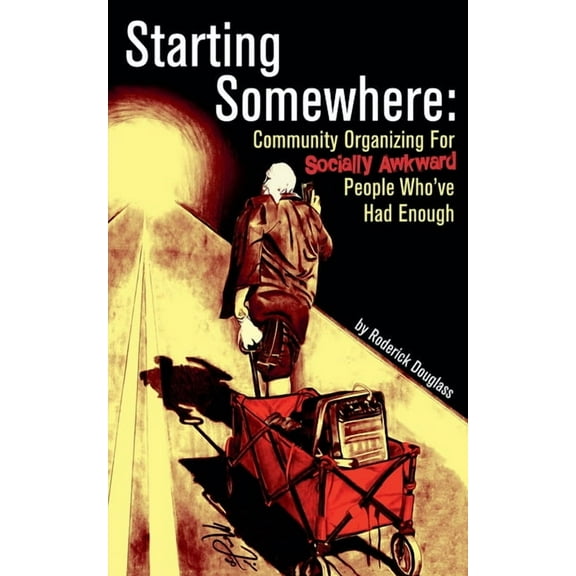
Starting Somewhere: Community Organizing for Socially Awkward People Who've Had Enough, (Paperback) $17.37
 $1737current price $17.37
Starting Somewhere: Community Organizing for Socially Awkward People Who've Had Enough, (Paperback)
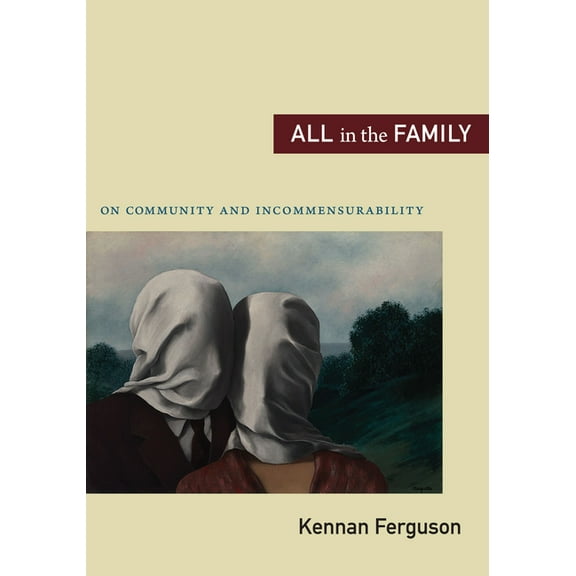
All in the Family: On Community and Incommensurability, (Paperback) $21.71
 $2171current price $21.71
All in the Family: On Community and Incommensurability, (Paperback)
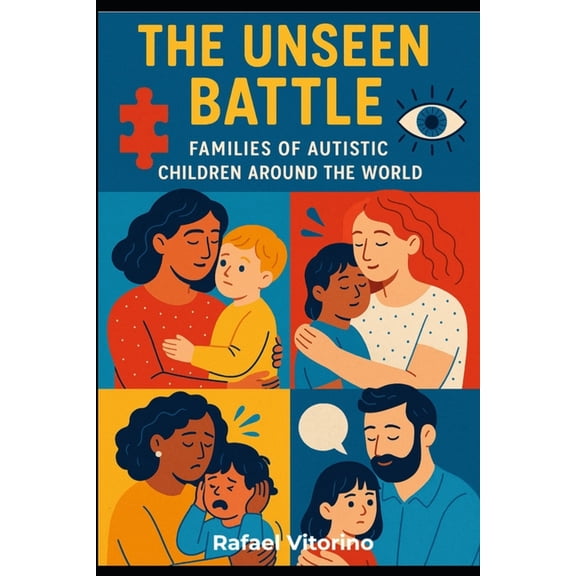
The Unseen Battle: Families of Autistic Children Around the World, (Paperback) $19.90
 $1990current price $19.90
The Unseen Battle: Families of Autistic Children Around the World, (Paperback)
Selections in Minnesota: Consequences of the 2020 Election and How to Reclaim Control of Our Government, (Paperback) $14.62
 $1462current price $14.62
Selections in Minnesota: Consequences of the 2020 Election and How to Reclaim Control of Our Government, (Paperback)
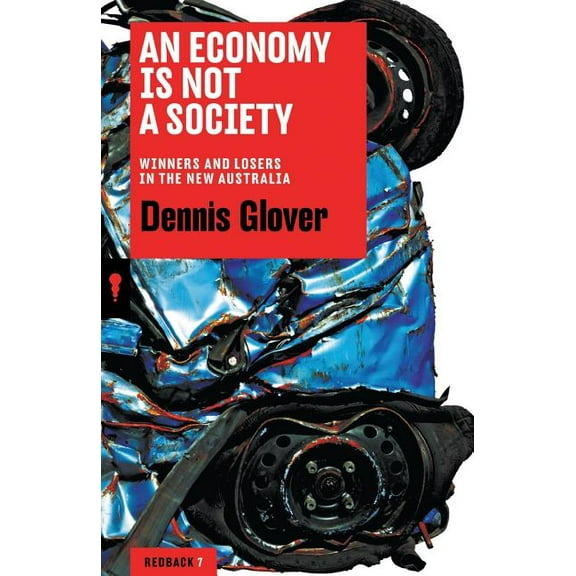
An Economy Is Not a Society (Paperback) $17.69
 $1769current price $17.69
An Economy Is Not a Society (Paperback)
The Care Manifesto: The Politics of Interdependence, (Paperback) $16.95
 $1695current price $16.95
The Care Manifesto: The Politics of Interdependence, (Paperback)
The Right to Good Governance: A Guide for the Young Indians, (Paperback) $15.99
 $1599current price $15.99
The Right to Good Governance: A Guide for the Young Indians, (Paperback)
Customer ratings & reviews
0 ratings|0 reviews
This item does not have any reviews yet
